 Pin it
 This spiced chai tea latte combines robust black tea with warming cinnamon, cloves, cardamom, and fresh ginger to create a fragrant, soothing beverage. Slow-simmered to infuse rich flavors, then blended with creamy steamed milk and lightly sweetened with honey or maple syrup, it’s crowned with a sprinkle of cinnamon for an inviting finish. Perfect for a cozy moment or to enjoy the essence of Indian-inspired spices in each sip.
There's something about the ritual of chai that pulls you in—the moment those spices hit hot water and the kitchen fills with cardamom and clove, you know something good is happening. I discovered this particular version on a chilly morning when I had friends dropping by unexpectedly, and all I had were tea bags and a spice drawer that had been neglected for weeks. What came together was less about following rules and more about layering warmth into a cup, and somehow it became the drink everyone asks me to make now.
I made this for my roommate on a day when she'd been stuck in meetings all afternoon, and watching her shoulders relax after that first sip felt like I'd done something real. She's not typically a tea person, but something about the balance of sweet and spiced and creamy just clicked for her—she came home the next week asking if I could teach her how to make it because she'd already forgotten the steps.
Ingredients
- Black tea bags or loose-leaf (2 bags or 2 tsp): This is your foundation—the tea has to be strong enough to hold its own against all those spices, so don't skimp on quality here.
- Water (2 cups): Start with fresh water, and if your tap water is heavily chlorinated, use filtered; it makes a real difference in how clean the final cup tastes.
- Cinnamon stick (1): Whole spices release their oils gradually, which is why this tastes so much better than ground cinnamon alone—one stick is enough to perfume the whole pot without overwhelming it.
- Whole cloves (4): These are potent little things, so count them out rather than eyeballing; too many and your chai tastes like you're sipping from a spice cabinet.
- Green cardamom pods (4), lightly crushed: Crack these open just enough to split the shell so the seeds release their flavor—crushing them fully makes the tea gritty.
- Black peppercorns (3): They add a subtle heat and complexity that most people can't identify but definitely notice if it's missing.
- Fresh ginger (1/4-inch slice): Don't peel it; the skin holds the most flavor, and a thin slice steeps faster than a chunk.
- Star anise (1, optional): This one's a wildcard—it adds a gentle licorice note that feels luxurious if you like it, so taste before committing to a second cup.
- Honey or maple syrup (2 tbsp): Stir it in while the tea is still hot so it dissolves completely; cold honey just clumps up at the bottom.
- Whole milk or plant-based alternative (1 1/2 cups): Full-fat milk froths better and tastes richer, but oat milk froths surprisingly well if you need dairy-free.
- Ground cinnamon (for garnish): This is the final touch that makes it look intentional—a generous sprinkle signals that you actually cared about presentation.
Instructions
- Bloom the spices:
- Pour cold water into a small saucepan and add the cinnamon stick, cloves, cardamom, peppercorns, ginger, and star anise if you're using it. Bring the water to a rolling boil—you want it hot enough that steam rises visibly and the spices start releasing their fragrance into the air.
- Let them infuse:
- Once boiling, reduce the heat to medium and let it simmer gently for 5 minutes. This isn't rushed; the longer the spices steep, the deeper and more complex the flavor becomes. You'll notice the water darkening and the smell getting richer.
- Add the tea:
- Drop in your tea bags or loose tea and let them simmer for another 2 to 3 minutes—black tea steeps quickly, so don't walk away and forget it or you'll end up with something bitter and astringent.
- Strain everything out:
- Remove the saucepan from heat and pour the liquid through a fine-mesh strainer into a clean container or directly into your mugs. You want to catch every spice particle and tea leaf so nothing gritty ends up in your cup.
- Sweeten while hot:
- Stir the honey or maple syrup into the strained tea right away, when it's still steaming. This ensures it dissolves completely and distributes evenly throughout.
- Heat and froth the milk:
- In a separate saucepan, warm your milk over medium heat until it's steaming but not boiling—you're looking for small bubbles forming around the edges. If you have a frother, use it now; if not, a whisk or even a fork works if you're willing to put in the effort.
- Bring it together:
- Divide the spiced tea between two mugs, then pour the hot milk over it slowly. The milk should mingle with the tea, creating that beautiful golden-brown color.
- Top and serve:
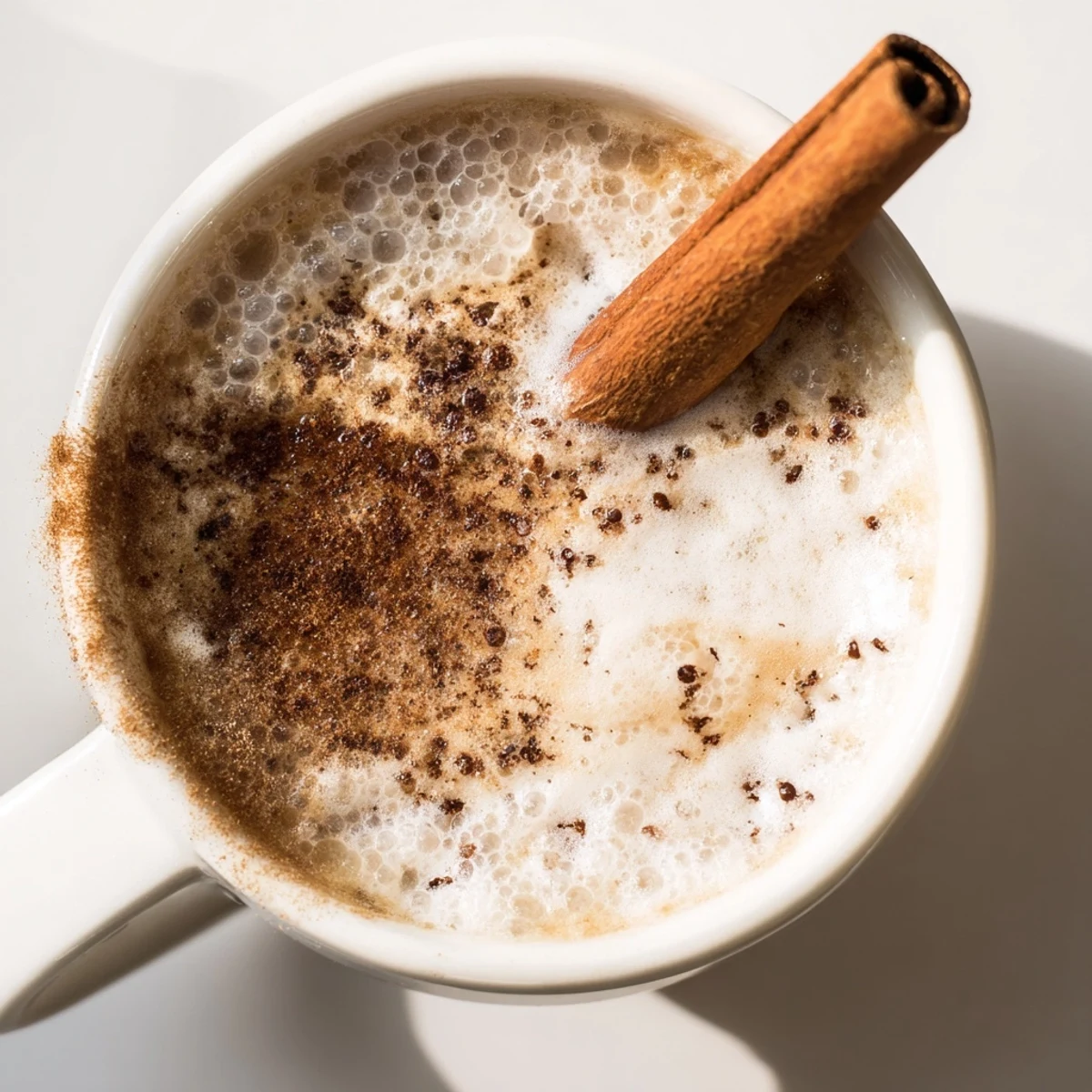
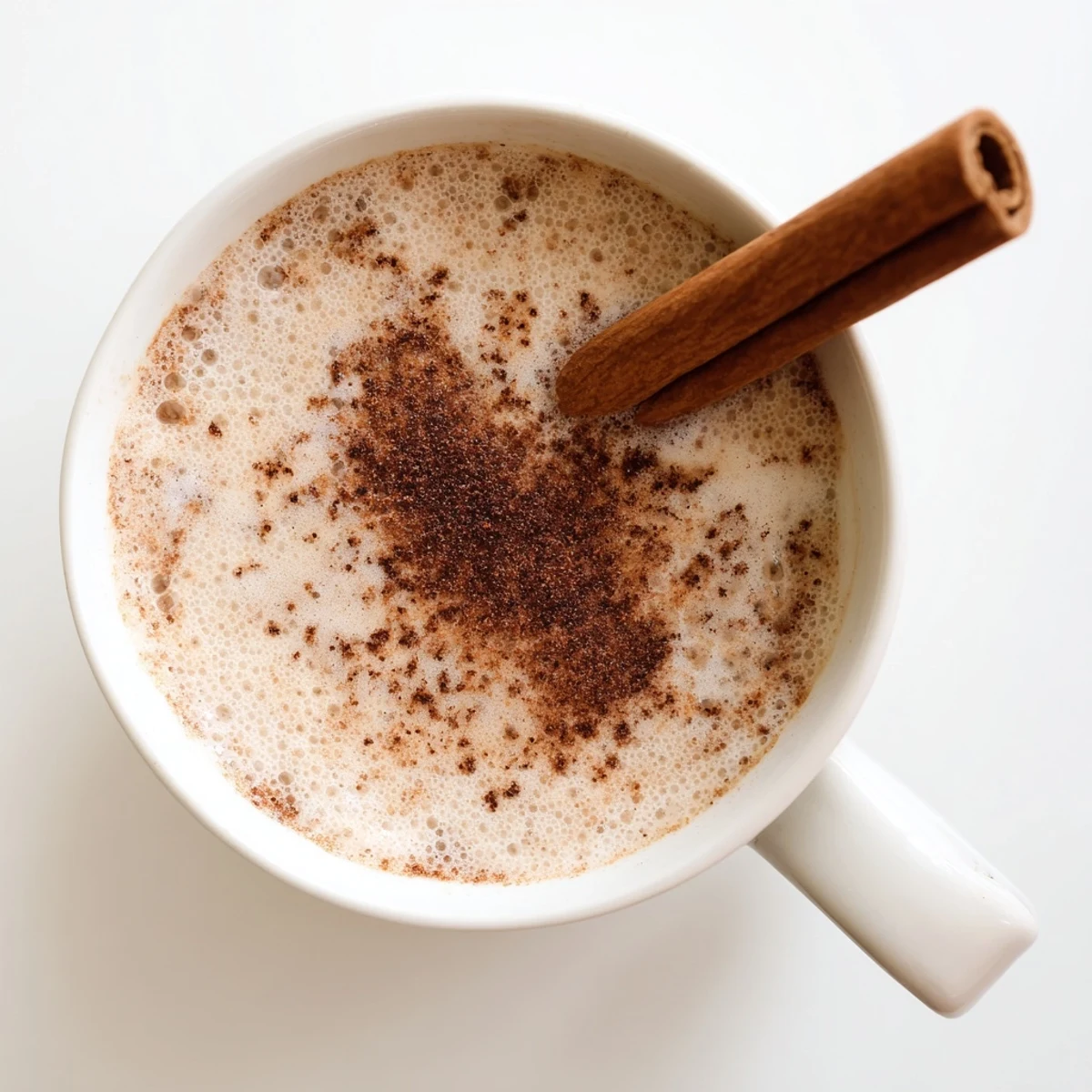
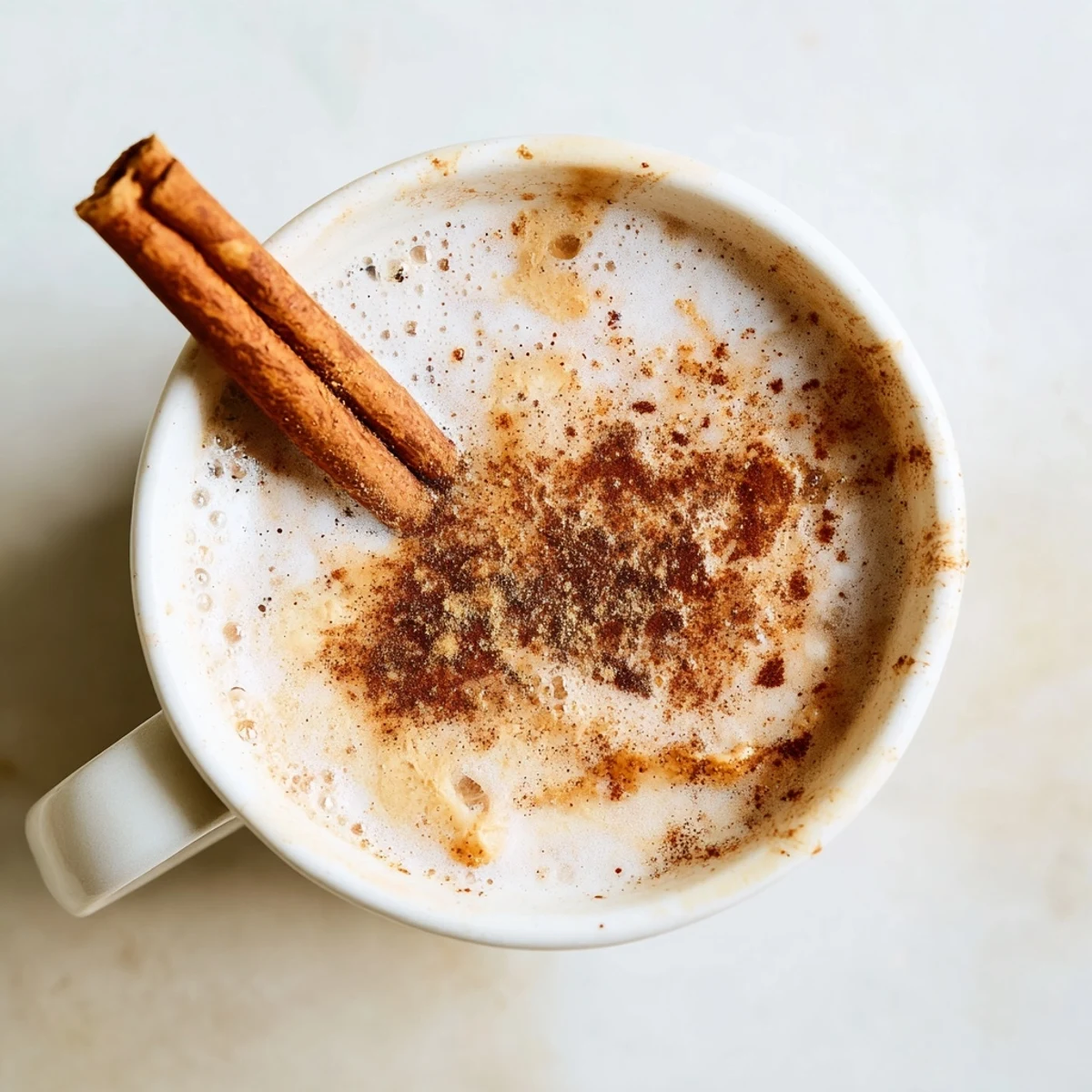
- Pour any frothy milk on top and finish with a generous sprinkle of ground cinnamon. The cinnamon dust settles on the foam and looks absolutely lovely.
 Pin it
 The first time someone told me they'd made this for themselves on a random Tuesday morning just because they wanted to feel comforted, I realized this wasn't just a recipe—it was permission to do something kind for yourself in the middle of an ordinary day. That's the real gift of a good chai.
Why This Works as a Winter Ritual
There's a reason chai feels so essential when the temperature drops and mornings feel heavy. The spices generate internal warmth, the milk makes it feel indulgent without being heavy, and the whole process—from the sound of water boiling to the final garnish—gives you a moment to slow down. I've learned that the best versions of this drink happen when you're not rushing, when you let yourself actually smell what's happening in the saucepan instead of multitasking through it.
Building Your Own Spice Balance
Everyone's idea of chai is personal, and the beauty of using whole spices is that you can adjust the blend without much fuss. If you like things sweeter and softer, add an extra cardamom pod and skip the black peppercorns. If you prefer something sharper and more gingery, double the ginger slice and go heavier on the cloves. The first time you make this, follow the recipe as written so you understand the baseline; after that, trust what your taste buds are telling you and make it yours.
Serving Suggestions and Small Details
Chai tastes best when served immediately while everything is still hot and the flavors are brightest. Pairing it with something lightly spiced—like cardamom cookies, shortbread, or even plain buttered toast—creates a moment that feels complete. I've also learned that serving it in a proper mug or teacup rather than a coffee cup somehow makes it taste better, which might be pure psychology but it works.
- Use a cinnamon stick as a stirrer for double cinnamon flavor and a little visual flair that makes people smile.
- If you're making this for guests, brew the spiced tea ahead and reheat it gently, then froth fresh milk just before serving.
- Leftover spiced tea keeps in the fridge for three days and can be reheated gently or served cold over ice if the weather turns warm.
 Pin it
 This is the kind of drink that becomes a small ritual, something you make for yourself when you need comfort or for others when you want to show you've been thinking about them. Once you understand how the spices work together, you'll find yourself making this on days when the world feels too much.
Recipe FAQs
- → What spices are used in this chai latte?
-
The blend includes cinnamon stick, whole cloves, green cardamom pods, black peppercorns, fresh ginger slice, and an optional star anise for depth.
- → Can I use a milk alternative for this beverage?
-
Yes, you can substitute any milk alternative such as almond, soy, or oat milk to make it dairy-free.
- → How do I achieve the frothy milk topping?
-
Heat the milk until steaming but not boiling, then froth using a milk frother or whisk vigorously to create a creamy foam.
- → How long does it take to prepare this drink?
-
The total time is about 20 minutes including brewing the spices and heating the milk.
- → Is it possible to adjust the sweetness?
-
Absolutely! You can increase or reduce the honey or maple syrup according to your taste preferences.