 Pin it
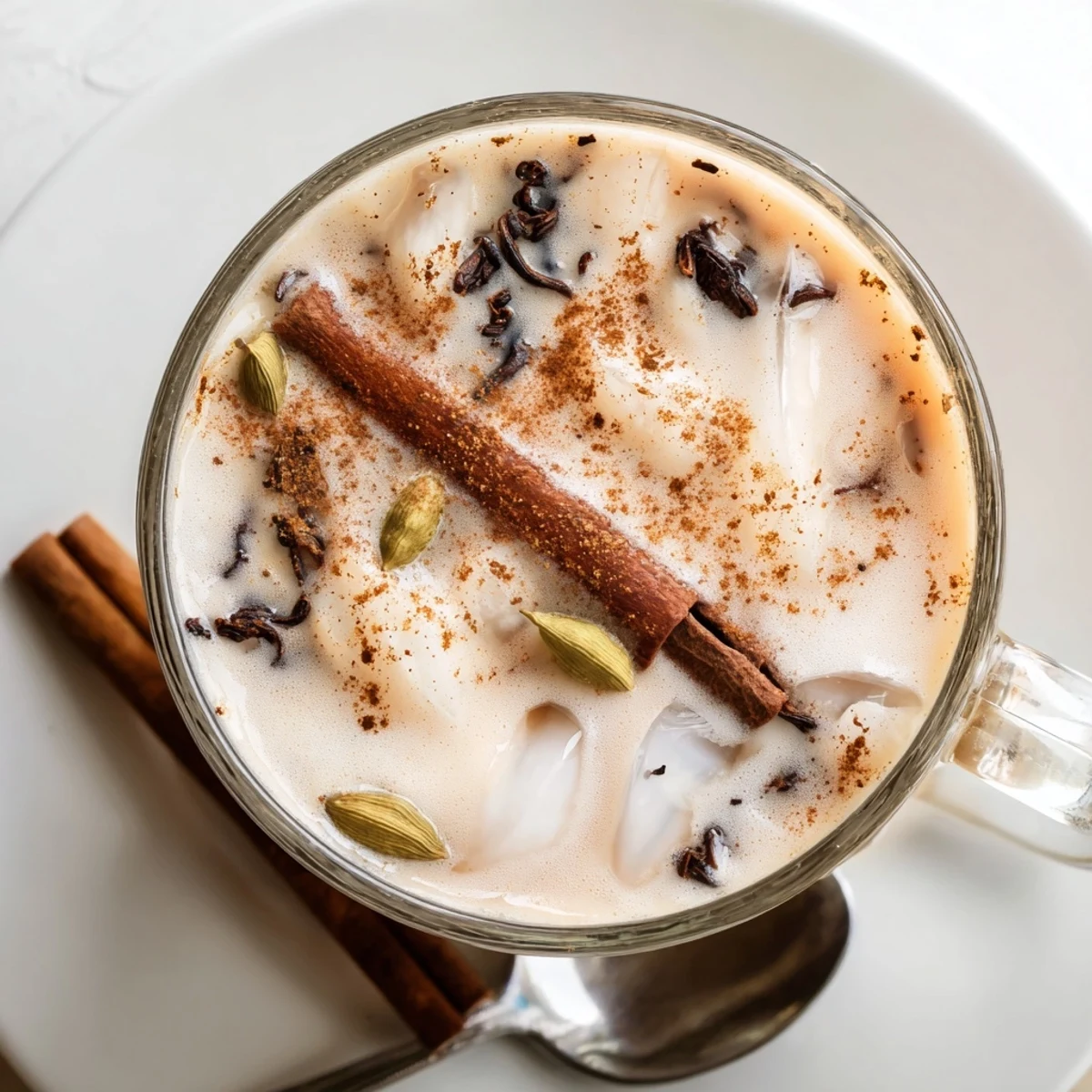
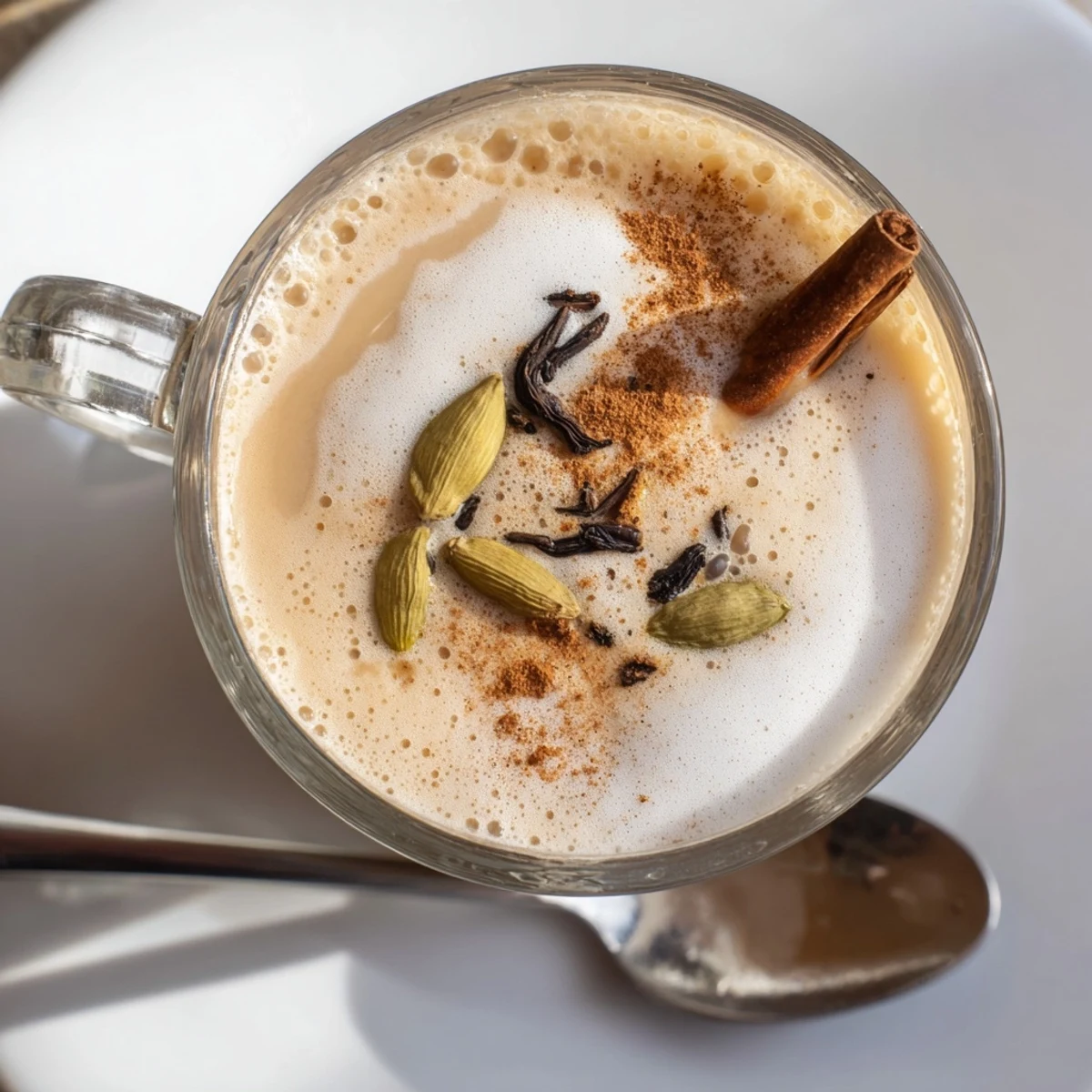
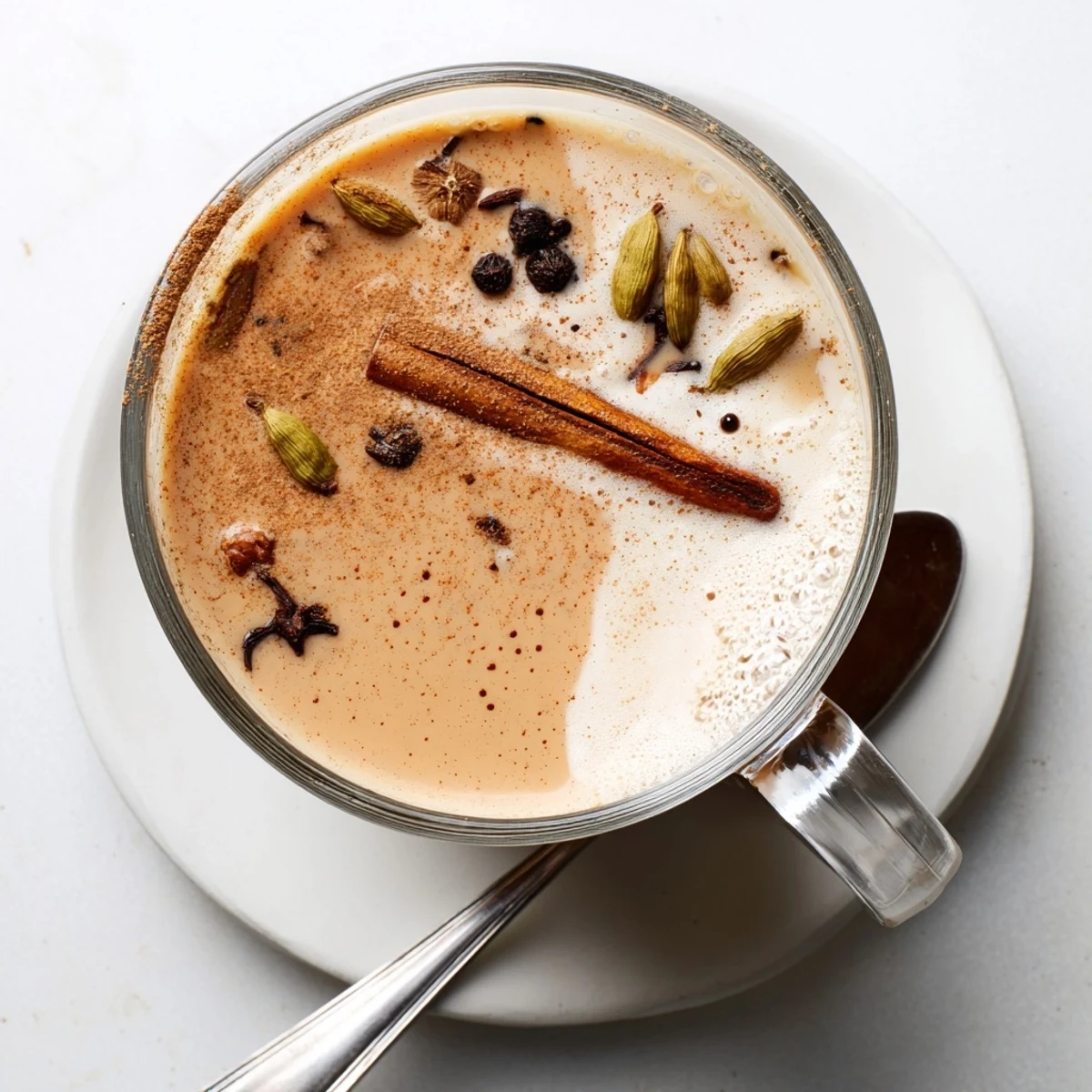
 This chai latte combines traditional Indian spices like cloves, cardamom, cinnamon, and peppercorns simmered with black tea and fresh ginger. Creamy milk balances the bold spice infusion, creating a soothing, aromatic beverage ideal for cozy mornings or afternoon breaks. Sweetened lightly with sugar or honey, this comforting drink can be customized with plant-based milks for dietary preferences. Brewing gently preserves the delicate flavors, while optional garnishes like cinnamon or nutmeg add extra warmth.
There's a particular evening I keep coming back to—rain tapping against the kitchen window, my hands cold from the walk home, and my grandmother's voice on the phone describing how her mother made chai in Delhi, every single morning before sunrise. She said the spices had to sing, that you'd know it was ready when the kitchen smelled like a warm hug. I tried it that night, and suddenly I understood why this drink shows up in every important moment in her family's life.
I made this for my friend Maya on her first terrible day at a new job, and she sat at my kitchen counter just breathing in the steam. She didn't say much, but she came back every week after that, always at the same time. Three years later, chai is still our thing—no words needed, just the ritual of it.
Ingredients
- Whole cloves: These tiny buds pack a surprising punch and anchor the whole flavor—don't skip them or use the ground version, the difference is stark.
- Green cardamom pods, crushed: Crush them gently with the flat of your knife just before using; the smell that releases is almost narcotic and that's exactly what you want.
- Cinnamon stick: One stick is enough; more than that and the chai tastes like a dessert instead of tea.
- Black peppercorns: These add a quiet heat that sneaks up on you at the end—they're not optional.
- Fresh ginger, sliced: Sliced, not grated—it releases its warmth more gently into the water this way.
- Water: Start with good water; if your tap water is heavily chlorinated, use filtered.
- Black tea bags: Assam is traditional and robust, Darjeeling is lighter and more floral—pick your mood.
- Whole milk: The fat is what makes this creamy and satisfying; oat milk is your best substitute if you're going plant-based.
- Sugar: Honey works beautifully too, though add it after you've tasted rather than at the start.
Instructions
- Build your spice base:
- Combine water with cloves, cardamom, cinnamon, peppercorns, and ginger in a small saucepan and bring to a rolling boil. The moment it boils, turn it down to a simmer and let it sit uncovered for 5 minutes—you're listening for the sounds to soften and watching the water turn golden. This is the foundation everything else rests on.
- Wake up the tea:
- Drop in your tea bags and let them steep for exactly 2 minutes. Longer than that and you'll get bitterness instead of depth.
- Marry the milk:
- Pour in the milk slowly and add your sugar, then bring everything to a gentle simmer while stirring. This is not the time for a hard boil—you want the milk to whisper, not shout.
- Finish and serve:
- Remove from heat and strain through a fine mesh sieve into your favorite mugs. The first sip should be warm enough to wrap around you but not so hot it burns.
 Pin it
 My partner took his first sip of my chai and went completely quiet for a moment, then asked if I could make it every single morning. I said no, I can't promise that, but maybe on the mornings that matter—when one of us needs it. That promise has held for five years now.
The Spice Breakdown
Each spice in chai does something different, and learning them changed how I think about flavor entirely. The cloves bring an almost minty intensity that cuts through the creaminess. The cardamom is floral and slightly citrusy, softening the sharper edges. Cinnamon adds sweetness without sugar, and the peppercorns create a subtle heat that develops as you drink. Ginger ties everything together with warmth and a tiny bit of bite.
Customizing Your Cup
Once you've made this a few times, you'll start hearing what your chai wants. Some mornings I add a star anise for something more licorice-forward. Other times, especially in winter, I'll add a pinch of nutmeg or a few fennel seeds. There's no wrong version; this recipe is more a template than a rule, and it invites you to tinker until it tastes like home.
When to Make It and What It Pairs With
Chai isn't just for mornings, though it's perfect then—I've made it for study sessions, for conversations that needed softening, for Sunday afternoons when the day felt too sharp. It pairs naturally with anything buttery: biscuits, shortbread, croissants, or even plain toast with good jam. The sweetness of the chai balances the salt of butter beautifully.
- Make it when someone needs comfort, even if they don't know it yet.
- The second cup never tastes quite as good as the first, so don't stretch one batch too far.
- Let it cool slightly before drinking if you're somewhere you need to move around.
 Pin it
 Chai is one of those rare things that gets better the more people you make it for. Each time you steep those spices, you're creating a moment someone will remember.