 Pin it
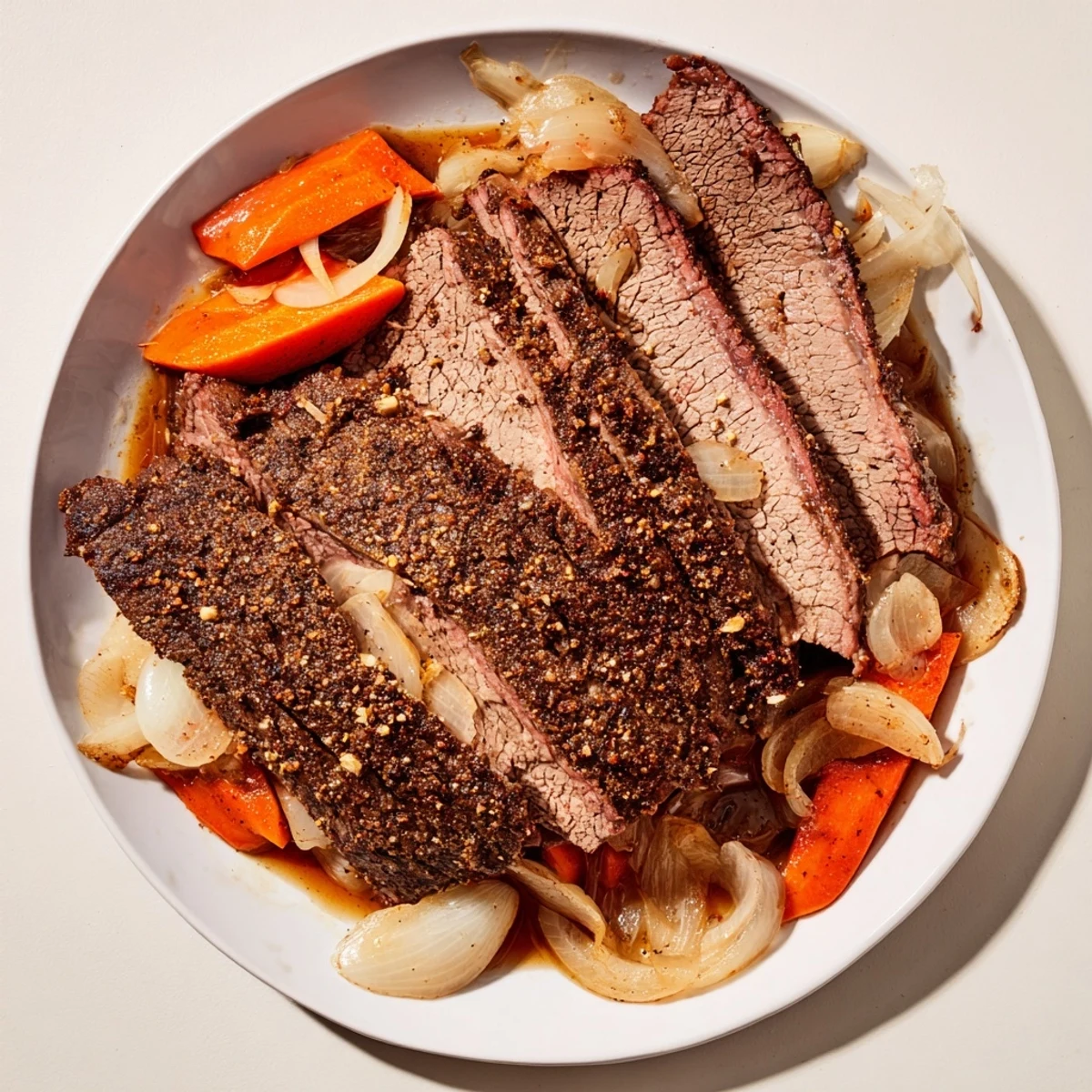
 This slow-cooked beef brisket achieves tender, flavorful meat through a blend of smoked paprika, garlic, and brown sugar spices. Slow braising with onions, garlic, carrots, broth, and optional red wine creates rich pan juices that keep the brisket moist and savory. After hours of gentle roasting, the meat rests to retain its juices and is sliced against the grain for maximum tenderness. Serving it alongside roasted vegetables or mashed potatoes highlights its hearty character.
There's something about a brisket that demands respect, the kind of dish that fills your kitchen with deep, beefy aromas and makes everyone start drifting toward the stove without even realizing it. I learned to make this one on a cold Sunday when my neighbor stopped by mid-afternoon and casually mentioned her oven was broken, so I found myself feeding six people with nothing but time and a massive hunk of meat. Four and a half hours later, when I pulled that pan out and the meat fell apart at the gentlest pressure of a fork, I understood why this cut has been celebrated for generations.
I made this for my sister's birthday potluck, and I remember standing in her kitchen at 8 PM, slicing into the brisket with the blade practically gliding through the meat, and her friend saying it tasted like we'd been cooking all day at some fancy steakhouse. That's when I realized this recipe had become my secret weapon for those moments when you want to seem like you've spent hours in the kitchen but you've mostly just been patient.
Ingredients
- Beef brisket (4 lb): Choose one with a thick fat cap on top; that fat melts into the meat and keeps everything moist and flavorful.
- Kosher salt: This is coarser than table salt, so it clings better to the meat and distributes the seasoning more evenly.
- Smoked paprika: This is the ingredient that gives brisket that subtle smokehouse depth without needing an actual smoker.
- Brown sugar: Just a touch creates a subtle caramelized crust when the meat starts to sear in the pan.
- Garlic powder and onion powder: These are non-negotiable; fresh garlic and onions go into the braising liquid, but the powders in the rub add concentrated flavor directly to the meat.
- Beef broth: Low-sodium is your friend here so you can control the salt level completely.
- Red wine: Optional but absolutely worth using; it adds body and richness to the pan juices that become your gravy.
- Worcestershire sauce: Just two tablespoons add umami depth that makes people ask what your secret is.
- Onions, garlic, and carrots: These create a flavor base under the brisket and break down into the braising liquid.
Instructions
- Set your oven and mix your rub:
- Preheat to 300°F and combine all the dry spices in a small bowl, stirring them together so the brown sugar doesn't clump up. The lower oven temperature is key here; it allows the meat to cook gently and evenly without the edges drying out.
- Prepare the brisket:
- Pat it completely dry with paper towels because moisture on the surface will prevent browning. Rub the spice mixture all over both sides and the edges, pressing gently so it adheres.
- Build your braising base:
- Layer the sliced onions, smashed garlic, and carrots in the bottom of your Dutch oven or roasting pan, then place the brisket fat-side-up on top. These vegetables will soften into the braising liquid and create a silky sauce.
- Pour in the liquid:
- Combine the broth, wine, and Worcestershire sauce in a measuring cup, then pour it around the brisket, not over it. You want the top to stay dry so any exposed meat can develop a subtle crust.
- Cover and braise low and slow:
- Tightly cover with foil or a lid and slide into the oven for 4 to 4.5 hours. The brisket is done when a fork inserted into the thickest part slides through with almost no resistance, like it's butter.
- Rest and slice:
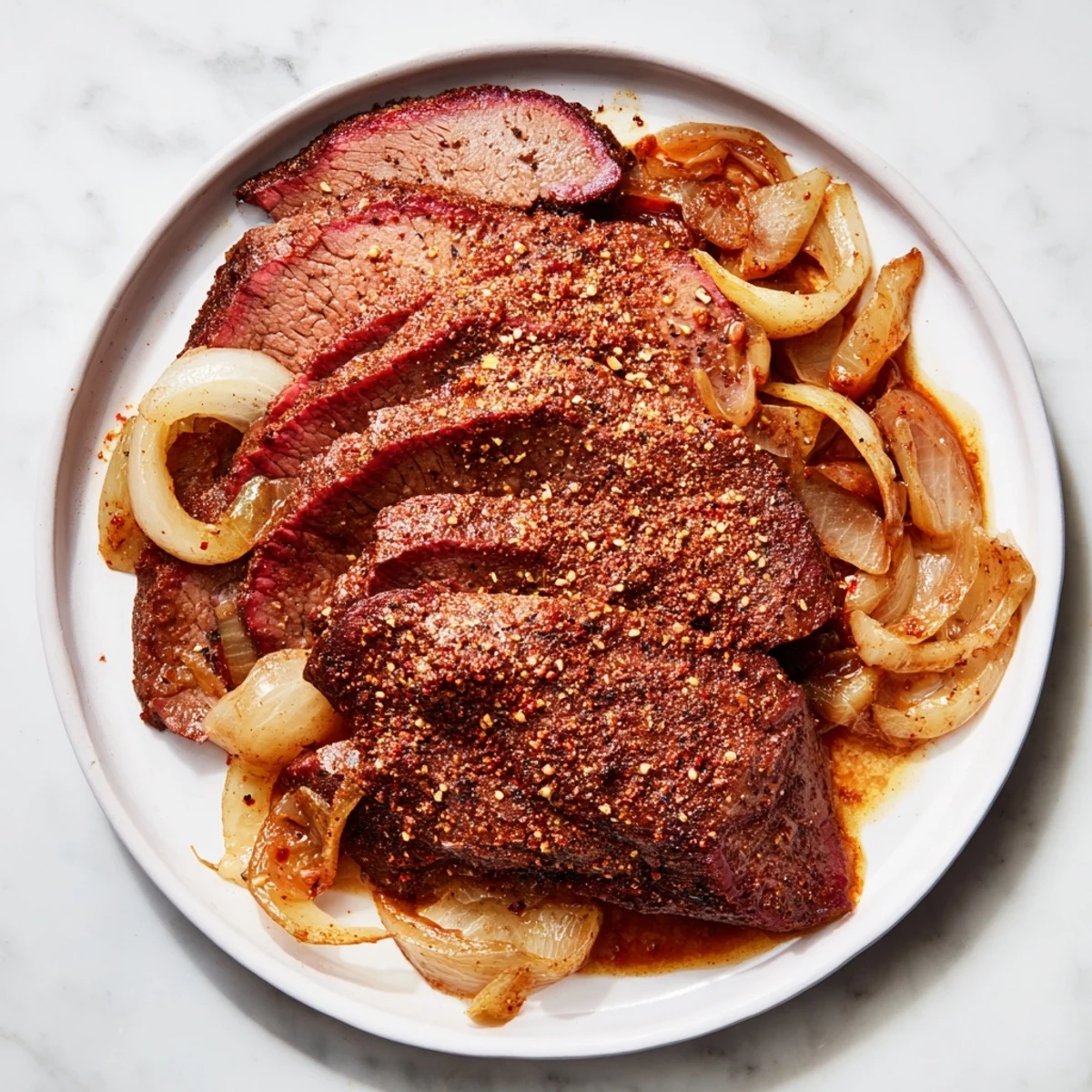
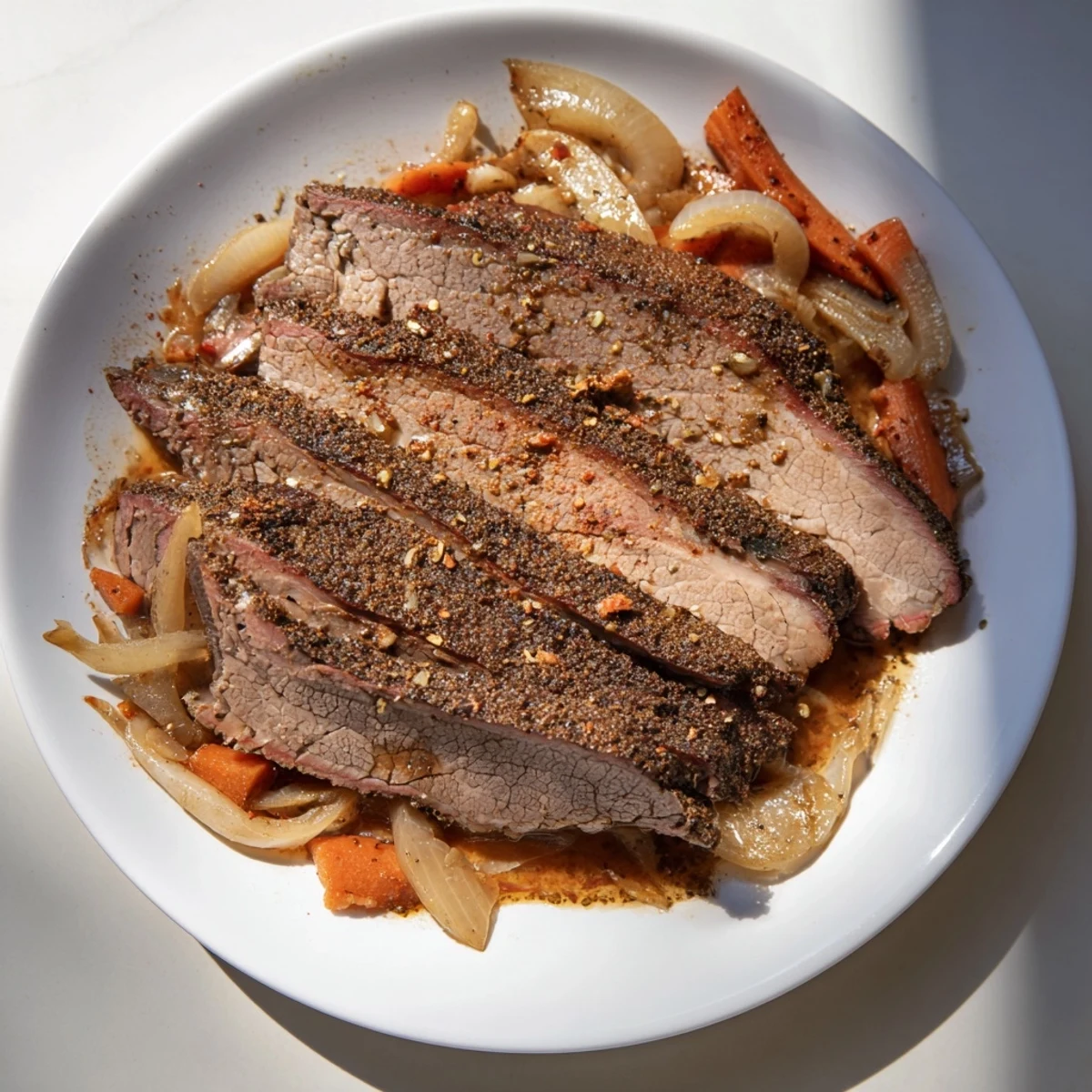
- Remove the pan from the oven and let the brisket rest covered for 20 minutes; this redistribution makes every slice juicier. Slice against the grain using a sharp knife, which shortens the muscle fibers and makes each bite more tender.
 Pin it
 I'll never forget the moment my dad, who is perpetually unimpressed by my cooking, took a bite of this brisket and just closed his eyes for a second. He didn't say anything elaborate, just asked if he could take the leftovers home, and somehow that meant more than any compliment.
Why Low and Slow Is Non-Negotiable
A brisket is full of connective tissue and fat, and those elements only break down into tenderness through gentle, prolonged heat. If you crank the oven to 375°F trying to speed things up, you'll end up with the outside overdone and the inside still tough. The 300°F temperature is almost meditative; it gives the collagen time to convert to gelatin without forcing the meat into submission, and the result tastes completely different from anything rushed.
The Magic of the Braising Liquid
That liquid surrounding the brisket isn't just there to keep it moist; it's absorbing all the flavors from the meat and vegetables, then reducing slightly as it simmers, creating something between a sauce and a gravy. When you finish cooking, you can pour it directly over the sliced brisket, or you can strain out the vegetables and reduce it further in a pan on the stovetop to concentrate the flavor even more. Either way, it's liquid gold.
Serving Ideas and Make-Ahead Wisdom
This brisket is gorgeous with creamy mashed potatoes or a pile of roasted root vegetables that have soaked up some of the pan juices. Coleslaw with a sharp vinegar dressing cuts through the richness beautifully, and leftover brisket becomes the best sandwiches or taco filling you've ever had. You can actually make this a day or two ahead and refrigerate it whole; the fat will solidify on top, making it even easier to slice cleanly, and the flavors will deepen as everything sits together.
- Serve with mashed potatoes, roasted carrots, or sharp vinegar slaw.
- Leftover brisket makes incredible sandwiches on rye with horseradish cream.
- Reheat gently covered in the oven so the meat doesn't dry out.
 Pin it
 Brisket is the kind of dish that transforms an ordinary evening into something memorable, mostly because you've put in the time to do it right. Make this when you want to feel like a proper cook without any actual stress.
Recipe FAQs
- → How do I ensure the brisket is tender?
-
Slow roasting at a low temperature for several hours breaks down connective tissue, resulting in tender meat. Letting it rest covered after cooking helps juices redistribute.
- → Can I substitute the red wine in the braising liquid?
-
Yes, you can replace red wine with additional beef broth for a milder flavor while maintaining the moisture needed for braising.
- → What spices enhance the brisket's flavor?
-
A rub of smoked paprika, garlic powder, onion powder, cumin, chili powder, brown sugar, salt, and pepper adds depth and a subtle smoky sweetness to the meat.
- → Is trimming the fat necessary before cooking?
-
Trimming excess fat helps reduce greasiness but leaving some fat maintains moisture and flavor during slow cooking.
- → How should I slice the brisket for serving?
-
Slice brisket against the grain to maximize tenderness and create easier-to-chew portions.
- → What side dishes pair well with slow-cooked brisket?
-
Mashed potatoes, roasted vegetables, or coleslaw complement the hearty, savory flavors of the brisket perfectly.