 Pin it
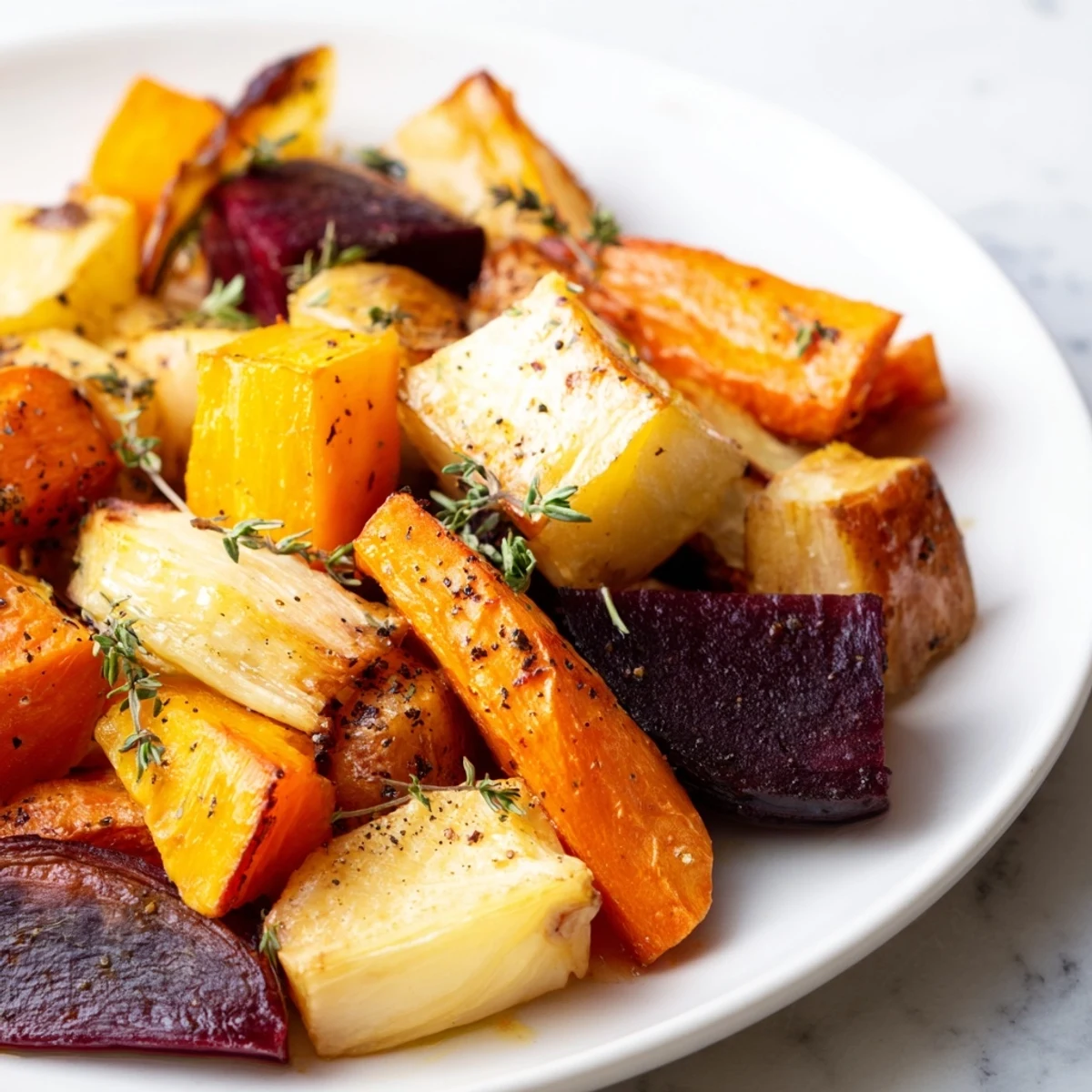
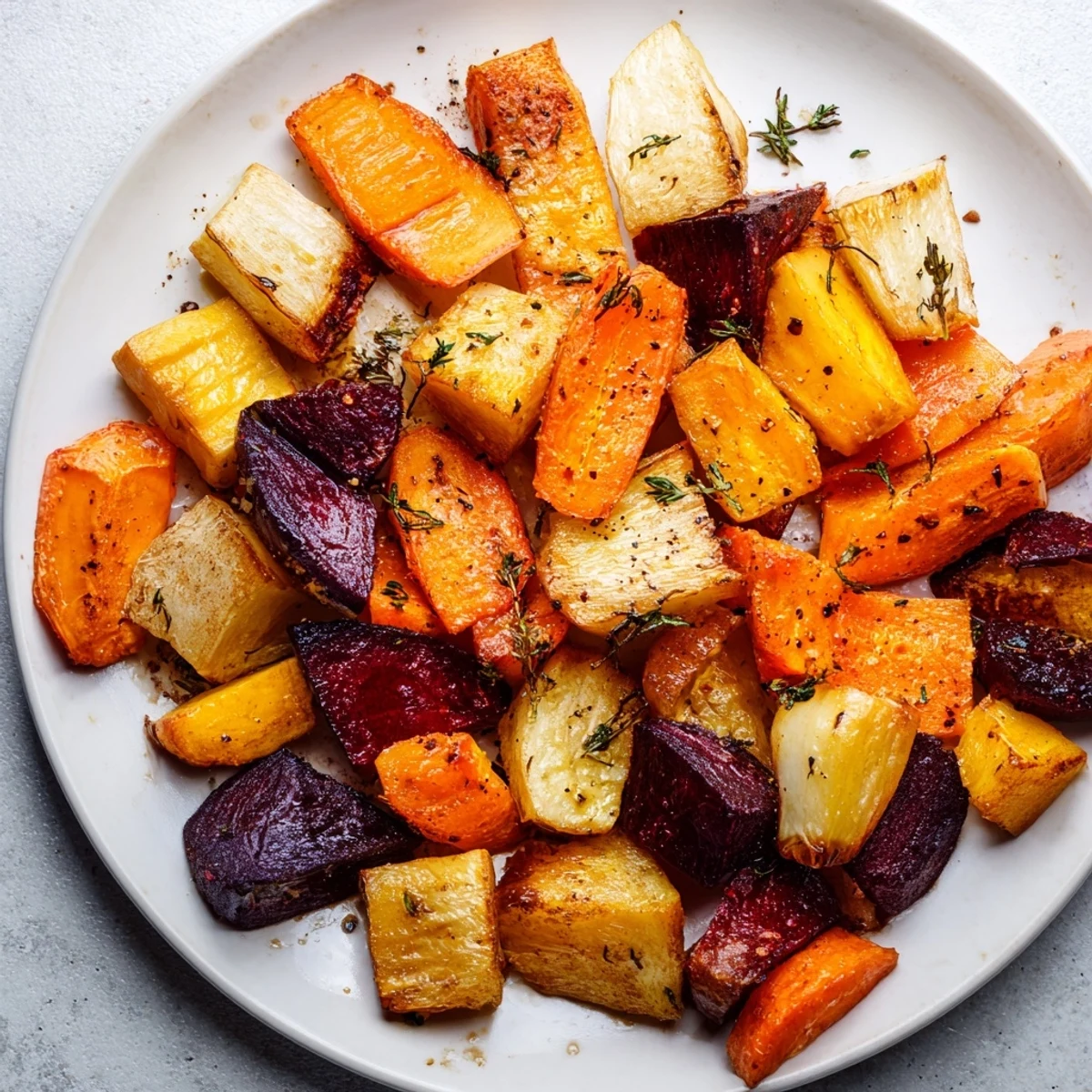
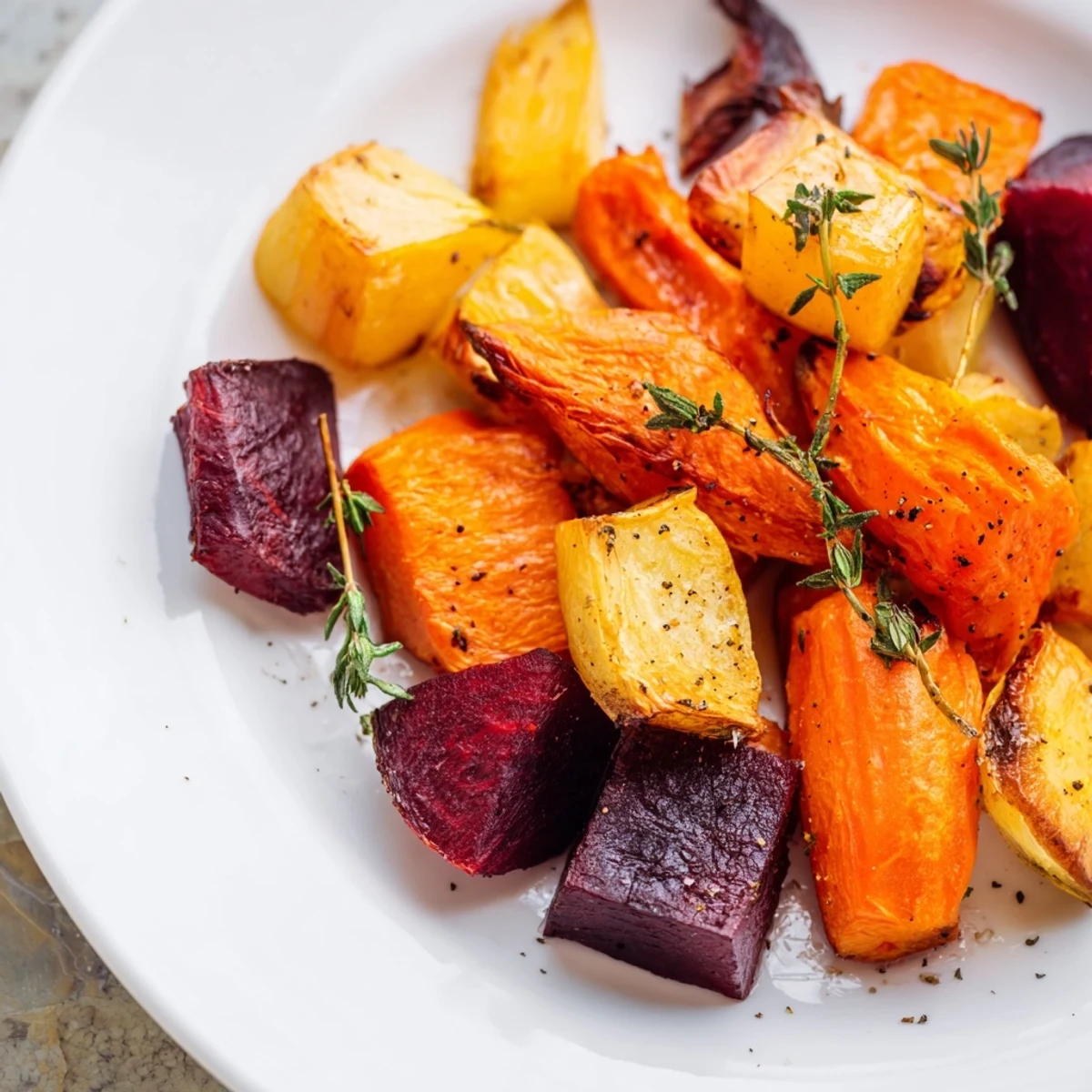
 This dish features a vibrant mix of carrots, parsnips, beets, and sweet potato, tossed with olive oil, fresh thyme, garlic, salt, and pepper. Roasting at high heat enhances the natural sweetness and tenderness of the vegetables, creating a perfectly caramelized and flavorful side. Simple to prepare and ideal for vegan and gluten-free diets, it pairs well with a variety of mains and can be customized with additional roots or a touch of honey.
There's something magical about the moment when roasted root vegetables emerge from the oven, their edges caramelized and nutty. I discovered this recipe on a crisp autumn afternoon while testing combinations of vegetables at a farmers market, watching how the natural sugars in beets and carrots intensified under heat. The thyme and garlic whispered into the background, letting each vegetable shine without fussiness. It's become my go-to side dish whenever I want something that feels both simple and special.
I remember the first time I made this for my sister's birthday potluck, and her partner—who claims he doesn't eat vegetables—came back for seconds with a look of genuine surprise. The golden edges had caught his attention, and the tender interiors won him over completely. That moment taught me something about how presentation and proper technique can change minds about food.
Ingredients
- Carrots: Their natural sweetness becomes almost caramel-like when roasted, and 1-inch chunks give you the perfect balance of tender interior and caramelized edges.
- Parsnips: More delicate and slightly floral than carrots, they add a sophisticated sweetness that surprises people who've only had them raw.
- Beets: These bring earthiness and gorgeous color—the chunks should be similar in size so they roast evenly and don't bleed too much into other vegetables.
- Sweet potato: One small one is enough to add subtle sweetness and creamy texture without overpowering the dish.
- Olive oil: Use a good quality oil that you enjoy the taste of, since it's a supporting player that still comes through.
- Fresh thyme: If you can get it, fresh thyme has a brighter note than dried, though dried works in a pinch—just use less.
- Garlic cloves: Smashed rather than minced means the cloves soften into the oil without burning, perfuming everything gently.
- Sea salt and black pepper: These seem basic, but they're the foundation that lets each vegetable taste like itself, only better.
Instructions
- Get your oven ready:
- Preheat to 425°F and line your baking sheet with parchment paper—this keeps cleanup simple and prevents sticking. The high heat is crucial for that caramelization magic.
- Prep and combine:
- Cut all your vegetables into roughly even 1-inch chunks so they roast at the same pace, then tumble them into a large bowl. Even sizing is the secret to vegetables finishing at the same time instead of some being raw while others burn.
- Dress the vegetables:
- Pour the olive oil over everything, scatter the thyme leaves and salt and pepper across the top, then nestle in those smashed garlic cloves. Toss with your hands or a spoon until every piece glistens with oil and looks seasoned.
- Spread and roast:
- Arrange the vegetables in a single layer on your baking sheet, trying not to crowd them too much—they need air around them to brown properly. Slide into the oven for 35–40 minutes, turning everything about halfway through with a spatula so the other sides can catch the heat and turn golden.
- Finish and serve:
- When a fork slides through the largest piece with gentle resistance, they're done. Remove the garlic cloves if you prefer a subtler flavor, taste for seasoning, and serve while they're warm and their edges are still a little crispy.
 Pin it
 One evening, while my partner and I were eating these roasted roots straight from the pan with just our hands and salt, we realized we'd skipped dinner and gone straight into grazing mode. That's when a dish stops being just a side and becomes something you think about days later, craving it again.
The Beauty of High Heat
The 425°F oven temperature does something that lower heat can't quite achieve—it creates contrast between the caramelized exterior and the creamy, sweet interior. This is where the flavor magic happens, and there's no shortcut for it. If your oven runs cool, you might need to bump it to 450°F and keep a closer eye on things around the 30-minute mark.
Variations Worth Trying
Once you've made this a few times, you'll start noticing other roots at the market and wondering how they'd work here. Turnips bring a peppery bite, rutabagas add subtle sweetness, and celeriac contributes earthiness and a creamy texture when roasted. You can also play with the herbs—rosemary, oregano, or even a pinch of cumin all have wonderful conversations with roasted roots.
Beyond a Simple Side
This dish transforms depending on what you pair it with and how you're thinking about it. Serve it alongside grilled chicken or fish, pile it on top of a grain bowl with something creamy, or let it cool and toss it into a grain salad with a sharp vinaigrette. One morning I even reheated leftovers and ate them cold with creamy goat cheese and fresh herbs, and it was its own kind of delicious.
- Cold roasted roots make a stunning salad when tossed with a sherry vinaigrette and toasted nuts.
- Mash leftover roasted roots with a little butter or olive oil for a rustic side that's deeper in flavor than regular mashed vegetables.
- If you're adding these to a hearty salad, let them cool completely first so they don't wilt the greens.
 Pin it
 This simple recipe has taught me more about letting good ingredients speak for themselves than almost anything else I've cooked. When you roast vegetables this way, you're not masking them or complicating them—you're just bringing out what was already there.
Recipe FAQs
- → What vegetables are best for roasting in this dish?
-
Carrots, parsnips, beets, and sweet potatoes are excellent choices as they become tender and sweet when roasted.
- → How does thyme enhance the flavor of the vegetables?
-
Thyme adds a fragrant, earthy aroma that complements the natural sweetness and depth of roasted root vegetables.
- → Can I use dried thyme instead of fresh?
-
Yes, dried thyme works well—use about one-third the amount of fresh thyme to maintain balanced flavor.
- → What is the ideal roasting temperature and time?
-
Roast at 425°F (220°C) for 35–40 minutes, turning once halfway to ensure even caramelization and tenderness.
- → Are there ways to vary this dish?
-
You can add other root vegetables like turnips or rutabaga and finish with a drizzle of honey for added sweetness if not vegan.
- → What tools do I need for preparation?
-
A large mixing bowl, chef’s knife, cutting board, baking sheet, and optionally parchment paper and a spatula.