 Pin it
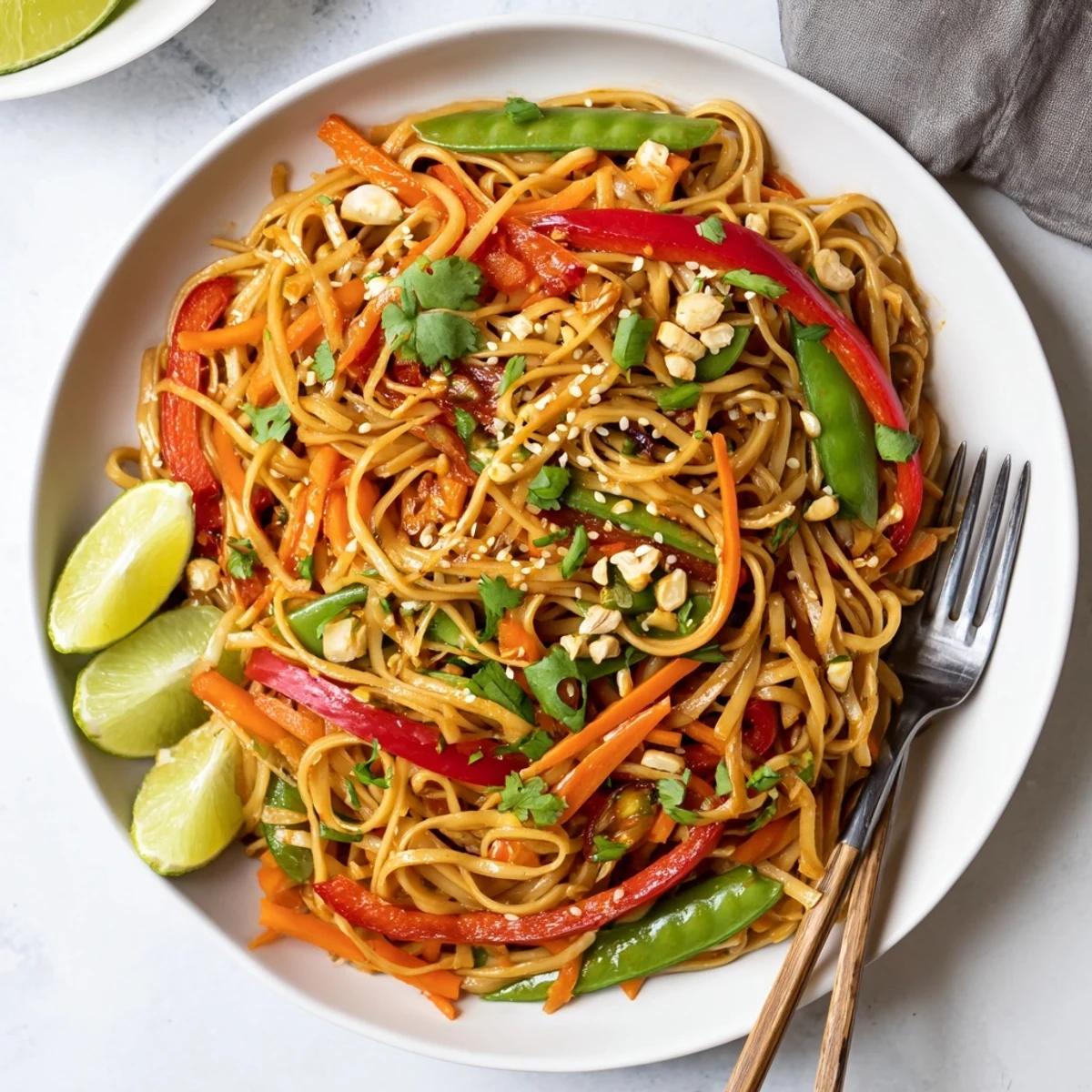
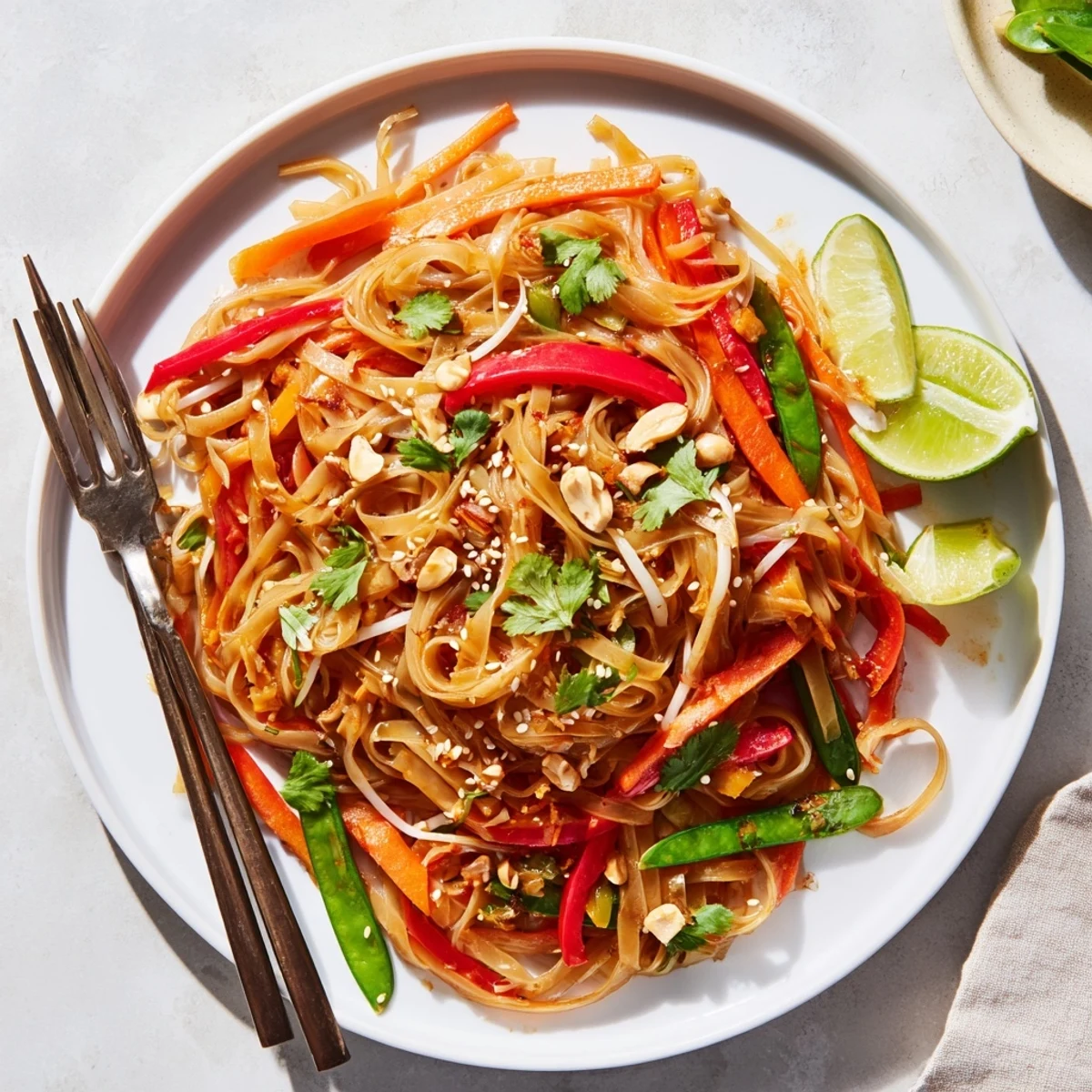
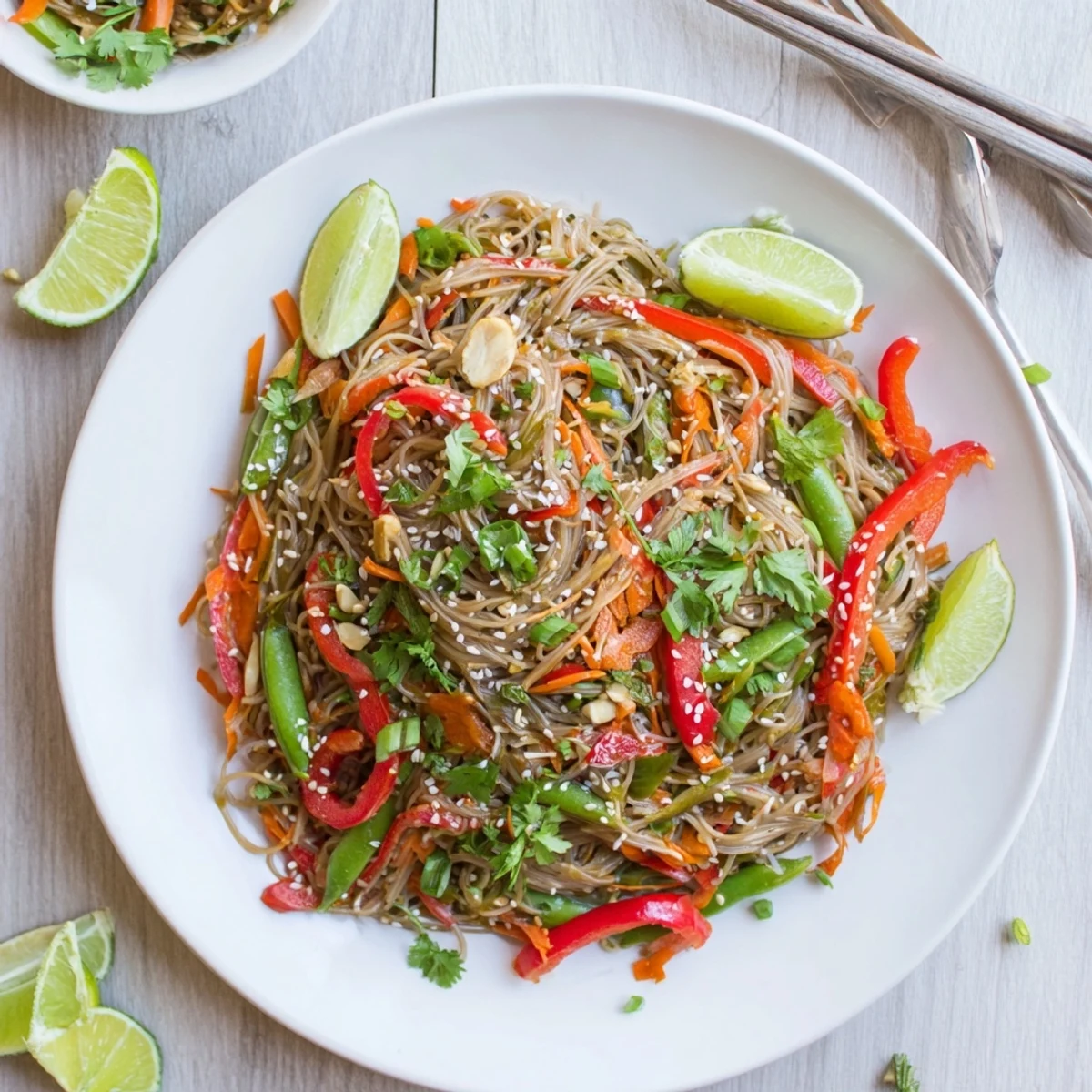
 This vibrant stir fry combines tender rice noodles with crisp julienned carrots, bell peppers, snap peas, and aromatic vegetables. The savory sauce brings together soy, oyster sauce, sesame oil, and rice vinegar for a perfect balance of flavors. Ready in just 30 minutes, this versatile dish works beautifully as a quick weeknight dinner and can be easily adapted with your favorite vegetables or proteins like tofu, shrimp, or chicken.
The first time I attempted rice noodles in a regular skillet, they stuck together in one giant clump. My roommate laughed as I tried to untangle the mess with chopsticks, but that night taught me everything about heat control and having everything ready before you start cooking.
Last Tuesday my friend dropped by unexpectedly after work, starving and slightly defeated. I threw this together in under twenty minutes while she sat on my counter, and watching her face light up after the first bite reminded me why stir fry will never go out of style.
Ingredients
- 250 g dried rice noodles: These soak up flavor beautifully and have that perfect springy texture that never fails
- 1 medium carrot, julienned: Adds sweetness and crunch that holds up against the soft noodles
- 1 red bell pepper, thinly sliced: Brings color and a subtle sweetness that balances the salty sauce
- 100 g snap peas, trimmed: Fresh snap peas burst when you bite them, adding bright pops to every forkful
- 1 small onion, thinly sliced: Sweetens as it cooks and forms the aromatic foundation
- 2 cloves garlic, minced: Fresh garlic makes all the difference here, do not skip it
- 2 spring onions, sliced: Fresh finish that cuts through the rich sauce
- 100 g bean sprouts: These stay crisp no matter what and add incredible texture
- 3 tbsp soy sauce: The savory backbone, use tamari if you need it gluten free
- 1 tbsp oyster sauce: Deep umami that makes the sauce taste restaurant quality
- 1 tbsp sesame oil: Toasted sesame oil adds that unmistakable nutty aroma
- 1 tbsp light brown sugar: Just enough to balance the salt and help the sauce cling to noodles
- 1 tsp rice vinegar: Brightens everything so the sauce never feels heavy
- 1/2 tsp chili flakes: Optional warmth that builds gently, adjust to your taste
- 2 tbsp fresh cilantro, chopped: Brings fresh herbal notes that wake up the whole dish
- 1 tbsp toasted sesame seeds: Final crunch and nutty flavor that makes it look finished
- Lime wedges: A squeeze right before serving transforms the entire bowl
Instructions
- Prep your noodles:
- Soak rice noodles in warm water until just tender, then drain them well and set aside. Do not oversoak or they will turn mushy when you stir fry them.
- Whisk the sauce:
- Mix soy sauce, oyster sauce, sesame oil, brown sugar, rice vinegar, and chili flakes in a small bowl until sugar dissolves completely.
- Heat your wok:
- Get your wok or skillet smoking hot over medium high heat, then add a splash of oil and toss in garlic and onion. Stir fry for just one minute until you can smell the garlic everywhere.
- Add the harder vegetables:
- Throw in carrot, bell pepper, and snap peas and stir fry for two to three minutes. You want them crisp tender, still with a bite to them.
- Combine everything:
- Add the drained noodles and bean sprouts to the wok, then pour that sauce you made over everything. Toss constantly for two to three minutes until every strand is coated and glossy.
- Finish with fresh garnish:
- Remove from heat immediately and scatter spring onions, cilantro, and sesame seeds over the top. Serve with lime wedges on the side so everyone can add their own squeeze.
 Pin it
 This recipe saved me during my first year of teaching when I would come home exhausted but still wanted something that felt like a real meal. Now it is the dish I make for friends who say they cannot cook, watching them realize stir fry is actually forgiving and fun.
Getting The Right Noodle Texture
The secret to perfect rice noodles is soaking them just until they bend easily between your fingers. They should still feel slightly firm in the center because they will finish cooking in the sauce. If they are already soft when they hit the pan, they will break apart and turn gummy no matter how fast you stir fry.
Making It Your Own
Once you have the basic technique down, this recipe becomes a template for whatever you have in your refrigerator. I have made it with mushrooms, bok choy, baby corn, and even shredded cabbage when that was all I had. The sauce works with almost any vegetable combination, just remember to add harder vegetables first and softer ones later.
Perfecting The Sauce Balance
Every brand of soy sauce has a different salt level, so taste your sauce before you add it to the pan. It should taste slightly saltier and sweeter than you want the final dish to taste because the noodles will absorb some of that intensity as they cook. Adjust with a splash more vinegar or a pinch more sugar until it tastes exactly right to you.
- Double the sauce recipe if you love noodles that swim in flavor
- Add a teaspoon of cornstarch if you prefer a thicker, clingier sauce
- Keep bottled chili paste on the table for those who want extra heat
 Pin it
 The best stir frys are the ones made while someone sits at your counter, talking and laughing as you cook. This dish brings people together faster than anything else I know.
Recipe FAQs
- → How do I prevent rice noodles from sticking together?
-
Soak noodles according to package instructions until just tender, then drain well. Toss them immediately with the sauce in the wok to prevent sticking. Avoid over-soaking as this makes them gummy.
- → Can I make this gluten-free?
-
Yes, use gluten-free tamari instead of regular soy sauce and ensure your oyster sauce is certified gluten-free. Double-check all sauce labels for hidden gluten ingredients.
- → What vegetables work best in this stir fry?
-
Carrots, bell peppers, snap peas, and bean sprouts provide great texture and crunch. You can also add broccoli, baby corn, mushrooms, or bok choy based on preference and seasonality.
- → How can I add more protein?
-
Crispy tofu, sliced chicken breast, or shrimp work wonderfully. Cook your protein separately before adding vegetables, or add tofu directly with the vegetables. Adjust cooking time accordingly.
- → Can I prepare the sauce ahead of time?
-
Absolutely. Mix the sauce ingredients together and store in an airtight container in the refrigerator for up to a week. This makes the actual cooking process even faster on busy nights.
- → How do I store and reheat leftovers?
-
Store in an airtight container in the refrigerator for up to 3 days. Reheat gently in a skillet with a splash of water or oil to prevent drying out, adding fresh garnishes before serving.