 Pin it
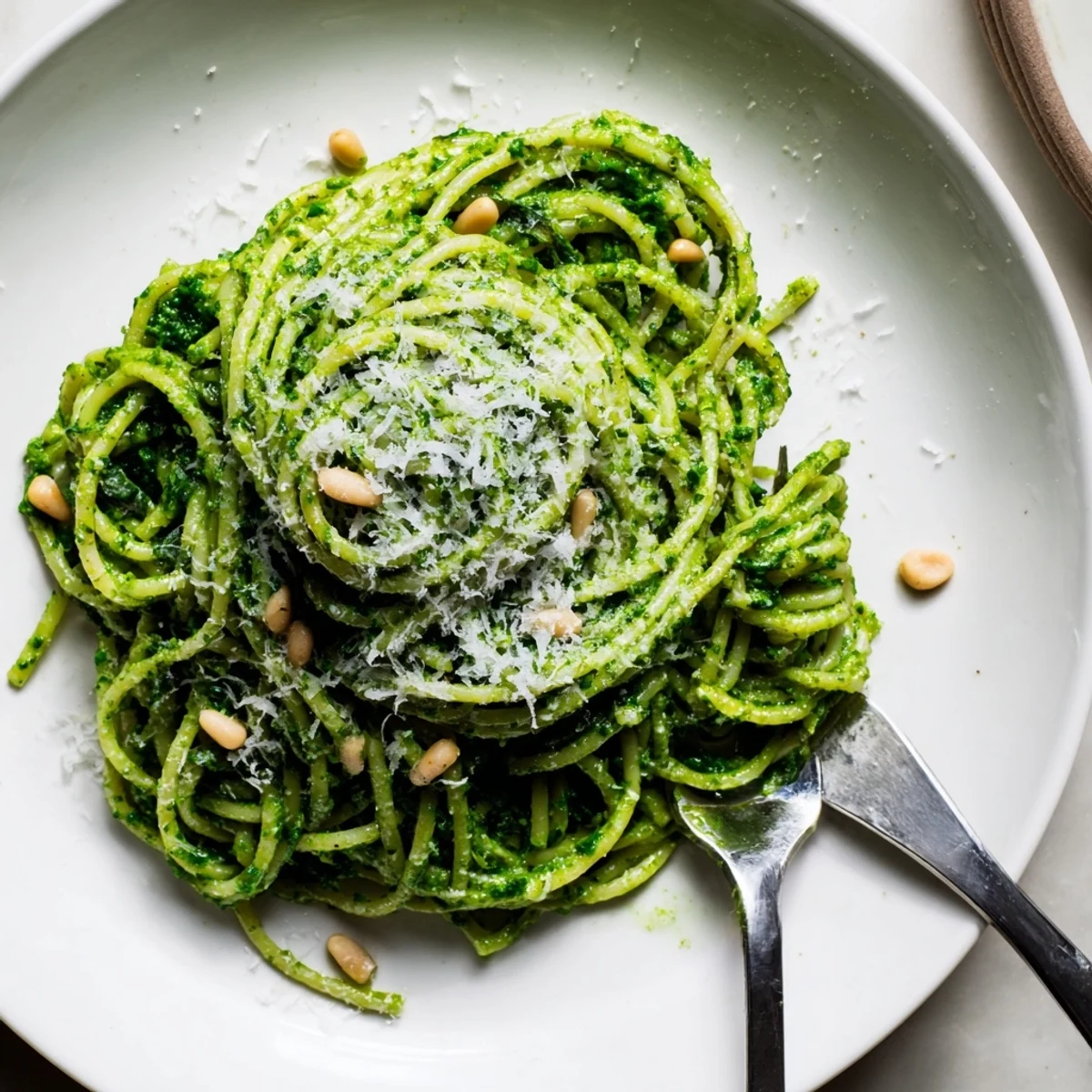
 This wild garlic pesto pasta brings the fresh, bold flavors of spring straight to your plate in just 25 minutes. The pesto comes together by blending wild garlic leaves with toasted pine nuts, Parmesan, a hint of lemon, and quality olive oil into a vivid green sauce that clings beautifully to every strand.
Tossed with perfectly cooked al dente pasta and finished with extra Parmesan and cracked pepper, it's a simple yet impressive dish that celebrates seasonal ingredients at their best.
The smell hit me before I even saw the leaves, a pungent, almost reckless greenness that stopped me mid-stride at the farmers market stall. Wild garlic season is maddeningly brief, maybe six weeks if you are lucky, and I grabbed two enormous bunches without any plan beyond sheer greed. That evening my kitchen smelled like a forest floor after rain, and I have been making this pesto every spring since.
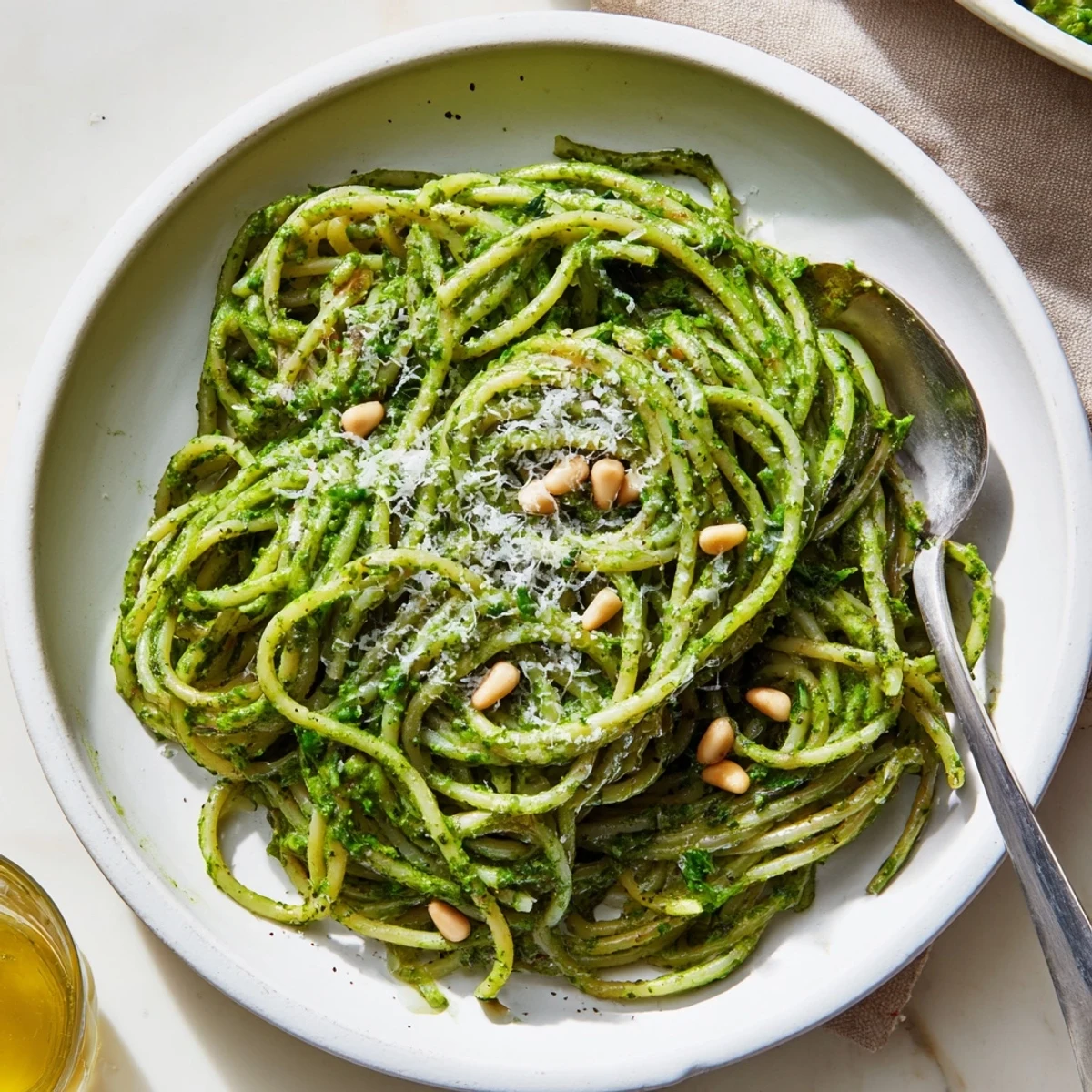
I once brought a big bowl of this to a picnic where three strangers asked for the recipe before dessert even appeared. Something about that vivid green color against white plates makes people curious, and the taste seals the deal.
Ingredients
- 75 g wild garlic leaves: Rinse them thoroughly and pat completely dry because excess water turns pesto murky and dilutes the flavor.
- 50 g toasted pine nuts or walnuts: Toast them in a dry pan until just golden, watching like a hawk because they burn in seconds.
- 50 g freshly grated Parmesan cheese: Grate it yourself from a block, pre grated varieties contain anti caking agents that make the sauce grainy.
- 1 garlic clove: Just one, since wild garlic already carries a strong allium punch.
- 100 ml extra virgin olive oil: Use a decent one here, its flavor is front and center.
- Half a lemon, juiced: This brightens everything and keeps the green color from oxidizing.
- Salt and black pepper: Season gradually and taste as you go.
- 400 g dried pasta: Spaghetti, linguine, or penne all work beautifully.
- Extra Parmesan and black pepper for garnish: Entirely optional but honestly not optional at all.
Instructions
- Boil and cook the pasta:
- Bring a large pot of well salted water to a rolling boil and cook the pasta until just al dente. Scoop out half a cup of that starchy water before draining, it is liquid gold for loosening the sauce later.
- Build the pesto base:
- Toss the wild garlic leaves, toasted nuts, Parmesan, and garlic clove into a food processor. Pulse until everything is roughly chopped but not yet a paste, you want some texture left.
- Stream in the oil:
- With the motor running, pour the olive oil in a slow, steady stream until the mixture transforms into a vibrant green paste. Add the lemon juice, then salt and pepper, tasting until it sings.
- Marry pasta and pesto:
- Tip the drained pasta back into its warm pot, add the pesto, and toss vigorously. Splash in reserved pasta water a little at a time until every strand is coated in something silky.
- Plate and finish:
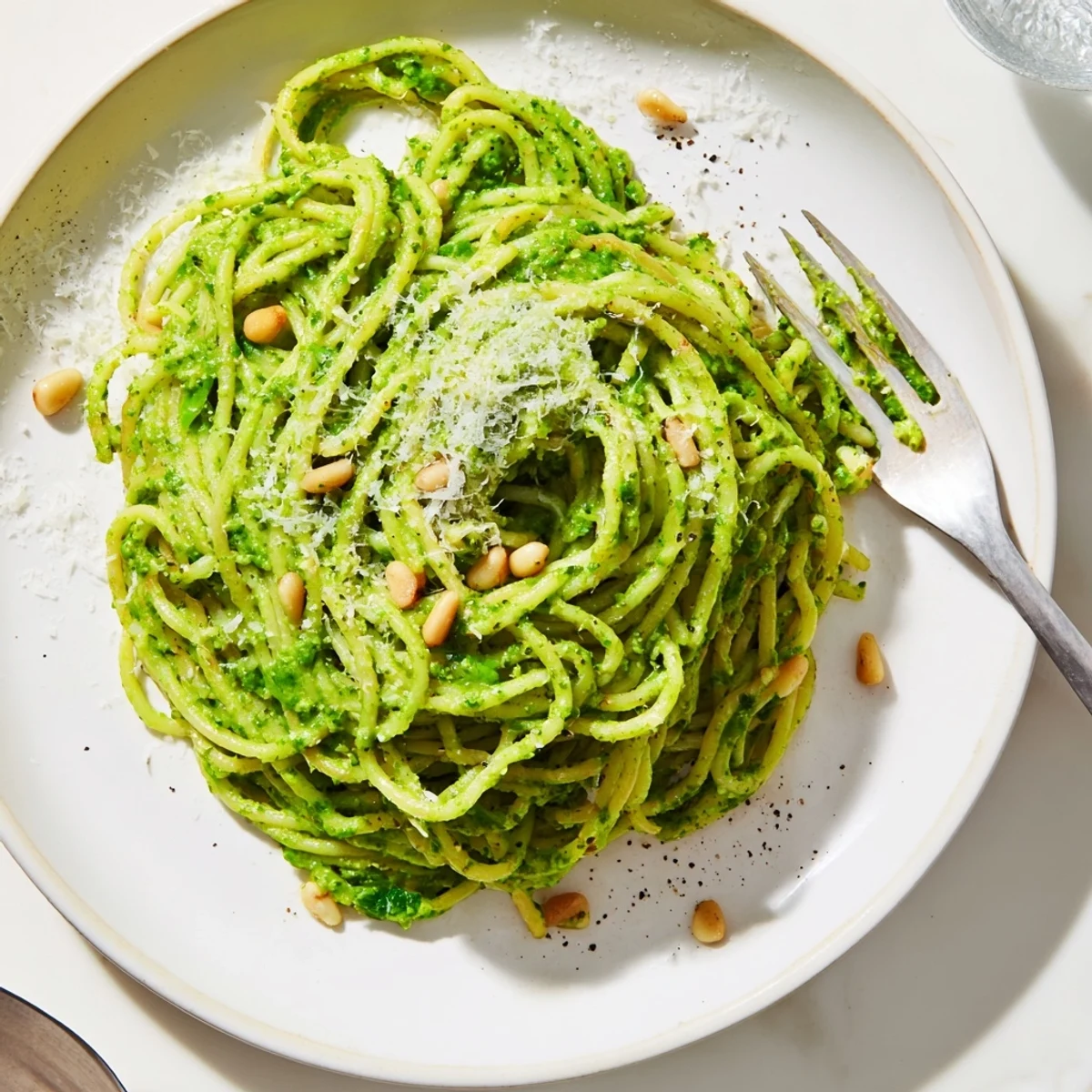
- Divide among bowls immediately and shower with extra Parmesan and a generous crack of black pepper. Eat it while it is hot and the green is still glowing.
 Pin it
 One rainy April evening my neighbor knocked on my door to return a borrowed book, caught a whiff of the pesto, and ended up staying for dinner with a glass of wine and a second helping.
Making It Your Own
Pine nuts are traditional but wildly expensive, so I have used toasted almonds, cashews, and even sunflower seeds with great results. Each nut shifts the personality slightly, sunflower seeds make it earthier, cashews lend a gentle creaminess, and almonds add a toasty warmth.
Keeping It Vegan
Swap the Parmesan for nutritional yeast and suddenly you have something entirely plant based that still tastes rich and savory. Start with three tablespoons of nutritional yeast, taste, and add more if the sauce needs depth.
Wine Pairings and Leftover Magic
A cold glass of Sauvignon Blanc or Pinot Grigio beside this pasta is one of lifes simplest pleasures. Leftover pesto will keep in the fridge for up to three days, and it is sensational smeared on toast or dolloped onto roasted vegetables.
- Stir leftover pesto into mayonnaise for an outrageous sandwich spread.
- Freeze extra pesto in ice cube trays for a taste of spring in winter.
- Never reheat pesto directly on high heat or it will turn bitter and lose its color.
 Pin it
 Spring dishes have a way of reminding you that good food does not need complexity, just timing and beautiful ingredients. Make this once and you will find yourself counting down the days until wild garlic appears again.
Recipe FAQs
- → Can I use regular garlic instead of wild garlic?
-
Wild garlic has a milder, more delicate flavor than regular garlic with distinct grassy, spring-like notes. If substituting, use a mix of fresh spinach or basil blended with one clove of garlic to approximate the flavor, though it won't be identical.
- → Where can I find wild garlic leaves?
-
Wild garlic (also called ramsons) is available during spring, typically March through May. Look for it at farmers' markets, specialty grocers, or forage it in woodland areas where it grows abundantly. Ensure proper identification if foraging.
- → What pasta shapes work best with this pesto?
-
Long strands like spaghetti or linguine are classic choices that allow the pesto to coat evenly. Short shapes like penne or fusilli also work well, as their ridges and curves hold the sauce effectively. Choose whatever your household prefers.
- → How do I store leftover wild garlic pesto?
-
Transfer leftover pesto to a jar, press plastic wrap directly on the surface to minimize air contact, and refrigerate for up to 3 days. You can also freeze it in ice cube trays for up to 3 months, then thaw portions as needed.
- → Can I make this dish vegan?
-
Absolutely. Replace the Parmesan with nutritional yeast or a store-bought vegan Parmesan alternative. The nutty, savory character will still come through beautifully from the pine nuts and olive oil, and the wild garlic flavor remains the star.
- → Why reserve pasta water before draining?
-
Pasta water contains starch that helps the pesto adhere to the pasta and creates a silky, emulsified sauce. Adding a splash while tossing brings everything together and prevents the dish from feeling dry or heavy.