 Pin it
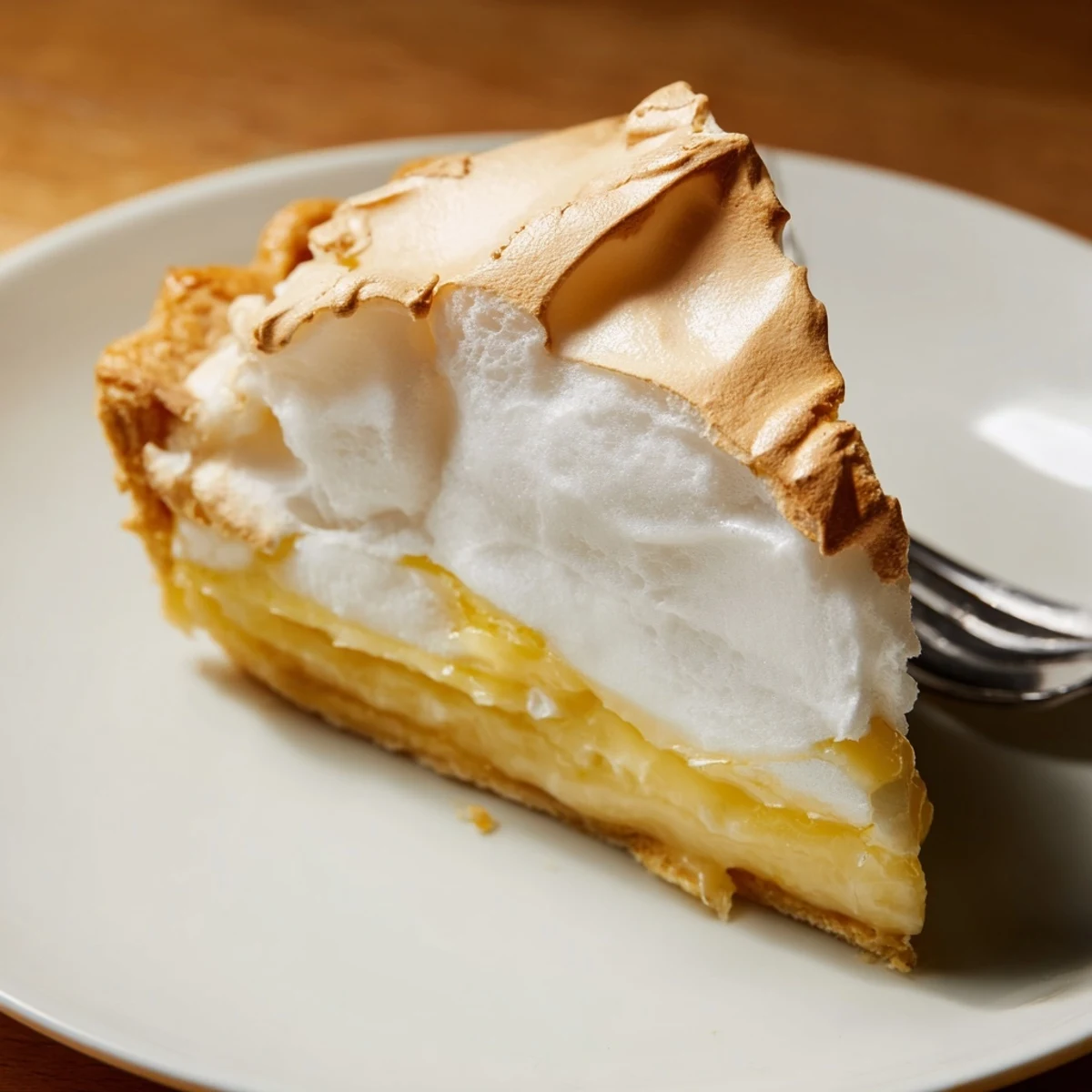
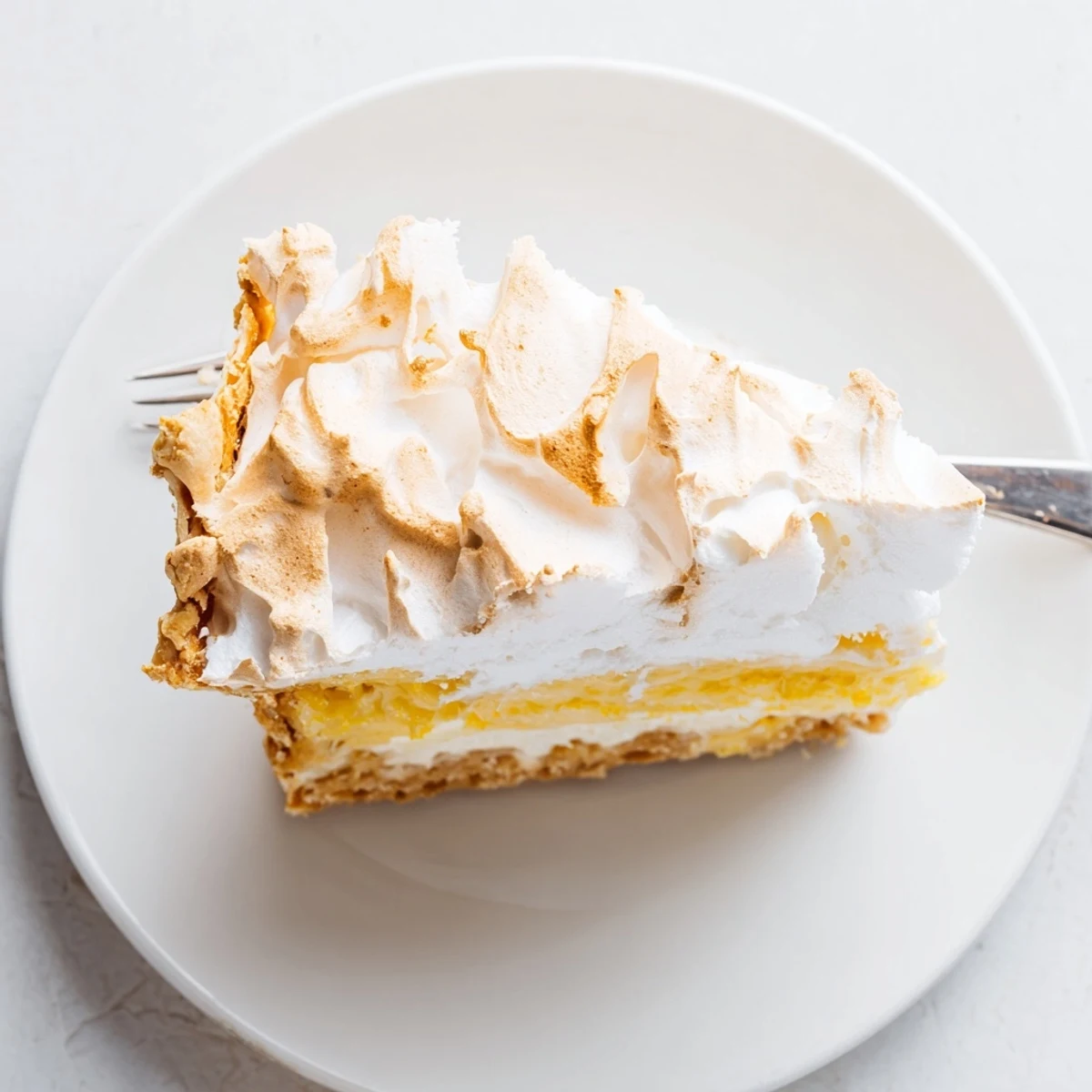
 This dessert features a crisp pastry crust filled with tangy lemon curd and crowned with a cloud of golden, airy meringue. The pastry is baked to golden perfection, while the lemon filling combines fresh juice and zest with a silky texture. The meringue is whipped to stiff peaks and gently baked until lightly browned, creating a beautiful contrast of textures and flavors. It’s best served chilled, making it a refreshing and elegant treat.
There's something magical about the moment you pull a lemon meringue pie from the oven and watch the meringue crown turn from pale to golden—it happened to me on a sweltering July afternoon when my aunt challenged me to make her legendary dessert. I'd watched her make it a dozen times, thinking I knew the secrets, but standing at my own counter with flour dusting my apron, I realized this wasn't just another dessert. It was a puzzle that required patience, precision, and a little bit of faith that those stiff peaks would hold their shape.
I'll never forget serving this pie at my brother's birthday dinner, watching everyone take that first forkful and go quiet for just a moment. Someone asked for the recipe before they'd finished eating, and my mom raised her eyebrows at me like I'd performed a small miracle. That's when I knew I'd finally earned the right to call it my own.
Ingredients
- All-purpose flour: Use cold ingredients for the crust—if your butter gets warm, you'll lose those delicate flaky layers.
- Cold unsalted butter: Cut it into small cubes and keep it in the freezer until you're ready to rub it into the flour.
- Granulated sugar: You'll use it three times over—crust, filling, and meringue—so don't skip measuring.
- Egg yolk and egg whites: Separate them carefully; even a tiny bit of yolk will prevent your whites from whipping into peaks.
- Ice water: Add it a tablespoon at a time so your dough doesn't get tough.
- Salt and cornstarch: The cornstarch thickens the filling into silky custard; salt brings out the lemon's brightness.
- Freshly squeezed lemon juice: Bottled juice tastes flat—squeeze your own and taste it first, adjusting if needed.
- Lemon zest: Grate it fresh right before adding so the oils stay vibrant.
- Cream of tartar: This stabilizes the egg whites, making your meringue less likely to weep.
- Vanilla extract: Just a whisper at the end, but it rounds out the sweetness beautifully.
Instructions
- Make the crust foundation:
- Preheat your oven to 375°F and work quickly with cold butter, rubbing it into the flour until the mixture feels like coarse sand between your fingers. Add the egg yolk and just enough ice water to bring the dough together—overworking it makes it tough, so stop as soon as you can form it into a disk.
- Chill and shape:
- Wrap the dough and let it rest for 30 minutes in the fridge while you take a breath. Roll it out between two sheets of parchment to prevent sticking, then fit it into your pie dish, trim the edges, prick the base with a fork, and line it with parchment and baking beans to prevent it from puffing up.
- Par-bake the crust:
- Bake for 15 minutes until the edges start to color, remove the beans and parchment, then bake another 10 minutes until it's lightly golden. You want it partially cooked but not fully done, so it stays crisp under the filling.
- Build the lemon filling:
- In a saucepan, whisk together sugar, cornstarch, and salt, then gradually add water while stirring to avoid lumps. Cook over medium heat, stirring often, until it thickens and bubbles—this takes about 5 minutes and you'll feel it transform from watery to glossy.
- Temper the egg yolks:
- Whisk the egg yolks in a bowl, then very slowly pour in a few spoonfuls of the hot mixture while whisking constantly to warm them gently. Pour the warmed yolks back into the saucepan with the rest of the filling and cook for 2 minutes, stirring constantly, so they cook through without scrambling.
- Finish with brightness:
- Remove from heat and stir in the fresh lemon juice, zest, and butter until it's smooth and glossy, then pour it into your cooled crust. The filling will be warm and slightly runny, but it sets as it cools.
- Whip the meringue:
- In a scrupulously clean bowl, beat the egg whites with cream of tartar until soft peaks form, then gradually add the sugar while continuing to beat until the peaks are glossy and stiff. The transformation happens quickly, so watch carefully—you want peaks that stand straight up when you lift the beaters.
- Crown and bake:
- Spread the meringue over the still-warm filling, making sure it touches the crust all the way around to seal it and prevent shrinking. Swirl the top with the back of a spoon for decorative peaks, then bake for 10 to 12 minutes until it's golden brown and feels just slightly set on top.
- Cool with intention:
- Let the pie cool to room temperature on the counter—don't rush it into the fridge or the meringue may weep. Once it's cool, chill it for at least 2 hours before slicing so the filling sets completely and the flavors meld.
 Pin it
 Years later, I understood why my aunt had let me watch so many times without stepping in—she was waiting for the moment I'd care enough to get it right. This pie isn't forgiving of shortcuts or indifference, but it rewards attention with something genuinely beautiful.
The Crust Secret
The difference between a crust that shatters with joy and one that's tough comes down to two things: keeping everything cold and knowing when to stop mixing. I used to over-work my dough, thinking more effort meant better results, until I watched a baker's hands move confidently through the flour for just thirty seconds. The less you touch the dough, the more butter stays separate and distinct, creating those flaky layers that make people close their eyes when they bite down.
Lemon Filling Temperament
The filling is really just a lemon custard, and the key is understanding that you're cooking the egg yolks gently so they thicken everything without turning scrambled. When you add hot liquid to cold egg yolks without tempering them first, they seize up in little flecks that ruin the silky texture. I learned this by making the mistake once—slowly whisking in the hot mixture teaches the eggs to relax and accept the heat, then they do their job of thickening the whole filling into something that's both tangy and luxurious.
Meringue That Doesn't Weep
Weeping meringue—that watery layer that pools under the topping—happens when the egg whites are too warm or when you don't seal the edges to the crust properly. I've also noticed that slicing with a hot, wet knife prevents the meringue from shattering into shards, and that serving the pie cold rather than at room temperature helps it hold its shape on the plate. The three essentials are always clean equipment, proper cooling time, and a complete seal.
- Use a serrated knife dipped in hot water and wiped clean between each slice for the cleanest cuts.
- Serve cold from the fridge so the meringue stays set and the filling has time to fully gel.
- Store covered in the fridge for up to three days, though it's usually gone by day two.
 Pin it
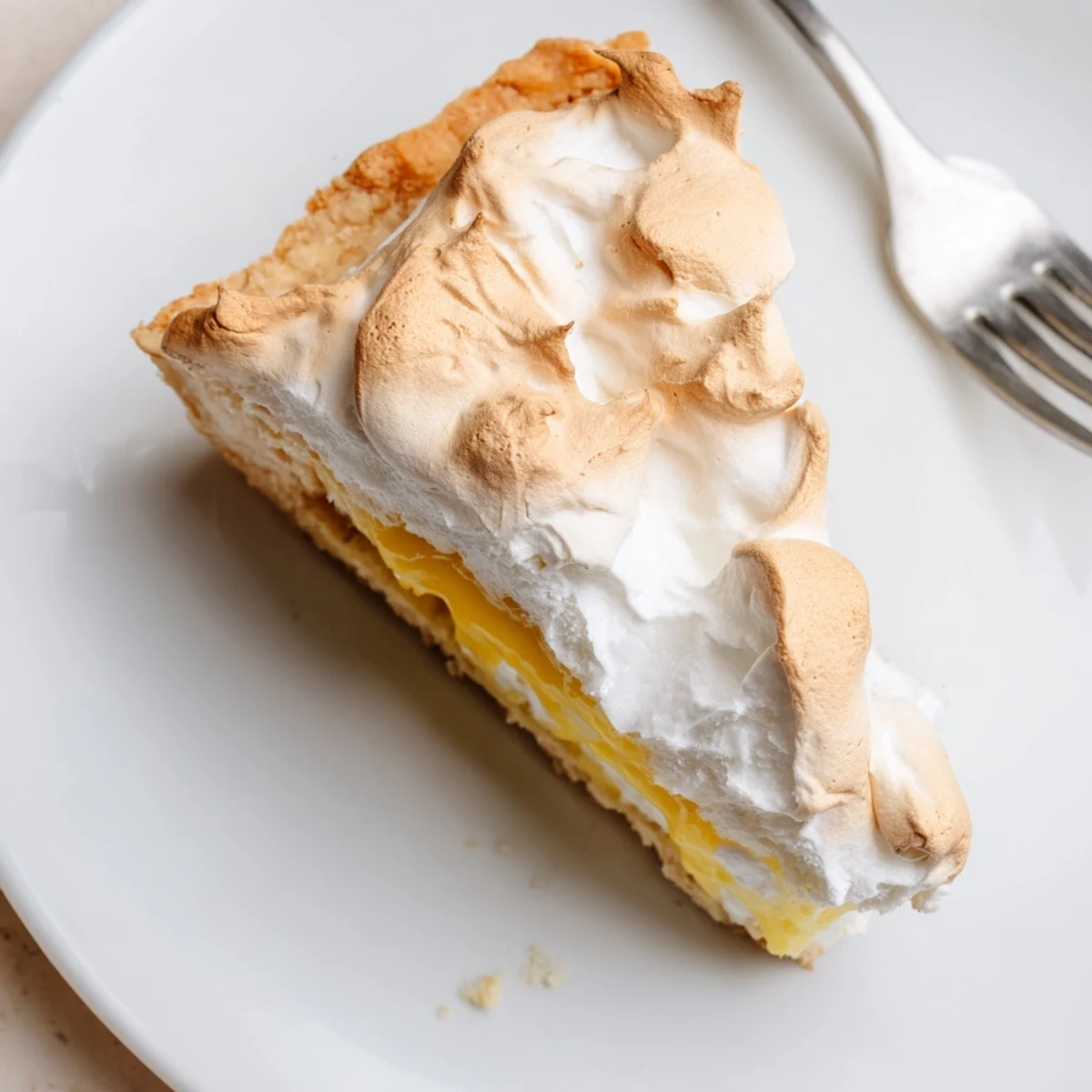
 Lemon meringue pie teaches patience in the kindest way—it's forgiving enough that your mistakes become lessons, not disasters, and rewarding enough that you'll want to make it again the moment someone asks. When you pull it from the oven and see that golden crown, you'll understand exactly what took me so long to get it right.
Recipe FAQs
- → How do I make the pastry crust crisp?
-
Use cold butter cut into flour and sugar, and chill the dough before baking to achieve a flaky, crisp texture.
- → What ensures the lemon filling thickens properly?
-
Gradually whisking cornstarch and sugar into water and cooking until bubbling helps thicken the lemon curd smoothly.
- → How can I prevent meringue from weeping?
-
Fully cover the lemon filling with meringue and bake until the surface is golden and firm to avoid moisture leakage.
- → What is the best way to get stiff meringue peaks?
-
Beat egg whites with cream of tartar until soft peaks form, then add sugar gradually and beat until glossy stiff peaks appear.
- → Can I prepare this dessert ahead of time?
-
Yes, it’s best chilled for at least two hours after baking to allow flavors to meld and textures to set.