 Pin it
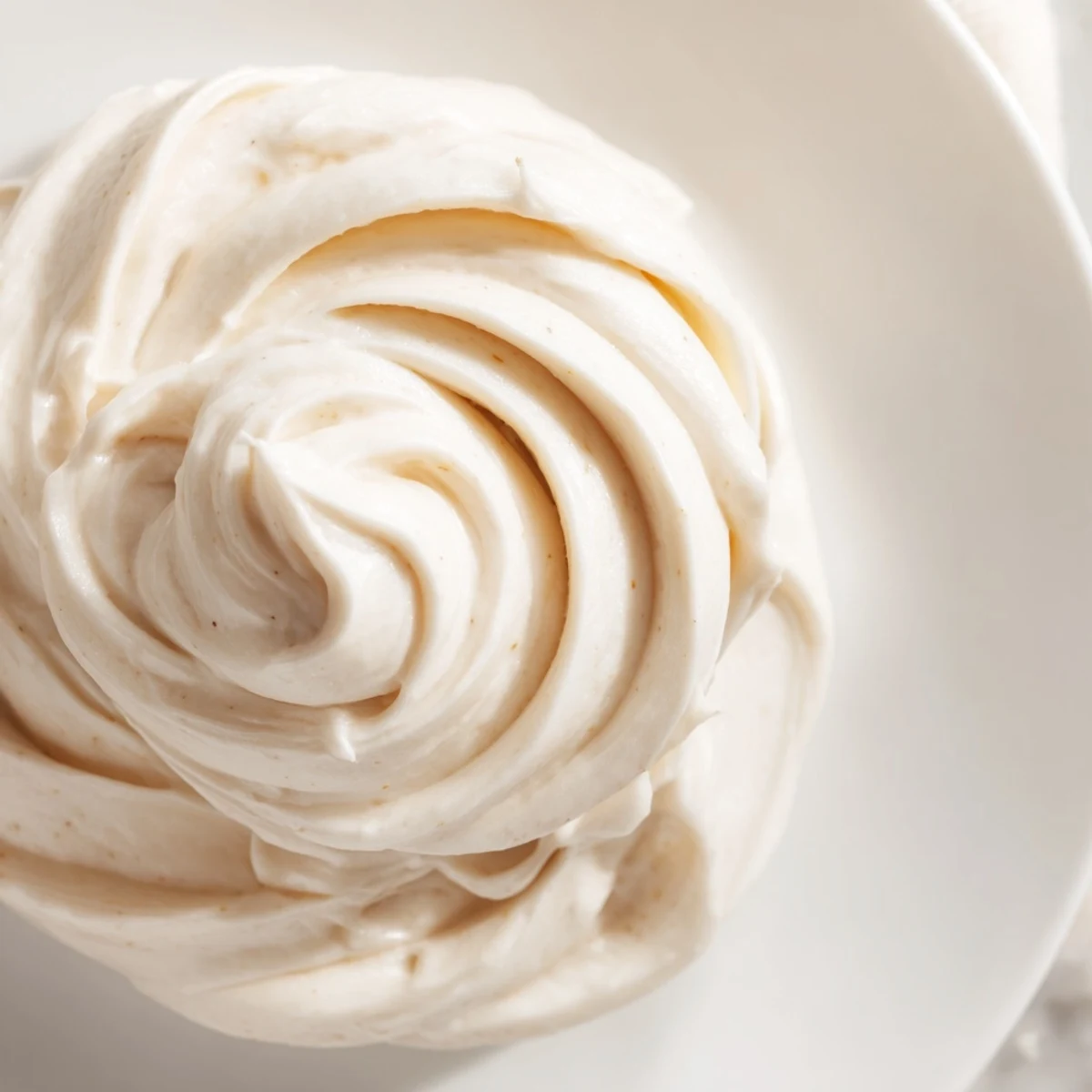
 Italian meringue buttercream is a luxurious, silky-smooth frosting made by pouring hot sugar syrup into whipped egg whites, then beating in softened butter until perfectly emulsified.
The result is a stable, delicate frosting that pipes beautifully and holds up well at room temperature, making it ideal for wedding cakes, layer cakes, and cupcakes.
This method produces a less sweet, more buttery finish compared to American buttercream, with a melt-in-your-mouth texture that elevates any dessert.
The sound of a candy thermometer clicking against a saucepan still makes my heart beat a little faster, and not in a bad way. Italian meringue buttercream was the first frosting that ever made me feel like a real pastry cook, standing over a bubbling pot of sugar syrup and praying I would not scorch it. There is something theatrical about pouring molten sugar into spinning egg whites and watching them transform into a cloud of glossy marshmallow. That moment never gets old.
My second attempt at this buttercream was for my nieces birthday cake, a wobbly three layer lemon sponge that I had spent an entire Saturday building. I nearly panicked when the mixture curdled after adding the butter, convinced I had ruined everything, but I kept the mixer running and watched it magically come back together.
Ingredients
- Granulated sugar (200 g): The foundation of your syrup, and plain white sugar works best here since it dissolves cleanly and will not cloud your meringue.
- Water (60 ml): Just enough to help the sugar melt evenly before it starts boiling.
- Egg whites (120 g, about 4 large): Room temperature whites whip up faster and more voluminous, so plan ahead and separate them at least an hour before starting.
- Cream of tartar (1/4 tsp): This tiny amount acts as insurance, helping stabilize the whites so they hold their structure longer.
- Salt (1/4 tsp): A pinch of salt balances the sweetness and makes the vanilla flavor pop.
- Unsalted butter (340 g): This must be truly at room temperature, soft enough to leave a fingerprint when pressed, because cold butter will cause the whole thing to seize.
- Pure vanilla extract (1 to 2 tsp): Use the good stuff here since the flavor really comes through in such a simple frosting.
Instructions
- Make the sugar syrup:
- Combine sugar and water in a small saucepan and stir gently just to moisten the sugar. Heat over medium heat and resist the urge to stir, letting the syrup climb to 115 degrees Celsius on your candy thermometer.
- Start the egg whites:
- While the syrup heats, whip egg whites and cream of tartar in a stand mixer on medium speed until foamy. Add the salt and keep the mixer running so the whites are ready when the syrup hits temperature.
- Pour and whip:
- The moment the syrup reaches 115 degrees, remove it from heat and pour it into the whipping whites in a thin, steady stream, avoiding the whisk and aiming for the space between the bowl and the beater. You will hear the mixer work harder as the hot syrup hits, and the bowl will feel warm to the touch.
- Whip to stiff peaks:
- Crank the speed to high and let it whip until the meringue forms stiff, glossy peaks and the outside of the bowl feels completely cool, which takes about 10 minutes. This cooling step is essential because warm meringue will melt your butter.
- Add the butter:
- Switch to the paddle attachment if you have one, then add butter one small cube at a time on medium speed, waiting until each cube disappears before adding the next. The mixture may look curdled or soupy at some point, and that is completely normal, so just keep going.
- Flavor and finish:
- Beat in the vanilla extract and continue mixing until everything is silky, smooth, and homogenous. If the buttercream feels too soft, pop it in the fridge for five minutes and re-whip until it firms up.
 Pin it
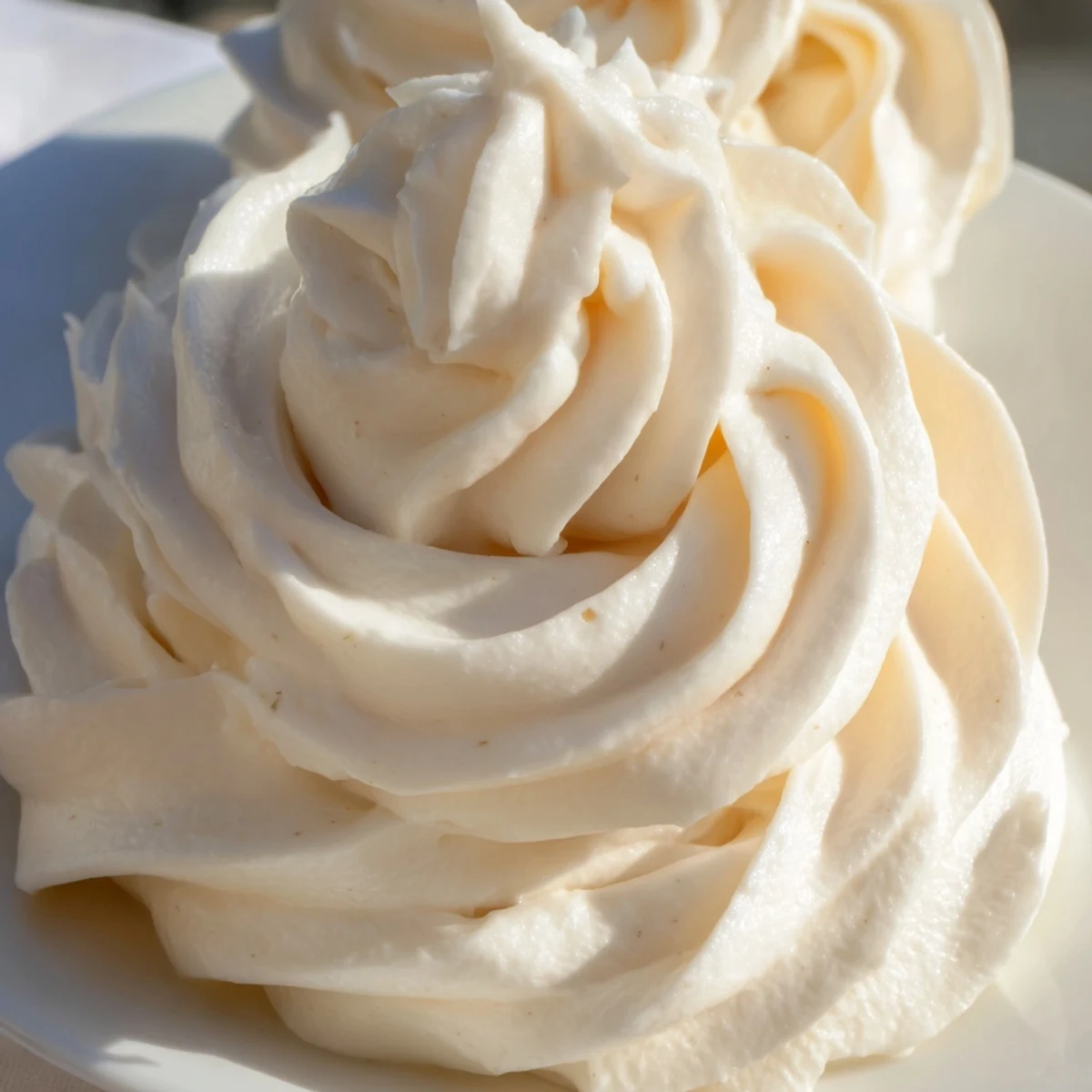
 The morning of that birthday party, I spread this buttercream across the lemon layers with a bench scraper and watched it go on like silk fabric, and my niece later told me it was the best frosting she had ever tasted.
Storage and Make Ahead
You can make this buttercream up to a week in advance and store it in an airtight container in the refrigerator, or freeze it for up to two months. When you are ready to use it, let it come completely to room temperature, which takes several hours, then re-whip it until it is smooth and spreadable again.
Flavor Variations
The vanilla base is wonderfully versatile, and I have folded in espresso powder for a mocha cake, stirred in lemon zest for a spring celebration, and even swapped the vanilla for almond extract on a whim. Start with half a teaspoon of any new flavor and taste as you go, because concentrated extracts can quickly overpower the delicate balance of this frosting.
Tools You Will Need
A stand mixer is genuinely important here because you will be whipping for a long time while also managing a hot saucepan, and one hand needs to be free for pouring. Beyond that, a reliable candy thermometer is non negotiable, a small saucepan with a heavy bottom, and a good rubber spatula for scraping every last bit of frosting from the bowl.
- Keep a damp pastry brush nearby to wipe down any sugar crystals that form on the sides of your saucepan while the syrup cooks.
- Always calibrate your candy thermometer in boiling water before starting to make sure it reads accurately.
- Remember that this recipe contains eggs and dairy, so check with guests about allergies before serving.
 Pin it
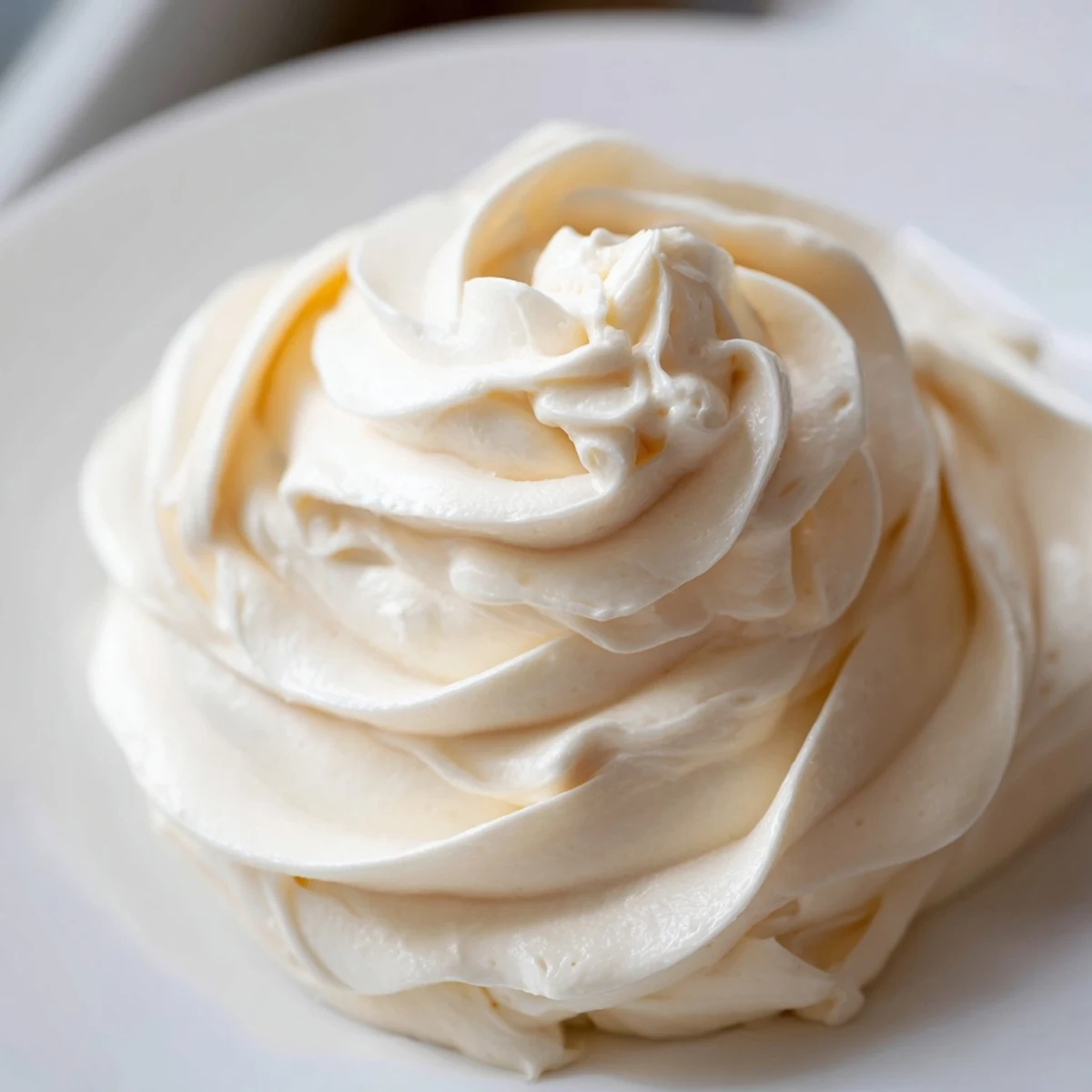
 Once you have made Italian meringue buttercream a few times, the process starts to feel like second nature, and you will never want to go back to powdered sugar frosting again. Trust the process, keep mixing when it looks hopeless, and enjoy the most elegant frosting you have ever tasted.
Recipe FAQs
- → Why did my buttercream curdle after adding the butter?
-
Curdling is completely normal when adding butter to the meringue. Simply keep mixing on medium speed and the mixture will emulsify and become smooth again. Patience is key.
- → Can I make Italian meringue buttercream ahead of time?
-
Yes, it stores well in the refrigerator for up to one week or in the freezer for up to two months. Bring it to room temperature and re-whip until smooth before using.
- → What temperature should the butter be?
-
The butter should be at cool room temperature — soft enough to hold a fingerprint but not melted or greasy. Cold butter will cause the meringue to deflate and melted butter will make the frosting soupy.
- → Can I flavor Italian meringue buttercream?
-
Absolutely. You can add extracts like almond or lemon, citrus zest, melted chocolate, espresso powder, or fruit purées. Add flavorings after the buttercream is fully emulsified for best results.
- → Why is my buttercream too soft to pipe?
-
If the buttercream is too warm, refrigerate it for 10 to 15 minutes, then re-whip until it firms up. The butter may have been too soft or the meringue was still warm when the butter was added.
- → Do I need a candy thermometer for this method?
-
Yes, a candy thermometer is essential for accurately reaching 115°C (240°F). The sugar syrup must reach the correct soft-ball stage to ensure a stable meringue and safe consistency.