 Pin it
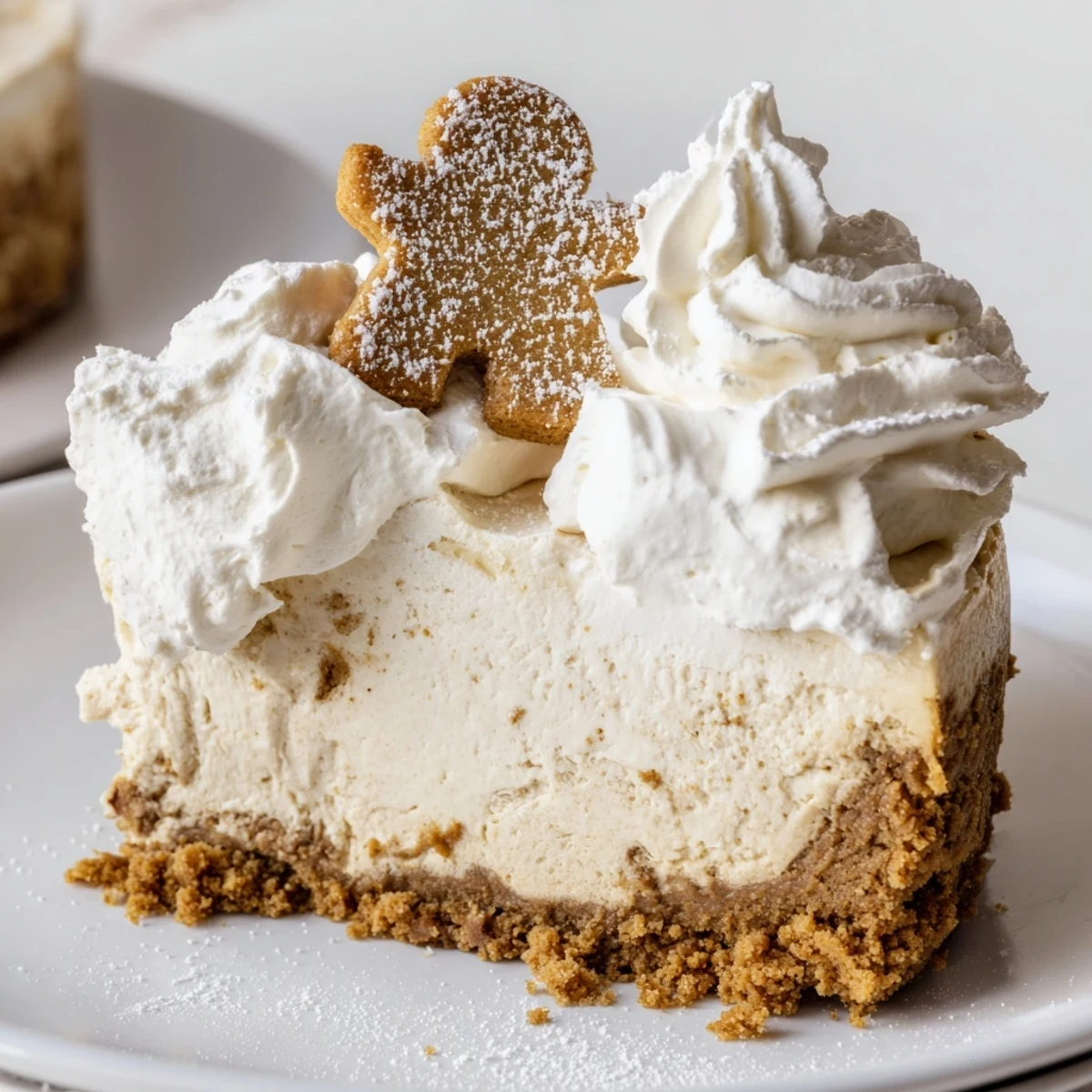
 This cheesecake combines smooth cream cheese filling with warm ginger, cinnamon, and cloves atop a spiced gingersnap crust. After baking, it is chilled thoroughly for a firm texture. Optional whipped cream topping adds richness and visual appeal. Perfect for holiday tables or cozy get-togethers, this dessert balances spice and creaminess in every slice. Baking requires careful mixing and patience during cooling for best results.
My sister showed up at my door one December evening with a box of fancy gingersnaps and a challenge: make something that tastes like Christmas but is also ridiculously creamy and indulgent. That night, this gingerbread cheesecake was born in my tiny kitchen, and it became the dessert everyone started requesting. There's something magical about warm spices meeting cool, velvety cheesecake—it feels both cozy and elegant at the same time.
I still remember my friend's face when she took the first bite at a New Year's gathering—she actually closed her eyes and didn't say anything for a moment, which is how you know dessert is doing its job. She asked if I'd made it at a bakery, and when I said it came from my oven, she demanded the recipe before leaving. Now her family makes it every year.
Ingredients
- Gingersnap cookies (250 g): These form your flavor base, so don't skimp on quality—look for ones with real molasses and ginger, not the super-thin wafers that taste like cardboard.
- Unsalted butter (75 g): This binds the crust together, and using unsalted lets you control the salt balance throughout.
- Brown sugar (200 g for filling): The molasses in brown sugar echoes the molasses in the filling and keeps everything moist and tender.
- Cream cheese (680 g, room temperature): Cold cream cheese is your enemy here—it won't blend smoothly and you'll end up with lumps, so pull it out about an hour before baking.
- Unsulphured molasses (60 ml): This is the secret weapon that makes people ask what your secret ingredient is—don't use blackstrap, which is too intense.
- Sour cream (180 ml, room temperature): This adds tang and moisture; cold sour cream will make your filling lumpy, so let it sit out too.
- Ground ginger, cinnamon, nutmeg, cloves: Toast your spices together in a dry pan for 30 seconds before measuring if you want them to really sing—this tiny step wakes them up.
- Vanilla extract (2 tsp): This is your background note that makes all the spices blend beautifully rather than clash.
Instructions
- Prep your pan and preheat:
- Line a 23 cm springform pan with parchment paper and heat your oven to 175°C—this seems fussy, but parchment prevents the crust from sticking and making cleanup miserable. A cold pan will throw off your baking time.
- Build the spiced cookie crust:
- Crush those gingersnaps until they look like fine sand mixed with small crumbles, then toss with melted butter, brown sugar, cinnamon, and salt. Press it into the bottom of your pan like you're making a foundation—you want it snug and even so every slice has a proper crust. Bake for 8 minutes until it smells nutty and toasted, then let it cool while you switch the oven down to 160°C.
- Cream your cheese until it's cloud-like:
- Beat the room-temperature cream cheese for a solid 2 minutes until it's smooth and fluffy—this is where air gets incorporated, making your cheesecake light instead of dense and heavy. Add the brown sugar and molasses slowly, letting each addition blend in completely.
- Add eggs with patience:
- Drop in eggs one at a time, beating on low speed between each addition and scraping down the bowl with a spatula. This prevents overmixing, which introduces air bubbles that create cracks.
- Fold in the soul of the cake:
- Pour in the room-temperature sour cream and all your spices, then mix on low speed just until combined—overmixing here is where people mess up. You're aiming for the spices to be evenly distributed without whipping in extra air.
- Pour and tap gently:
- Spread the filling onto your cooled crust and tap the pan on the counter a few times to help any trapped air bubbles float to the surface. They'll bake out, and this small gesture prevents the weird dome and cracks that happen otherwise.
- Bake low and slow:
- Place the pan on a baking sheet and bake for 60–70 minutes until the edges look set but the center still has a slight jiggle when you gently shake the pan—like the filling is barely holding its shape. It'll continue cooking as it cools, so don't overbake or you'll get a dense, cracked cake.
- Cool it down gently:
- Turn off the oven, crack the door a few inches, and let the cheesecake sit inside for a full hour. This slow temperature drop prevents the sudden shock that causes cracking and helps the texture set properly.
- Chill overnight if you can wait:
- Once completely cool, chill for at least 4 hours, ideally overnight. Cold cheesecake slices cleanly and has the best texture.
- Top and serve (if you're feeling fancy):
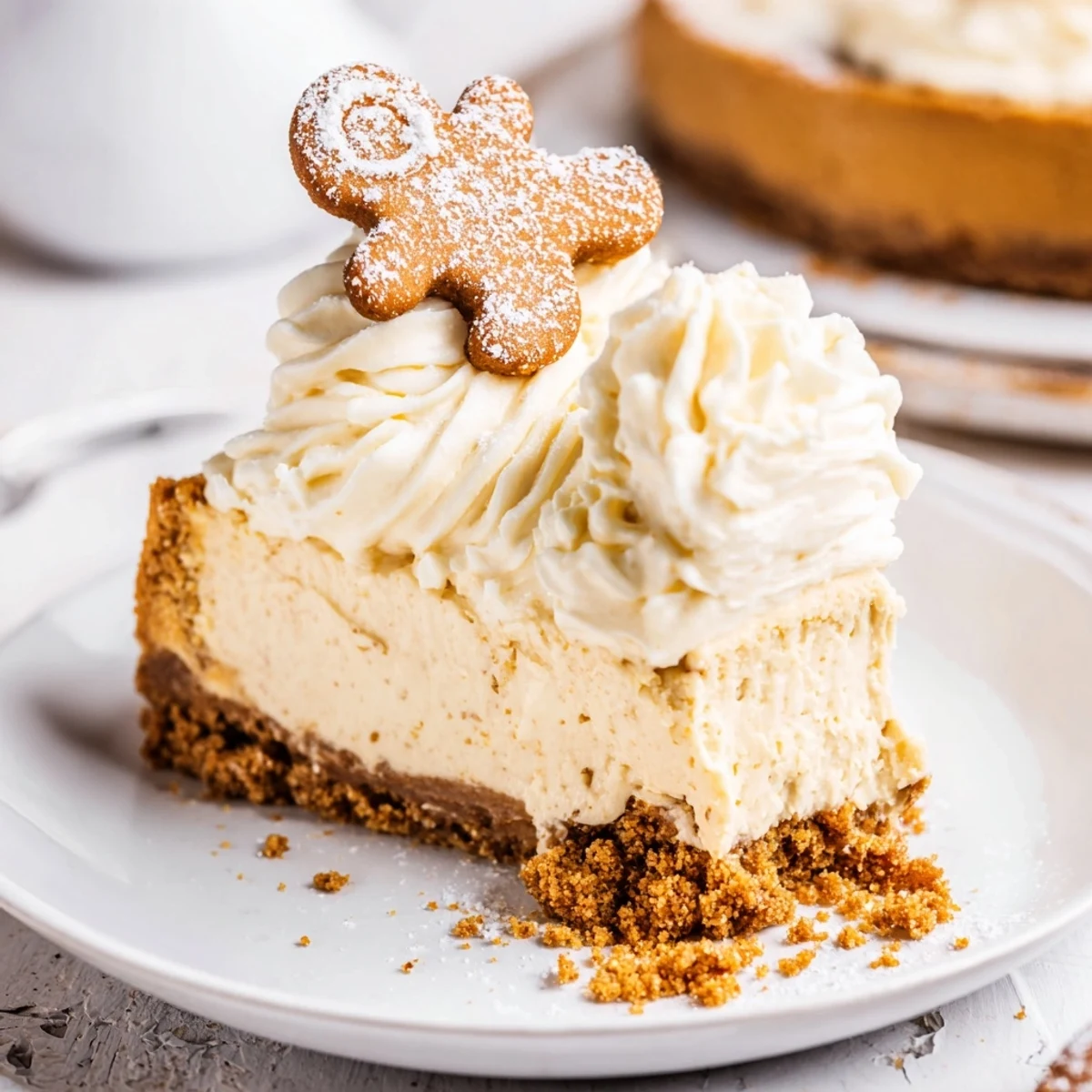
- Whip cold heavy cream with powdered sugar until stiff peaks form, then spread or pipe it over the top. Crumble a gingersnap or two over each slice for that visual moment before eating.
 Pin it
 The first time my mom made this after I gave her the recipe, she called me mid-bake to say the kitchen smelled like a fancy spice market in December. That's when I realized this dessert isn't just something you eat—it's an experience from the moment you start mixing.
The Spice Blend That Changes Everything
The magic of gingerbread cheesecake lives in the spice ratio, and I've learned through many batches that molasses, ginger, and cinnamon are the holy trinity. The cloves and nutmeg are supporting players—they add depth and prevent the cake from tasting one-dimensional. I used to eyeball this, and it was never quite right until I realized each spice needs enough presence to be noticed but not so much that it becomes the whole story.
Crust Texture and Why It Matters
A good crust is partly structural and partly flavor—it's the foundation that makes every bite feel complete. When the crust is baked just enough, it has that perfect snap against the creamy filling, almost like a textural argument that makes each flavor more interesting. I've made this with over-baked crusts that turned hard and bitter, and under-baked ones that were almost mushy; the 8-minute window is worth honoring.
Make It Yours
This recipe is a strong foundation, but I've seen friends customize it in ways that make it entirely their own. Some people add a touch of espresso powder to deepen the molasses, others brush a thin layer of apricot jam under the crust for a surprise sweetness. The best version is the one that lands on your table looking a little proud of itself.
- For a lighter version, swap half the sour cream with Greek yogurt to add tang and reduce richness.
- If you're making this in summer, serve it with a drizzle of salted caramel instead of whipped cream.
- A gluten-free version works beautifully if you use quality gluten-free gingersnaps—the flavor doesn't change at all.
 Pin it
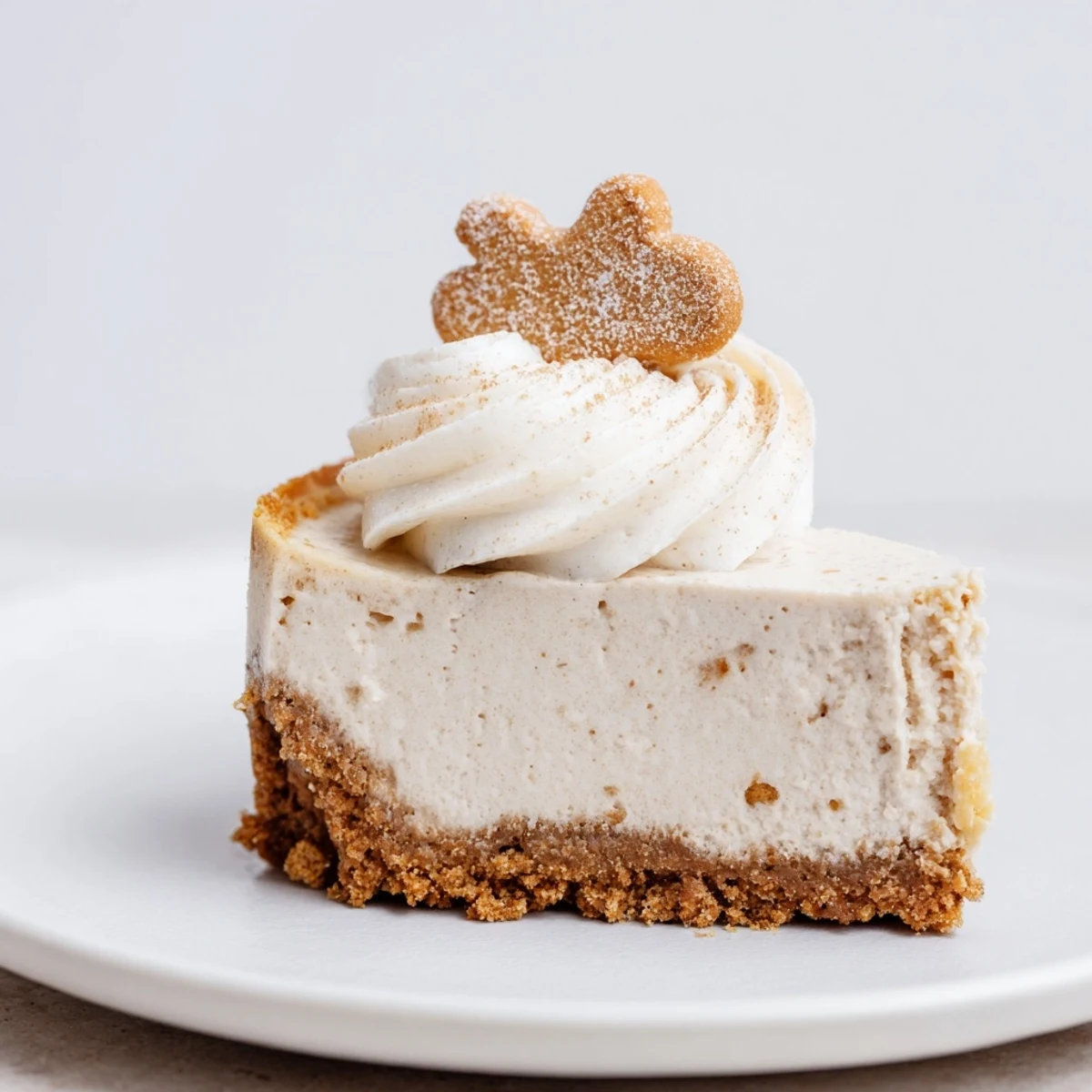
 This cheesecake has a way of becoming the reason people gather in my kitchen, and that's the real recipe. Serve it cold with something warm like spiced chai, and watch it disappear.
Recipe FAQs
- → What spices are used in this dessert?
-
Ground ginger, cinnamon, nutmeg, and cloves create the warm, aromatic flavor profile.
- → Can the crust be made gluten-free?
-
Yes, replacing gingersnap cookies with gluten-free versions makes the crust suitable for gluten-sensitive diets.
- → How long should it chill before serving?
-
Chill the dessert at least 4 hours, preferably overnight, to set the filling firmly.
- → What is the purpose of molasses in the filling?
-
Molasses adds rich depth and naturally complements the gingerbread spices.
- → How is the whipped topping prepared?
-
Heavy cream is whipped with powdered sugar until stiff peaks form, then spread over the chilled cheesecake.
- → Can this dessert be paired with drinks?
-
Pair well with spiced chai or mulled wine to enhance the warm spice flavors.