 Pin it
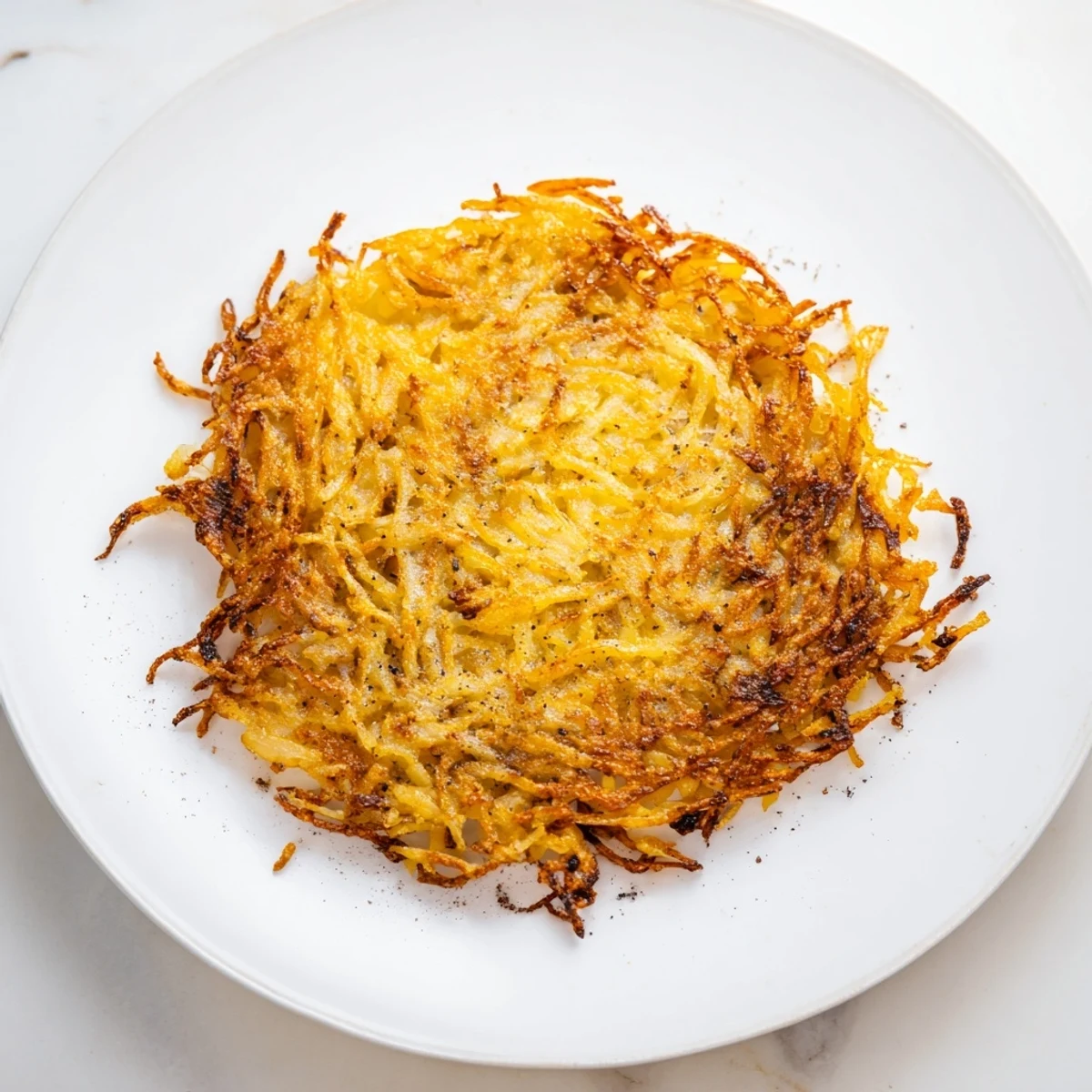
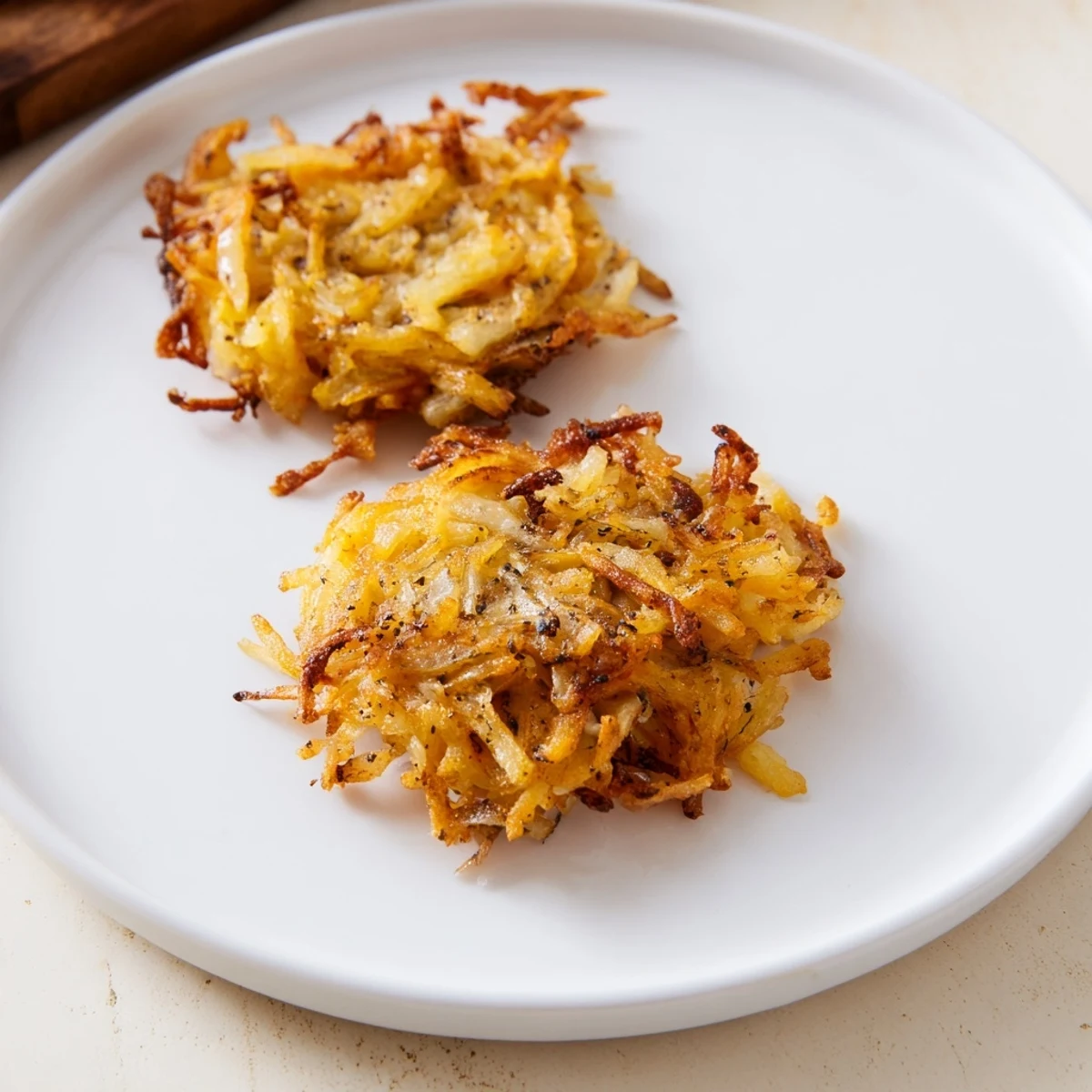
 These golden crispy potato pancakes offer a tender center and a crisp exterior, making them a delightful addition to any meal. By grating potatoes and onions, then wringing out moisture, the mixture forms perfect patties when fried in hot oil until golden brown. Serve them warm with sour cream or applesauce to enhance their rich, savory flavors. Simple ingredients and straightforward steps make them an easy yet satisfying dish for breakfast, brunch, or as an appetizer.
My grandmother used to make latkes on Sunday mornings, and I'd watch the oil pop and sizzle while she worked with practiced hands, the kitchen filling with that unmistakable golden-brown smell. She never measured anything—just knew by feel when the potato mixture had enough starch pressed out, when the oil was hot enough. Now when I make them, I'm chasing that same magic, that perfect balance of crispy edges and tender centers that made everyone gather around before breakfast was even officially served.
I made these for my partner's family dinner last spring, nervous and half-joking about whether they'd actually turn out edible. Instead, I watched a plate of eight latkes disappear in minutes, and someone asked for the recipe before dessert was even mentioned. That's when I realized these aren't fancy—they're just honest, and people respond to that.
Ingredients
- Russet potatoes: The starch is what holds everything together and gives you that crispy exterior; waxy potatoes will stay mushy no matter how long you fry them.
- Yellow onion: It adds a subtle sweetness and depth that keeps the latkes from tasting flat, even with minimal seasoning.
- Eggs: Your binder and moisture, so don't skip them even though the mixture seems wet enough.
- All-purpose flour: Just enough to catch any remaining moisture and help the latkes stay cohesive in the oil.
- Salt and pepper: Season generously here since fried foods need bold seasoning to taste like anything.
- Vegetable oil: Use something neutral with a high smoke point; you'll need more than you think, so keep extra nearby.
Instructions
- Grate and squeeze:
- Grate the potatoes and onion on the largest holes of your box grater or pulse them in a food processor until they're shredded but not pureed. The moisture is your enemy here—wrap the grated mixture tightly in a clean kitchen towel and wring it out over the sink like you're wringing out water from laundry, then do it again.
- Mix the batter:
- Transfer the squeezed potato mixture to a large bowl and fold in the eggs, flour, salt, and pepper until everything is just combined. Don't overmix; you want loose, shaggy batter, not a smooth paste.
- Heat the oil:
- Pour vegetable oil into a large skillet and turn the heat to medium-high. Let it heat for a few minutes until it shimmers and a tiny piece of potato sizzles immediately when it hits the pan—that's your signal you're ready.
- Fry the first batch:
- Drop heaping tablespoons of the potato mixture into the hot oil, spacing them so they don't touch, then gently flatten each one with a spatula into a rough pancake shape. Listen for the aggressive sizzle; if it's quiet, the oil isn't hot enough yet.
- Cook until golden:
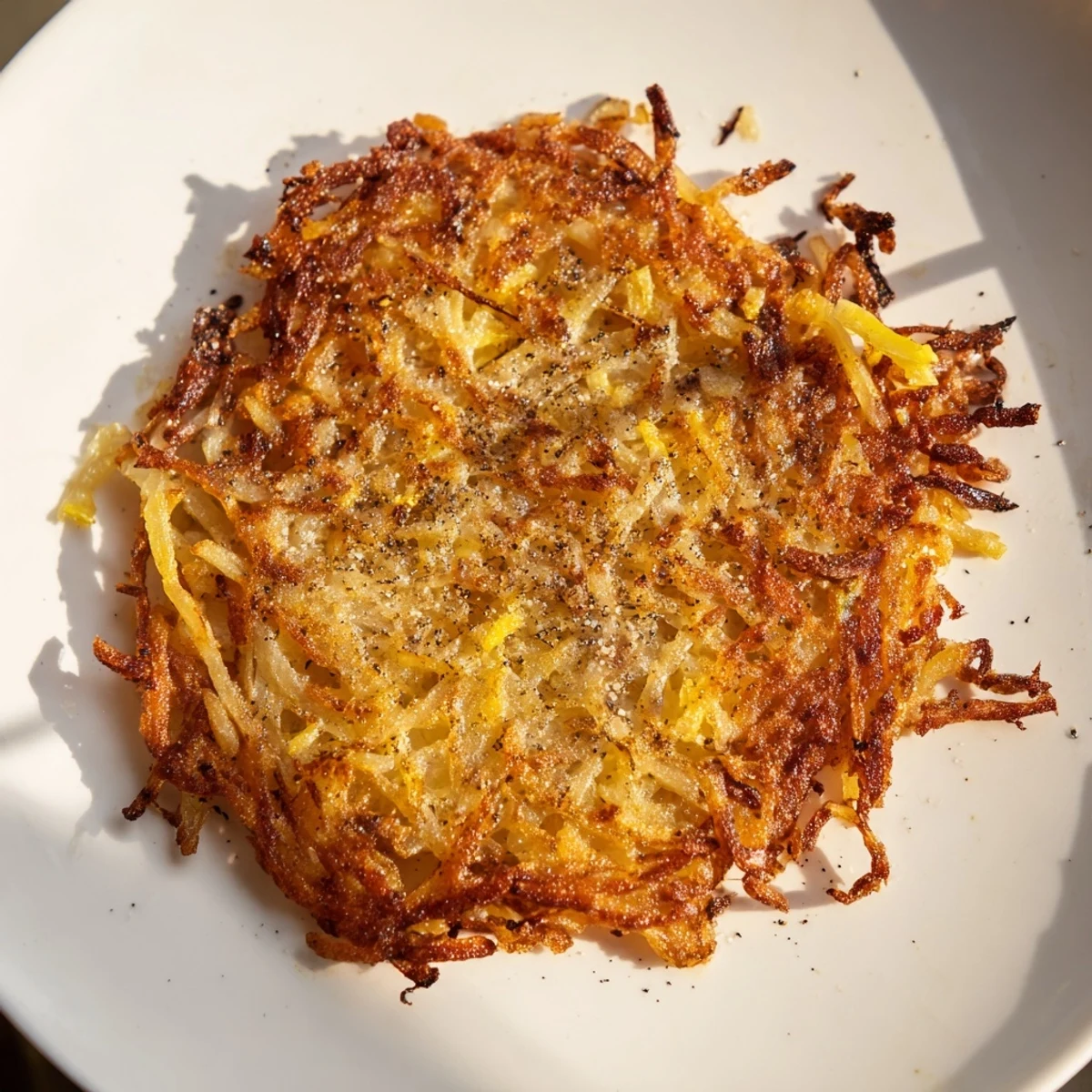
- Fry for 3 to 4 minutes on the first side without moving them, then flip and fry another 3 to 4 minutes until both sides are deep golden brown and the edges look almost charred. That's not a mistake—that's flavor.
- Drain and repeat:
- Transfer each latke to a paper towel-lined plate to drain, then continue with the remaining batter, adding a bit more oil to the skillet between batches as needed.
 Pin it
 There was a moment last winter when my nephew bit into one and his eyes went wide, and he asked if I'd learned to cook just for latkes. That's the thing about food—sometimes it's not about technique or ingredients, it's about caring enough to get it right.
The Oil Temperature Question
I spent years getting this wrong until I stopped second-guessing myself. If the oil is too cool, the potatoes absorb it instead of frying, and you end up with greasy, pale latkes. If it's ripping and smoking, your outside burns before the inside cooks through. Medium-high heat with a few minutes of preheating is the sweet spot; trust the sizzle, not a thermometer.
Serving and Keeping Them Warm
Latkes are best eaten hot and crispy, which means timing is everything. If you're making them for a crowd, set your oven to 200°F and transfer finished latkes to a baking sheet there while you work through the remaining batter—they'll stay warm and won't get soggy. Sour cream is the classic topping, cooling and rich against the heat of the latke, or go for applesauce if you want something sweeter and brighter.
Making Them Your Own
The base recipe is forgiving enough to experiment with—some people add a pinch of garlic powder or fresh herbs, others double down on the salt for a more savory result. I've learned the best versions happen when you cook them multiple times and stop overthinking the variations.
- If your latkes fall apart in the oil, your potato mixture is too wet; squeeze harder next time and don't skip the flour.
- Leftover latkes reheat beautifully in a 350°F oven for about 5 minutes, and they regain most of their crispness.
- Make the batter just before frying since the potatoes start to brown and release more liquid as they sit.
 Pin it
 These latkes taught me that sometimes the simplest recipes are the ones worth mastering. Once you know what crispy actually sounds and looks like, you'll be making them instinctively, forever.