 Pin it
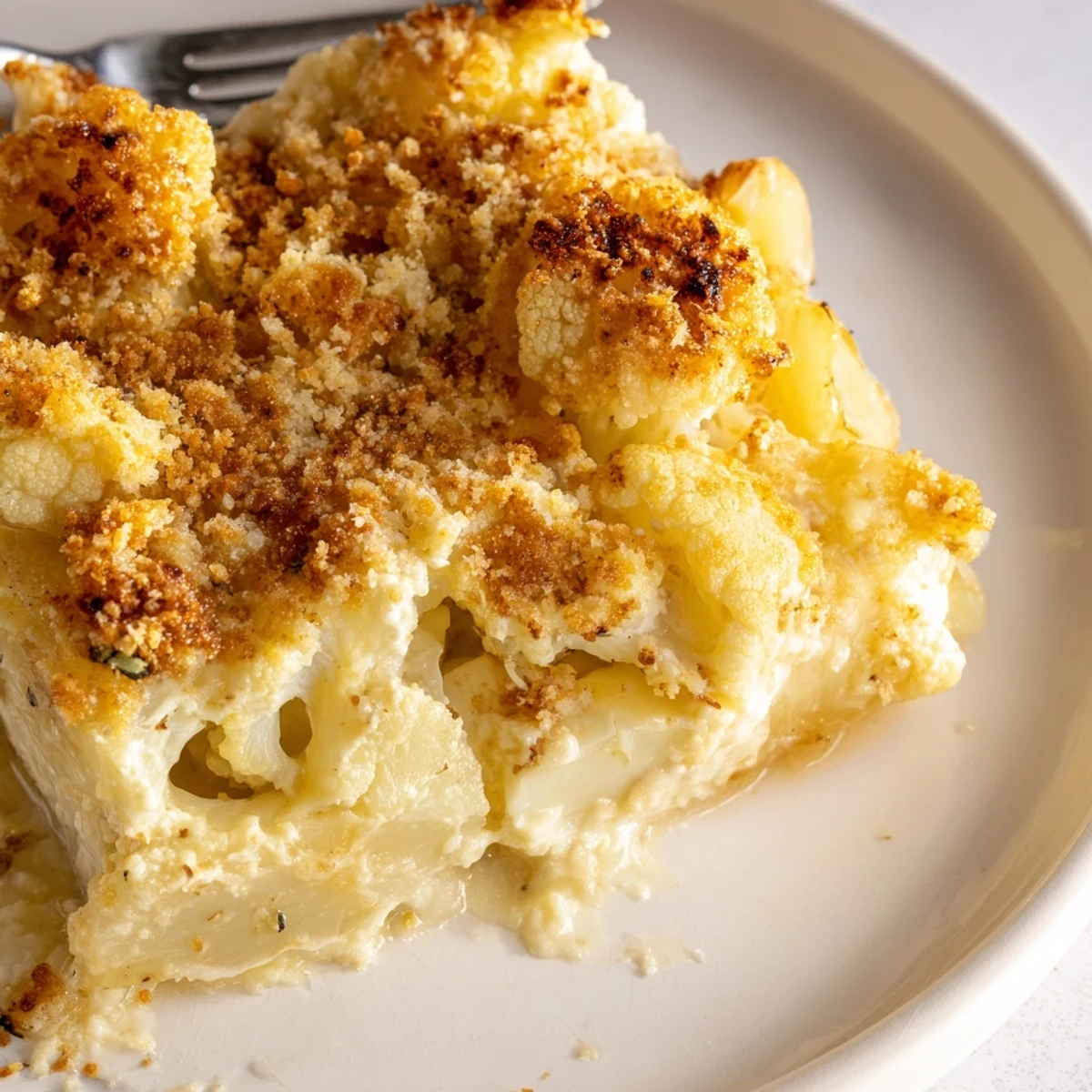
 This dish layers thinly sliced Yukon Gold potatoes with tender cauliflower florets, smothered in a creamy sauce made from whole milk, heavy cream, Gruyère, and Parmesan cheeses. It’s gently baked until golden and bubbling, with an optional buttery breadcrumb topping for added crunch. Aromatic notes from garlic, onion, and nutmeg balance the rich textures, creating a warm, comforting addition perfect for any meal.
There's something about a bubbling gratin that makes a kitchen feel like home. I first discovered this particular combination on a rainy autumn evening when I had a bag of cauliflower going soft in the crisper and a few potatoes left from the week's shopping. The creamy cheese sauce came together so naturally, and by the time golden-brown peaks formed on top, I understood why this French dish has endured for generations.
I made this for a small dinner party last winter, and my usually reserved neighbor came back for thirds. She kept asking what was in the sauce, suspicious it couldn't be that simple. Watching her face when she realized it was just butter, flour, and cream made me realize comfort food doesn't need to apologize or overcomplicate itself.
Ingredients
- Yukon Gold potatoes: Their waxy texture resists turning into mush, and they stay golden and slightly firm even after long cooking.
- Cauliflower florets: Cut them roughly equal in size so everything cooks at the same pace and no piece gets left behind.
- Onion and garlic: The aromatic foundation that softens into the sauce rather than overpowering it.
- Whole milk and heavy cream: The cream is essential for that luxurious mouthfeel, but don't skip it thinking half-and-half will do the same thing.
- Gruyère cheese: Its subtle sweetness and melting quality are what make this gratin sing; sharp cheddar works in a pinch but tastes like a different dish entirely.
- Parmesan cheese: The second cheese adds a salty, umami note that balances the richness beautifully.
- Unsalted butter: Use good butter here since it's one of the main flavors in the sauce.
- All-purpose flour: Creates the roux that thickens the sauce without making it gluey or starchy-tasting.
- Ground nutmeg: Just a whisper of it rounds out the cream and cheese without announcing itself.
- Salt and black pepper: Taste as you go because the cheeses are already salty, and you need less than you think.
- Breadcrumbs and melted butter: Optional but worth it for the textural contrast when everything else is so creamy.
Instructions
- Heat and prep your baking dish:
- Set the oven to 190°C (375°F) and use a piece of butter to coat the baking dish generously, paying special attention to the corners where the gratin will brown darkest. This small step prevents frustrating sticking later.
- Blanch the vegetables:
- Bring a large pot of salted water to a rolling boil and add the potatoes and cauliflower together for exactly 5 minutes. You want them tender enough to slice through easily but still holding their shape when you drain them; under-cooking here is better than over-cooking since they'll soften more in the oven.
- Build the base of the sauce:
- Melt the butter in a medium saucepan over medium heat and watch for the foam to subside before adding the onion and garlic. Stir them constantly for about 3 minutes until they've turned soft and fragrant, releasing their sweetness into the butter.
- Create the roux:
- Sprinkle the flour over the softened vegetables and stir constantly for 1 minute, watching as the mixture turns into a smooth paste. Don't skip this step or rush it; you're cooking out the raw flour taste while building the thickening agent for the cream.
- Whisk in the dairy:
- Pour in the milk and cream slowly while whisking continuously to prevent lumps from forming. Keep whisking over medium heat for 4 to 5 minutes as the sauce thickens enough to coat the back of a spoon without sliding off immediately.
- Melt in the cheeses:
- Remove the pan from heat and add the Gruyère, half the Parmesan, the nutmeg, salt, and pepper, stirring until everything has melted into a silky, glossy sauce. Taste it now and adjust the seasoning because this is your last chance to fix the flavor.
- Layer with intention:
- Arrange half the drained potatoes and cauliflower in the prepared baking dish, pressing them gently to create an even layer. Pour half the warm cheese sauce over them, then repeat with the remaining vegetables and sauce, making sure the top layer is completely covered so it doesn't dry out.
- Top and finish:
- Scatter the remaining Parmesan over the surface, then mix the breadcrumbs with melted butter if you want that extra crunch, and scatter them over the top in an uneven way that looks intentional. This golden crust is what you'll look forward to with every forkful.
- Bake until golden:
- Place in the oven for 40 to 45 minutes, watching around the 35-minute mark for the edges to turn deep golden brown and the center to bubble gently around the sides. When a sharp knife slides through a potato slice with no resistance, it's finished.
- Rest before serving:
- Let the gratin sit undisturbed for 10 minutes after removing from the oven; this allows the sauce to set slightly and makes serving much easier.
 Pin it
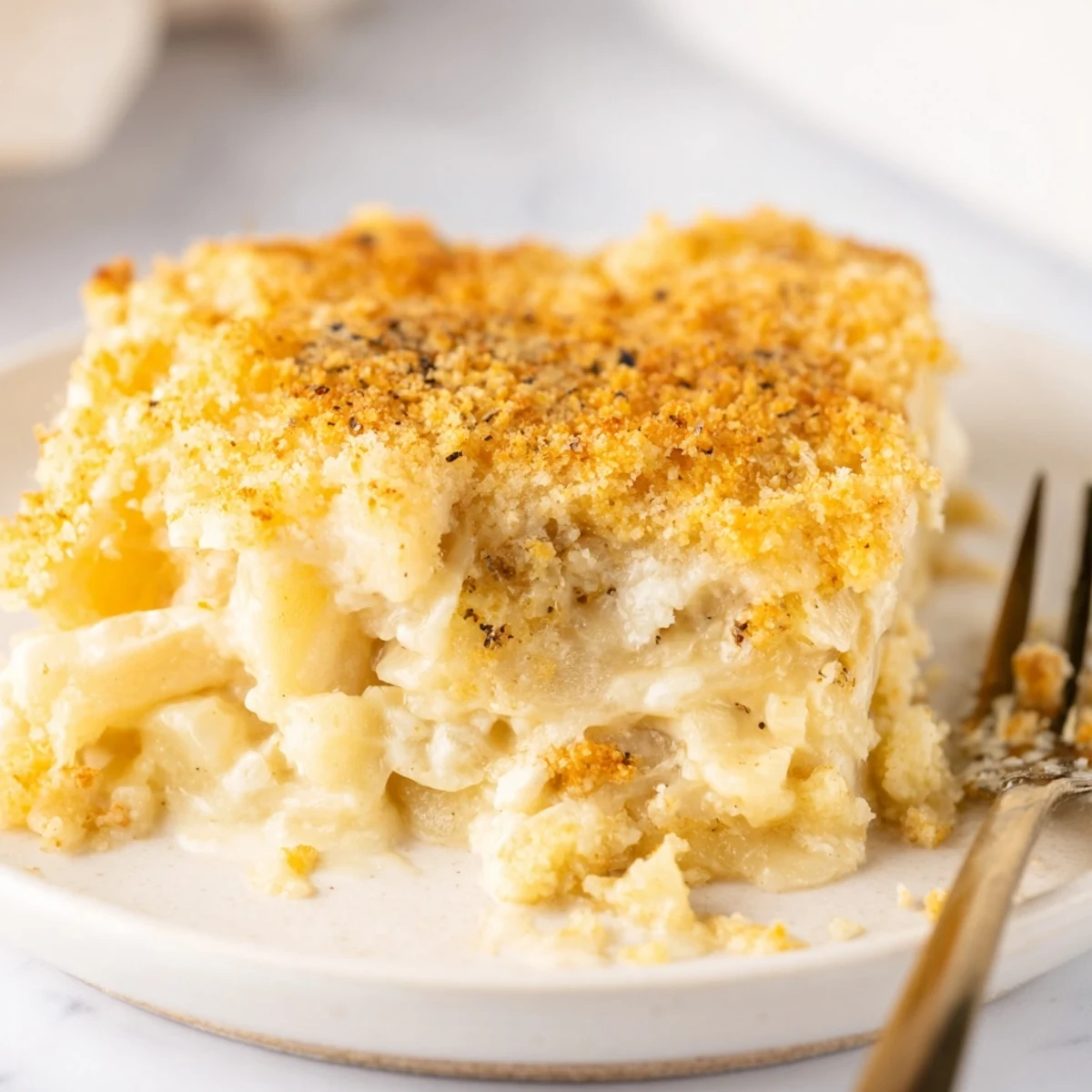
 I served this at a potluck once, expecting it to disappear between three other casseroles. Instead, people kept coming back to it, and I watched friends I'd known for years light up at the first bite like they'd remembered something they loved. That's when I realized gratins aren't just food; they're permission to slow down and enjoy something made with real ingredients and honest flavors.
The Magic of the Cheese Sauce
The sauce is where all the comfort lives in this dish. By whisking the cream and milk in gradually, you create a silky emulsion that clings to every potato slice and floret rather than pooling at the bottom of the baking dish. The nutmeg is subtle but crucial; it's the spice that whispers rather than shouts, rounding out the dairy and cheese without making anyone say, what is that flavor?
Variations That Work
Once you understand how this gratin is built, you can play with it. Some winters I add chopped fresh thyme between the layers, and it brings an herbal brightness that cuts through the richness. Other times I use sharp cheddar instead of Gruyère because it's what I have on hand, and while it tastes different, it's still deeply satisfying. The structure stays the same even when you improvise.
Serving and Storage
This gratin sits happily in the refrigerator for up to four days, and reheating it gently in a low oven actually improves it, creating an even creamier texture as the cheese sauce settles into the vegetables. Serve it warm alongside a simple green salad dressed with vinaigrette, or let it be the main event with crusty bread.
- Leftovers can be reheated covered in foil at 160°C for about 15 minutes until warmed through.
- You can assemble the entire gratin up to 8 hours ahead and bake it just before serving.
- For a lighter meal, pair it with roasted fish or a simple herb-brined chicken breast.
 Pin it
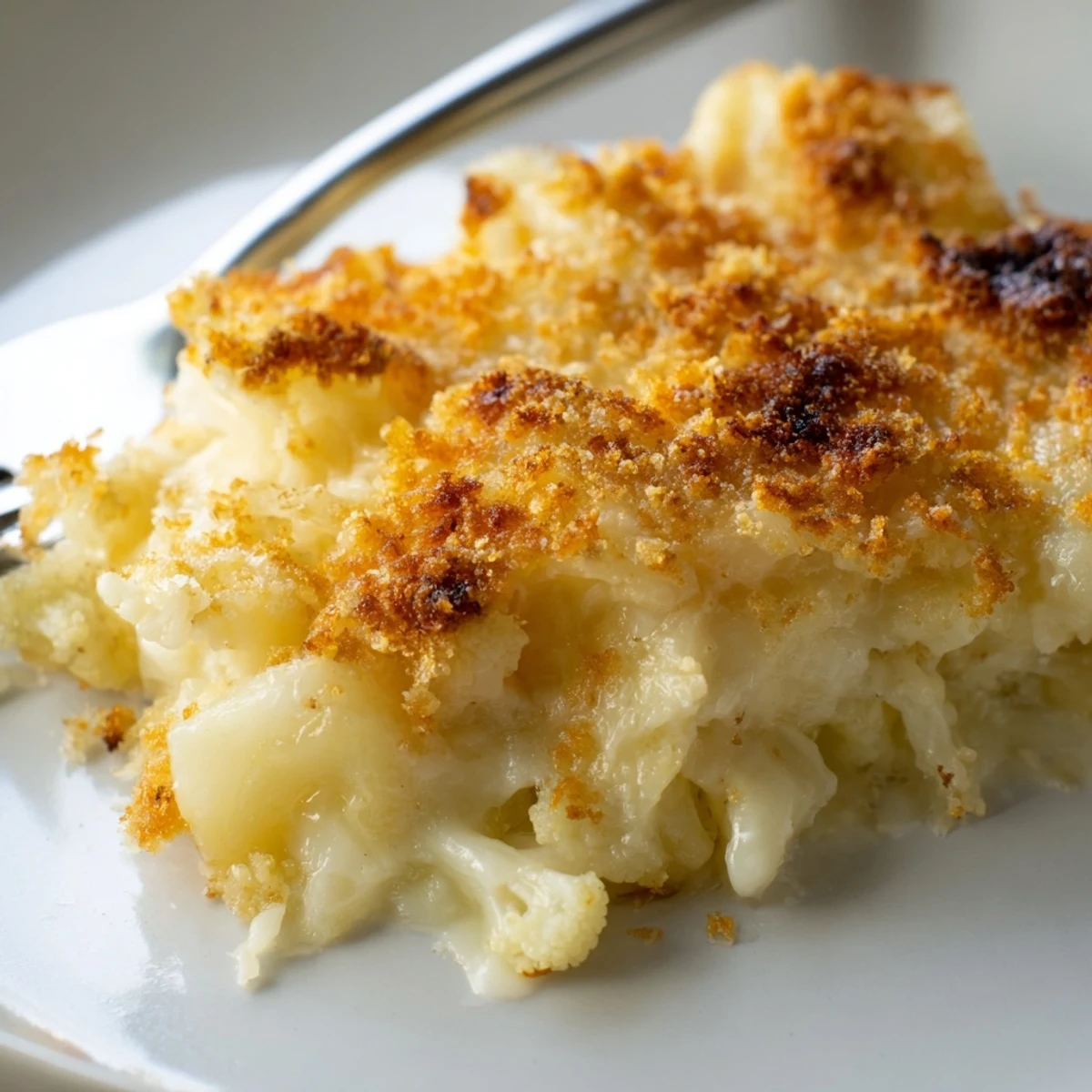
 This is the kind of dish that tastes better the second time around, which is a rare gift in cooking. Make it once and you'll make it again, each time feeling more confident that something so simple can bring so much joy to a table.
Recipe FAQs
- → Can I substitute the Gruyère cheese?
-
Yes, sharp cheddar or Emmental are excellent alternatives that still provide rich, melty texture and flavor.
- → How can I make this dish lighter?
-
Use half-and-half instead of heavy cream to reduce richness while keeping a creamy texture.
- → What is the best way to prepare the vegetables?
-
Parboil sliced potatoes and cauliflower florets until just tender to ensure even baking and a creamy interior.
- → Is the breadcrumb topping necessary?
-
No, breadcrumbs add a crunchy contrast but can be omitted for a smoother top layer.
- → Can fresh herbs be added?
-
Yes, adding thyme or chives enhances aroma and adds a fresh herbal note to the dish.