 Pin it
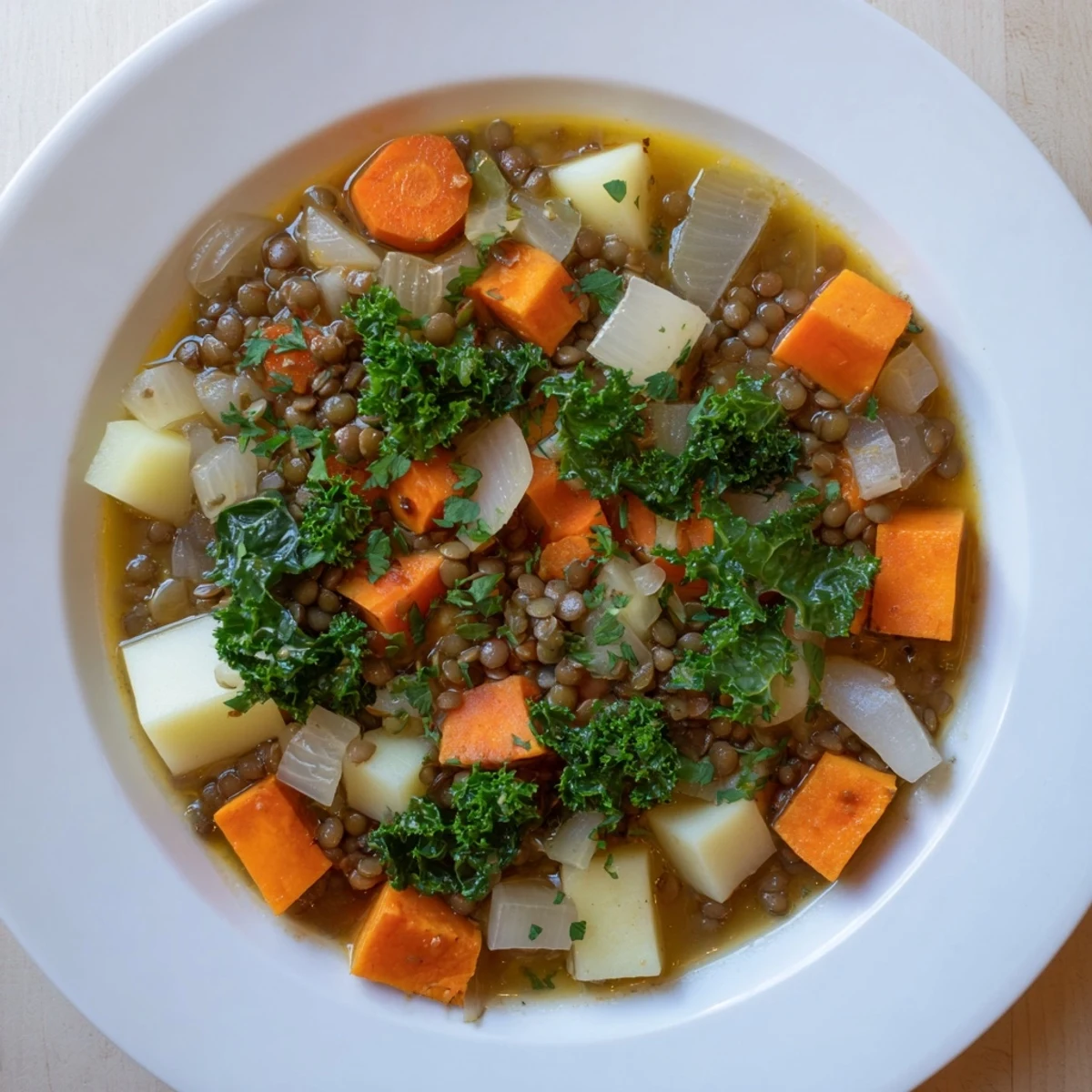
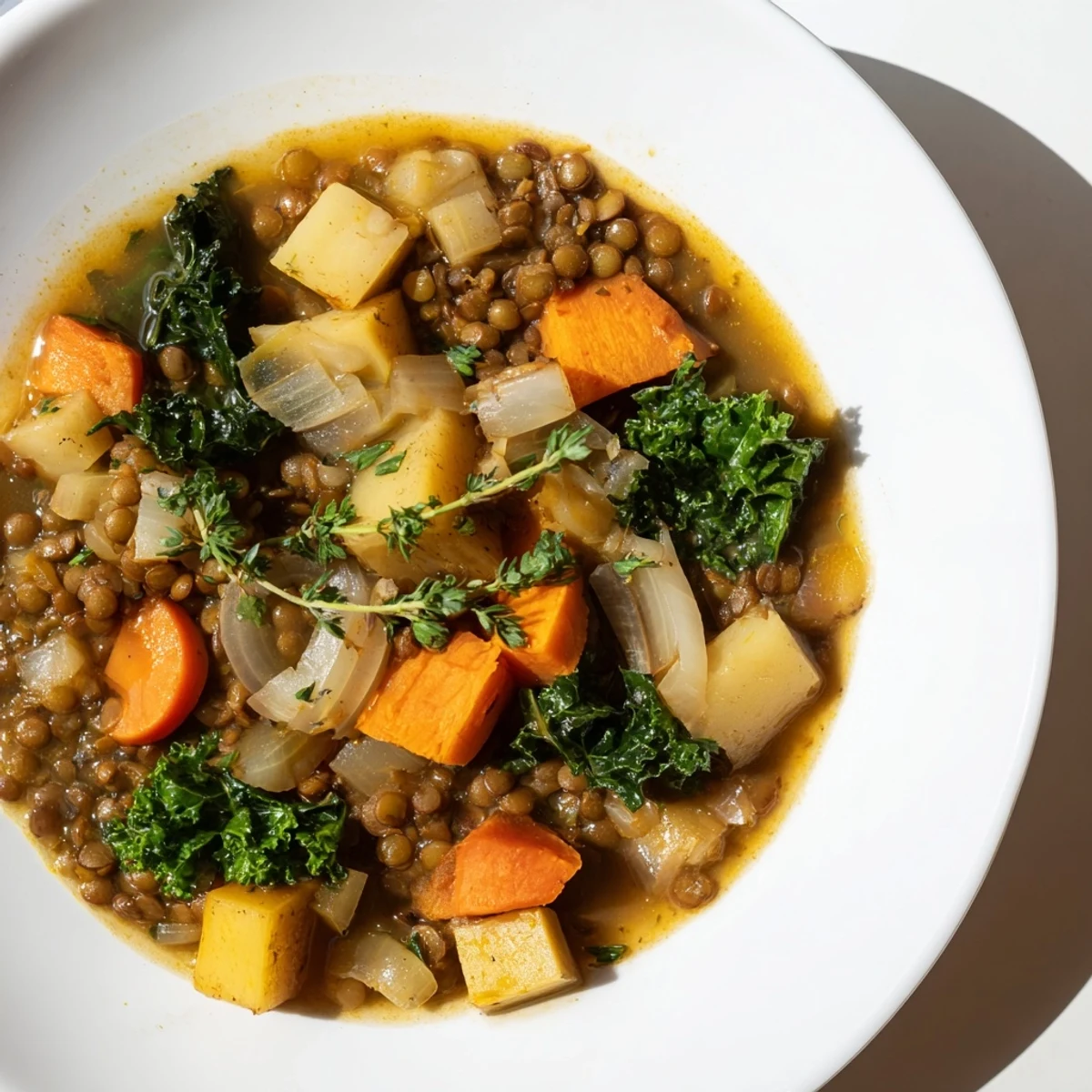
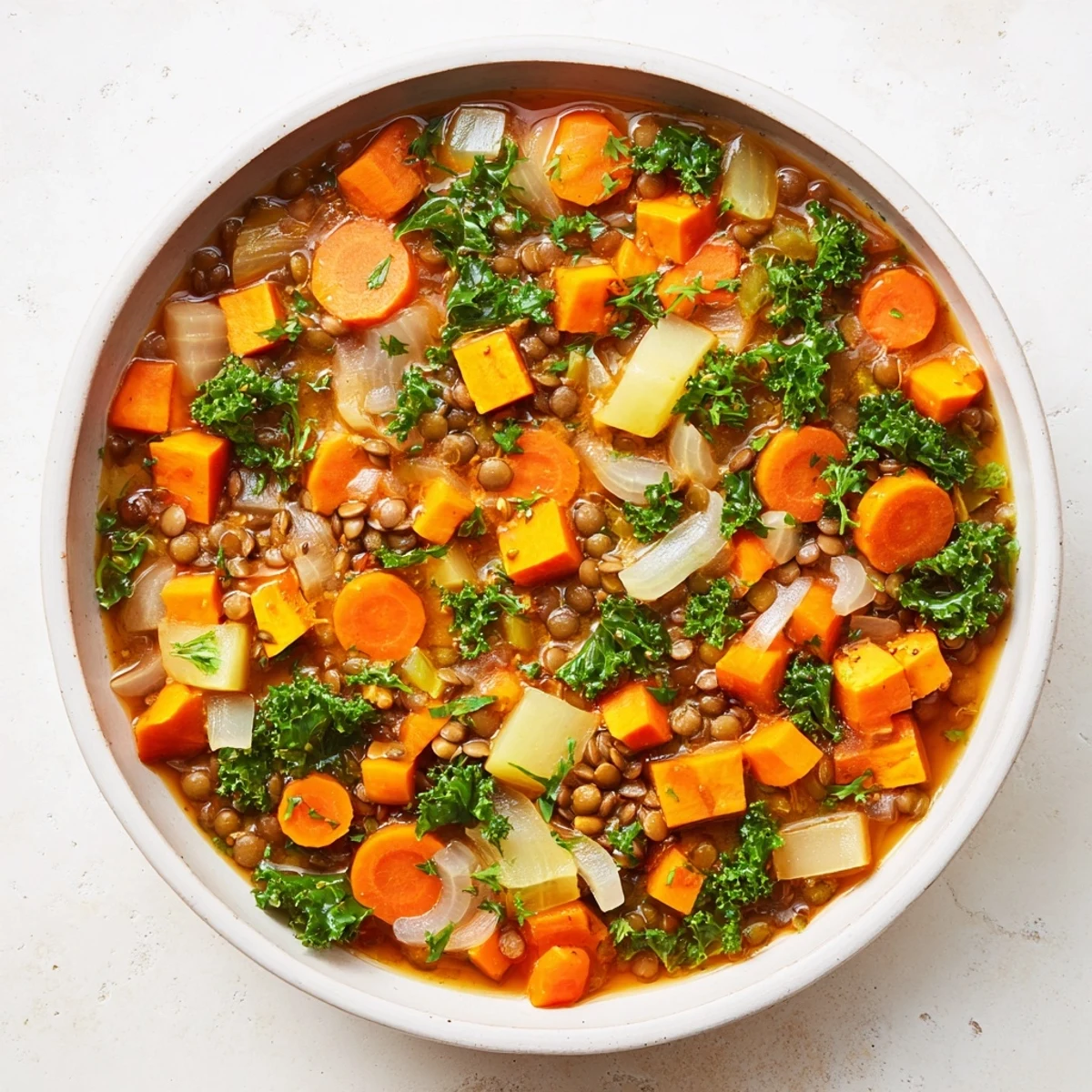
 This hearty stew combines a medley of winter vegetables such as carrots, parsnips, rutabaga, and sweet potato with protein-rich lentils to create a nourishing and flavorful dish. Aromatic herbs like thyme, rosemary, and smoked paprika infuse the broth, enhancing the depth of flavor. After simmering to tender perfection, kale or Swiss chard is stirred in for added freshness and color. Ideal for a cozy meal, it can be served with crusty bread or rice for extra comfort.
I discovered this stew on a particularly cold December evening when my neighbor knocked on the door with a bag of root vegetables from her garden. She insisted I needed something warming and substantial, and together we threw together whatever we had in the pantry. That first bowl, with its earthy depths and the way the lentils seemed to hold everything together, became my answer to every winter night that followed. Now, whenever the temperature drops and that familiar craving hits, I know exactly what I'm making.
I'll never forget serving this to my book club on the first snow of the year. Everyone arrived skeptical, expecting something boring, but by the second bowl, the conversation shifted from literature to asking for the recipe. One friend admitted she'd been living on takeout for months and suddenly remembered what home cooking felt like. That's when I knew this wasn't just a stew.
Ingredients
- Olive oil (2 tbsp): This is your foundation, creating the aromatic base. I've learned that a fruity, robust oil makes a noticeable difference in the final depth of flavor.
- Onion, large and diced: The sweetness that emerges as it cooks is what makes people come back for more, even if they don't realize it.
- Garlic (2 cloves, minced): Fresh is absolutely non-negotiable here. Jarred garlic won't give you that bright, alive quality.
- Carrots and parsnips: The carrots bring brightness and natural sweetness, while parsnips add an earthy sophistication. Together they're magic.
- Celery stalks (2, diced): Don't skip this. It's the unsung hero that rounds out the vegetable harmony.
- Rutabaga or turnip: This is the secret weapon that makes people ask what the mystery ingredient is. It dissolves slightly and thickens the broth naturally.
- Sweet potato (1 small, cubed): It melts into the stew, adding creaminess and subtle sweetness without any dairy.
- Kale or Swiss chard (1 cup, chopped, stems removed): Add this near the end so it stays vibrant and maintains some texture against the soft vegetables.
- Brown or green lentils (1 1/2 cups, dried and rinsed): These hold their shape beautifully and provide the protein backbone. Rinsing them is the small step that prevents mushiness.
- Vegetable broth (6 cups): Low sodium is crucial because you're controlling the salt. A good quality broth makes the entire stew sing.
- Canned diced tomatoes (14 oz): The acidity balances the earthiness of the lentils and brings brightness to every spoonful.
- Thyme, rosemary, smoked paprika (dried herbs and spice): These three work in concert to create a warmth that feels almost medicinal on cold nights.
- Bay leaf: Essential for depth, but please remember to fish it out before serving.
- Black pepper and salt: Taste as you go and adjust at the end. This matters more than you think.
- Fresh parsley (2 tbsp, optional): A small handful scattered on top brings life and color to something that's been gently simmering.
Instructions
- Start with aromatics:
- Heat your olive oil over medium heat until it smells fragrant. Add the diced onion and let it soften for 3-4 minutes, stirring occasionally. You're listening for that gentle sizzle and watching for the onion to turn translucent at the edges. This is where patience matters.
- Build the vegetable base:
- Stir in your minced garlic, then the carrots, parsnips, celery, rutabaga, and sweet potato. The kitchen should fill with an incredible smell at this point. Cook for 5-6 minutes, stirring occasionally so nothing sticks to the bottom. You're looking for the vegetables to just start softening around the edges.
- Add the main ingredients:
- Pour in your rinsed lentils, the tomatoes with their juice, and the vegetable broth. Add the thyme, rosemary, smoked paprika, bay leaf, pepper, and salt. Stir everything together thoroughly, making sure the herbs are distributed evenly and nothing is hiding at the bottom of the pot.
- Develop the flavors:
- Bring the stew to a boil, then immediately reduce the heat to low. Cover the pot and let it simmer gently for 30-35 minutes. The lentils will gradually soften and the vegetables will become tender. You can peek occasionally, but try to resist stirring too much. The magic is happening in there.
- Finish with greens:
- Once the lentils are fully tender, remove the bay leaf. Stir in your chopped kale or Swiss chard and let it simmer uncovered for just 5 more minutes. You're watching for the greens to become tender and vibrantly dark against the rich broth.
- Taste and serve:
- Take a spoonful, cool it slightly, and taste. Adjust the salt and pepper if needed. Sometimes a pinch more smoked paprika brings everything into focus. Ladle into bowls and scatter fresh parsley on top if you have it.
 Pin it
 There's something about watching someone you care about find comfort in a bowl of something you made that transforms cooking from a task into a form of love. This stew has taught me that nourishment goes deeper than nutrition.
Why Winter Vegetables Matter
Winter vegetables are incredibly forgiving and flavor-packed. They've been through frost, which concentrates their sugars and creates deeper, more complex flavors than their summer counterparts. Root vegetables like parsnips and rutabagas have a natural sweetness that becomes almost candy-like when cooked slowly in broth. There's a reason people have been making stews with these vegetables for centuries through the coldest months. Your body actually craves the density and warmth they provide.
The Magic of Lentils
Lentils are one of the most underrated ingredients in any kitchen. They cook faster than beans, require no soaking, and deliver substantial protein and fiber without any pretension. Brown and green lentils maintain their shape better than red varieties, which is what makes them ideal for stews. The earthiness they bring is almost meaty, satisfying that deep hunger that winter seems to create.
Make It Your Own
The beauty of this stew is how it welcomes improvisation and adaptation. I've made it with cabbage instead of kale on nights when the market was picked over, with extra chickpeas when I had them on hand, and even with a generous splash of apple cider vinegar for brightness. The structure is flexible, but the soul remains intact. You're not following a rigid formula, you're working with principles that you can feel out as you cook.
- Swap the greens freely for spinach, cabbage, or even collards depending on what's available or what you're craving.
- Add a can of drained chickpeas or white beans for even more protein and heartiness.
- Serve it with crusty bread, over rice, or in a bread bowl if you're feeling celebratory.
 Pin it
 This stew is proof that the most nourishing meals are often the simplest ones. It's your answer to cold nights, tired evenings, and moments when you need to feel taken care of.
Recipe FAQs
- → Can I substitute kale with other greens?
-
Yes, spinach or cabbage can be used in place of kale or Swiss chard, offering slightly different textures and flavors.
- → How can I add more protein to this dish?
-
Adding drained chickpeas or white beans boosts the protein content without altering the overall texture.
- → What is the best way to enhance smoky flavor?
-
A pinch of chipotle powder or using fire-roasted tomatoes will add a rich, smoky note to the stew.
- → Is this dish suitable for gluten-free diets?
-
Absolutely. The ingredients are all naturally gluten-free, making it safe for gluten-sensitive individuals.
- → What cooking tools are recommended?
-
A large pot or Dutch oven is best for even heat distribution, along with a sharp knife, cutting board, wooden spoon, and ladle for preparation and serving.