 Pin it
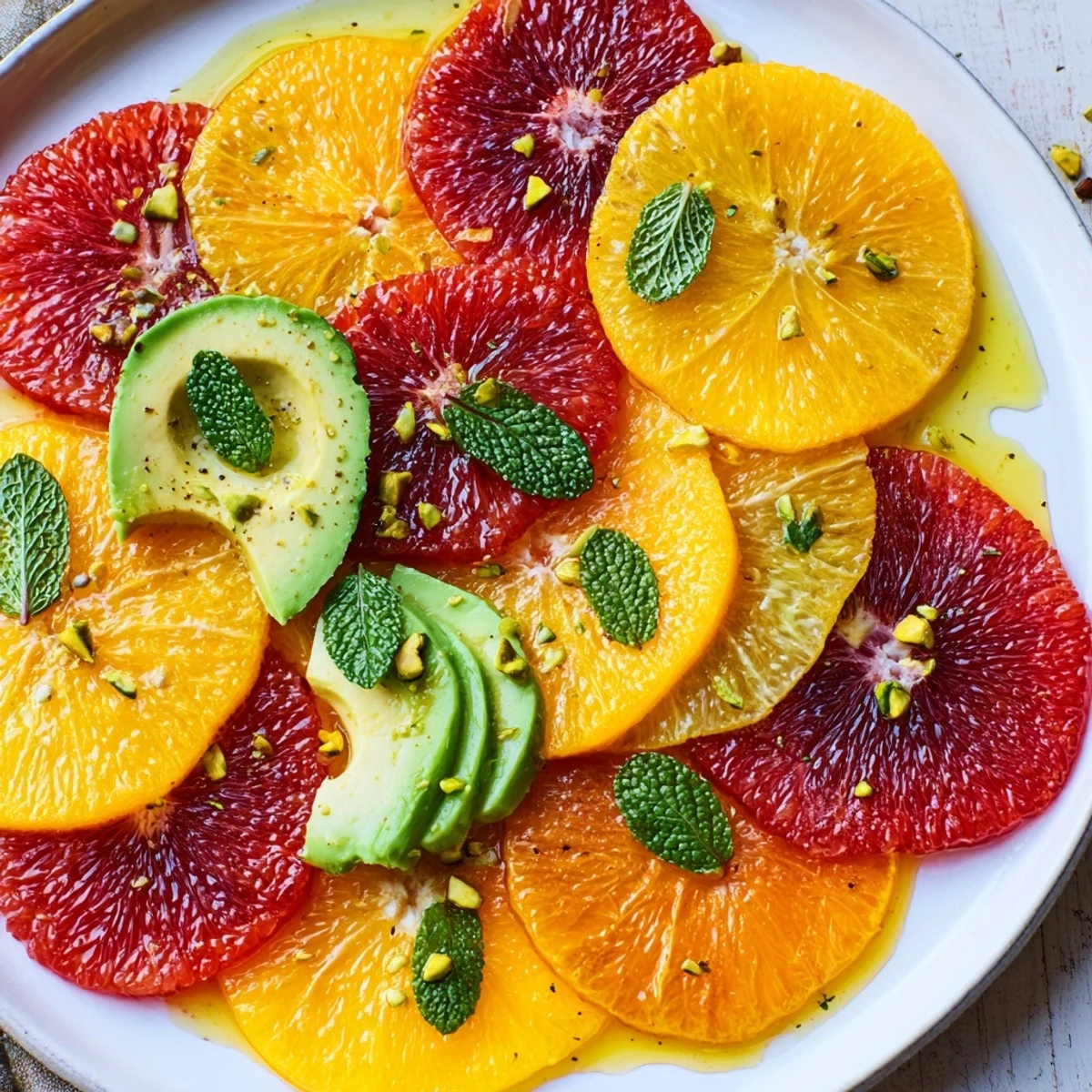
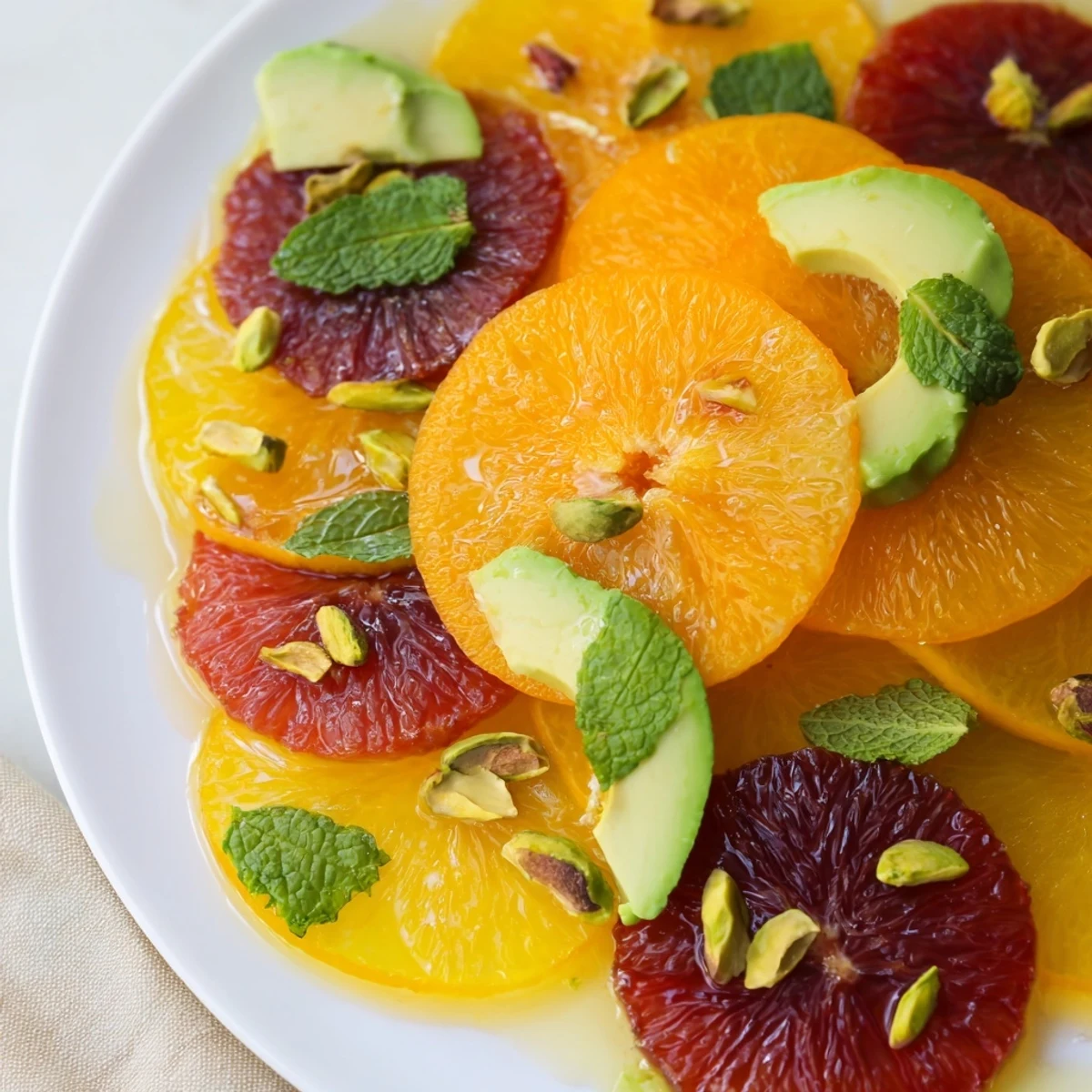
 This salad combines juicy winter citrus fruits with creamy avocado slices and fresh mint leaves, creating a bright and refreshing dish ideal for colder months. The dressing balances olive oil, lemon juice, honey or maple syrup, and Dijon mustard to enhance the flavors. Toasted pistachios or almonds add a crunchy, nutty finish. Ready in 15 minutes, it’s a simple, flavorful way to enjoy seasonal produce and light, fresh tastes.
There's something almost defiant about making a bright, summery salad in the middle of January—like you're refusing to let the season get you down. I discovered this particular combination while standing in the produce section on a gray afternoon, drawn to the jewel tones of blood oranges and the neon-yellow grapefruits piled impossibly high. The avocado caught my eye next, and suddenly I had the whole picture in my head: something cool, something alive, something that tasted like possibility.
I made this for my sister during one of her visits home, and she actually put her fork down mid-bite to say it was perfect. That was the moment I realized this salad wasn't just a nice lunch—it was the kind of dish that reminds people why they love eating.
Ingredients
- Blood oranges and regular oranges: Buy them when they're heavy for their size, which means maximum juice and flavor.
- Grapefruit: The pink or red varieties add visual drama and a gentle bitterness that balances the sweetness.
- Ripe avocados: Soft to the touch but not mushy—cut them right before serving or they'll turn an uninviting gray.
- Fresh mint: The tear method releases more fragrance than chopping, and your hands will smell incredible.
- Extra-virgin olive oil: This is where you use the good stuff, because there's nowhere for mediocre oil to hide.
- Lemon juice: Fresh-squeezed makes a real difference here, brightening everything it touches.
- Honey or maple syrup: Just a touch to coax out the natural sweetness of the fruit without turning it into dessert.
- Dijon mustard: The secret ingredient that adds depth and helps the dressing emulsify properly.
- Pistachios or almonds: Toast them yourself if you can—the smell alone is worth the five extra minutes.
Instructions
- Slice and arrange your citrus:
- Peel your oranges, blood oranges, and grapefruit with a sharp knife, cutting away the white pith—you want the jewel tones to shine through. Lay the slices on your biggest platter in overlapping rings, like you're creating a work of art.
- Add the creamy layer:
- Slice your avocados lengthwise, remove the pit, and carefully fan the slices over the citrus in swooping motions. Work gently here—bruised avocado looks sad.
- Scatter the mint:
- Tear the mint leaves with your fingers rather than cutting them, then scatter them across the salad where the colors need a boost. The torn edges will release more of that cooling, aromatic quality.
- Whisk your dressing:
- In a small bowl, whisk the olive oil and lemon juice together first, then add the honey, mustard, salt, and pepper. Keep whisking until it emulsifies—you'll feel the texture change and suddenly it becomes cohesive instead of separated.
- Dress and finish:
- Drizzle the dressing evenly across the salad in a light spiral pattern. Top with toasted nuts if you're using them, then serve immediately before the avocado has a chance to oxidize.
 Pin it
 What makes this salad memorable is that moment when someone tastes it and realizes how much flavor came from respecting simple ingredients. That's when it stopped being just lunch and became something I wanted to make again and again.
Playing with Seasons and Citrus
Winter is the only season when citrus really shines bright—summer berries get all the attention, but there's something quietly powerful about the spectrum of winter citrus. The blood oranges are deeper, more complex; the grapefruits carry that nostalgic, slightly tart quality that feels earned rather than borrowed. You don't need to stick to these three varieties either. Cara cara oranges, tangerines, pomelos, and even clementines all work beautifully here. The rule I follow is simple: if it looks good and smells bright, it belongs on this platter.
The Dressing That Actually Works
The secret to this dressing isn't a secret at all—it's the Dijon mustard. Mustard is an emulsifier, which means it holds oil and acid together instead of letting them separate into a sad, broken mess. I learned this the hard way, after making countless salad dressings that would split five minutes in. The honey rounds out any harshness, and the ratio of lemon to oil keeps everything balanced so you taste brightness rather than heaviness. This is the kind of dressing that makes you want to drink it straight from the bowl, though probably you shouldn't.
Making It Your Own
This salad is a framework, not a command—the best part about it is how it welcomes improvisation without losing its identity. Some days I skip the nuts entirely and finish it with a pinch of flaky sea salt instead. Other times I've added pomegranate seeds for extra texture, or a very fine shaving of red onion for a whisper of sharpness. If you're serving this alongside grilled fish or roast chicken, it acts like a palate cleanser and a flavor anchor at the same time.
- Swap the nuts for pumpkin seeds or sunflower seeds if you're keeping it nut-free.
- A light dusting of flaky sea salt at the end adds an unexpected textural contrast and brings everything into focus.
- If you make this ahead of the dressing step, store everything separately and assemble only when you're ready to serve.
 Pin it
 This salad reminds me that sometimes the best food doesn't require cooking at all—just the good sense to gather beautiful ingredients and let them speak for themselves. It's the kind of thing you make when you want to feel alive in the middle of winter.
Recipe FAQs
- → What citrus fruits work best for this salad?
-
Oranges, blood oranges, and grapefruit provide a balance of sweetness and tartness ideal for this salad.
- → Can I substitute the nuts in the garnish?
-
Yes, toasted pistachios or almonds can be swapped for pumpkin seeds to avoid nuts if needed.
- → Is there a suggested dressing for this salad?
-
The dressing combines extra-virgin olive oil, fresh lemon juice, honey or maple syrup, Dijon mustard, salt, and pepper for a tangy, slightly sweet flavor.
- → Can I prepare this salad in advance?
-
To keep avocado fresh, prepare the salad just before serving or add avocado slices right before serving to maintain texture.
- → What dishes pair well with this salad?
-
This salad pairs wonderfully with grilled fish, roast chicken, or as a light starter to any meal.