 Pin it
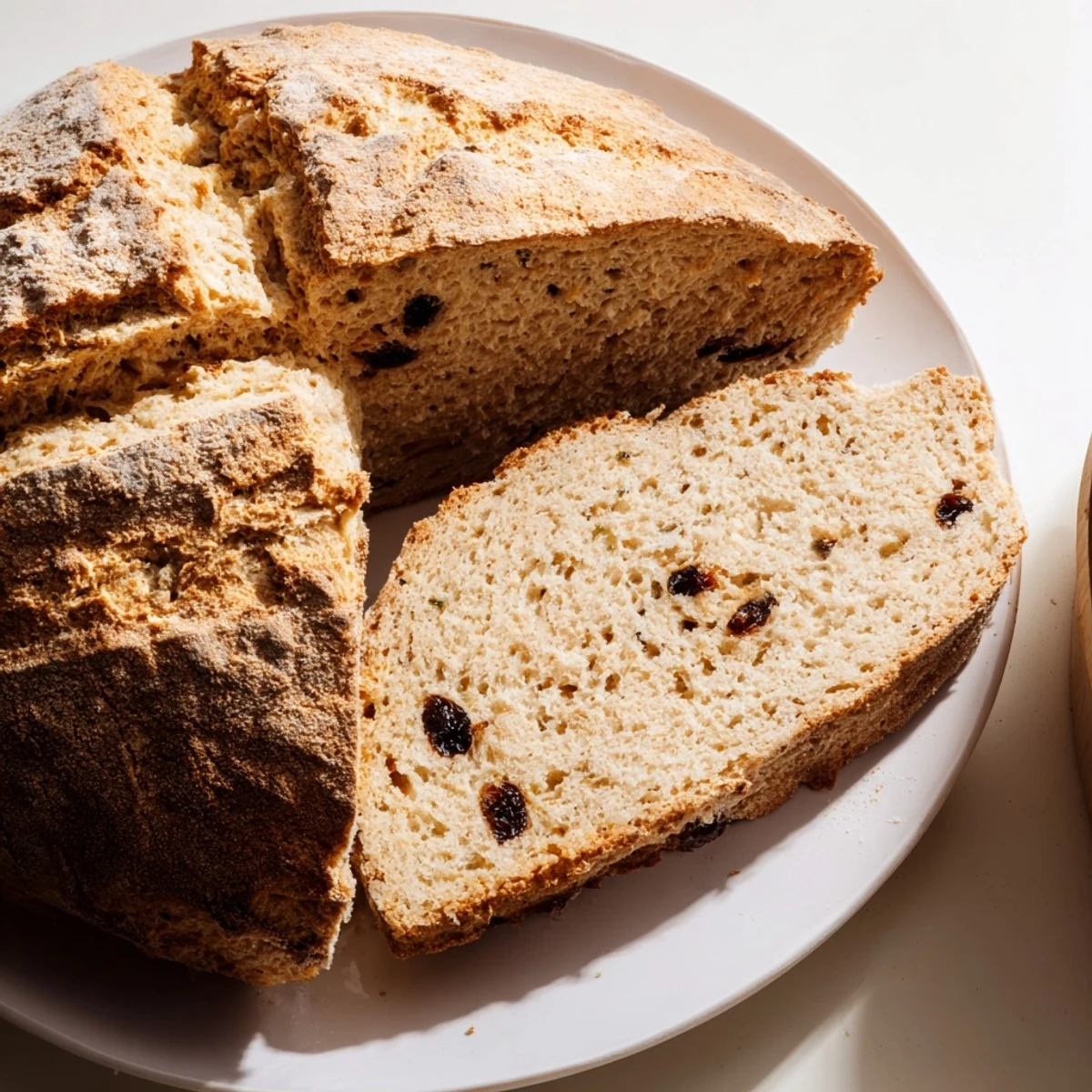
 This wholesome loaf combines sturdy whole wheat flour with sweet dried currants to create a rustic treat perfect for any time of day. A simple quick bread, it uses baking soda as a leavening agent and incorporates buttermilk and melted butter to keep the texture moist and tender. Baking a deep cross on top ensures even rising and a golden crust. Serve warm with butter, honey, or jam to highlight its hearty flavors.
Preparation is straightforward, mixing dry and wet ingredients gently to avoid overworking the dough. The result is an inviting loaf great for breakfast or a snack alongside your favorite tea. Optional add-ins like orange zest or raisins add versatile notes to this easy-to-make bread.
There's something magical about a bread that requires no patience whatsoever—no rising, no waiting, no anxiety about whether the yeast has awakened from its slumber. This whole wheat soda bread became my go-to during those chaotic mornings when I still wanted something homemade and warm. The first time I made it, I was genuinely shocked that something so rustic could emerge from my oven in under an hour. Now it's become a weekend ritual that fills the kitchen with the most comforting aroma.
Last winter, during that particularly gray stretch where February felt like it would never end, I started baking this bread every Sunday morning. My roommate would stumble into the kitchen, drawn by the smell, and we'd slice it warm with way too much butter. Those simple moments, standing by the oven window watching the bread turn golden, became the bright spot in otherwise dreary weeks. Something about breaking bread together makes even the coldest day feel cozier.
Ingredients
- Whole wheat flour: The heartier flour gives this bread its characteristic nutty flavor and dense, satisfying crumb
- Allpurpose flour: Just enough to keep the bread tender—whole wheat alone can make it too heavy
- Baking soda: This is your leavening agent, reacting with the buttermilk to create those lovely air pockets
- Salt: Essential for flavor balance and helps control the soda reaction
- Granulated sugar: Just enough to highlight the currants without making the bread sweet
- Dried currants: These little gems distribute throughout the dough, offering bursts of sweetness in every bite
- Buttermilk: The acidity activates the baking soda and creates a tender, moist crumb
- Unsalted butter melted: Adds richness and helps create a beautiful golden crust
Instructions
- Preheat your oven:
- Get it to 400°F and line a baking sheet with parchment paper—this prevents sticking and makes cleanup effortless
- Whisk the dry ingredients:
- In a large bowl, combine both flours, baking soda, salt, and sugar until everything is evenly distributed
- Add the currants:
- Stir them in so they're coated with flour—this keeps them from sinking to the bottom during baking
- Create the well:
- Make a hollow in the center of your flour mixture and pour in the buttermilk and melted butter
- Mix gently:
- Use a wooden spoon or your hands to combine everything just until a sticky dough forms—overworking will make your bread tough
- Shape the loaf:
- Turn the dough onto a floured surface and gently form it into a round about 7 inches across
- Score the top:
- Cut a deep X across the loaf with a sharp knife—this helps the center bake through and gives it that classic soda bread look
- Bake until golden:
- Pop it in the oven for 35 to 40 minutes until it's beautifully browned and sounds hollow when tapped
- Cool completely:
- Let it rest on a wire rack for at least 30 minutes—slicing it too soon will make the crumb gummy
 Pin it
 My grandmother would have laughed at how seriously I took bread making initially, standing over the oven like a hawk. She'd tell me that soda bread was farmers' food, meant to be thrown together between chores. There's something liberating about that approach—less perfection, more sustenance. This bread has taught me that sometimes the humblest recipes are the ones that bring the most joy to a table.
Making It Your Own
I've experimented with adding orange zest to the dry ingredients, and honestly, it transforms the bread into something even more special. The citrus notes brighten the whole wheat and play beautifully with the currants. Sometimes I'll swap in raisins if that's what I have in the pantry, though currants remain my favorite for their subtle sweetness.
Serving Suggestions
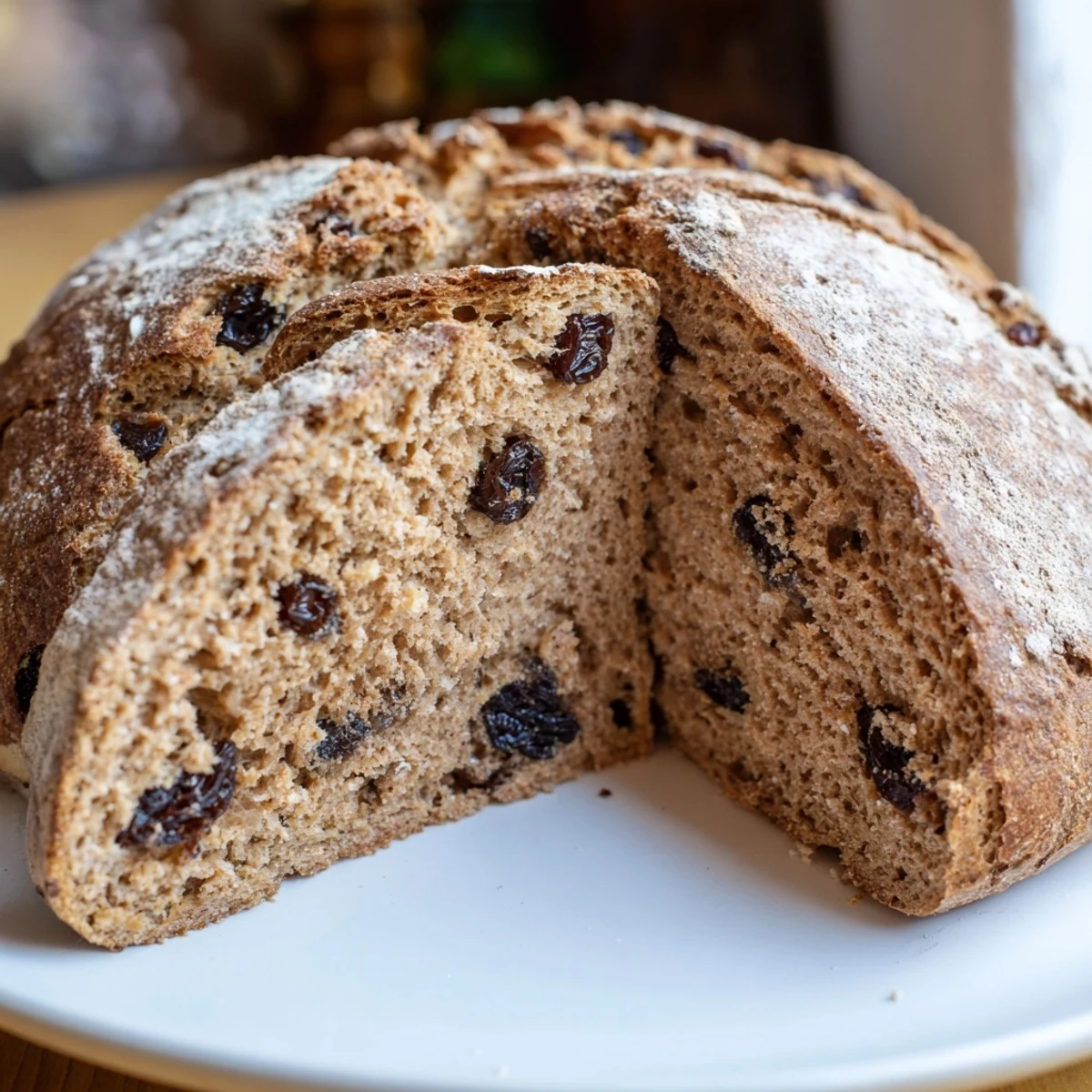
This bread deserves to be eaten warm, slathered with butter that's melted into all those little crevices. Honey or jam work wonderfully too, especially if you're serving it for breakfast. I've also been known to slice it and toast leftovers the next day—the exterior gets wonderfully crisp while the inside stays tender.
Storage And Freshness
Soda bread is at its absolute best the day it's made, when the crust is still slightly crisp and the interior is tender. That said, it's still quite good the next day, especially toasted. Wrap any leftovers in a clean kitchen towel or paper bag—plastic will make the crust soggy.
- Freeze extra loaves wrapped tightly in plastic and foil for up to a month
- Revive dayold bread by sprinkling with water and warming in a 350°F oven for 10 minutes
- The X cut on top isn't just traditional—it helps heat penetrate to the center
 Pin it
 There's nothing quite like the satisfaction of pulling a freshly baked loaf from the oven, especially one you made with your own hands. This soda bread has become a staple in my kitchen, and I hope it finds a regular place in yours too.
Recipe FAQs
- → What gives this bread its rise?
-
Baking soda reacts with buttermilk to create carbon dioxide, helping the bread rise quickly without yeast.
- → Can I substitute currants with other dried fruits?
-
Yes, raisins or dried cranberries make excellent alternatives, adding similar sweetness and texture.
- → Why is the cross cut on top important?
-
Scoring the dough allows steam to escape and promotes even baking with a well-formed crust.
- → How should the bread be stored after baking?
-
Keep the loaf wrapped at room temperature and consume within a day or toast leftovers to refresh.
- → What texture can I expect from this loaf?
-
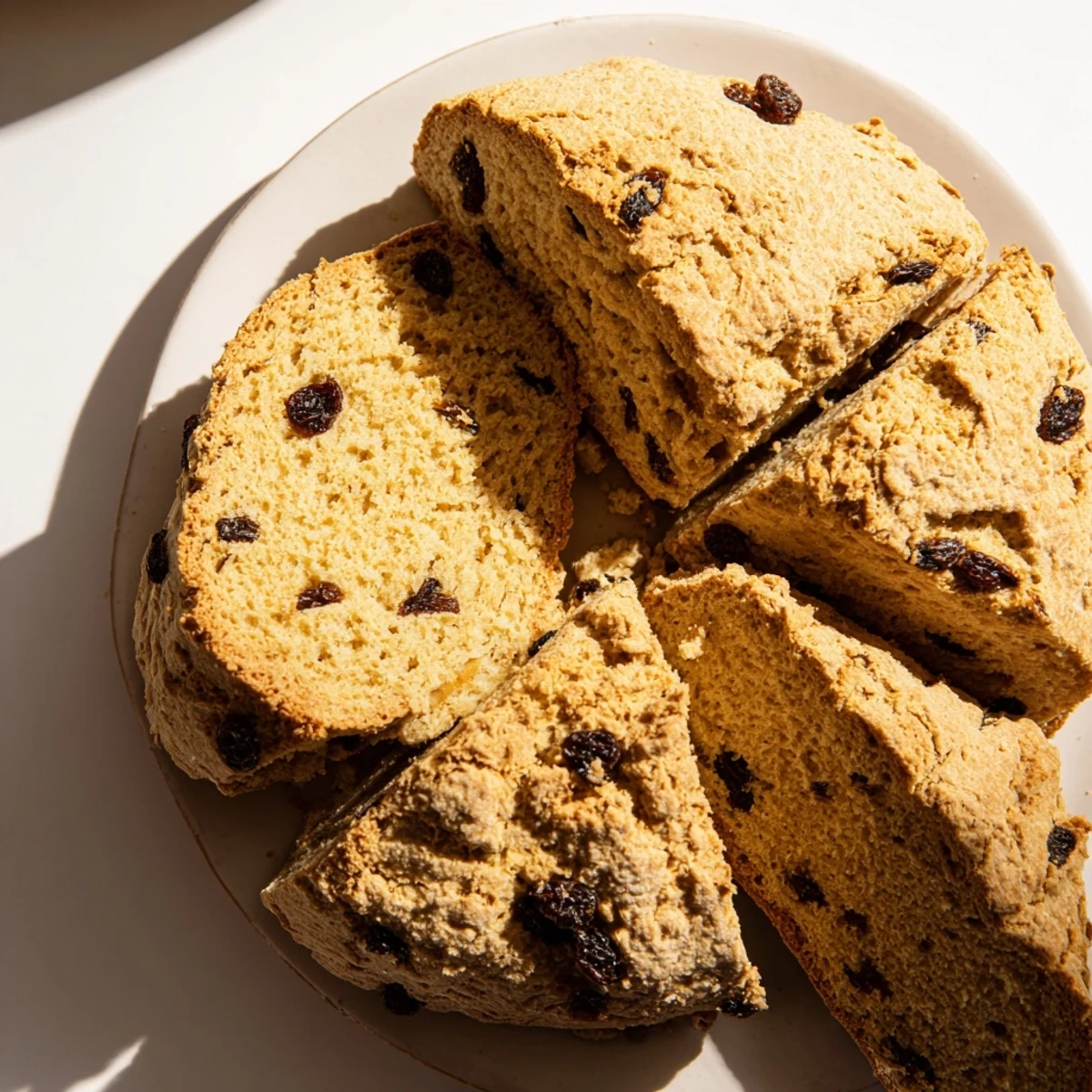
The bread is hearty yet tender with a moist crumb, offset by bursts of sweet currants throughout.