 Pin it
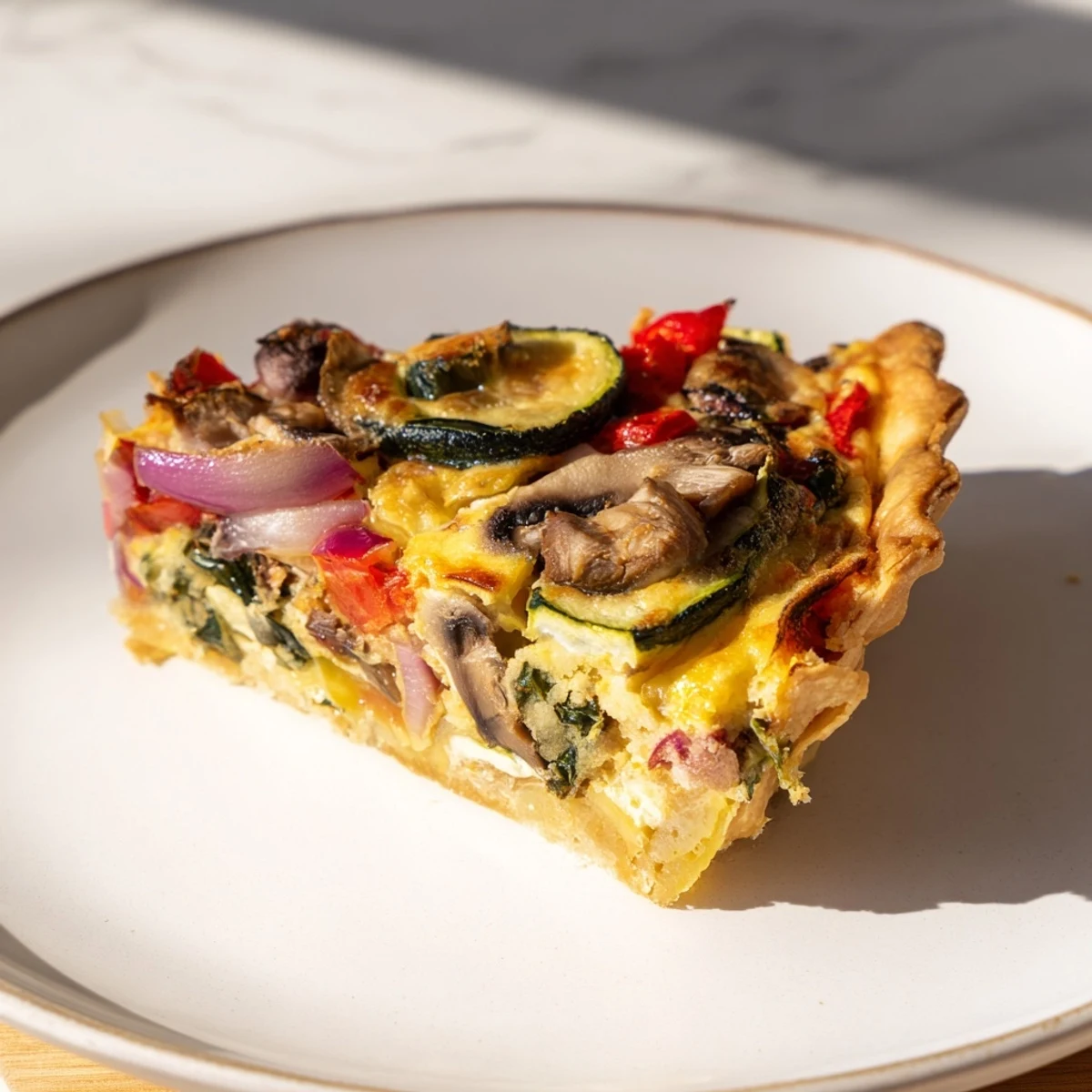
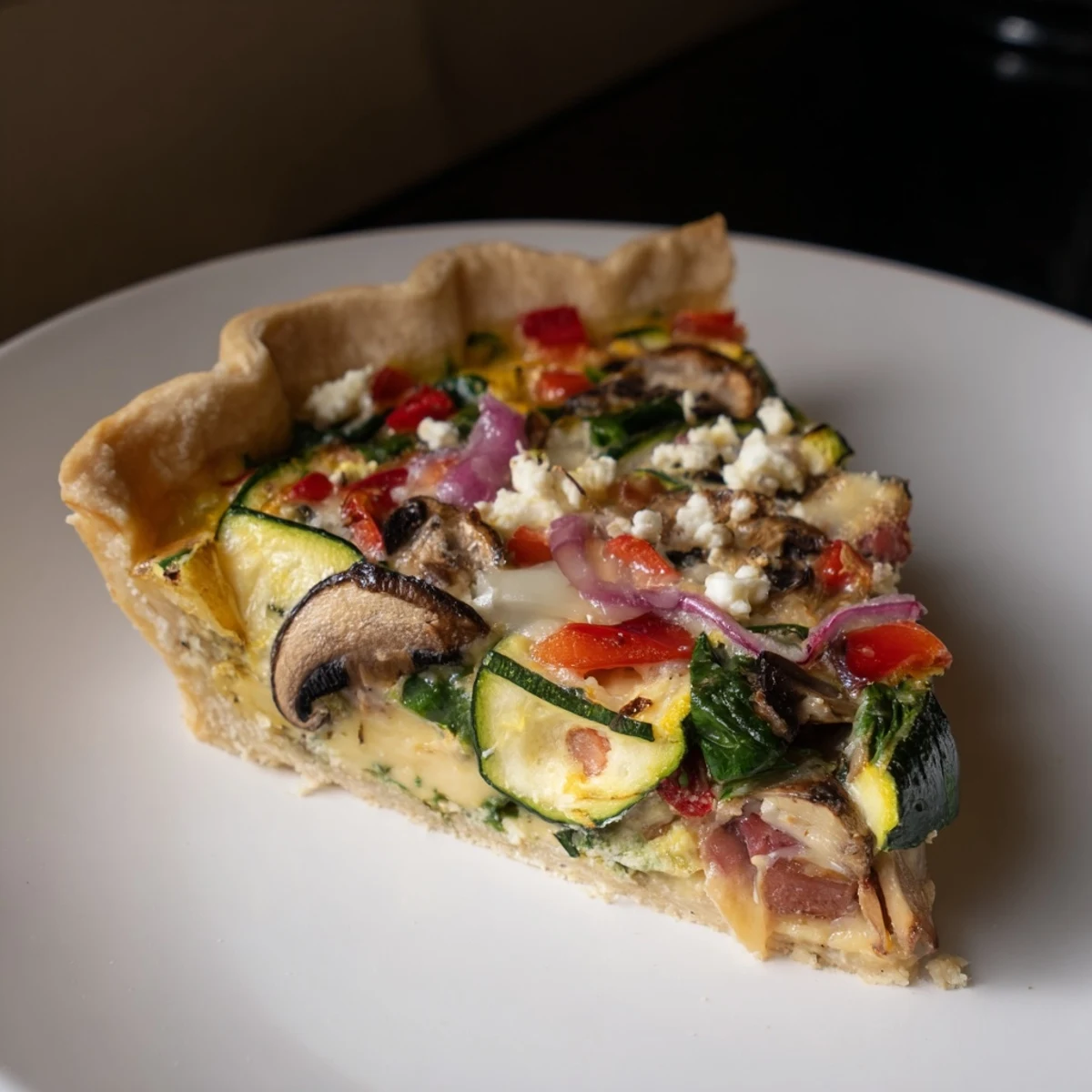
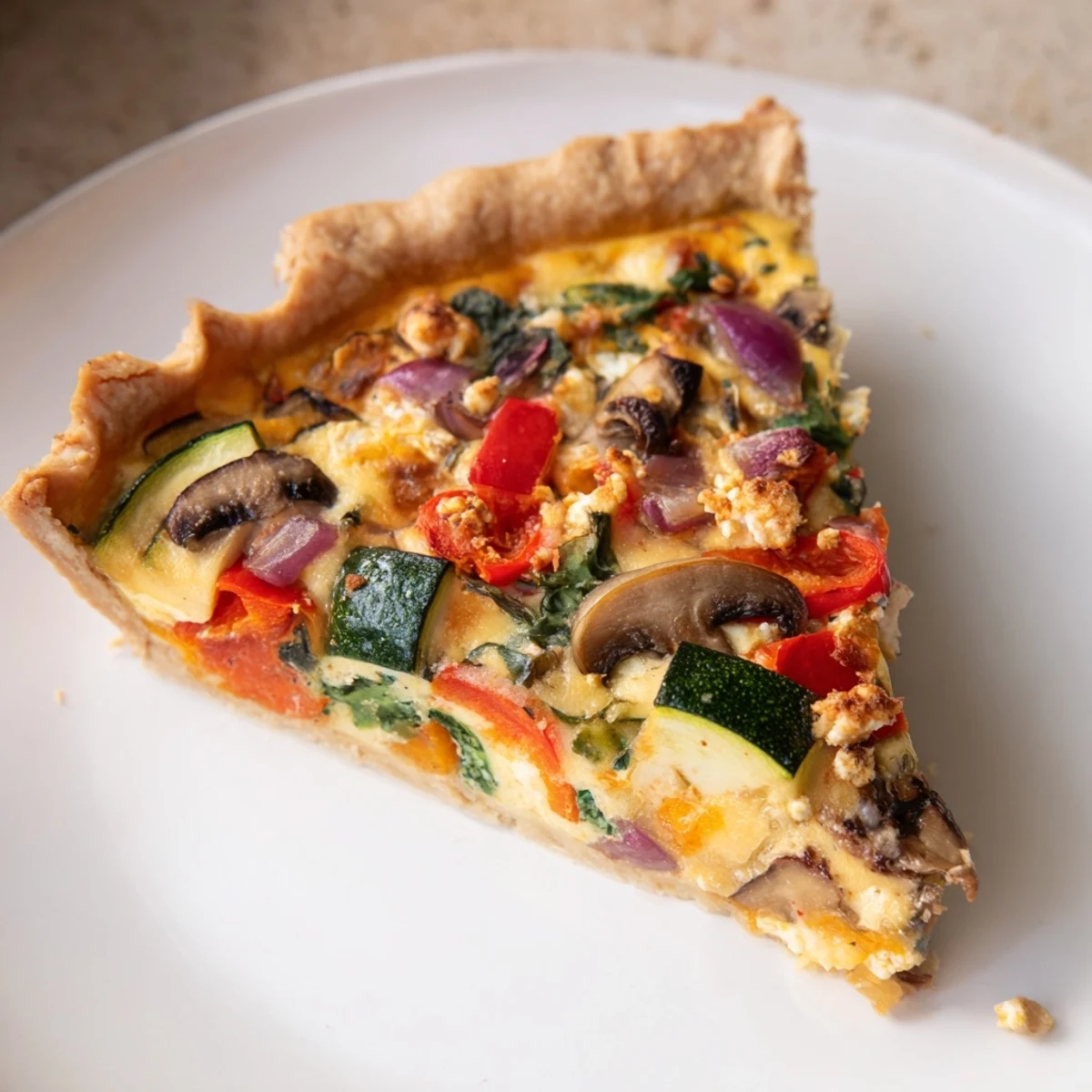
 This dish features a flaky pastry base filled with a vibrant mix of sautéed zucchini, red bell pepper, mushrooms, spinach, and red onion. A creamy custard of eggs, milk, and cream binds the filling, with Gruyère and optional feta adding richness. Blind baking the crust ensures a crisp base, while gentle baking sets the custard to a golden finish. Ideal for brunch, lunch, or light dinners, it's a delightful way to enjoy a medley of fresh flavors in every slice.
There's something about a slice of quiche that stops a weekday morning in its tracks. I learned to make this vegetable version years ago when a friend brought one to a potluck, and I couldn't figure out how something so elegant could be this forgiving to make. The first time I tried, I was nervous about the custard, worried it would crack or stay runny, but watching it puff up golden in the oven felt like small kitchen magic. Now it's become my go-to when I want something that feels restaurant-quality but doesn't demand hours of fussing.
I remember making this on a Sunday afternoon when my sister called to say she was swinging by after her farmers market run with armfuls of fresh vegetables. I had no plan, but I knew quiche was the answer, and watching her face light up when she realized I'd made it from scratch that morning something shifted in how I thought about cooking. It wasn't about following instructions perfectly; it was about having the confidence to say yes to people showing up in your life.
Ingredients
- Ready-made shortcrust pastry (1 sheet, 230 g): Using store-bought saves time without sacrificing quality, though homemade is wonderful if you have the energy for it.
- Zucchini (1 small, diced): Choose one that feels firm and not waterlogged; soggy zucchini can make your quiche watery, so pat pieces dry before cooking.
- Red bell pepper (1, diced): The sweetness balances the earthiness of the other vegetables and adds a pop of color.
- Mushrooms (1 cup, 100 g sliced): I use cremini or button mushrooms; they cook down gracefully and add umami depth to every bite.
- Baby spinach (1 cup, 80 g chopped): It wilts dramatically in the pan but shrinks to almost nothing, leaving just flavor and nutrients behind.
- Red onion (1 small, finely chopped): The sharpness softens as it cooks, creating a subtle sweetness that ties all the vegetables together.
- Olive oil (1 tbsp): Just enough to coat the pan and coax out the vegetables' natural flavors without drowning them.
- Eggs (4 large): These are your custard's backbone; don't skip them or substitute, or the whole thing won't set.
- Whole milk (1 cup, 240 ml): Whole milk creates a richer custard than skim, and that richness is what makes people take seconds.
- Heavy cream (1/2 cup, 120 ml): This is the luxury ingredient that makes the custard silky; if you're being budget-conscious, use all milk, but cream is worth it.
- Salt and black pepper (1/2 tsp salt, 1/4 tsp pepper): Season generously; the egg base needs flavor to sing.
- Ground nutmeg (1/4 tsp): A whisper of nutmeg in a savory custard sounds odd until you taste how it wakes up every other flavor.
- Gruyère or Swiss cheese (1 cup, 100 g grated): These cheeses melt smoothly and add a slight nuttiness that complements the vegetables.
- Feta cheese (1/2 cup, 50 g crumbled, optional): Feta adds tang and a little texture; if you skip it, increase the Gruyère by a quarter cup.
Instructions
- Warm your oven and chill your pastry:
- Preheat to 375°F (190°C). Roll out your pastry and line a 9-inch tart pan, then trim and prick the base with a fork so it doesn't puff up unevenly. The chill in the fridge for 10 minutes actually matters because it keeps the pastry from shrinking.
- Blind bake the crust:
- Line with parchment paper, weigh it down with baking weights or dried beans, and bake for 12 minutes. Remove the weights and paper, bake 5 more minutes until pale gold. You'll smell the butter at this point, and that's the signal it's ready.
- Cook the vegetables:
- While the crust cools, heat olive oil in a skillet over medium heat. Start with the onion, zucchini, and bell pepper for 5 minutes, then add mushrooms and cook 3 more minutes until they release their moisture and turn tender. Toss in spinach last and stir until it's dark green and wilted.
- Make the custard:
- Whisk together eggs, milk, cream, salt, pepper, and nutmeg in a bowl until smooth and pale. Don't rush this step; proper whisking incorporates air and creates a lighter, more delicate custard.
- Assemble the quiche:
- Spread cooled vegetables over the cooled crust, scatter both cheeses on top, then pour the custard over everything. It'll look loose and fragile, but it'll set into something beautiful.
- Bake until golden and set:
- Bake for 35 to 40 minutes until the custard puffs slightly and the top turns golden brown. The center should jiggle just a tiny bit when you shake the pan; it'll firm up as it cools.
- Rest and serve:
- Let it cool for 10 minutes before slicing so the custard firms up completely. Serve warm or at room temperature, with a side salad and confidence.
 Pin it
 The first time my neighbor tasted this quiche, she asked if I'd learned to cook in France, which made me laugh because honestly I'd just followed the instructions on a Tuesday. But there's something about feeding people something that looks like you spent all day on it when really you just stayed present and didn't panic about timing. That's when quiche stopped being a recipe for me and became a way of showing someone they were worth the small effort.
Vegetable Swaps That Always Work
The beauty of quiche is its flexibility, and I've learned this through trial and more trial. Broccoli florets, thin asparagus spears, or tender leek slices all work beautifully in place of what I've listed here. The rule I follow is simple: if it's delicious raw and cooks in under 5 minutes, it belongs in quiche. Caramelized onions are a revelation if you have 20 extra minutes, and sun-dried tomatoes add an unexpected richness that makes people ask what your secret ingredient is.
Making It Your Own
I've made this quiche with half-and-half instead of cream when I was being budget-conscious, and it was still silky and delicious, just slightly less decadent. I've also experimented with different cheese combinations: goat cheese is bright and tangy, sharp cheddar adds bite, and sometimes I use a mix of whatever's in my cheese drawer. The custard is flexible too; if you prefer a lighter version, use all milk, or swap in sour cream for half the cream for a subtle tang that nobody expects but everyone loves.
Pairing and Serving Ideas
A crisp green salad with a lemon vinaigrette is the perfect companion, cutting through the richness with fresh acidity. I usually pair it with a glass of Chardonnay if it's that kind of day, or just cold water and good company if it's brunch time. Leftovers reheat beautifully in a 325°F oven for about 15 minutes, or you can eat slices straight from the fridge for a cold lunch that tastes like you planned ahead.
- Serve it at room temperature for a more delicate flavor; chilling mutes the custard's subtle nuttiness.
- Slice it with a hot, wet knife for clean cuts that don't crack or crumble.
- Make it the night before if you're feeding guests; it actually tastes better after the flavors have had time to settle.
 Pin it
 Quiche taught me that some of the most memorable meals come from having confidence to work with what you have and trust the process. There's real joy in pulling something beautiful and nourishing from your oven and sharing it with people who matter.
Recipe FAQs
- → Can I substitute the vegetables in this quiche?
-
Yes, feel free to use other vegetables such as broccoli, asparagus, or leeks depending on availability and preference.
- → What type of cheese works best in this quiche?
-
Gruyère or Swiss cheese provide a nutty profile, while crumbled feta adds a tangy contrast. Both blend well with the custard.
- → How do I ensure the pastry crust stays crisp?
-
Blind bake the crust with parchment and baking weights before adding the filling to prevent sogginess and achieve a flaky base.
- → Can I make a lighter version of the custard?
-
Yes, substituting cream with half-and-half or using only milk can reduce richness while maintaining texture.
- → What temperature and time are best for baking this dish?
-
Bake at 375°F (190°C) for 35–40 minutes until the custard is set and the top is golden brown.