 Pin it
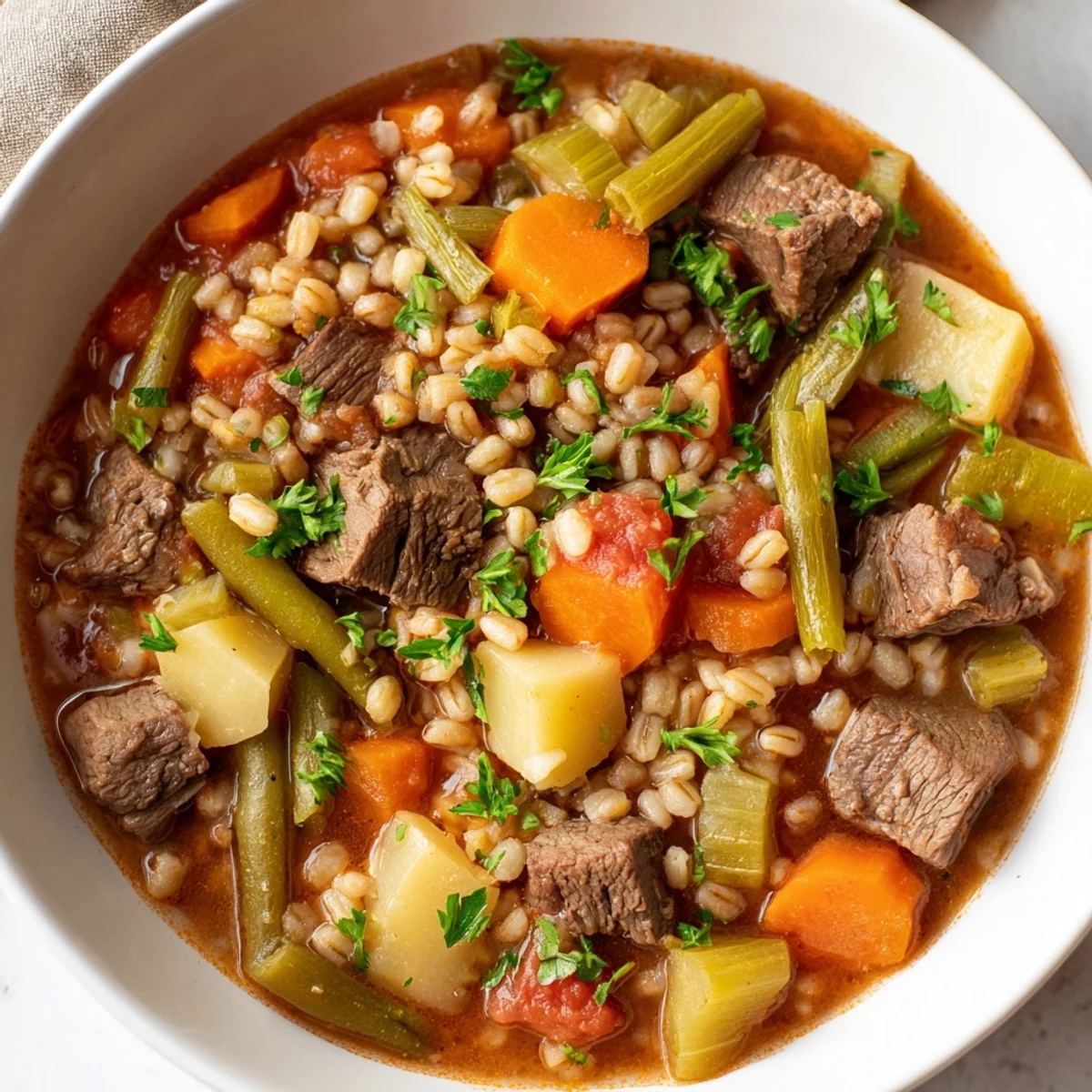
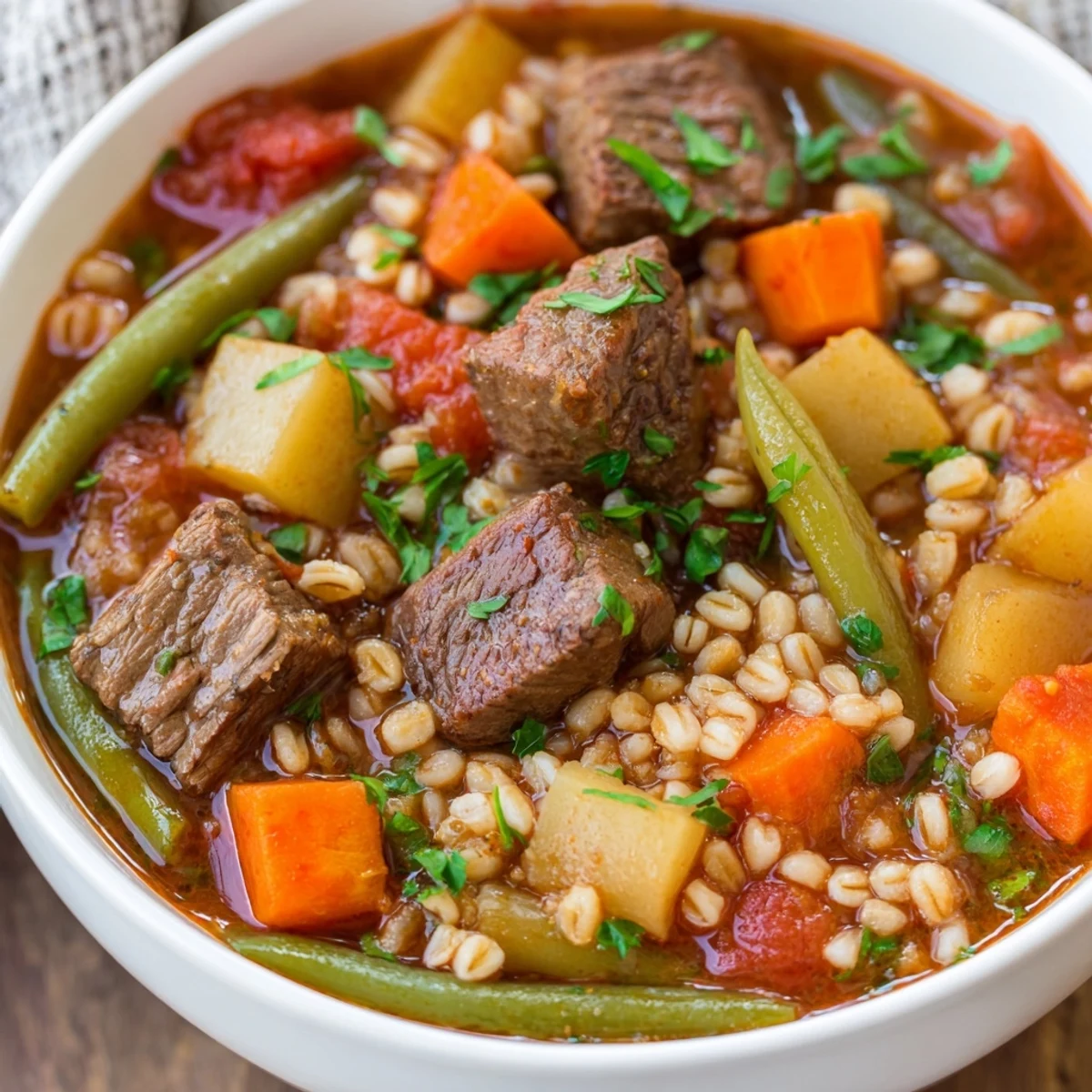
 This hearty stew features tender beef chuck, pearl barley, and a vibrant mix of vegetables enveloped in savory broth. The ingredients are gently simmered for up to two hours to develop deep flavors and a rich texture. Aromatic herbs like thyme and oregano add complexity, while fresh parsley brightens each serving. Ideal for chilly days, this dish warms and nourishes with a satisfying medley of wholesome components. Prepare in a large pot, brown the meat first, then combine vegetables and grains to slowly cook until tender.
One November evening, I tossed beef cubes into a hot pot and the sizzle filled my kitchen with a smell that made my neighbor knock and ask what I was making. I'd been craving something that stuck to your ribs, something that tasted like patience. This stew became that dish, the kind you stir slowly while the windows fog up and the world outside feels far away.
I made this for my sister after she moved into her first apartment with no furniture and a single folding chair. We sat on the floor with bowls in our laps, and she said it tasted like something our grandmother would have made if she'd ever owned a Dutch oven. That became the highest compliment I'd ever received for a pot of stew.
Ingredients
- Beef chuck (1.5 lbs, cubed): This cut breaks down slow and becomes fork-tender, the kind of meat that falls apart if you look at it wrong after two hours.
- Pearl barley (3/4 cup, rinsed): Rinsing keeps it from turning gummy, and it adds a nutty chew that makes the stew feel hearty without being heavy.
- Olive oil (2 tablespoons): Just enough to brown the beef and build that caramelized fond on the bottom of the pot.
- Onion (1 large, diced): The base of every good stew, it melts into sweetness and disappears into the broth.
- Garlic (3 cloves, minced): Don't skip this step, that one minute of stirring fills the whole house with warmth.
- Carrots (3 medium, sliced): They hold their shape and add a touch of natural sweetness that balances the savory beef.
- Celery (2 stalks, sliced): It gives the broth a vegetal backbone, subtle but essential.
- Potatoes (2 medium, peeled and diced): They break down just a little at the edges and thicken the stew without any flour.
- Green beans (1 cup, trimmed and cut): I add these for color and a bit of snap, they soften but don't turn to mush.
- Diced tomatoes (1 can, 14.5 oz, undrained): The acidity brightens everything and keeps the stew from feeling one-note.
- Beef broth (6 cups, low sodium preferred): Low sodium gives you control over the salt, especially after it reduces for two hours.
- Water (1 cup): This loosens the broth just enough so it doesn't get too thick too fast.
- Salt (2 teaspoons, adjust to taste): Start with less, you can always add more at the end.
- Black pepper (1/2 teaspoon): Freshly cracked is best, but the pre-ground stuff works fine here.
- Dried thyme (1 teaspoon): It smells like a cottage in the woods and tastes like comfort.
- Dried oregano (1 teaspoon): A little herby punch that plays well with tomatoes and beef.
- Bay leaves (2): Don't forget to fish these out before serving, they've done their job by then.
- Fresh parsley (2 tablespoons, chopped, for garnish): A handful of green at the end makes it look like you care, and it tastes bright against all that richness.
Instructions
- Brown the beef:
- Heat olive oil in a large Dutch oven over medium-high heat until it shimmers. Add beef cubes in batches, letting them sear without crowding, until each side turns deep brown and smells like a steakhouse.
- Soften the aromatics:
- Toss in onion, carrots, and celery, scraping up the tasty browned bits stuck to the bottom. Let them sauté for 4 to 5 minutes until the onion turns translucent and the kitchen smells sweet.
- Add the garlic:
- Stir in minced garlic and cook for just one minute, stirring constantly so it doesn't burn. You'll know it's ready when the smell makes you want to lean closer to the pot.
- Build the stew:
- Return the beef to the pot along with potatoes, green beans, diced tomatoes with their juice, barley, beef broth, water, salt, pepper, thyme, oregano, and bay leaves. Stir everything together and let the colors mix into something beautiful.
- Simmer low and slow:
- Bring the whole pot to a boil, then drop the heat to low, cover it, and let it simmer for 1.5 to 2 hours, stirring every 20 minutes or so. The beef will go from chewy to tender, and the barley will plump up like little pillows.
- Finish and serve:
- Pull out the bay leaves, taste the broth, and add more salt if it needs it. Ladle into bowls and scatter fresh parsley on top before serving.
 Pin it
 I once brought a container of this stew to a potluck and someone asked if I'd used a family recipe passed down for generations. I laughed and said no, just a weeknight experiment that worked out. But after that, it became my go-to for anyone who needed feeding, anyone who needed to feel cared for without a single word spoken.
What to Serve It With
I love this stew with a hunk of crusty bread for dipping, the kind with a hard crust and soft middle that soaks up every drop. A simple green salad with lemon vinaigrette cuts through the richness, and if you're feeling fancy, a glass of red wine that you didn't put in the pot works beautifully. Sometimes I just eat it alone in a big bowl with nothing else, and that feels like enough.
How to Store and Reheat
Let the stew cool completely before transferring it to airtight containers, it'll keep in the fridge for up to four days. When you reheat it on the stove, add a splash of water or broth because the barley keeps soaking up liquid even after cooking. I've frozen it in portions too, and it thaws beautifully for those nights when cooking from scratch feels impossible.
Ways to Make It Your Own
This stew is forgiving and takes well to swaps and additions based on what's in your kitchen. I've thrown in parsnips when I had them, stirred in a handful of kale at the end for color, and once added a splash of red wine with the broth that made it taste like I'd been cooking all day. If you want to skip the meat, use a pound of mushrooms and vegetable broth, the barley and vegetables still make it satisfying.
- Add a splash of balsamic vinegar at the end for a subtle tangy depth.
- Swap pearl barley for farro if you want a chewier grain with a slightly different flavor.
- Toss in a handful of frozen peas in the last 10 minutes for extra color and sweetness.
 Pin it
 This stew has become my answer to cold nights, bad days, and the need to feed people something that feels like a hug. I hope it does the same for you.
Recipe FAQs
- → What cut of beef works best for this stew?
-
Beef chuck cut into 1-inch cubes is ideal for slow cooking, providing tenderness and rich flavor.
- → Can I substitute pearl barley with another grain?
-
Yes, hulled barley or even farro can be used, but adjust cooking times accordingly for texture.
- → How do I ensure the vegetables don’t become mushy?
-
Add vegetables like potatoes and green beans midway through simmering to retain their shape and slight bite.
- → What herbs enhance the stew’s flavor?
-
Dried thyme, oregano, and bay leaves infuse earthy and aromatic notes throughout the dish.
- → Can this dish be made ahead and reheated?
-
Yes, flavors deepen after resting; store chilled and gently reheat on the stovetop before serving.