 Pin it
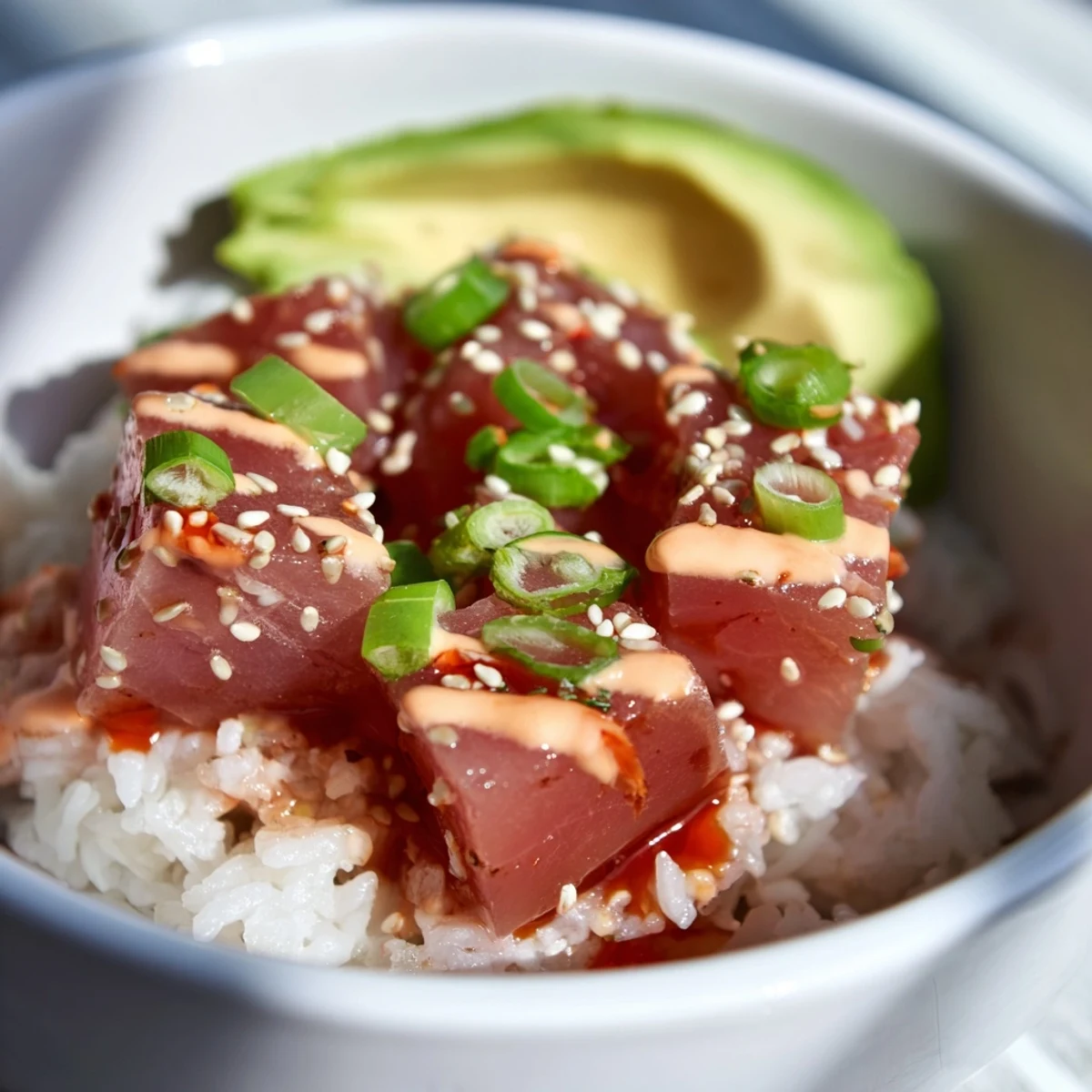
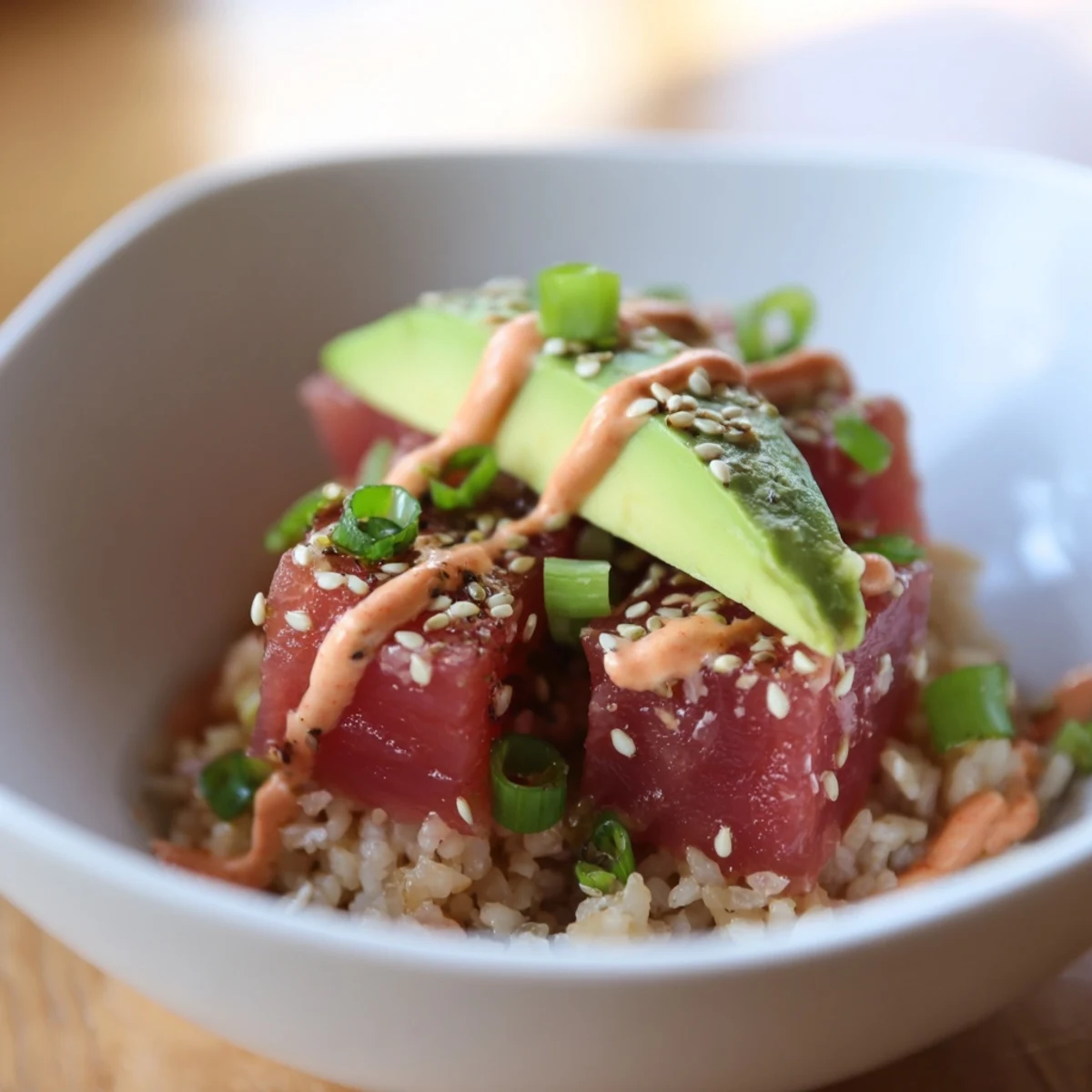
 This vibrant Hawaiian-inspired bowl pairs tender cubes of sushi-grade tuna tossed in a spicy soy and sriracha marinade atop perfectly seasoned sushi rice. Fresh avocado, cucumber, carrot, and edamame add crispness and color, while a creamy sriracha mayo drizzle ties the flavors together. Garnishes like pickled ginger, nori strips, and sesame seeds enhance texture and aroma. Quick to prepare, this dish blends fresh seafood, bold spice, and bright vegetables for a satisfying main dish experience.
A friend visiting from Tokyo brought home a container of the most incredible poke from a tiny shop in Honolulu, and I spent the entire evening trying to reverse-engineer it from taste alone. The balance of heat, umami, and that creamy sriracha drizzle stuck with me, so one Friday afternoon I decided to recreate it in my own kitchen. What started as an experiment became my go-to when I need something that feels both indulgent and light, something that tastes like I traveled somewhere without leaving my dinner table.
The first time I made this for a dinner party, I was nervous about the raw fish element and whether everyone would actually enjoy it. But watching my guests dive in, mixing their own bowls with different ratios of rice to tuna, adding extra nori or holding back on sriracha—it became this interactive, joyful meal instead of something plated and final. That moment taught me the bowl format is really about giving people permission to eat exactly how they want to.
Ingredients
- Sushi-grade tuna, cut into 1 cm cubes (400 g): This must be sushi-grade or sashimi-grade for safety; ask your fishmonger when it arrived and buy it the same day. The cubes should be roughly uniform so they marinate evenly and look beautiful in the bowl.
- Soy sauce (2 tbsp): The backbone of the marinade; use a good quality Japanese soy sauce if you have it, as it tastes noticeably cleaner and less harsh than generic versions.
- Sesame oil (1 tbsp): Use toasted sesame oil for its deep, nutty flavor—it's the difference between a good marinade and an unforgettable one.
- Rice vinegar (1 tbsp for tuna, plus 2 tbsp for rice): This adds brightness without the sharp bite of regular vinegar; it's essential for balancing the spice.
- Sriracha (1 tbsp for marinade, 1-2 tbsp for mayo): Start with less if you're unsure; you can always drizzle more on individual bowls.
- Honey (1/2 tsp): A tiny bit rounds out the spice and prevents the marinade from tasting too aggressive or one-note.
- Green onions, finely chopped (2 tbsp): Chop them right before using so they stay bright and crisp; this is where the fresh onion bite comes from.
- Toasted sesame seeds (1 tsp for marinade, extra for garnish): Toast your own if you have time—they're nuttier and more fragrant than pre-toasted versions.
- Sushi rice (250 g): Don't skip rinsing until the water runs clear; this removes excess starch and gives you fluffy, separate grains instead of a gluey mass.
- Water (330 ml): The ratio matters; too much water and your rice gets mushy.
- Sugar (1 tbsp) and salt (1/2 tsp) for rice seasoning: These dissolve into the warm rice and season it evenly throughout, not just on the surface.
- Mayonnaise, preferably Japanese Kewpie (4 tbsp): Kewpie is richer and has a subtle sweetness that makes the sriracha mayo feel more luxurious; regular mayo works but tastes flatter.
- Lime juice (1 tsp): This brightens the mayo and keeps it from feeling heavy; fresh lime is noticeably better than bottled.
- Avocado (1 small), sliced: Cut it just before assembling so it doesn't brown; a ripe avocado should yield slightly to gentle pressure.
- Cucumber (1 small), thinly sliced: The cool crispness balances all the rich and spicy elements; slice it thin enough to bend slightly.
- Carrot (1 medium), julienned: The sweetness and crunch add textural contrast; use a mandoline or vegetable peeler for thin, elegant strips.
- Edamame (100 g, shelled and cooked): Buy them frozen and thaw, or boil fresh ones with a pinch of salt for 5 minutes; they add protein and a pleasant bite.
- Pickled ginger (2 tbsp): This cuts through the richness and cleanses the palate between bites; don't skip it.
- Nori sheets, cut into strips: Cut with scissors for clean edges; nori adds umami depth and a slight crispy texture when you bite into it.
- Furikake (1 tbsp, optional): This Japanese seasoning blend of seaweed, sesame, and dried fish adds umami and visual appeal; use it sparingly unless you want every bite to taste very strong.
Instructions
- Rinse and cook the sushi rice:
- Place rice in a sieve and rinse under cold running water, stirring gently with your fingers until the water runs almost clear—this takes about 3 or 4 passes. The cloudy starch is what makes rice sticky and gluey, so don't rush this step. Combine the rinsed rice with 330 ml of water in a saucepan, bring to a boil over high heat, then immediately reduce to the lowest heat and cover with a lid. After exactly 10 minutes, remove from heat and let it sit, still covered, for another 10 minutes; the residual steam finishes the cooking perfectly.
- Season the rice with the vinegar mixture:
- While the rice is resting, mix the rice vinegar, sugar, and salt in a small bowl, stirring until the sugar and salt dissolve completely. Pour this mixture over the warm rice and gently fold it in with a rice paddle or wooden spoon, using a slicing motion rather than stirring, which breaks the grains. Let it cool to room temperature before assembling your bowls; warm rice will wilt the toppings and make everything soggy.
- Marinate the tuna in its spicy coating:
- In a separate bowl, whisk together soy sauce, sesame oil, rice vinegar, sriracha, and honey until the honey dissolves and everything is smooth. Add the tuna cubes, finely chopped green onions, and sesame seeds, then toss very gently so the cubes stay intact and don't start to break apart. Cover and refrigerate for at least 10 minutes; this allows the flavors to meld and the tuna to become cold and firm enough to eat comfortably.
- Make the sriracha mayo:
- Combine mayonnaise, sriracha, and fresh lime juice in a small bowl and whisk until completely smooth and no streaks remain. Start with 1 tablespoon of sriracha, taste it, and add more if you want more heat; remember that the tuna marinade is already spicy, so you're layering heat, not overwhelming.
- Assemble each bowl with intention:
- Divide the cooled sushi rice evenly among four bowls, gently pressing it down with the back of a spoon to create a smooth base. Arrange the spicy tuna, sliced avocado, cucumber, julienned carrot, and edamame in sections on top of the rice, creating a visually pleasing pattern. Drizzle the sriracha mayo in a thin zigzag across the top, scatter pickled ginger pieces around the bowl, add nori strips, and finish with a light sprinkle of furikake and extra sesame seeds for color and texture.
- Serve and let everyone customize:
- Bring the bowls to the table immediately while everything is still cold and crisp. Encourage your diners to mix everything together before eating, combining rice, toppings, and sauces to their liking; this is half the fun of a poke bowl.
 Pin it
 I made this for my partner on a Tuesday evening when they'd had the worst day at work, and something about the ritual of building the bowl—choosing how much of each topping, controlling the spice level, watching all those colors come together—seemed to reset everything. They told me later that the meal itself was delicious, but what stuck was the feeling of someone understanding exactly what they needed in that moment: something special that didn't require them to go anywhere or wait for a reservation.
Why Temperature and Timing Matter
The cold tuna against warm rice, the crisp vegetables against creamy mayo, the slight warmth of the sesame oil in the marinade—this bowl is entirely about temperature contrast and how it makes flavors pop. I learned this the hard way by making a batch in advance, and by the time I ate it an hour later, everything had started to equalize in temperature and the magic was gone. The rice should be completely cool or room temperature so the toppings stay fresh, but assemble everything right before eating so nothing has time to wilt or warm up.
The Art of Slicing and Presentation
Thin, uniform slices of cucumber and avocado aren't just pretty—they're functional because they absorb flavors better and feel more delicate when you eat them. A mandoline makes this easy, but a sharp knife and a steady hand work just as well; the key is making each vegetable thin enough to bend slightly without breaking. The nori strips should be cut with scissors rather than a knife so they stay crisp and don't bruise; scissors give you a clean edge that a knife can't quite match.
Building Flavor in Layers
This bowl works because no single element overwhelms—the spicy marinade is balanced by cool rice and crisp vegetables, the umami of soy sauce is brightened by vinegar and lime, the richness of mayo is cut by pickled ginger. If you add more sriracha to the marinade or more mayo to the bowl, you're missing an opportunity to experience all these layers; restraint is actually what makes this taste so good. The first time I made it, I loaded up the mayo and sriracha because I thought more heat meant more flavor, and honestly, it tasted flat and one-dimensional.
- Taste the marinade before you add the tuna and adjust the balance of soy, sesame oil, and sriracha until it feels right on its own.
- The pickled ginger might seem optional, but it's actually essential for cutting through the richness and resetting your palate between bites.
- Furikake is strong, so use a light hand unless you actively want every element to taste like ocean and umami.
 Pin it
 This bowl tastes like a small vacation in a dish—bright, balanced, and entirely in your control. Make it once and you'll find yourself reaching for it on afternoons when you want something that feels both nourishing and exciting.
Recipe FAQs
- → What kind of tuna is best for this dish?
-
Sushi-grade tuna cut into small cubes ensures freshness and a tender texture ideal for marinating.
- → How is the sushi rice prepared?
-
The rice is rinsed until clear, cooked with water, then gently mixed with rice vinegar, sugar, and salt for balanced flavor.
- → Can I adjust the spiciness?
-
Yes, the sriracha mayo can be modified to taste by varying the amount of sriracha used in the mixture.
- → What toppings complement the tuna and rice?
-
Fresh avocado, cucumber, carrot, edamame, pickled ginger, nori strips, and furikake add freshness, crunch, and umami.
- → Are there suitable substitutions for mayo?
-
Greek yogurt can be used instead of mayonnaise for a lighter, tangier alternative in the spicy mayo sauce.