 Pin it
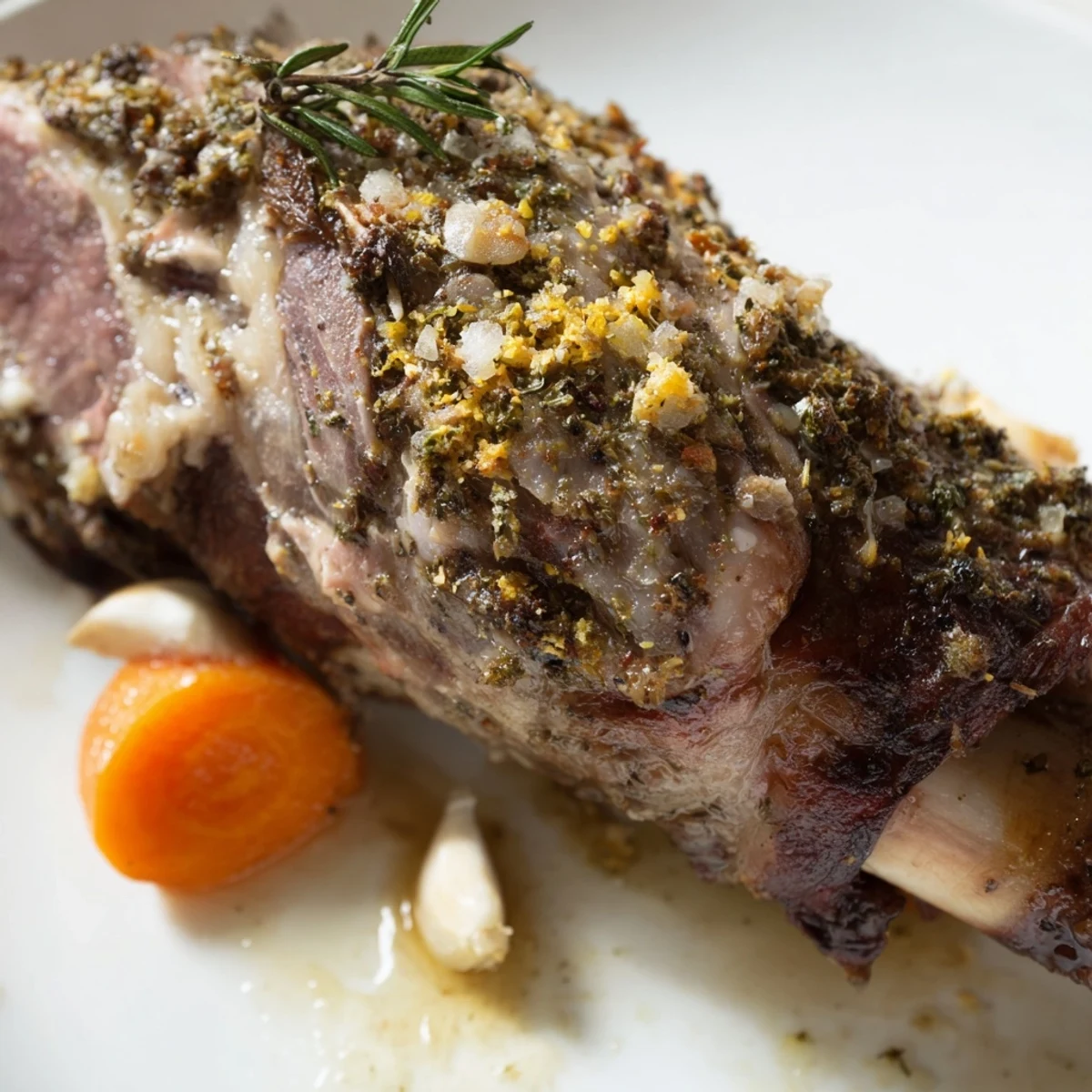
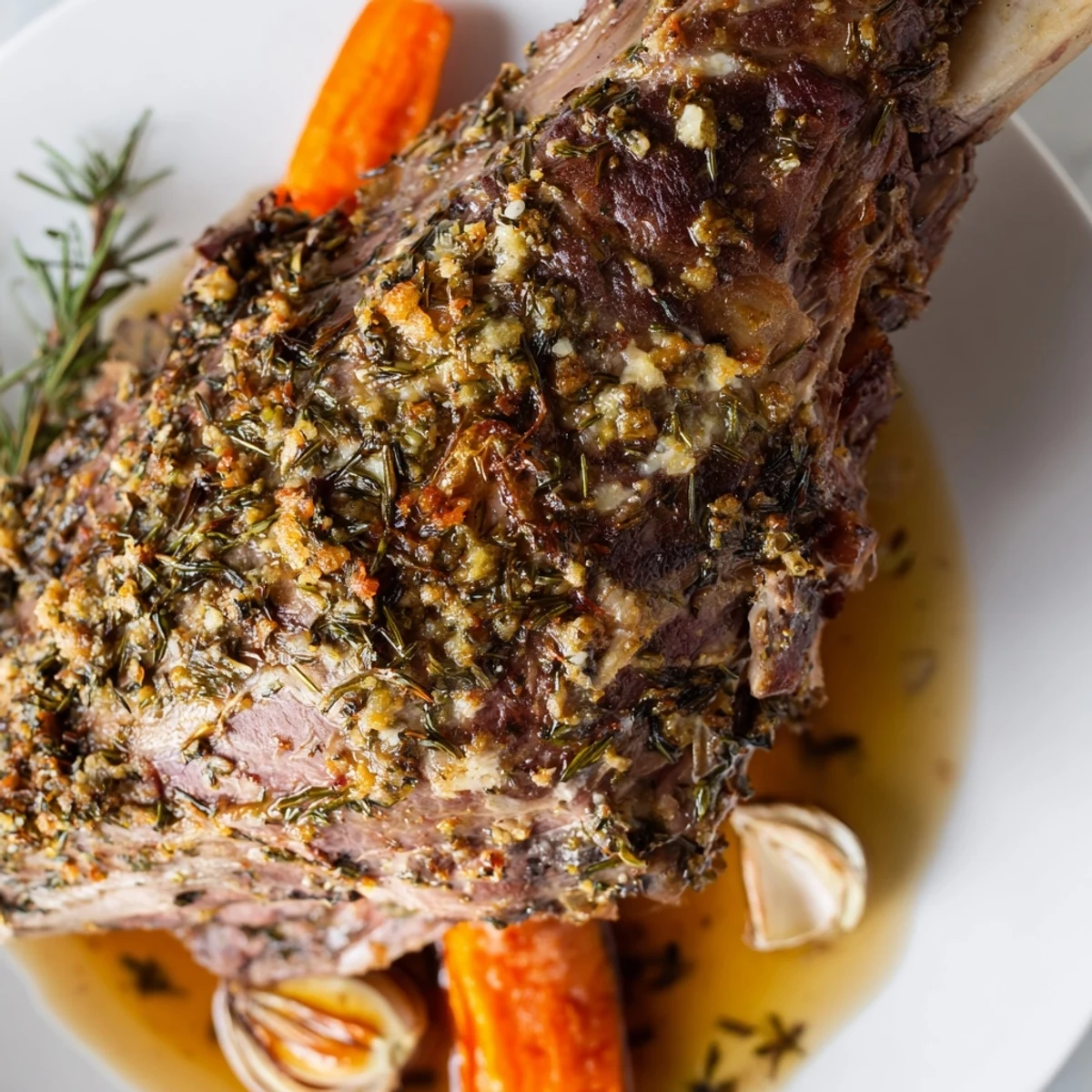
 This slow-roasted lamb shoulder develops rich, aromatic flavors from fresh herbs like rosemary, thyme, and oregano. The meat is carefully prepared with garlic inserts, seared until golden, then roasted alongside onions, carrots, and celery. Moist with white wine and stock, it's cooked low and slow for several hours until meltingly tender. Resting before carving ensures juicy slices, making it perfect for a heartwarming main course paired with roasted vegetables.
There's something about a lamb shoulder that demands slowness. I learned this years ago when a friend handed me her grandmother's roasting pan and said, "Just let it do its thing." Four hours later, the kitchen smelled like a Mediterranean hillside—rosemary, thyme, garlic—and I understood what she meant. The meat fell apart at the gentlest nudge of a fork, and everyone at the table went quiet in that particular way that means the food is speaking for itself.
I made this for a dinner party on a rainy spring evening when I wanted to impress without fussing. The lamb emerged mahogany-brown and impossibly tender, and my neighbor kept asking if I'd been cooking all day—when really I'd only spent twenty minutes with a knife and my hands before abandoning it to the oven. It became the kind of meal people still mention months later, which felt almost unfair for something so straightforward.
Ingredients
- Lamb shoulder, bone-in (about 2.5 kg / 5.5 lbs): The bone keeps the meat juicy and adds incredible depth to the pan juices—bone-in is non-negotiable here.
- Garlic cloves (6), peeled and halved: You'll nestle these into small slits in the meat, and they'll soften into sweet, golden nuggets that vanish into the roast.
- Fresh rosemary (2 tbsp), finely chopped: This is where the magic lives—woody and resinous, it's the backbone of the herb crust.
- Fresh thyme leaves (2 tbsp): Delicate and floral, thyme balances the rosemary without overwhelming the lamb's natural flavor.
- Fresh oregano (1 tbsp), chopped, or 1 tsp dried: A whisper of Mediterranean warmth that ties everything together.
- Lemon zest (from 1 lemon): Just the zest, not the juice—it brightens the herb mixture without adding moisture that could prevent browning.
- Large onions (2), sliced: These become the bed for the lamb and dissolve into the pan juices, creating a natural sauce.
- Carrots (3), cut into large pieces: Cut generously so they don't disappear into the braising liquid and stay texturally intact.
- Celery stalks (2), cut into large pieces: Often overlooked, celery is the silent partner that rounds out the vegetable base.
- Sea salt (2 tsp) and black pepper (1 tsp): Quality matters here—these season not just the lamb but build flavor in every layer.
- Smoked paprika (1 tsp), optional: A subtle smokiness that mimics a wood-fired oven if you have one in your dreams but not your kitchen.
- Dry white wine (250 ml / 1 cup): Adds acidity and complexity; avoid anything you wouldn't drink yourself.
- Chicken or vegetable stock (250 ml / 1 cup): The liquid that becomes liquid gold when combined with the lamb's richness.
- Olive oil (2 tbsp): For searing the lamb until it's golden and caramelized on every side.
Instructions
- Heat your oven and prepare the space:
- Set the oven to 160°C (320°F) so it's preheated and ready to do the heavy lifting. Low and slow is everything here.
- Dry and score the lamb:
- Pat the lamb shoulder completely dry with paper towels—moisture is the enemy of browning. Using a sharp knife, make small incisions all over the meat, then tuck a garlic half into each cut, letting them nestle into the flesh.
- Create and apply the herb crust:
- Mix rosemary, thyme, oregano, lemon zest, salt, pepper, and paprika in a small bowl. Work this mixture all over the lamb with your hands, pressing it into those garlic-filled incisions and all the crevices you can find. Don't be gentle—you want every bit of herb clinging to the meat.
- Sear for color and flavor:
- Heat olive oil in your roasting pan over medium-high heat until it shimmers. Carefully lay the lamb in and let it sear on each side for about 5 to 7 minutes total, until it's deeply golden and caramelized. This is where the Maillard reaction—fancy cooking for delicious crust—happens.
- Build the vegetable bed:
- Remove the lamb and scatter onions, carrots, and celery across the pan bottom. Return the lamb on top of the vegetables, which will cradle it and infuse the pan juices with their sweetness.
- Add liquid and cover:
- Pour wine and stock around the lamb (not over it, which would wash away your herb crust). Cover tightly with foil or a lid, creating a seal that traps steam and keeps the meat impossibly moist.
- The long, slow roast:
- Slide the pan into the oven for 3.5 to 4 hours. About halfway through, baste the lamb once or twice with the pan juices—this is meditative, quiet work. The meat should reach a point where it practically falls from the bone.
- Finish with color:
- For the last 30 minutes, uncover the pan so the lamb can brown and crisp slightly, reclaiming the golden exterior that will catch the light on the table.
- Rest and serve:
- Tent the finished lamb loosely with foil and let it rest for 15 minutes—this allows the juices to redistribute so every slice stays tender. Carve, serve with the roasted vegetables and pan juices, and watch everyone's faces.
 Pin it
 The first time someone asked for the recipe, I realized this dish had become more than dinner—it had become the meal people plan their schedules around. There's something about sitting at a table with tender, herb-infused lamb that opens conversations and keeps people lingering long after the plates are cleared.
A Word on Timing and Patience
Four hours sounds like forever, but the beauty of this recipe is that it frees you. You're not hovering or stirring; you're genuinely hands-off after those first fifteen minutes of prep. I've used this time to set the table, make a salad, pour wine, or simply sit quietly while the oven does all the work. The roast doesn't demand your attention—it demands your trust.
Variations and Substitutions
This recipe is flexible in the way that all good slow braises are. You can marinate the lamb overnight with the herbs and olive oil for even deeper flavor—I learned this trick from my friend's grandmother and it's become my preference for weekend cooking. Red wine works beautifully in place of white if that's what you have on hand, and it will deepen the color of the final dish. Some cooks add a handful of potatoes or turnips to the vegetable bed, turning this into a true one-pan meal.
- For overnight marinating, combine herbs, garlic, oil, and salt in a bowl, rub the lamb the night before, and cover it loosely in the refrigerator until you're ready to sear.
- Crusty bread or roasted potatoes are the ideal companions, though a bright green salad cuts through the richness beautifully.
- Leftover lamb shreds into grain bowls, sandwich fillings, or even a simple pasta toss the next day.
Building the Perfect Pan Sauce
The vegetables in the roasting pan aren't just flavor—they're the beginning of a sauce that needs almost no work. After you remove the lamb, strain the pan juices through a fine sieve, pressing gently on the vegetables to coax out every drop. If you want something richer, whisk in a spoonful of crème fraîche or Greek yogurt off the heat, which adds creaminess without heaviness.
Why This Works Every Time
Low, slow roasting transforms a tough cut like lamb shoulder into something transcendent because heat and time break down connective tissue gently, turning it into gelatin that keeps the meat moist. The herb crust seals in juices while building flavor on the outside, and the vegetable bed cradles everything, turning itself into aromatics and sauce. It's foolproof because the method respects the ingredient instead of fighting it.
- Keep an eye on the liquid level—if it's evaporating too quickly, add a splash more stock and lower your oven temperature by 10 degrees.
- A meat thermometer should read 75–80°C (167–176°F) at the thickest part when the lamb is done, but honestly, the fall-apart test is more reliable.
- This dish tastes even better the next day when flavors have settled and deepened overnight.
 Pin it
 This is the kind of recipe that becomes a cornerstone of your cooking, the one you turn to when you want to feed people something they'll remember. Once you've made it, you'll know it.
Recipe FAQs
- → How do I ensure the lamb shoulder stays tender?
-
Roast the lamb slowly at a low temperature for several hours, basting occasionally, to break down connective tissues and retain moisture.
- → Can I use dried herbs instead of fresh ones?
-
Yes, dried herbs like oregano can be substituted in smaller amounts, but fresh herbs provide a brighter flavor.
- → What is the purpose of searing the lamb before roasting?
-
Searing locks in the juices and creates a flavorful golden crust that enhances the final taste and appearance.
- → Is it necessary to rest the lamb after roasting?
-
Resting for about 15 minutes allows the juices to redistribute, resulting in moist and tender slices.
- → Can I substitute the white wine used in the cooking liquid?
-
You can replace white wine with additional stock if preferred, which still provides moisture and depth to the dish.