 Pin it
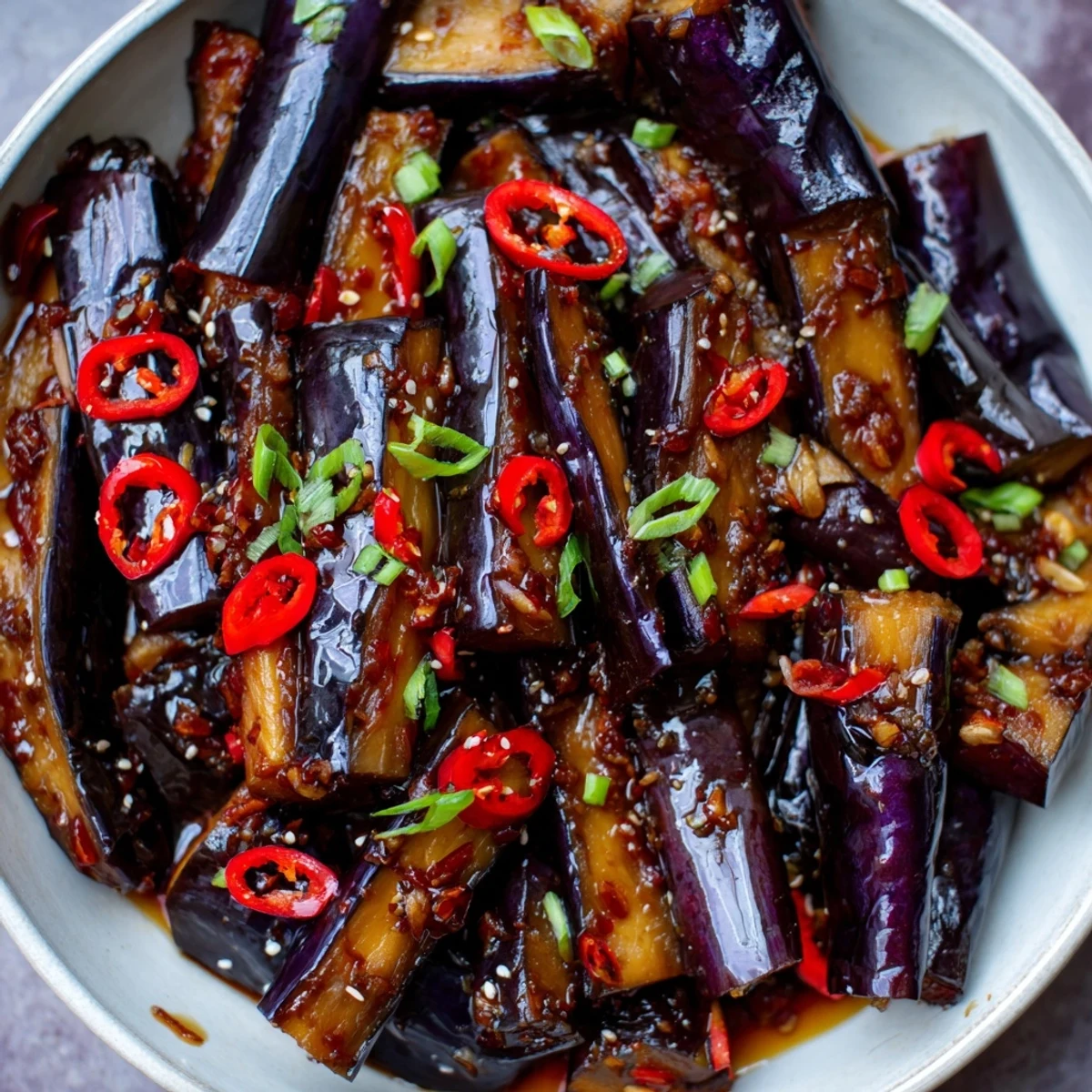
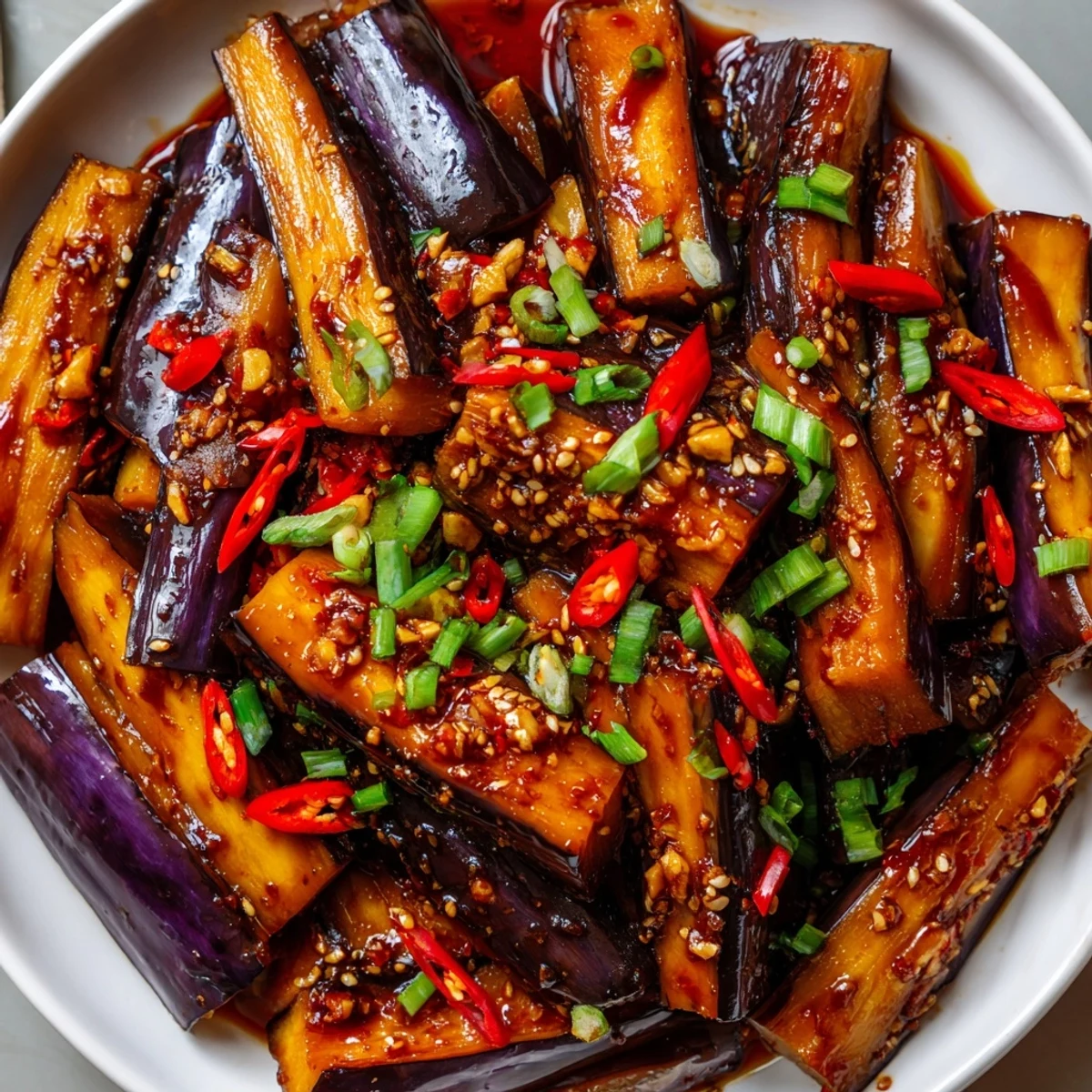
 Fried aubergine batons are salted to draw out moisture, then pan-fried until golden and soft. Aromatics—ginger, garlic and optional chili—are cooked with doubanjiang to release a deep, spicy aroma before returning aubergine to simmer in soy, vinegar and stock. A cornstarch slurry thickens the glossy sauce; finish with sesame oil and spring onions for a vibrant finish.
You know those evenings when the air is thick with the promise of rain and you just crave something deep, spicy, and soul-warming? That’s when this Sichuan Style Braised Aubergine comes out in my kitchen. The intrusive sizzle of aubergine hitting hot oil is my true signal that dinner is on its way. The scent of fermented bean paste, garlic, and chili tangling together never fails to stir up excitement—like something just about to happen.
I once made this for a friend visiting from Chengdu, half-nervous she’d find it lacking, but her quiet ‘Oh, this is home’ after the first bite felt like the highest praise. We swapped stories of kitchen disasters while scraping up every last glossy drop from the pan.
Ingredients
- Aubergines (eggplants): The flesh turns luxuriously soft if you salt and fry them first, so don’t skip this step; always pat dry to avoid extra splatter.
- Spring onions: I sprinkle them on at the very end when their sharpness is freshest, and they double as a crisp, colorful garnish.
- Garlic: Four cloves might seem like a lot, but they mellow and sweeten, lending the sauce a crucial depth.
- Ginger: It’s the zing that perfumes the kitchen—don’t be shy with it.
- Red chili: If you like sneaky heat, these are more about aroma than fire (toss in extra if you’re bold).
- Doubanjiang: This paste is pure Sichuan umami and one of those jars that seems mysterious until you start craving it in all sorts of things.
- Soy sauce & dark soy sauce: Regular gives the savory punch, dark adds a gorgeous color and a hint of molasses-like earthiness.
- Rice vinegar & sugar: Sharp and sweet in balance, so the dish doesn’t get too heavy.
- Vegetable stock or water: Helps everything meld into a glossy, sticky sauce; I use stock if I have it for extra flavor.
- Vegetable oil: Aubergine is thirsty for it—generously frying brings out its best side.
- Sesame oil: Just a drizzle for nutty aroma before serving really wakes up the dish.
- Salt: Only add after tasting, since doubanjiang and soy are already salty.
- Cornstarch: It’s how you get that luscious, clinging texture to the sauce at the end.
- Water (for slurry): Make sure there’s no lumps for a perfectly smooth finish.
Instructions
- Prep the Aubergines:
- Scatter salt over the aubergine batons and watch as little beads of moisture appear; after 10 minutes, rinse and dry totally or you’ll lose the lovely browning.
- Fry for Melt-in-the-Mouth Texture:
- Slick a wok with oil until it shimmers, then fry the aubergine until the skin crinkles and the pieces turn buttery-gold; let them rest on paper towels to keep things light.
- Wake up the Aromatics:
- Lower the heat, drop in ginger, garlic, and chili, and listen for that energetic sizzle—breathe deep for all the layered fragrance.
- Build the Bold Base:
- Add the doubanjiang and push it gently around the pan until the oil glows red and everyone comes around asking what you’re making.
- Sauce and Simmer:
- Add back the aubergines and pour in both soy sauces, vinegar, sugar, and stock; stir gently, cover, and let it all simmer until the pieces are silky and steeped in sauce.
- Thicken and Glaze:
- Stir cornstarch with water, then whisk the mix into the pan; in moments it transforms to a glossy, clinging sauce—don’t take your eyes off it at this part.
- Finish and Serve:
- Turn off the heat, swirl sesame oil across the top, and shower with spring onions just before you dig in.
 Pin it
 Sharing this dish at my small table one blustery night, we laughed over how aubergine can look so humble at the start, yet turn into something that everyone at the table fights to spoon up second helpings of.
Tweaks to Suit Your Kitchen
If I’m out of doubanjiang I’ve cheekily used chili garlic sauce, sacrificing complexity for sheer spice and speed. Sometimes I slip in a few toasted peanuts at the end for crunch when I crave a textural surprise.
Simple Ways to Serve
Pair this with a big bowl of steamed jasmine rice and dinner instantly feels special, but I’ve also ladled leftovers atop chewy noodles and marveled at how the sauce soaks right in. On rare occasions, a quick cucumber salad cuts through the spice beautifully.
Make It Yours
That time I ran out of spring onions, a handful of fresh coriander brightened everything up just as well. Go ahead and finish with roasted cashews if you love crunch, or splash in a little extra vinegar if you want a sharper kick.
- Don’t be shy with the chili if your tolerance is high.
- Aubergines can be roasted instead of fried for less oil.
- Taste and adjust the sauce before thickening—balance is everything.
 Pin it
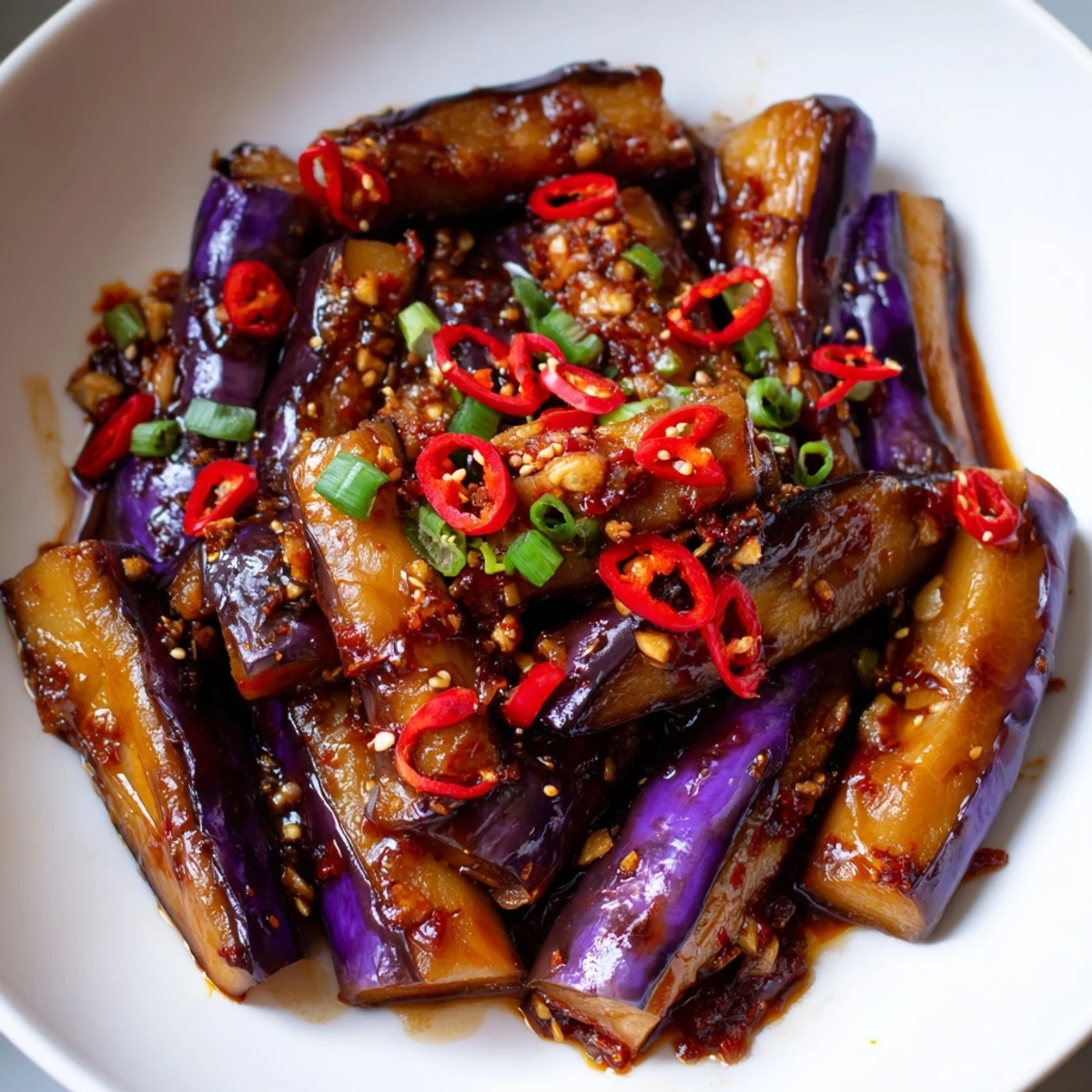
 Whether you’re a spice lover or just aubergine-curious, this dish invites play and comfort at the table every single time. I hope your kitchen fills with bold aromas and good company too.
Recipe FAQs
- → How do I stop aubergine from soaking up too much oil?
-
Salt the cut aubergine and let it sit for 10 minutes to draw out excess moisture, then rinse and pat dry. Fry in a hot pan with moderate oil in batches so pieces brown quickly rather than soaking up fat.
- → Can I swap doubanjiang if unavailable?
-
Yes—use a chili-garlic sauce or a mix of chili paste and fermented bean paste as a substitute. Flavor will differ slightly; adjust salt and a touch of sugar to balance acidity and heat.
- → How can I make this gluten-free?
-
Choose tamari or a certified gluten-free soy sauce and check the doubanjiang label, or use a gluten-free chili-bean paste. Verify other condiments and stock for hidden gluten.
- → What keeps the aubergine tender and not mushy?
-
Fry or sear pieces until golden and slightly crisp, then simmer gently just until very tender. Avoid overcooking during the simmer stage and stir carefully to keep pieces intact.
- → Can this be prepared ahead and reheated?
-
Yes. Cooked aubergine holds well; refrigerate in an airtight container and gently reheat in a skillet with a splash of stock to refresh the sauce. Add spring onions and sesame oil just before serving.
- → What are good serving suggestions?
-
Serve with steamed jasmine rice or noodles to soak up the sauce. For texture contrast, top with toasted peanuts or crisp shallots and add Sichuan peppercorns for a numbing kick.