 Pin it
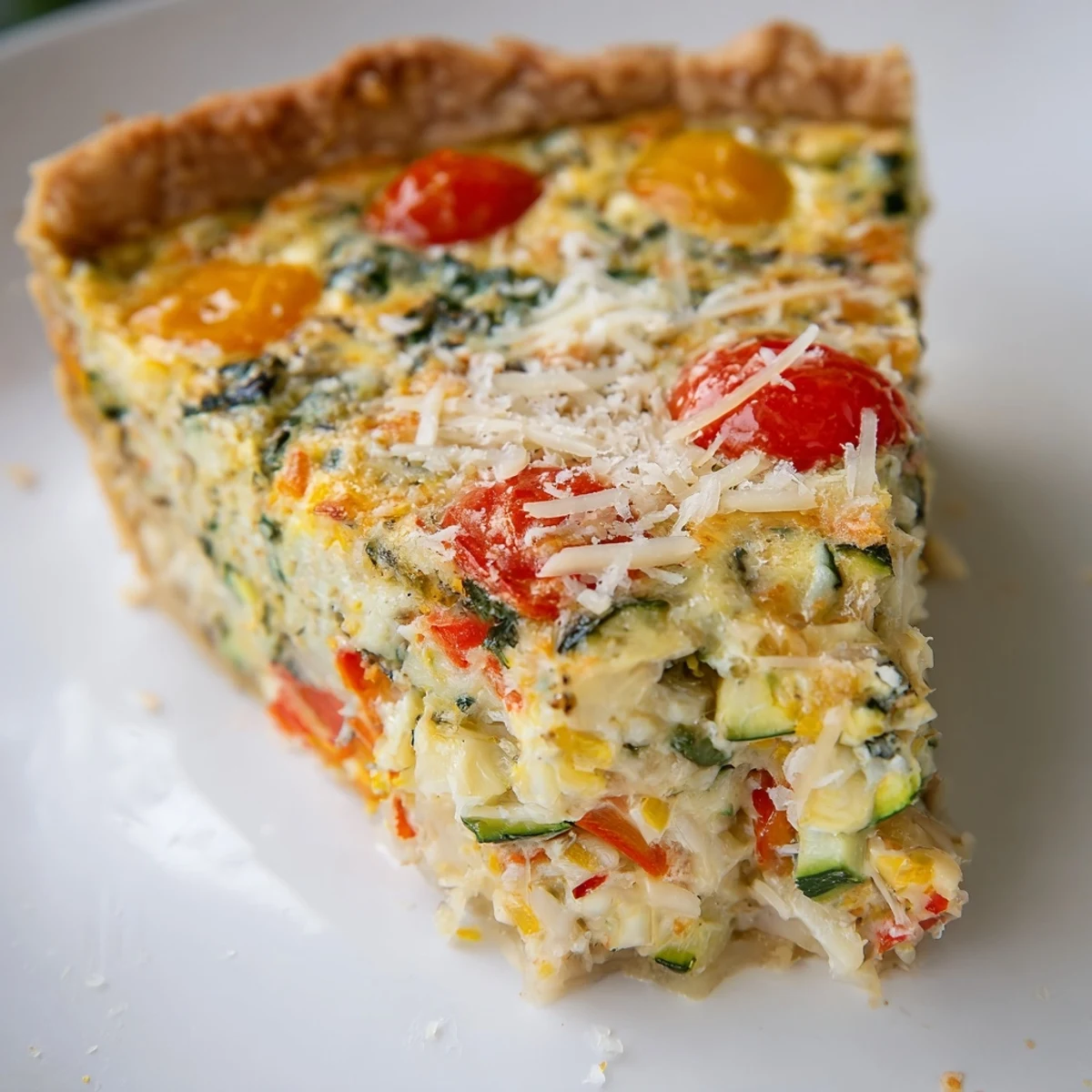
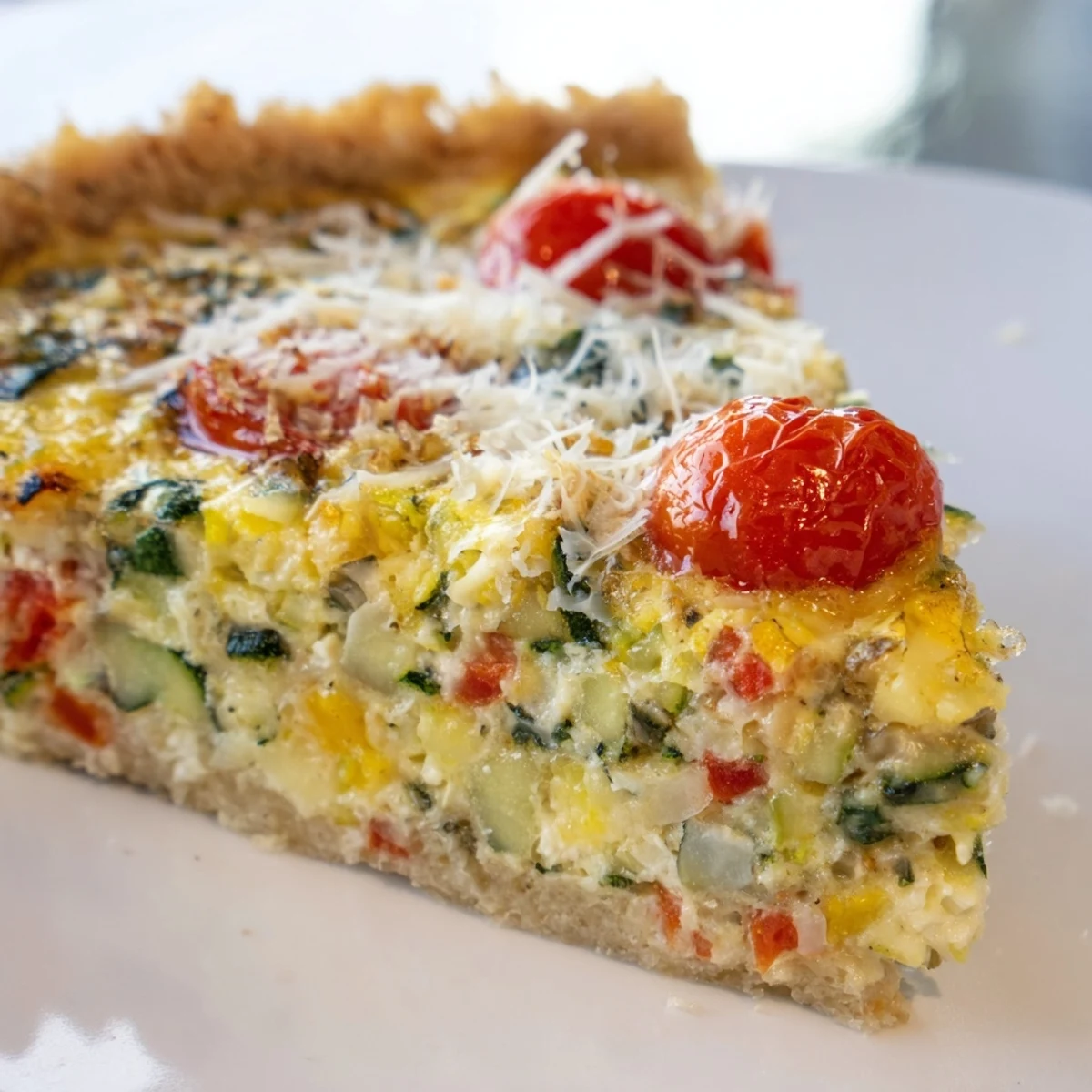
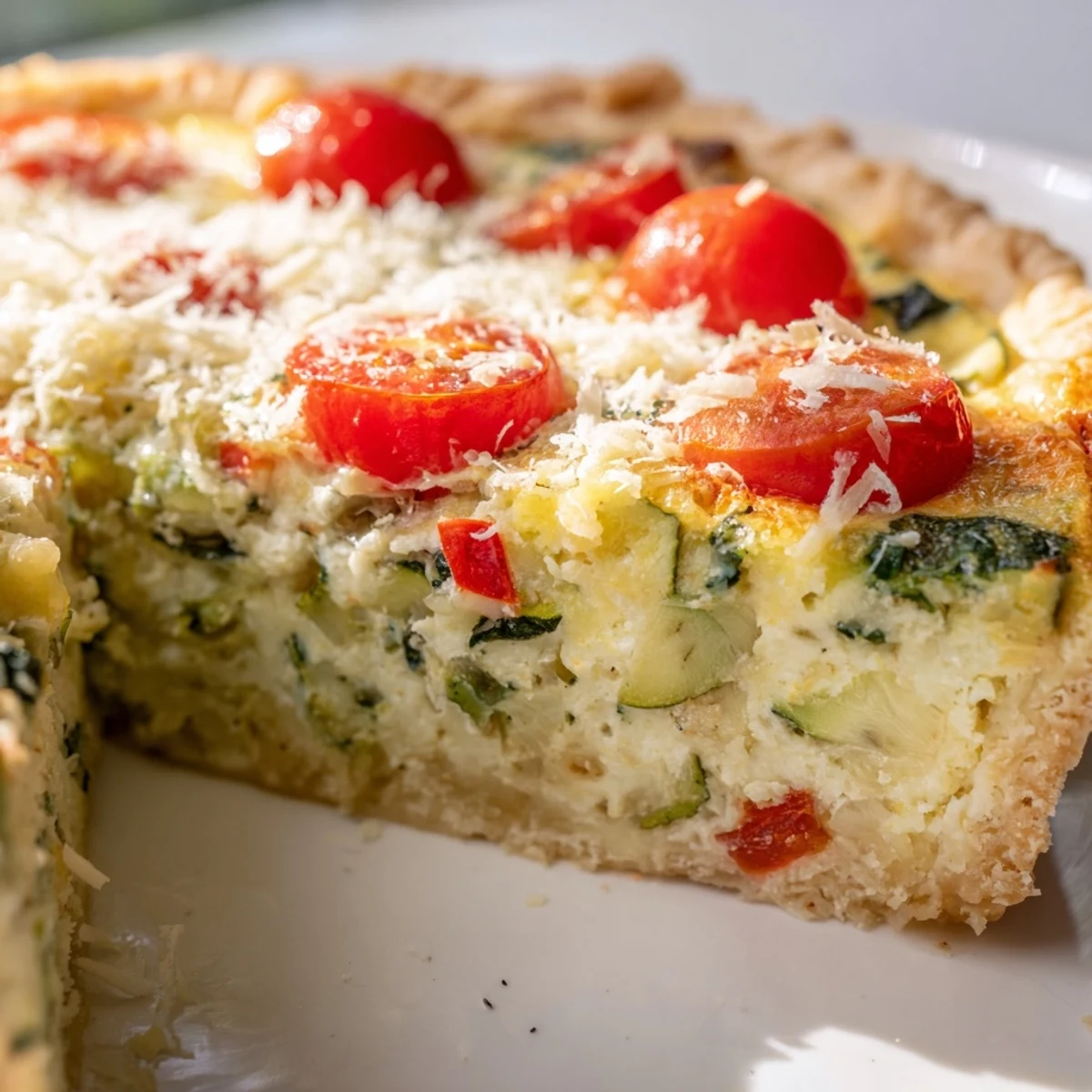
 This savory quiche features a crisp, buttery crust packed with a colorful medley of fresh vegetables like zucchini, bell pepper, spinach, and cherry tomatoes. A creamy egg custard, lightly seasoned with salt, pepper, and nutmeg, binds the filling. The crust is blind baked for a firm base before adding the sautéed vegetables and custard mixture. Baked until golden, it offers a balanced combination of textures and flavors, ideal for brunch or light meals.
The smell of butter melting into flour is something I chase in the kitchen, and it always leads me back to quiche. Years ago, a friend handed me her grandmother's loose notes on how to make one—no proper recipe, just abbreviations and crossed-out quantities—and I realized that quiche is one of those dishes that seems intimidating until you actually start. Now it's my go-to when I want to feel like I've cooked something proper without spending all day on it.
I made this for a lunch party once when I was running late and convinced I'd ruin it, but the exact opposite happened. My neighbor showed up early, caught the quiche coming out of the oven with that perfect golden top, and suddenly everyone was asking for the recipe before they'd even tasted a bite. That's when I knew I'd figured something out.
Ingredients
- All-purpose flour (1 1/4 cups): The foundation of a tender crust, but don't overwork it or you'll end up with toughness instead of flake.
- Unsalted butter, cold and cubed (1/2 cup): Cold butter is non-negotiable—it's what creates those little air pockets that make the crust actually shatter when you bite it.
- Ice water (3–4 tablespoons): Add it slowly and stop as soon as the dough holds together; there's always a temptation to add more.
- Olive oil (1 tablespoon): Just enough to get the vegetables talking without making them greasy.
- Onion and red bell pepper: These two are the flavor base; don't rush them in the pan or you'll miss the sweetness that develops.
- Zucchini and fresh spinach: They add texture and body without overwhelming the custard.
- Cherry tomatoes (1/2 cup): These scatter on top and burst slightly in the oven, releasing little pockets of brightness.
- Eggs (3 large), milk (1 cup), and cheese (1/2 cup Gruyère plus 1/4 cup Parmesan): The custard that holds everything together—Gruyère melts like silk, while Parmesan adds a sharp note that balances the richness.
- Nutmeg (1/4 teaspoon): A whisper of it, barely noticeable until you realize what's making this taste like actual restaurant food.
Instructions
- Make the crust:
- Whisk flour and salt in a large bowl, then work in cold butter pieces with a pastry cutter or your fingertips until the mixture looks like coarse sand. Add ice water a tablespoon at a time, stirring gently until the dough just comes together—it should feel slightly shaggy, not smooth. Shape it into a disk, wrap it in plastic, and stick it in the fridge for at least 30 minutes, or longer if you have time.
- Blind bake the crust:
- Preheat your oven to 375°F and roll out the chilled dough on a floured surface until it's thin enough to line your 9-inch pie dish. Press it in gently, trim the edges, and prick the bottom all over with a fork to prevent it from puffing up. Line it with parchment paper, fill with pie weights or dried beans, and bake for 15 minutes. Remove the weights, bake for 5 more minutes until it's pale but set, then take it out and let it rest.
- Sauté the vegetables:
- Heat olive oil in a skillet over medium heat and cook the onion and bell pepper for 3 to 4 minutes, stirring occasionally, until they start to soften and smell sweet. Add the zucchini and cook for 2 minutes more, then stir in the spinach and let it wilt down—this shouldn't take more than a minute. Let everything cool slightly before you use it.
- Build the custard:
- In a bowl, whisk together eggs, milk, both cheeses, salt, pepper, and nutmeg until the mixture is smooth and the cheeses are mostly incorporated. This is your binding liquid, and it should smell savory and a little bit nutty.
- Assemble and bake:
- Spread the cooled vegetables evenly over the baked crust, scatter the cherry tomatoes on top, and pour the custard mixture over everything. It should come up almost to the rim of the pie dish. Bake for 35 to 40 minutes, watching for the moment when the center is just set but still has a tiny bit of jiggle—it'll keep cooking as it cools and firm up perfectly. The top should be lightly golden.
- Rest and serve:
- Let the quiche cool for at least 10 minutes before you slice it, or it'll fall apart and look sad. Serve it warm, room temperature, or even cold the next day.
 Pin it
 There's a moment, about halfway through baking, when the kitchen smells like caramelized onions and butter and something that tastes like home, even if you've never cooked this before. That's when you know it's working.
How to Make Your Crust Shine
The crust is honestly where quiche wins or loses its reputation. Most people either overwork the dough trying to make it smooth, or they don't chill it long enough and end up with something that slides around the pan like it's ice skating. Your dough wants to stay cold and get handled as little as possible—think of it as slightly shy and needing space. If you're nervous about rolling it out, you can let it warm up for 5 minutes on the counter first, and keep a bowl of ice water nearby to brush on your rolling surface if it sticks. The moment you get it into the pie dish, prick it all over with a fork, and you'll feel the difference when it doesn't puff up into a balloon during blind baking.
Vegetables That Actually Taste Like Something
Sautéing the vegetables first is the secret that separates this quiche from the ones that taste like eggs with a vegetable garnish. When you sauté, you're not just softening them—you're pulling out their sweetness and deepening their flavor. The onion becomes almost caramelized, the bell pepper turns jammy, and the zucchini loses its raw crunch and becomes something silky. If you throw everything raw into the custard, you end up with watery vegetables that haven't developed any real character. Taking ten minutes to cook them first is the difference between a fine quiche and one you actually want to eat again.
Cheese, Custard, and the Nutmeg Nobody Expects
The custard is where you're balancing richness with structure, and the cheese is doing most of the heavy lifting. Gruyère brings this complex, slightly nutty flavor and melts like butter, while Parmesan adds a little sharpness so the whole thing doesn't feel one-note. That tiny pinch of nutmeg seems like nothing—you barely taste it—but it's what makes people pause and wonder what they're tasting. It's the kind of detail that makes someone ask for your recipe and mean it.
- If you can't find Gruyère, Swiss cheese works beautifully, or even a good sharp cheddar if that's what you have.
- The nutmeg matters more than you think, but treat it like a whisper, not a shout.
- Make sure your milk is room temperature before you whisk it in, or it might break the eggs slightly and you'll end up with flecks of egg white.
 Pin it
 Making quiche is proof that you don't need to complicate something to make it matter. It's French, it's elegant, and it's the kind of thing you make for people you want to impress without actually stressing yourself out.
Recipe FAQs
- → How do I achieve a crisp crust?
-
Blind baking the crust with parchment and pie weights before adding the filling helps keep it crisp and prevents sogginess.
- → Can I substitute the cheeses?
-
Gruyère can be replaced with cheddar or Swiss cheese for similar melting and flavor profiles.
- → How to prepare the vegetable filling?
-
Sauté onion, bell pepper, and zucchini briefly, then stir in spinach until wilted to maintain freshness and flavor.
- → What herbs complement this dish?
-
Fresh basil or thyme added to the filling enhances the savory vegetable notes without overpowering the custard.
- → Is a gluten-free crust possible?
-
Yes, substitute the all-purpose flour with gluten-free flour blends suitable for pie crusts to accommodate dietary needs.