 Pin it
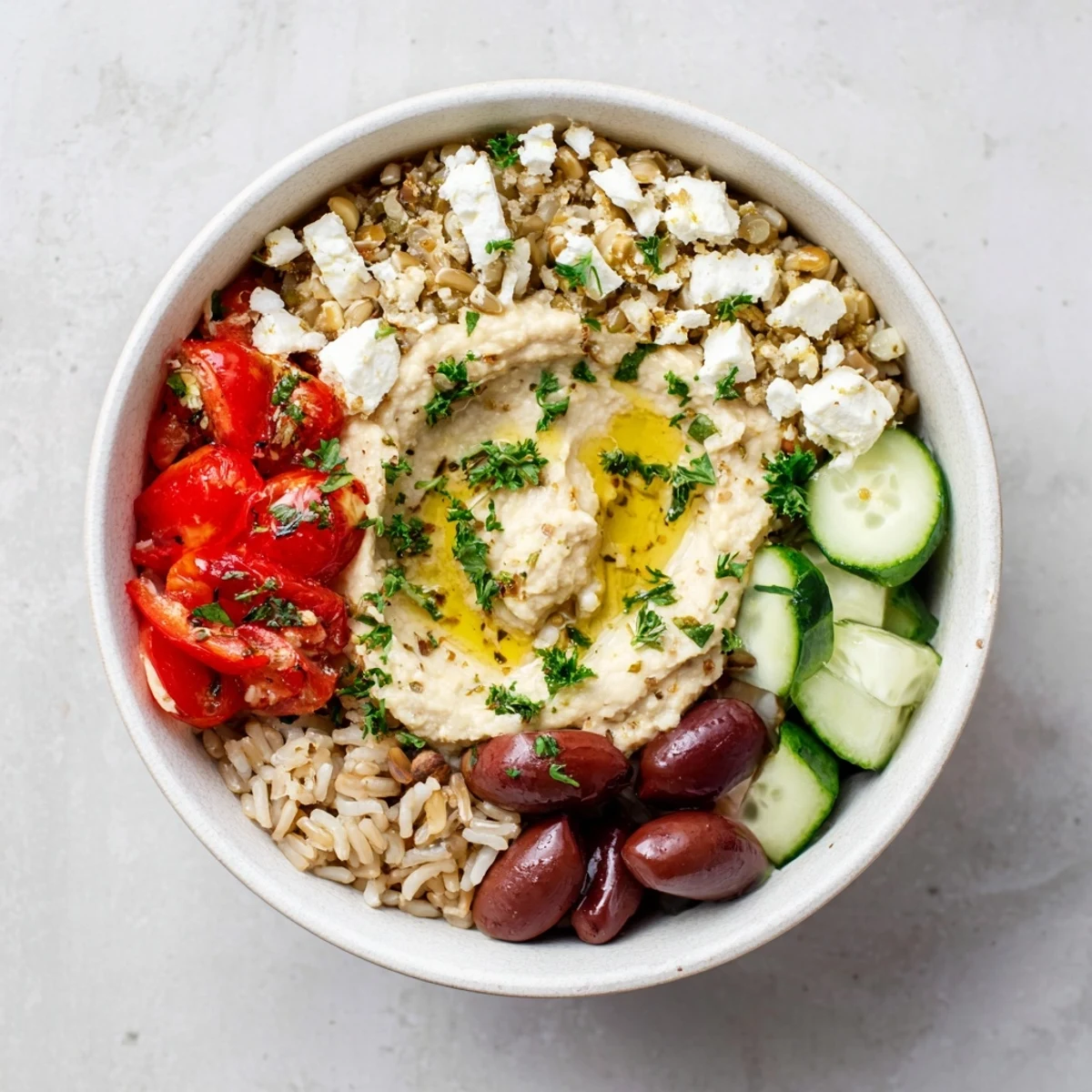
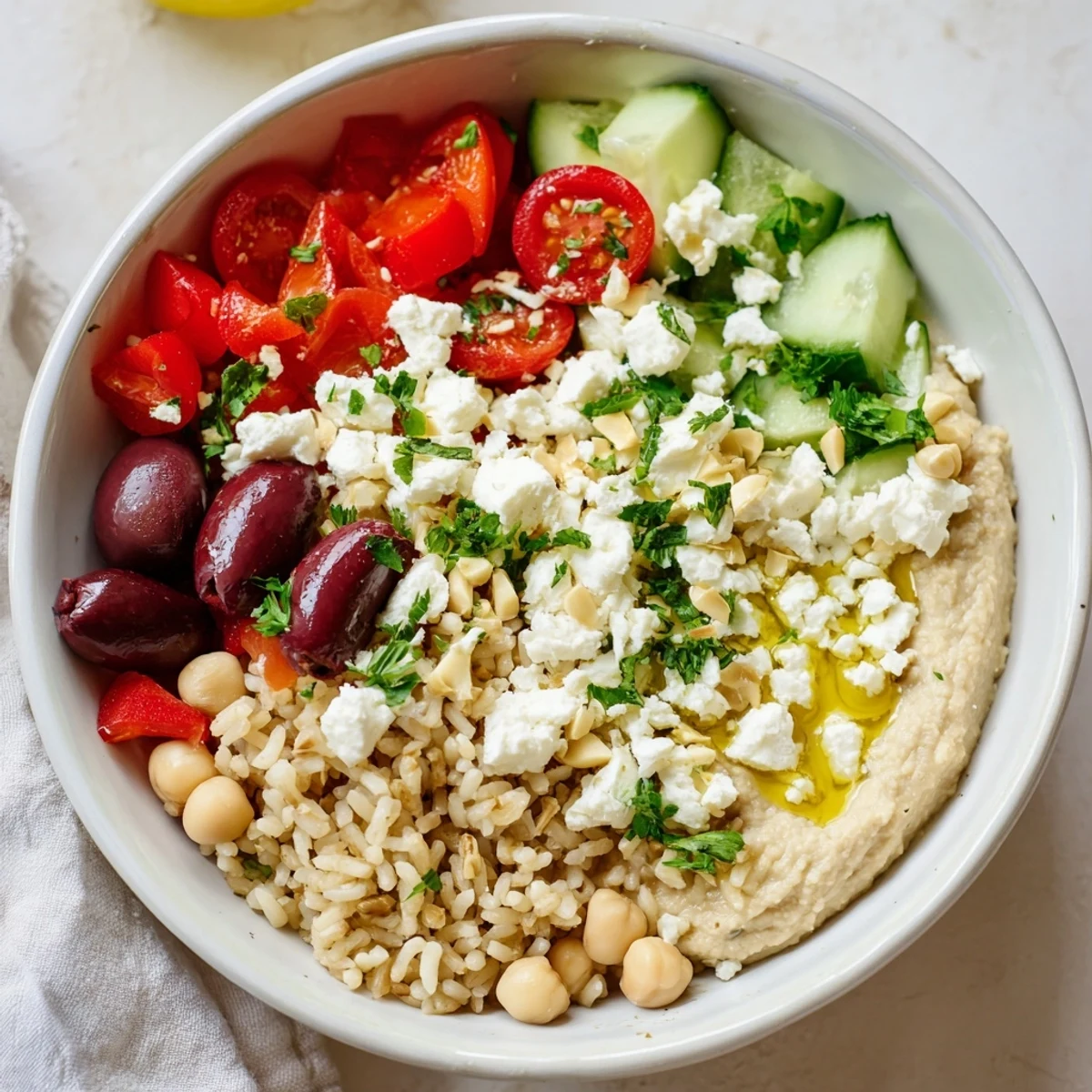
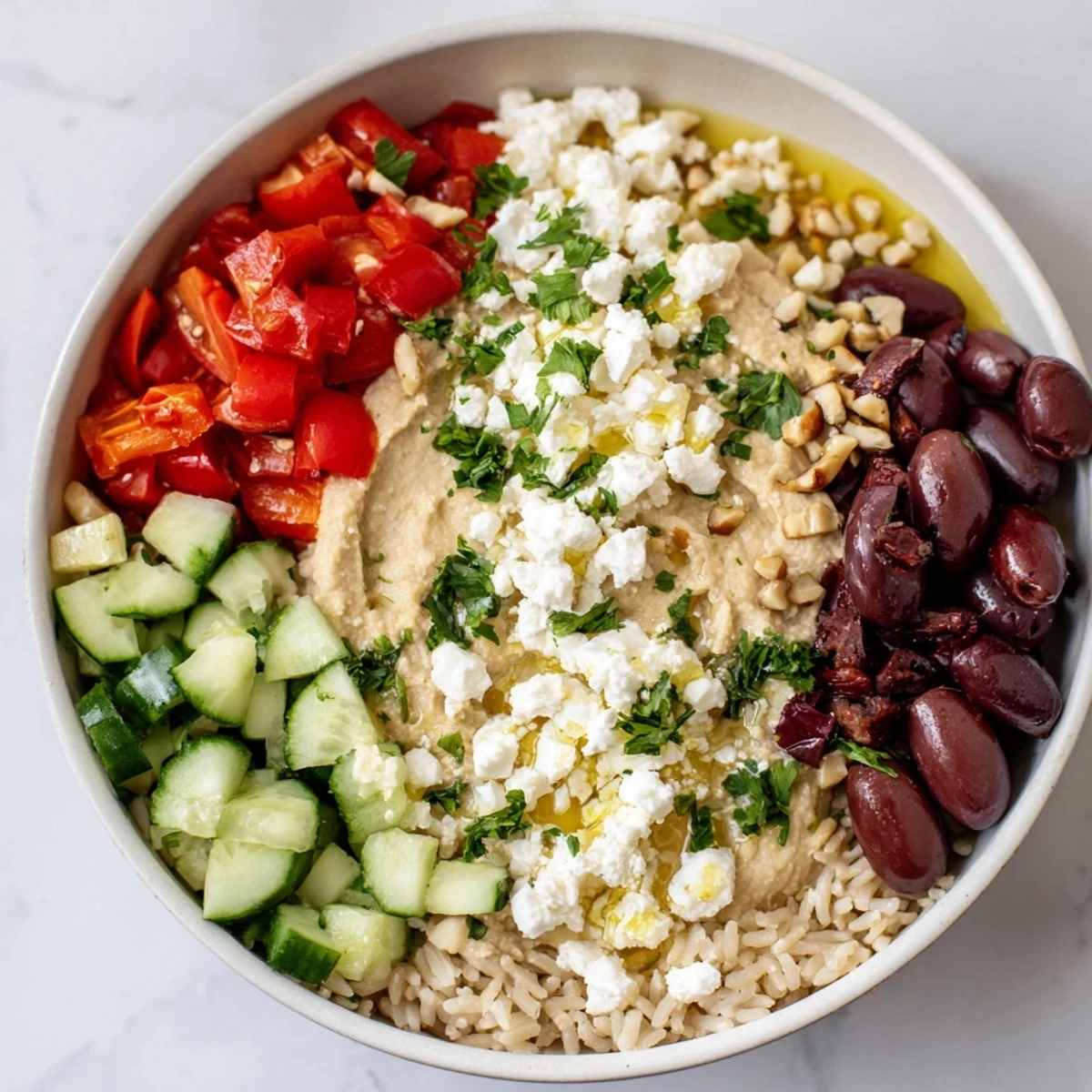
 This Mediterranean hummus bowl combines creamy hummus with fresh vegetables like cherry tomatoes, cucumber, and baby spinach, topped with Kalamata olives, feta, roasted red peppers, pine nuts, and fresh parsley. A simple lemon and garlic olive oil dressing ties all the flavors together. Perfect for a light lunch or easy dinner, it’s suitable for vegetarian, gluten-free, and vegan diets when using plant-based alternatives.
Optional add-ins like brown rice or quinoa make it heartier, and seasonal vegetable swaps allow flexibility. The bowl pairs well with warm pita or a crisp white wine. Minimal prep makes it accessible and nutritious.
There's something about a hummus bowl that makes you feel like you're doing something right, even when you're just throwing together whatever's in your fridge on a Tuesday afternoon. I discovered this particular arrangement during one of those seasons when I was trying to eat better without actually cooking, and somehow it clicked—creamy, colorful, and ready in the time it takes to brew coffee. The beauty is in how it comes together: no heat required, but all the satisfaction of a proper meal.
I made this for friends who were skeptical about vegetarian bowls, and I watched them go back for seconds—then ask for the recipe. That's when I realized it wasn't just about the ingredients, but how they played off each other: the brininess of the olives against the cool crunch of cucumber, the creamy hummus as a canvas for everything else. It became our go-to when we wanted something that looked fancy but didn't require hours in the kitchen.
Ingredients
- Hummus: Use store-bought if you're short on time, but taste it first—quality varies wildly, and a good hummus is the foundation of everything that follows.
- Brown rice or quinoa: Optional but transforms this from a side into a proper main course; I prefer quinoa because it adds earthiness without drowning out the other flavors.
- Cherry tomatoes: Halving them lets the dressing coat them better and prevents that rolling-around-the-bowl situation.
- Cucumber: Dice it right before serving so it stays crisp and doesn't weep into the hummus.
- Red onion: A paper-thin slice gives bite without overwhelming; if it feels too sharp, soak it in cold water for five minutes to mellow it out.
- Baby spinach or mixed greens: A small handful adds freshness and prevents the bowl from feeling one-note.
- Kalamata olives: Worth buying good ones here—cheap olives taste like brine, and that changes everything.
- Feta cheese: Crumbles better when cold, and its saltiness means you need less in the dressing.
- Roasted red peppers: Jarred ones work perfectly and save you the broiler step entirely.
- Toasted pine nuts: Toast them yourself in a dry pan for two minutes if you have time—the difference is noticeable and worth it.
- Fresh parsley: Chop it last so it stays bright green and doesn't turn bitter.
- Extra virgin olive oil: Don't use the expensive stuff for cooking, but this is where it matters—it's the main flavoring vehicle.
- Lemon juice: Fresh squeezed makes a real difference; bottled gets flat and one-dimensional.
- Garlic and seasoning: The minced garlic should be fresh enough that you can smell it assertively when you open the container.
Instructions
- Make the dressing first:
- Whisk together olive oil, lemon juice, minced garlic, salt, and pepper in a small bowl. This gives the garlic a moment to infuse into the oil and mellows slightly before you pour it over everything.
- Build your base:
- Divide hummus evenly among four bowls, creating a shallow well in the center if you're feeling fancy. If using rice or quinoa, layer it underneath so it soaks up some dressing and doesn't sit separate and sad.
- Arrange your vegetables:
- Place cherry tomatoes, cucumber, red onion, and greens around the hummus like you're plating something intentional. The arrangement matters less than making sure each bite has variety.
- Add the finishing touches:
- Scatter olives, feta, roasted peppers, and pine nuts over the top. The pine nuts should go on last so they stay toasted and don't soften into the hummus.
- Dress and serve:
- Drizzle each bowl with dressing just before serving—if you do it too early, the greens wilt. Serve with warm pita bread on the side if you want something to scoop with and don't mind the extra carbs.
 Pin it
 I remember eating this in late afternoon light, at a table with people I genuinely liked, and realizing that this simple bowl had somehow turned a regular day into something worth remembering. There's real power in food that nourishes without pretense, that lets you taste each ingredient clearly, and that brings people back to the table hungry for conversation, not just lunch.
The Texture Game
What makes this bowl actually crave-worthy is the contrast between textures: creamy hummus, crisp vegetables, briny olives, salty cheese, and toasted nuts all in one bite. I've learned that when you're building a bowl with no heat involved, texture becomes your main tool for keeping it interesting. Pay attention to which components have crunch and which are soft—that balance is what separates a forgettable salad from something you actually want to eat.
Seasonal Swaps
This bowl practically begs for seasonal tinkering, and that's partly why I never get tired of making it. In summer, load it with heirloom tomatoes and fresh herbs; in winter, swap the greens for roasted beets or squash, and add pomegranate seeds for brightness. The hummus and dressing stay the same, but the bowl evolves with what's actually good at the market instead of what the recipe dictates.
Making It Substantial
If you're serving this as the main event rather than a side, the grain base really matters—rice or quinoa keeps people satisfied longer and gives the bowl actual heft. You could also add grilled chicken if you're not vegetarian, roasted chickpeas for extra protein, or crumbled falafel if you want it to feel even more Mediterranean and indulgent.
- Chickpeas from the can (drained and tossed with a bit of oil and spice) add protein without cooking anything extra.
- If you're making this for people with different dietary needs, set up a simple assembly line and let everyone customize their own bowl.
- Leftover components keep for days in the fridge, so you can grab a quick bowl anytime without starting from scratch.
 Pin it
 This bowl taught me that a great meal doesn't require a long ingredient list or complicated technique—it just needs fresh ingredients treated with a little attention and intention. Once you've made it once, you'll probably stop following the recipe and start improvising, which is exactly how it should be.
Recipe FAQs
- → Can I substitute quinoa for rice in this bowl?
-
Yes, quinoa is a great substitute for brown rice and adds a nutty texture while keeping the dish gluten-free and hearty.
- → How can I make this bowl vegan-friendly?
-
Omit the feta cheese or replace it with a plant-based vegan feta alternative to keep the bowl vegan without sacrificing flavor.
- → What dressing is used in this bowl?
-
A simple dressing made of extra virgin olive oil, lemon juice, minced garlic, sea salt, and freshly ground black pepper enhances the fresh ingredients.
- → Are there any allergen concerns with this dish?
-
The bowl contains dairy from feta cheese and tree nuts from pine nuts. Those with allergies should omit these or choose suitable alternatives.
- → Can I add protein to this bowl?
-
Absolutely. Grilled chicken, falafel, or chickpeas can be added to boost protein content and make the meal more filling.