 Pin it
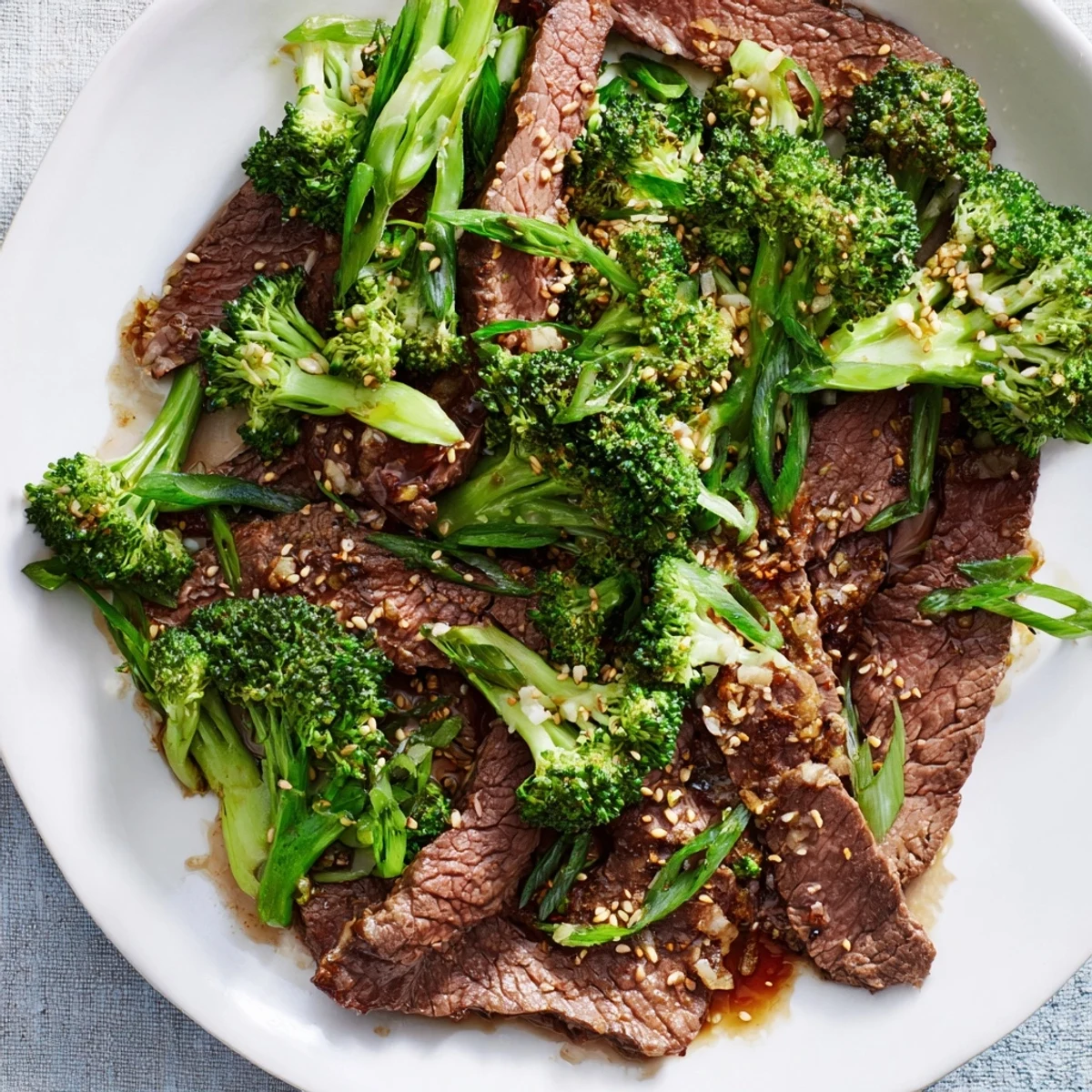
 This dish combines thinly sliced beef with fresh broccoli florets and fragrant ginger for a quick and easy low-carb meal. The beef is marinated briefly to infuse flavors, then seared to lock in juices. Broccoli is stir-fried with garlic and green onions until just tender, retaining its crispness. A savory sauce made with coconut aminos, sesame and olive oils, rice vinegar, and optional heat from red pepper flakes ties everything together. Served garnished with sesame seeds and extra green onions, this meal is perfect for a nutritious dinner that’s simple to prepare and full of satisfying flavors.
There's a moment in every home cook's life when they realize a weeknight dinner doesn't have to be complicated to taste amazing. Mine came while juggling work deadlines and a sudden craving for takeout, except I had beef and broccoli staring at me from the fridge instead. I threw together this ginger-laced stir fry in about the time it would've taken to order delivery, and something clicked—the kind of simple, satisfying meal that makes you feel like you've got your life together.
I remember making this for my partner on a Tuesday night when the energy in our kitchen had been a little flat, and watching his face when he took that first bite—how he immediately asked for seconds before even finishing the first portion. That's when I knew this wasn't just a recipe; it was something worth keeping around.
Ingredients
- Flank steak or sirloin (500 g / 1.1 lb), thinly sliced against the grain: Slicing against the grain makes the beef impossibly tender, and this cut is lean enough to feel right for keto without tasting dry.
- Broccoli florets (300 g / 10 oz): The florets get crispy at the edges while staying tender inside when you don't overcrowd the pan—this texture difference is everything.
- Fresh ginger (1 tablespoon, grated): Fresh ginger brings warmth and a slight sharpness that transforms this from basic to crave-worthy; powdered just won't deliver the same thing.
- Garlic (2 cloves, minced): A tiny amount goes a long way here, so don't feel pressured to add more unless you truly love garlic.
- Green onions (2, sliced): These add a brightness that pulls everything together and create little pockets of fresh flavor throughout the dish.
- Coconut aminos (2 tablespoons): It's keto-approved and tastes cleaner than soy sauce without any of the guilt, though regular soy sauce works if you're flexible.
- Sesame oil (1 tablespoon): A little goes far here—this is the secret ingredient that makes it taste authentically Asian rather than just seasoned.
- Olive oil or avocado oil (1 tablespoon): Use whichever has a higher smoke point if you're cooking at high heat; avocado oil handles it more gracefully.
- Rice vinegar (1 teaspoon): This tiny amount provides the subtle tang that makes your mouth water and balances all the rich flavors.
- Erythritol or monk fruit sweetener (1 teaspoon, optional): Just a whisper of sweetness to round out the sauce without any artificial aftertaste.
- Red pepper flakes (1/4 teaspoon, optional): Start with this amount and adjust based on your heat tolerance—some people love it scorching, others prefer gentle warmth.
- Sesame seeds (1 tablespoon) and extra green onions for garnish: These final touches add texture and visual appeal that makes the dish feel intentional rather than thrown together.
Instructions
- Marinate the beef:
- Toss your beef slices with 1 tablespoon of coconut aminos and half the ginger in a bowl. This isn't about waiting around—even 5 minutes lets those flavors start whispering into the meat, and you'll taste the difference when you bite into it.
- Sear the beef:
- Heat olive oil in a large skillet or wok until it shimmers, then lay the beef out in a single layer and resist the urge to move it around. Let it sit for 2–3 minutes until it develops that gorgeous brown crust, then flip and remove it to a plate while it's still a tiny bit underdone in the middle—carryover cooking will finish it.
- Build the aromatics:
- Add sesame oil to the same skillet, then immediately add your garlic, remaining ginger, and green onions. Thirty seconds is all you need here; any longer and garlic turns bitter. Your kitchen should smell absolutely incredible at this point.
- Cook the broccoli:
- Toss in your broccoli florets and stir-fry for 3–4 minutes, letting them get slightly charred at the edges. They should still have a little snap to them when you bite; mushy broccoli is the enemy of this dish.
- Finish strong:
- Return the beef to the pan, pour in the remaining coconut aminos, rice vinegar, sweetener, and red pepper flakes. Stir everything together and let it cook for another 2–3 minutes until the sauce reduces slightly and coats everything beautifully. The beef will finish cooking gently in the residual heat and sauce.
- Plate and garnish:
- Transfer to your serving plates while everything is still hot, then scatter sesame seeds and extra green onions on top. Serve immediately so the broccoli stays crisp and nothing gets soggy.
 Pin it
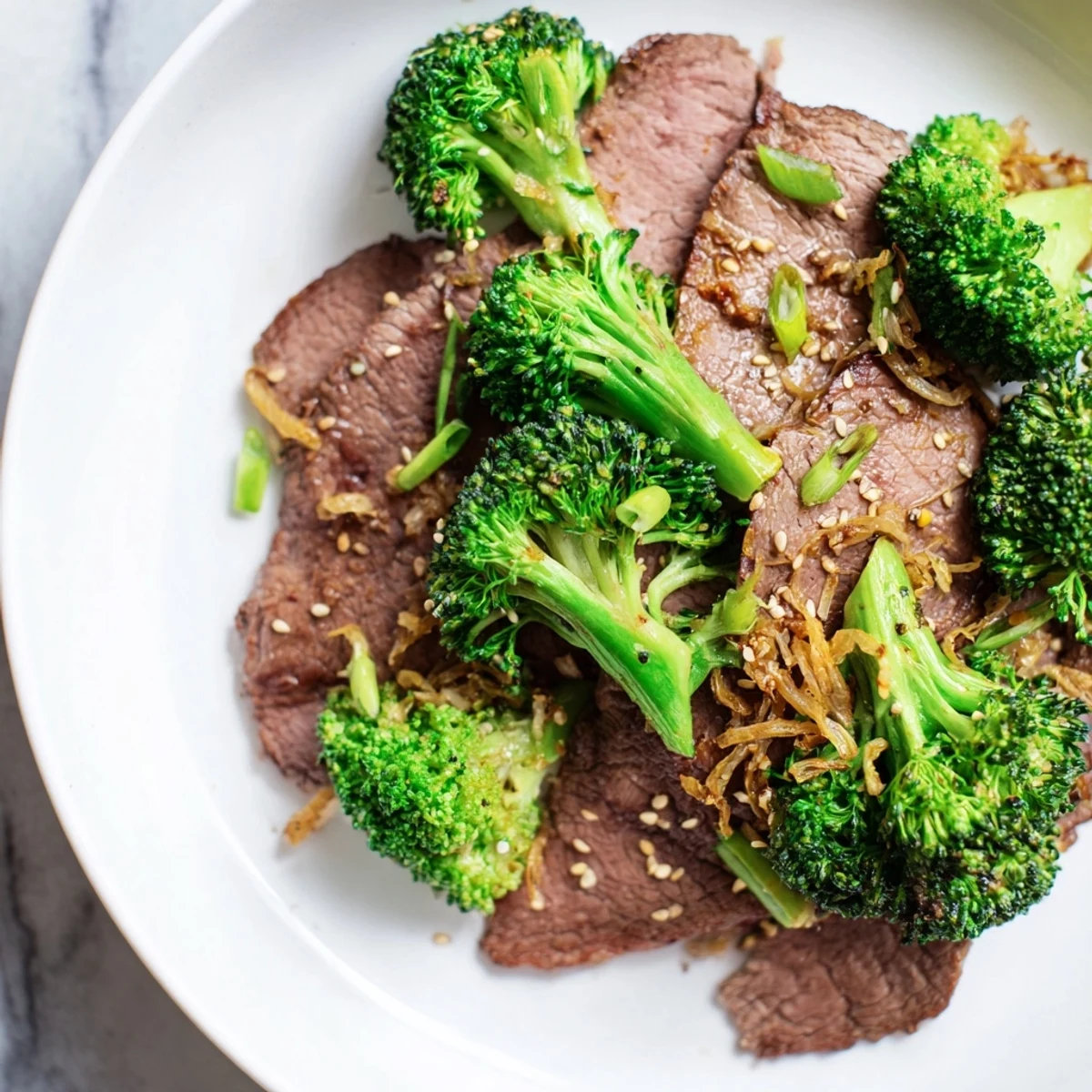
 What struck me most was realizing this dish works because nothing fights for attention—the ginger doesn't overpower the beef, the sesame doesn't drown out the broccoli, everything whispers instead of shouts. That's the kind of balance that makes you want to cook it again and again.
Why This Stir Fry Works for Keto
Traditional stir fries rely on sugar and cornstarch for glossiness and slight sweetness, which immediately kicks you out of ketosis. This version uses minimal sweetener and lets the natural umami from beef, ginger, and sesame oil do the heavy lifting. You end up with something that tastes indulgent without any of the metabolic consequences, which honestly feels like cheating in the best way possible.
Timing and Temperature Matter
I learned the hard way that medium-high heat is the sweet spot here—too low and you steam instead of sear, too high and you burn the garlic and ginger before the broccoli cooks through. The whole process moves quickly, so having everything prepped and ready before you hit the stove isn't optional, it's essential. Once you start cooking, you're in motion until it's finished, and that's actually the fun part.
Customizing for Your Kitchen
This recipe is flexible enough to bend without breaking. Swap chicken thighs for beef if you prefer something milder, or add shrimp for a lighter dinner. Cauliflower rice underneath makes it feel more substantial, though I've also served it over nothing at all when I wanted pure protein and vegetables. The sauce stays the same regardless, which is where all the magic lives anyway.
- Serve it over cauliflower rice for a complete keto meal that feels hearty and satisfying.
- Add a teaspoon of butter or ghee at the very end if you want extra richness and a silkier sauce.
- Double the recipe and eat it for lunch the next day—it reheats beautifully and somehow tastes even better cold straight from the container.
 Pin it
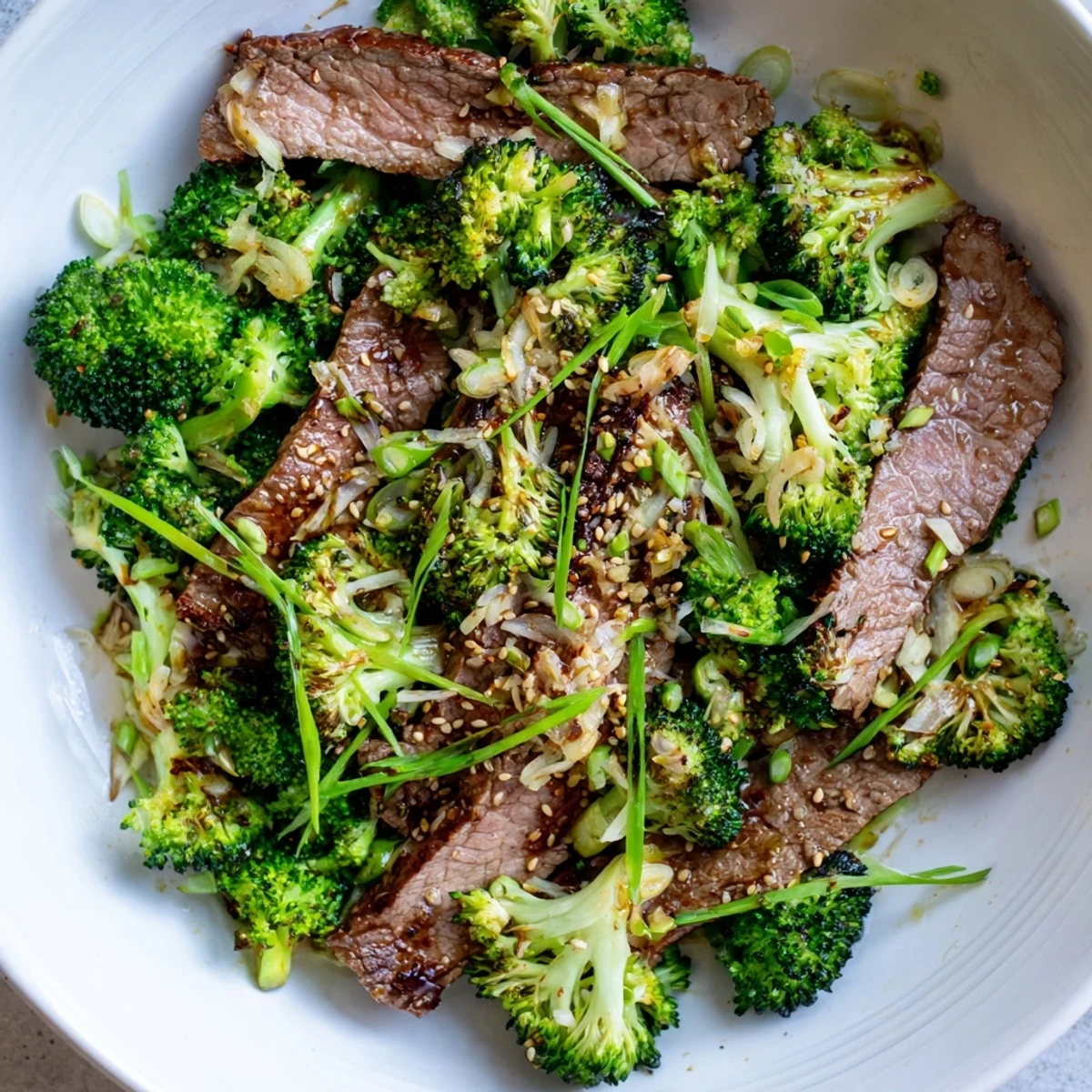
 This stir fry became my answer to the weeknight question of what's for dinner, the kind of recipe that reminds you that satisfying food doesn't require hours or a secret degree in cooking. Make it once, and you'll understand why.
Recipe FAQs
- → How do I ensure the beef stays tender?
-
Slice the beef thinly against the grain and marinate briefly with coconut aminos and ginger before cooking to enhance tenderness.
- → Can I substitute broccoli with other vegetables?
-
Yes, crisp vegetables like snap peas or bok choy work well in this stir fry style preparation.
- → What cooking oils are best for stir frying?
-
Olive oil and sesame oil provide good flavor and withstand medium-high heat suitable for stir frying.
- → How can I adjust the spice level?
-
Add or reduce red pepper flakes according to your preferred heat tolerance.
- → Is there a gluten-free option for the sauce?
-
Using coconut aminos or tamari instead of soy sauce keeps the sauce gluten-free without compromising taste.