 Pin it
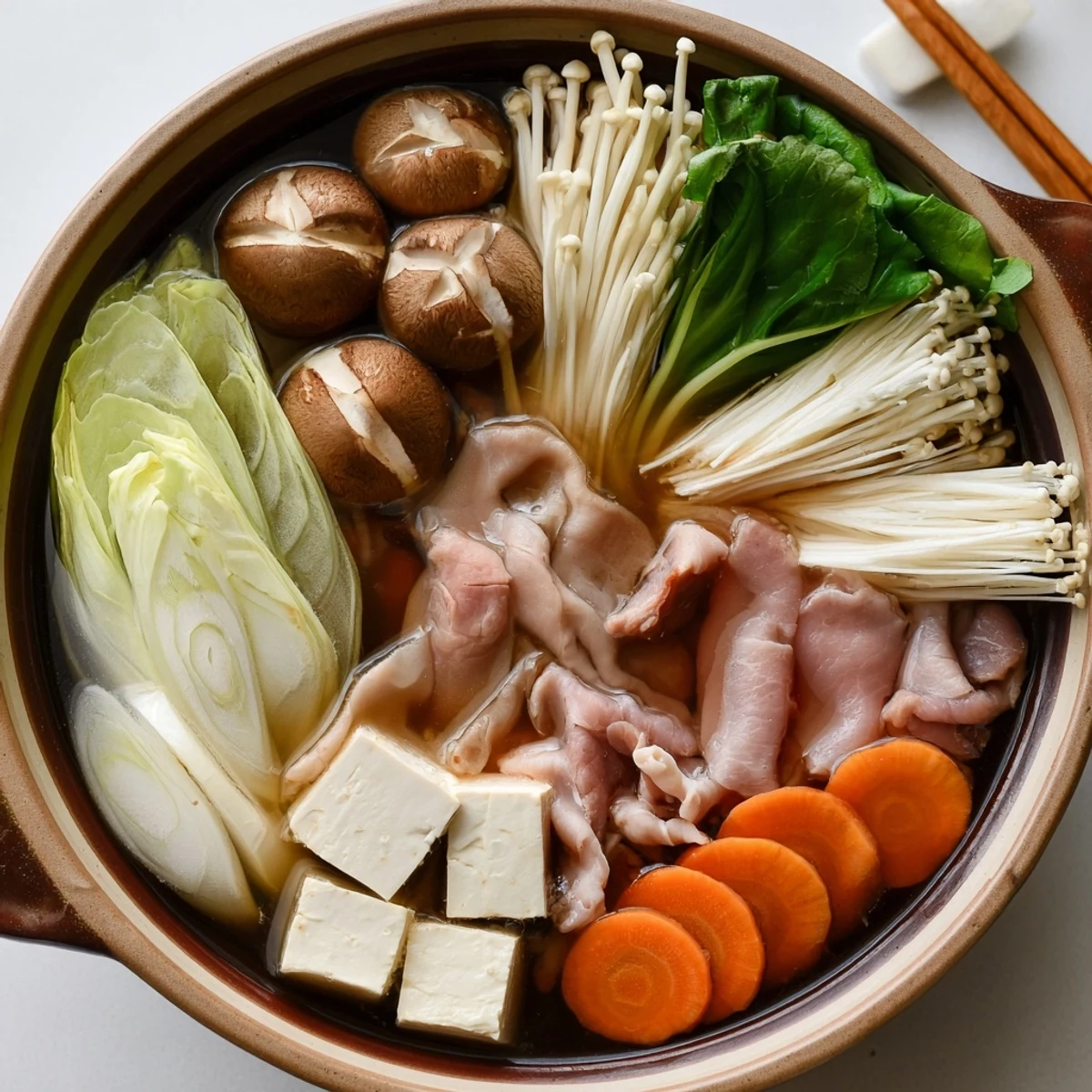
 Experience this interactive Japanese dining tradition where thinly sliced beef, pork, and fresh vegetables are swished in simmering dashi broth at the table. The name comes from the sound of ingredients moving through the hot liquid. Each diner cooks their own portions, dipping cooked items into tangy ponzu or creamy sesame sauce. The meal concludes with udon noodles absorbing the rich, flavorful broth. Perfect for gatherings, this communal style brings everyone together around the pot for a memorable culinary experience.
The first time I had shabu shabu was at a tiny Tokyo restaurant tucked between a laundromat and a convenience store. Snow was falling outside and condensation dripped down the windows while eight of us crowded around a single bubbling pot, strangers connected by chopsticks and broth. I watched the businessman beside me expertly swish his beef slice in the dashi and realized this wasn't just dinner. It was magic.
Last winter my friends gathered for what became a three hour shabu shabu marathon that we had to end only because the udon ran out. Someone brought excellent sake and someone else forgot all about dietary restrictions while fishing for the perfect tofu cube. The broth was still developing depth when we finally leaned back satisfied and warm.
Ingredients
- 8 cups dashi stock: Homemade dashi creates an earthy foundation but quality store bought works perfectly when time is tight
- 2 inch piece kombu: This dried kelp infuses subtle umami that transforms plain water into something extraordinary
- 400 g thinly sliced beef sirloin: Paper thin slices are crucial so they cook instantly in the hot broth
- 200 g thinly sliced pork loin: An optional addition that brings sweet notes to balance the beef
- 1/2 Chinese cabbage: Adds sweetness and crunch while absorbing all the savory flavors
- 1 bunch spinach: Wilts beautifully in the broth and provides vibrant color to the table spread
- 1 large carrot: Thin slices hold their shape nicely and add natural sweetness
- 200 g shiitake mushrooms: Their meaty texture becomes even better after a brief hot bath
- 200 g enoki mushrooms: These delicate clusters cook in seconds and look beautiful on platters
- 1 leek: Diagonal slices release mild onion flavor into each component
- 1 block tofu: Firm cubes hold up best though silken creates lovely clouds in the soup
- 200 g udon noodles: The perfect vehicle for that final enriched broth
- 1/2 cup ponzu sauce: Bright citrus notes cut through the richness beautifully
- 1/2 cup sesame sauce: Creamy and nutty it creates a completely different flavor profile
- 2 green onions: Fresh finish adds brightness and contrast
- 2 tbsp toasted sesame seeds: Sprinkle these throughout for texture and nutty aroma
Instructions
- Prepare your flavor foundation:
- Place the kombu gently in the dashi stock and warm it slowly removing the kelp right before it reaches a boil. Keep this broth at a gentle simmer throughout the meal.
- Set your table canvas:
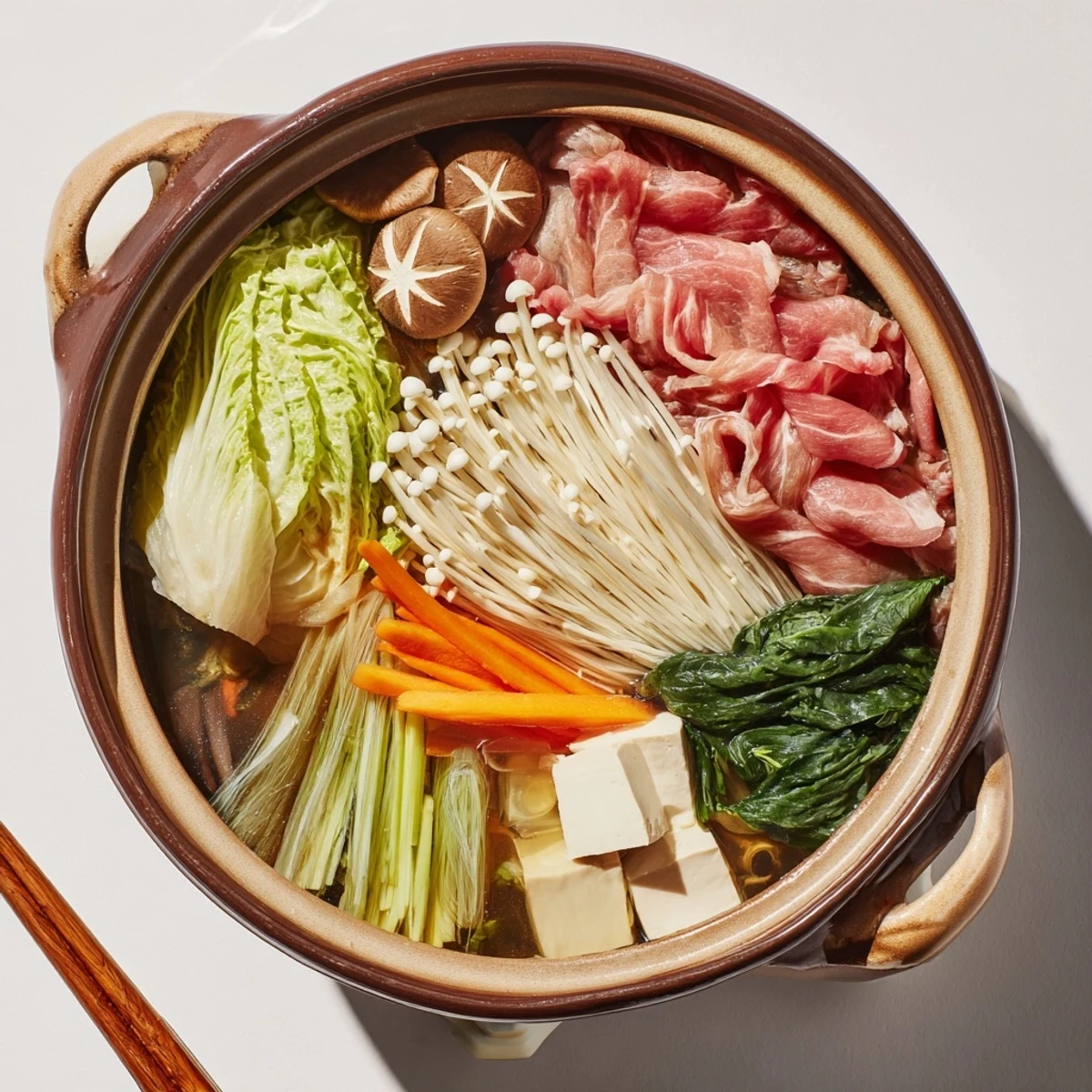
- Arrange everything on large platters grouped by type with the sauces in small bowls within easy reach. This visual feast is half the experience.
- Bring everyone to the heat:
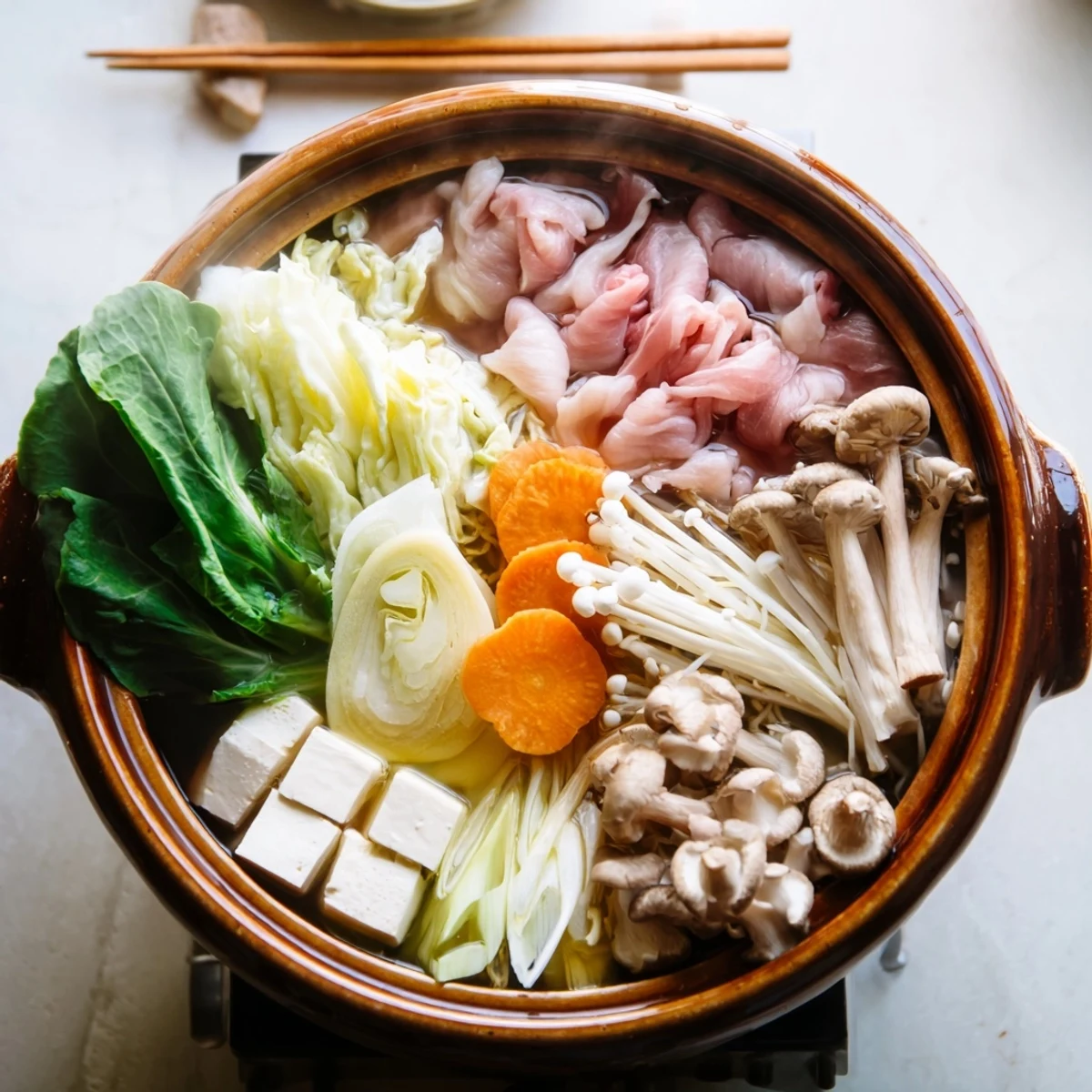
- Set up your portable burner at the table and position the simmering pot where everyone can reach. Gather round with chopsticks ready and appetites primed.
- Master the swish:
- Diners select thin meat slices and swish them back and forth in the broth just seconds until they turn pink. The name shabu shabu comes from this sound.
- Sauce and savor:
- Dip each cooked piece immediately into ponzu or sesame sauce then enjoy while hot. Try each ingredient in both sauces to discover your preference.
- Transform the finale:
- When everyone has had their fill add the udon noodles to the now incredibly flavorful remaining broth. Simmer briefly and serve this soup as a soul warming finish.
- Finish with flourish:
- Sprinkle green onions and sesame seeds over the noodles or remaining broth for that perfect final touch.
 Pin it
 My cousin married into a Japanese family and her mother in law taught us to save the very best mushroom pieces for the final noodle course. She said they release their essence into the broth and then become these concentrated bites of flavor. She was right.
Setting The Scene
The beauty of shabu shabu is how naturally it creates conversation while everyone is occupied with their own cooking tasks. I have found that serving the platters already artfully arranged starts the oohing and aahing before anyone even sits down.
Perfect Pairings
Cold sake or light beer work beautifully but nothing beats green tea for cleansing your palate between different ingredients and sauces. Keep a pot constantly refilled throughout the meal.
Getting Ahead
You can slice all vegetables and arrange platters hours ahead keeping them covered with damp paper towels. The sauces can be mixed and refrigerated a day in advance.
- Set up your portable burner and test it before guests arrive
- Have extra dashi on hand in case you need to replenish the broth
- Keep a ladle nearby for anyone who wants broth alone
 Pin it
 Some meals feed you but this one connects you long after the last noodle disappears.
Recipe FAQs
- → What does shabu shabu mean?
-
The name comes from the sound made when swishing thinly sliced meat through the hot broth with chopsticks. It mimics the swish-swish motion of cooking ingredients quickly in the simmering dashi stock.
- → What meat works best for shabu shabu?
-
Thinly sliced beef sirloin or ribeye is traditional. The slices should be paper-thin to cook instantly in the hot broth. Pork loin, chicken, or seafood make excellent alternatives.
- → Can I make this vegetarian?
-
Absolutely. Use kombu dashi as your base broth and skip the meats. Load up on mushrooms, tofu, cabbage, carrots, and other vegetables. The dipping sauces remain delicious with plant-based ingredients.
- → What's the difference between shabu shabu and sukiyaki?
-
Shabu shabu uses a light, savory dashi broth for cooking, while sukiyaki features a sweet soy-based sauce. Shabu shabu focuses on the natural flavors of ingredients dipped in separate sauces, whereas sukiyaki ingredients cook directly in the seasoned broth.
- → Do I need special equipment?
-
A portable burner or induction cooktop allows tableside cooking, which is essential for the authentic experience. You'll also need chopsticks for swishing ingredients and a large pot. Traditional donabe or earthenware pots work beautifully but any heavy-bottomed pot suffices.
- → What do I do with the leftover broth?
-
The broth becomes incredibly flavorful after cooking all the ingredients. traditionally, udon noodles are added at the end to soak up this enriched liquid. Some people also add rice to make a final porridge called zosui for the perfect finish.