 Pin it
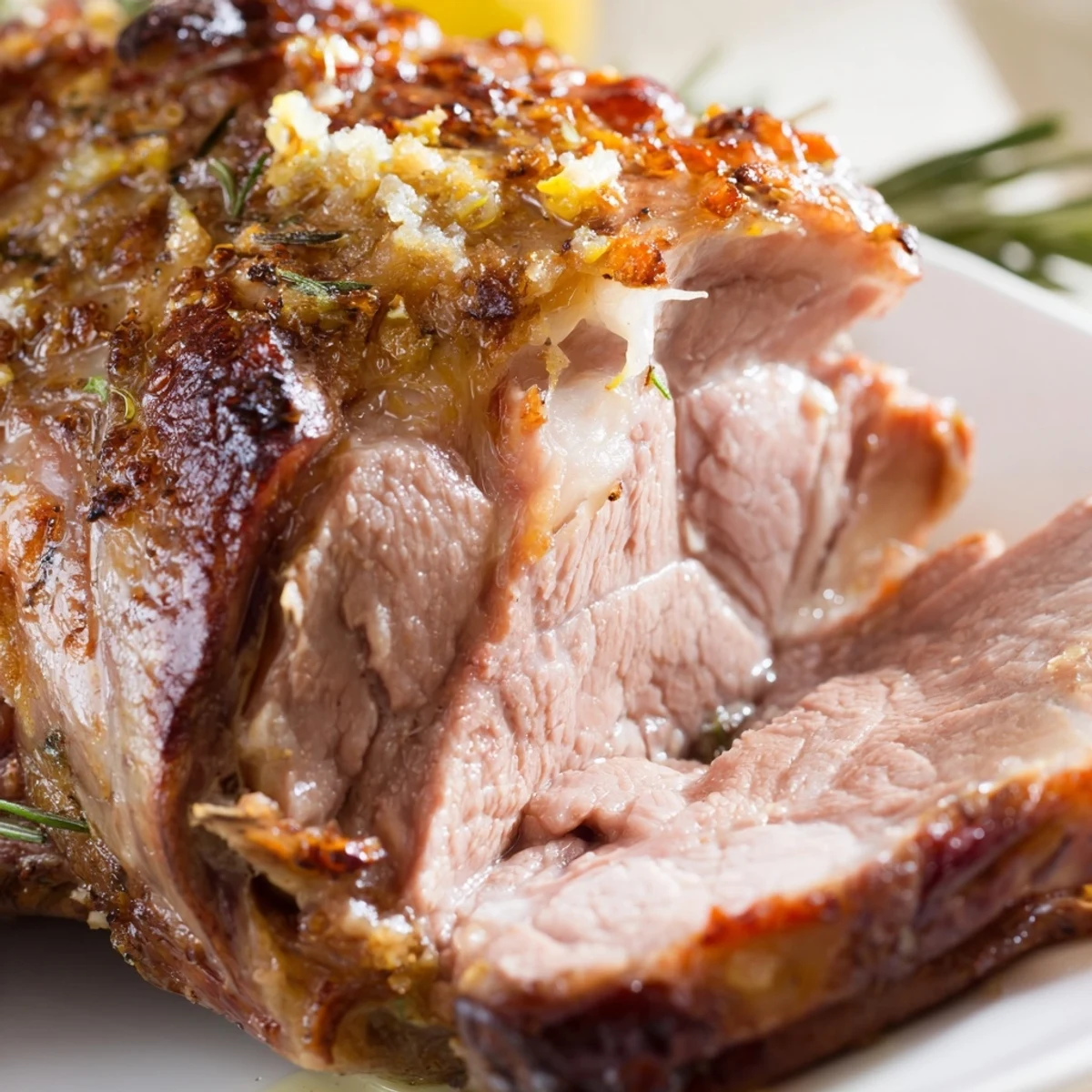
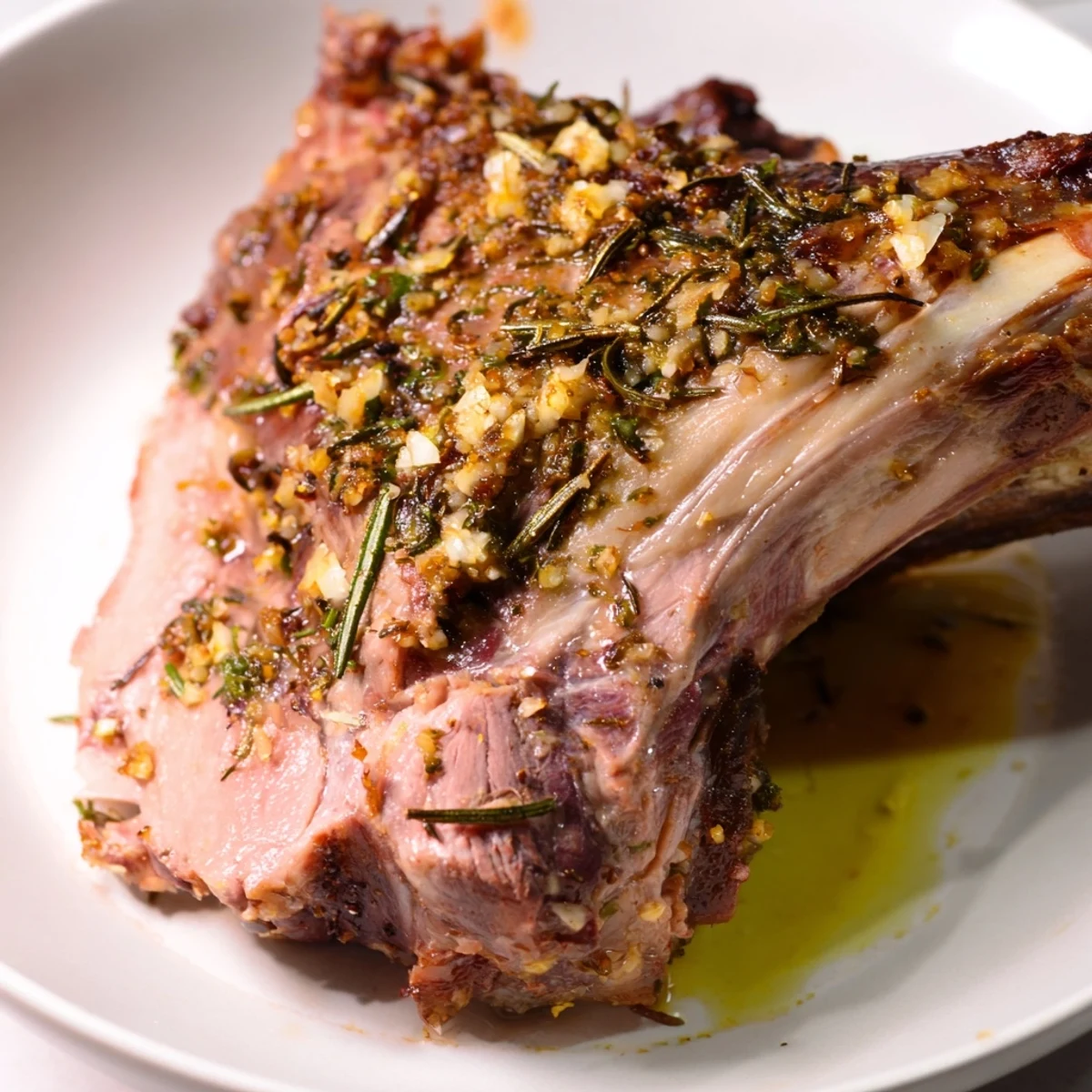
 This dish highlights a bone-in lamb shoulder rubbed with a garlic and fresh herb marinade, including rosemary, thyme, parsley, and oregano. It is slow-cooked over a bed of onions, carrots, and celery, allowing the meat to absorb deep, aromatic flavors.
After low roasting, a higher heat finish renders a golden crust while keeping the meat tender and juicy. The broth added during cooking keeps the lamb moist and enhances the vegetables, creating a harmonious Mediterranean-inspired meal.
Resting the lamb before carving ensures exquisite texture, perfect for sharing during special occasions or comforting family dinners. Pair this dish with roasted potatoes or a fresh salad to complete the experience.
There's something about the smell of a lamb shoulder hitting a hot oven that stops everything—you suddenly understand why people planned elaborate Sunday dinners around a single roast. My first attempt was admittedly nervous; I'd watched my neighbor pull one from her oven golden and steaming, and I thought, I can do that. Turns out, the secret isn't complicated at all, just good garlic, good herbs, and the patience to let time do most of the work.
I made this for a dinner party last winter when an old friend came through town unexpectedly, and I had just enough time to grab a lamb shoulder from the market. As it roasted, we sat in the kitchen drinking wine and catching up, and by the time it was golden, the whole house felt like an invitation. That meal became the thing everyone remembered from that visit.
Ingredients
- Bone-in lamb shoulder (2.5–3 kg / 5–6.5 lb): The bone keeps the meat moist and adds incredible depth to the pan juices—don't skip it just for convenience.
- Fresh garlic (6 cloves, minced): Mince it fine so it distributes evenly and cooks into the crust rather than charring on top.
- Fresh rosemary (3 tbsp, finely chopped): Rosemary is the backbone here; it's worth using fresh sprigs stripped from the stem rather than dried.
- Fresh thyme (2 tbsp leaves): Thyme mellows beautifully under slow heat and adds an earthy note that lifts the whole dish.
- Fresh parsley (2 tbsp, finely chopped): A handful of parsley keeps the herb blend bright and prevents it from tasting too heavy.
- Fresh oregano (1 tbsp, or 1 tsp dried): If you can't find fresh, dried works, but use half the amount since it's more concentrated.
- Lemon (1, zested and juiced): The acidity cuts through the richness of the lamb and makes the crust sing.
- Kosher salt and black pepper: Season generously—lamb can handle it, and the long cook mellows the pepper's bite.
- Olive oil (1/4 cup / 60 ml): Good quality oil holds the herb paste together and creates a protective crust as it roasts.
- Onions, carrots, celery (2, 3, and 3 pieces respectively): Cut them chunky so they don't dissolve into the pan; they're your flavor foundation and a bonus side dish.
- Broth (1 cup / 240 ml): Chicken or beef both work beautifully; the broth becomes liquid gold for the pan juices.
Instructions
- Set your stage:
- Preheat your oven to 160°C (325°F) so it's ready when you are. A steady, moderate heat is what transforms lamb from good to unforgettable.
- Build the herb paste:
- In a bowl, combine minced garlic, all your fresh herbs, lemon zest, juice, salt, pepper, and olive oil until it looks like a rough, fragrant paste. This is where all the magic lives—take a moment to really smell it.
- Prepare the lamb:
- Pat the shoulder completely dry with paper towels; any moisture on the surface will steam rather than sear. Using a sharp knife, score the fat in a criss-cross pattern about 1/4 inch deep, which helps the seasoning penetrate.
- Apply the herb crust:
- Rub that paste all over the lamb, pressing it firmly into every crevice and cut. Don't be shy—this is your only chance to season it deeply before the roast.
- Build your roasting base:
- Scatter the onions, carrots, and celery across the bottom of a large roasting pan and nestle the lamb on top. These vegetables catch the drippings and become part of your finished dish.
- Add liquid and cover:
- Pour the broth around the lamb (not over it, which would wash away your crust), then cover the pan tightly with aluminum foil. This traps steam and keeps the meat incredibly moist.
- Slow roast:
- Roast for 2.5 hours covered. The kitchen will smell absolutely stunning by the 90-minute mark—that's how you know it's working.
- Finish with color:
- Remove the foil, crank the oven to 200°C (400°F), and roast for another 30 minutes, basting every ten minutes or so with the pan juices. You're building that golden, caramelized exterior now.
- Rest and serve:
- Transfer the lamb to a platter and let it rest for 15 minutes loosely covered with foil—this lets the juices resettle instead of running all over your cutting board. Serve with the roasted vegetables and drizzle everything with those pan juices.
 Pin it
 The first time someone asked for the recipe after eating this, I realized it wasn't the complexity that impressed them—it was the fact that something so spectacular could come from such simple, honest ingredients and a little bit of time. That's when I stopped worrying about whether I was cooking fancy enough and started understanding what actually matters.
Making It Your Own
Lamb shoulder is forgiving enough that you can play with the herbs without ruining it. I've swapped the oregano for mint when I had it on hand, and the citrus note shifted from lemon to orange once because that's what was in my fruit bowl. The structure stays solid; the flavor just dances around a little differently each time.
Pairing and Serving
This roast doesn't need much beyond what comes out of the pan, but roasted potatoes tucked in alongside the vegetables absorb those incredible juices. A simple green salad with sharp vinaigrette cuts through the richness perfectly, and fresh bread is never wasted mopping up what's left on your plate.
Timing and Make-Ahead
The beauty of this recipe is that you can rub the herb paste on the lamb the night before and let it sit in the refrigerator, which actually deepens the flavor as the salt starts breaking down the muscle. Even without overnight marinating, twenty minutes of prep means you're genuinely hands-off for most of the cooking time.
- Overnight marinating takes the flavor from delicious to unforgettable if you have the time.
- Leftovers shredded between crusty bread with a dollop of mustard might be better than the original meal.
- A batch of this lamb also freezes beautifully for up to three months, which means future you is covered.
 Pin it
 A good lamb roast is one of those meals that lingers in people's memories long after the plates are cleared. Make it, and you'll understand why.
Recipe FAQs
- → How should I prepare the lamb shoulder for roasting?
-
Pat the shoulder dry and score the fat in a criss-cross pattern to help the herb marinade penetrate deeply.
- → What herbs are best for the marinade?
-
Fresh rosemary, thyme, parsley, and oregano provide a balanced and aromatic flavor that complements the lamb beautifully.
- → Can I marinate the lamb overnight?
-
Yes, marinating overnight enhances flavor development and tenderness.
- → Why add broth to the roasting pan?
-
The broth keeps the meat moist while roasting and infuses the vegetables with rich savory notes.
- → How do I achieve a crispy crust on the lamb?
-
After slow roasting covered in foil, increase the oven temperature and roast uncovered for 30 minutes, basting occasionally to develop a golden crust.
- → What side dishes pair well with this lamb?
-
Roasted potatoes, green beans, or a fresh salad complement the rich flavors and texture of the lamb.