 Pin it
 This delightful European-style cake achieves its signature cloud-like texture through the clever combination of Greek yogurt and beaten egg whites. The batter comes together by whipping egg yolks with sugar until creamy, then incorporating oil, yogurt, and fresh lemon zest. Dry ingredients are gently folded in before the volume is tripled with stiffly beaten egg whites.
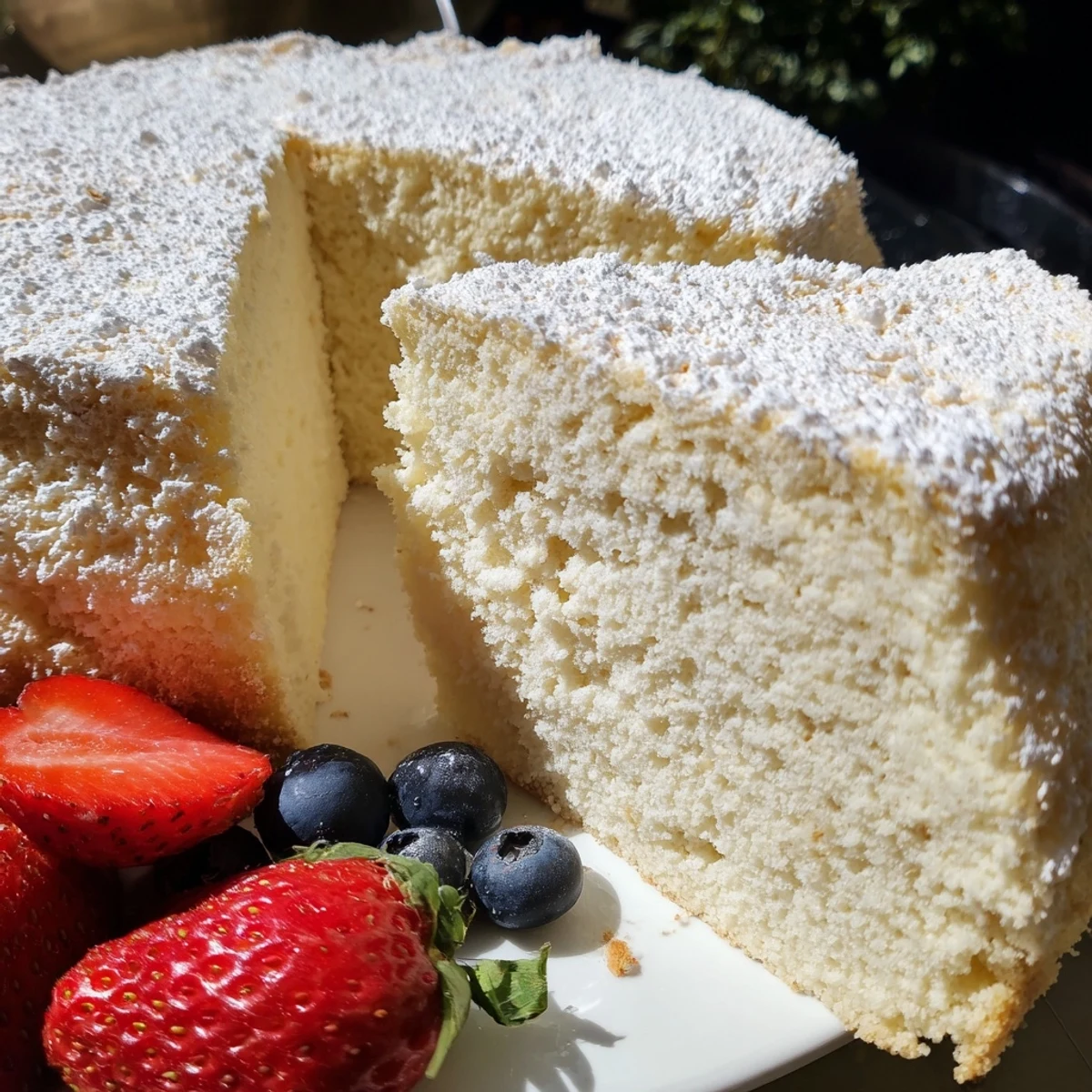
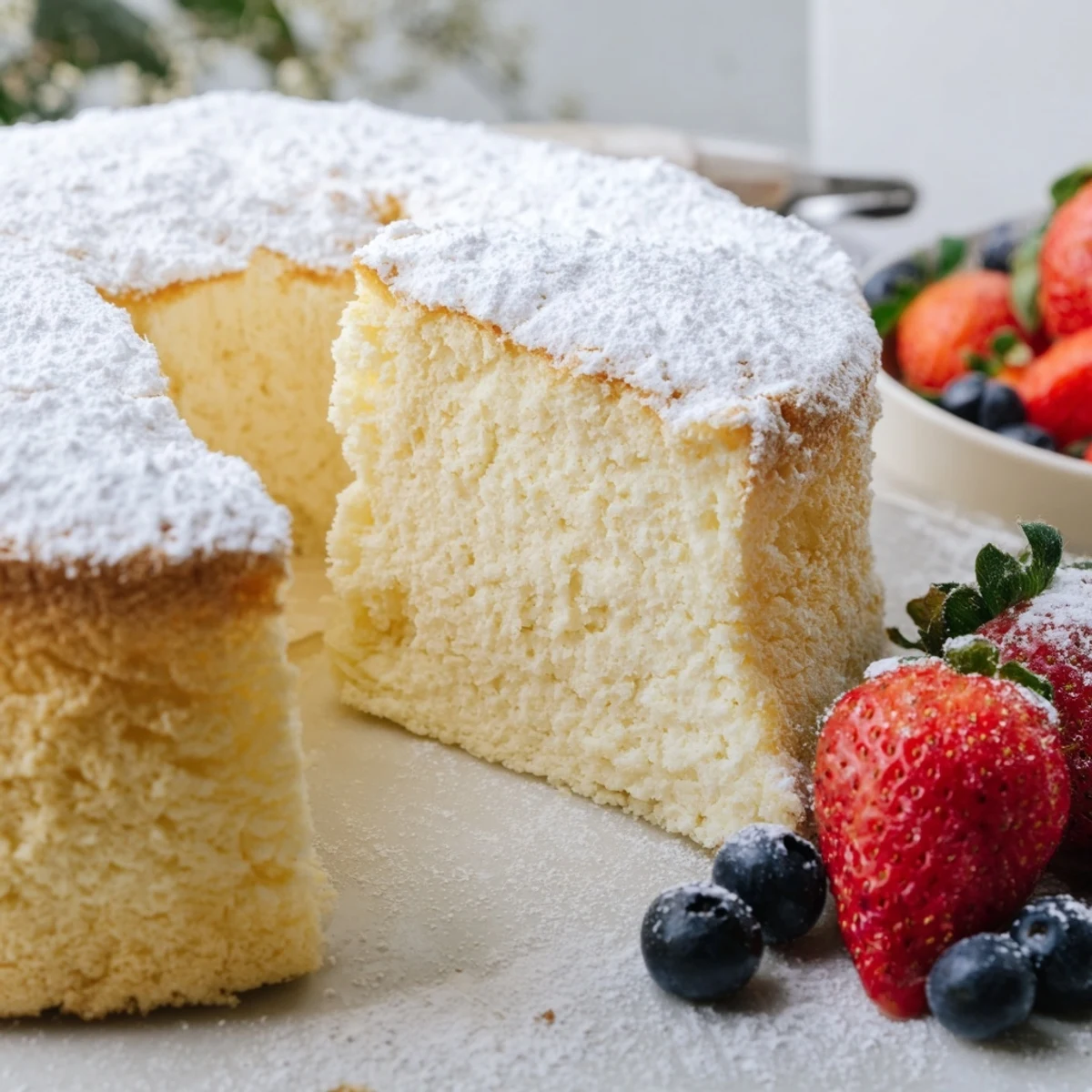
The result is a remarkably light dessert that balances tangy yogurt notes with subtle sweetness. Baked at a moderate temperature, it emerges golden and set, perfect for dusting with powdered sugar and serving alongside fresh berries. The technique of folding egg whites in three additions ensures the airy structure remains intact throughout baking.
Best enjoyed fresh, this vegetarian treat offers a sophisticated finish to any meal while remaining simple enough for everyday baking. The lemon zest adds brightness, while the yogurt contributes moisture and a pleasant tang that cuts through the sweetness.
The first time I made this yogurt cloud cake, I was convinced I had messed something up. The batter seemed impossibly light, almost like I was folding air into nothing, and I kept checking the recipe to make sure I had not accidentally skipped a step. When it came out of the oven, towering and golden with this delicate sponge that practically sighed when you touched it, I understood why they call it a cloud. My roommate took one bite and immediately asked me to make it for her birthday that weekend.
I have made this cake for everything from dinner parties to lonely Tuesday nights when I needed something comforting but not too indulgent. Once, I brought it to a potluck and watched three different people ask for the recipe, all while arguing about whether the secret was the yogurt or the careful folding technique. What I love most is how it manages to feel fancy enough for company but simple enough that you do not need any special equipment or hard to find ingredients.
Ingredients
- All-purpose flour: The structure builder that keeps your cloud from collapsing, though you can experiment with cake flour for an even lighter crumb
- Cornstarch: This is the secret weapon for tenderness, creating that delicate almost melt in your mouth texture
- Baking powder: Just enough lift to help the cake rise while still relying mostly on the egg whites for its airy structure
- Salt: A pinch that makes all the flavors pop and prevents the cake from tasting flat
- Eggs, separated: The yolks provide richness and structure while the beaten whites create that signature cloud like texture
- Granulated sugar, divided: Half sweetens the batter while the rest stabilizes the egg whites for maximum volume
- Vegetable oil: Keeps the cake incredibly moist and tender, unlike butter which can firm up when chilled
- Full fat Greek yogurt: The star ingredient that adds subtle tang, moisture, and protein for structure
- Vanilla extract: Pure vanilla extract makes a noticeable difference here, amplifying the delicate flavors
- Lemon zest: Brightens everything and cuts through the richness, though you can swap in orange or even skip it
- Powdered sugar: For that snow dusted finish that makes it look as ethereal as it tastes
- Fresh berries: The tartness and juiciness of berries creates this perfect contrast with the light cake
Instructions
- Prep your pan and oven:
- Heat your oven to 325°F and line just the bottom of an 8 inch round pan with parchment, leaving the sides completely ungreased so the cake can climb them as it rises.
- Mix the dry ingredients:
- Whisk together the flour, cornstarch, baking powder, and salt in a bowl until completely combined.
- Make the yolk base:
- Beat the egg yolks with half the sugar until they turn pale and creamy, then whisk in the oil, yogurt, vanilla, and lemon zest until smooth.
- Combine wet and dry:
- Gently fold the dry ingredients into the yolk mixture just until no flour streaks remain, being careful not to overwork the batter.
- Whip the egg whites:
- In a completely clean bowl, beat the egg whites until soft peaks form, then gradually add the remaining sugar and continue beating until stiff and glossy.
- Lighten the batter:
- Fold one third of the whites into the batter to loosen it, then gently fold in the remaining whites in two more additions until no white streaks show.
- Bake to golden perfection:
- Pour the batter into your prepared pan, smooth the top, and bake for 40 to 45 minutes until set and a toothpick comes out clean.
- Cool with patience:
- Let the cake cool in the pan for 10 minutes before running a knife around the edge and carefully inverting it onto a wire rack.
 Pin it
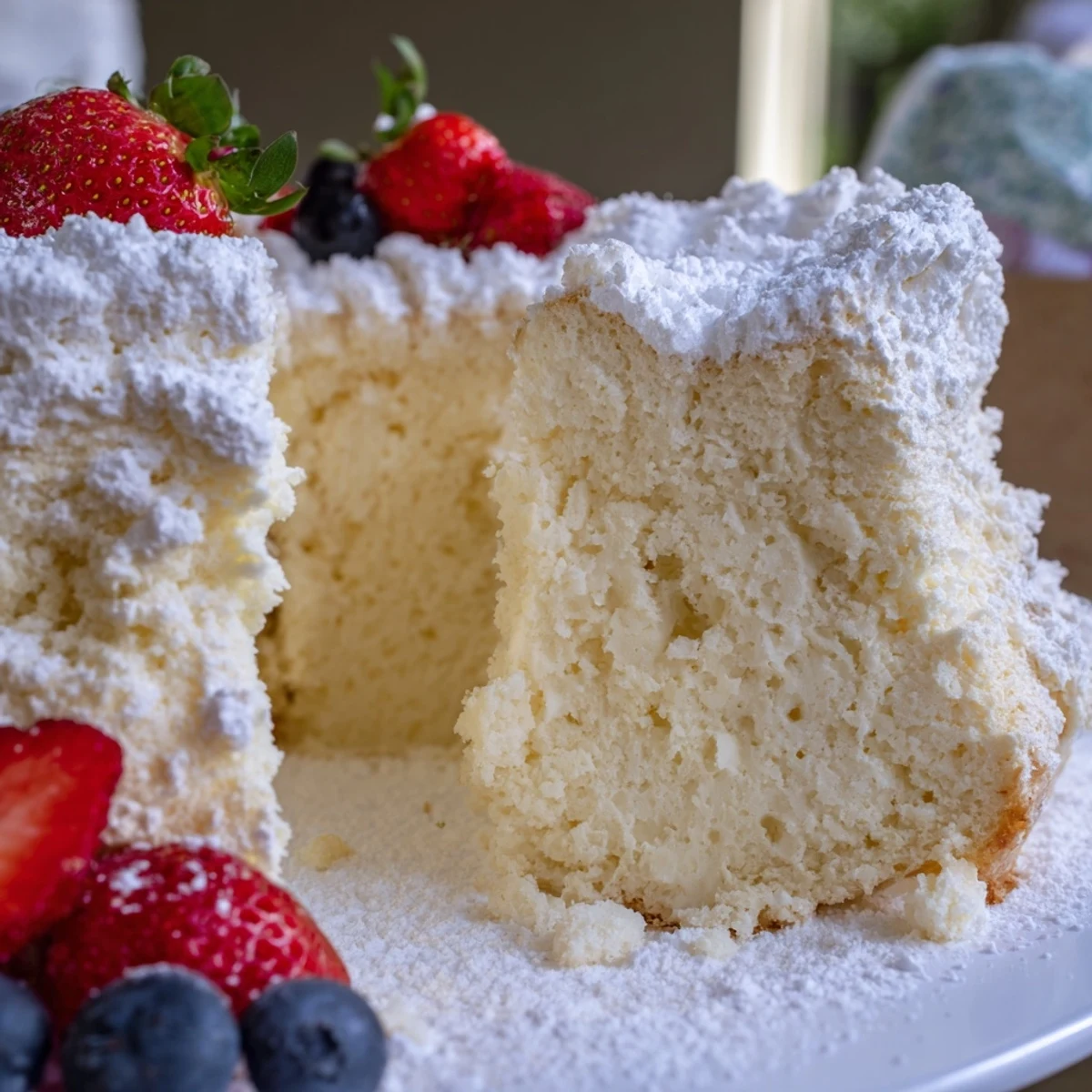
 This cake has become my go to when I want to impress someone without spending hours in the kitchen. There is something almost magical about cutting into that golden dome and seeing the impossibly tender crumb inside, still slightly warm from the oven. My sister claimed it was the best thing I have ever made, and she is usually pretty critical of my baking experiments.
Making It Your Own
The beauty of this recipe is how well it takes to variations while still maintaining that signature cloud like texture. You can swap the lemon zest for orange, lime, or even a combination of citrus fruits. Sometimes I fold in a handful of fresh berries right at the end, letting them sink slightly into the batter for these jewel toned pockets throughout the cake. For a chocolate version, reduce the flour to 3/4 cup and add 1/4 cup cocoa powder, then consider folding in chocolate chips for extra indulgence.
Serving Suggestions
This cake is remarkably versatile when it comes to presentation and serving. The simplest approach is a generous dusting of powdered sugar just before serving, which creates this beautiful snow capped effect. A dollop of whipped cream or a drizzle of fruit compote takes it over the top without overpowering the delicate flavor. I have also served it with a side of creme anglaise for a truly elegant dessert that feels restaurant quality.
Storage and Make Ahead Tips
While this cake is undeniably best the day it is made, when the crumb is at its most ethereal, it does store reasonably well for a couple of days. Keep it at room temperature, lightly covered, for the best texture, though the refrigerator will extend its life if you prefer. The cake actually develops a slightly denser, more satisfying texture after chilling, almost like a cross between a sponge and a cheesecake.
- Wrap it tightly in plastic wrap and freeze for up to a month, thawing at room temperature
- Refresh day old slices by warming them slightly in the microwave for 10 seconds
- The unfrosted cake base can be made a day ahead and stored airtight until serving
 Pin it
 Every time I make this yogurt cloud cake, I am reminded that sometimes the most impressive desserts come from the simplest ingredients treated with care and patience. It has become one of those recipes I can make almost without thinking, yet it never fails to delight everyone who tries it.
Recipe FAQs
- → What makes the texture so light and airy?
-
The cloud-like texture comes from incorporating stiffly beaten egg whites into the batter. The egg whites are whipped until they form stiff peaks, then gently folded in three separate additions. This technique creates countless tiny air pockets that expand during baking, resulting in the characteristic fluffy, airy consistency.
- → Can I use regular yogurt instead of Greek yogurt?
-
Greek yogurt is preferred because its thicker consistency provides better structure and moisture. Regular yogurt contains more water, which could make the batter too thin and affect the final texture. If substituting, consider straining regular yogurt through cheesecloth for several hours to remove excess whey and achieve a similar thickness.
- → Why shouldn't I grease the sides of the cake pan?
-
Leaving the sides ungreased allows the batter to climb up the pan as it bakes, creating better rise and structure. If the sides are greased, the batter may slide down instead of rising upward, resulting in a denser texture. Only the bottom needs parchment paper to prevent sticking while the ungreased sides help the cake achieve maximum height.
- → How do I know when the cake is done baking?
-
The cake is finished when it's set and a toothpick inserted in the center comes out clean, typically after 40–45 minutes at 325°F. The top should feel firm and spring back lightly when touched. Avoid opening the oven too early, as the delicate structure could collapse from sudden temperature changes before it has set properly.
- → Can I make this cake ahead of time?
-
This dessert is best enjoyed the day it's made when the texture is at its lightest and fluffiest. However, it can be stored in an airtight container for up to 2 days. The texture may become slightly denser over time but will remain delicious. For serving, consider chilling briefly to enhance the refreshing quality, then bring to room temperature for optimal flavor.
- → What variations can I try with this base recipe?
-
The versatile base pairs beautifully with different citrus flavors—try orange, lime, or grapefruit zest instead of lemon. For a berry version, fold fresh or frozen berries into the batter before baking. Almond extract can replace vanilla for a nutty profile, or add a tablespoon of poppy seeds for subtle crunch and visual interest.