 Pin it
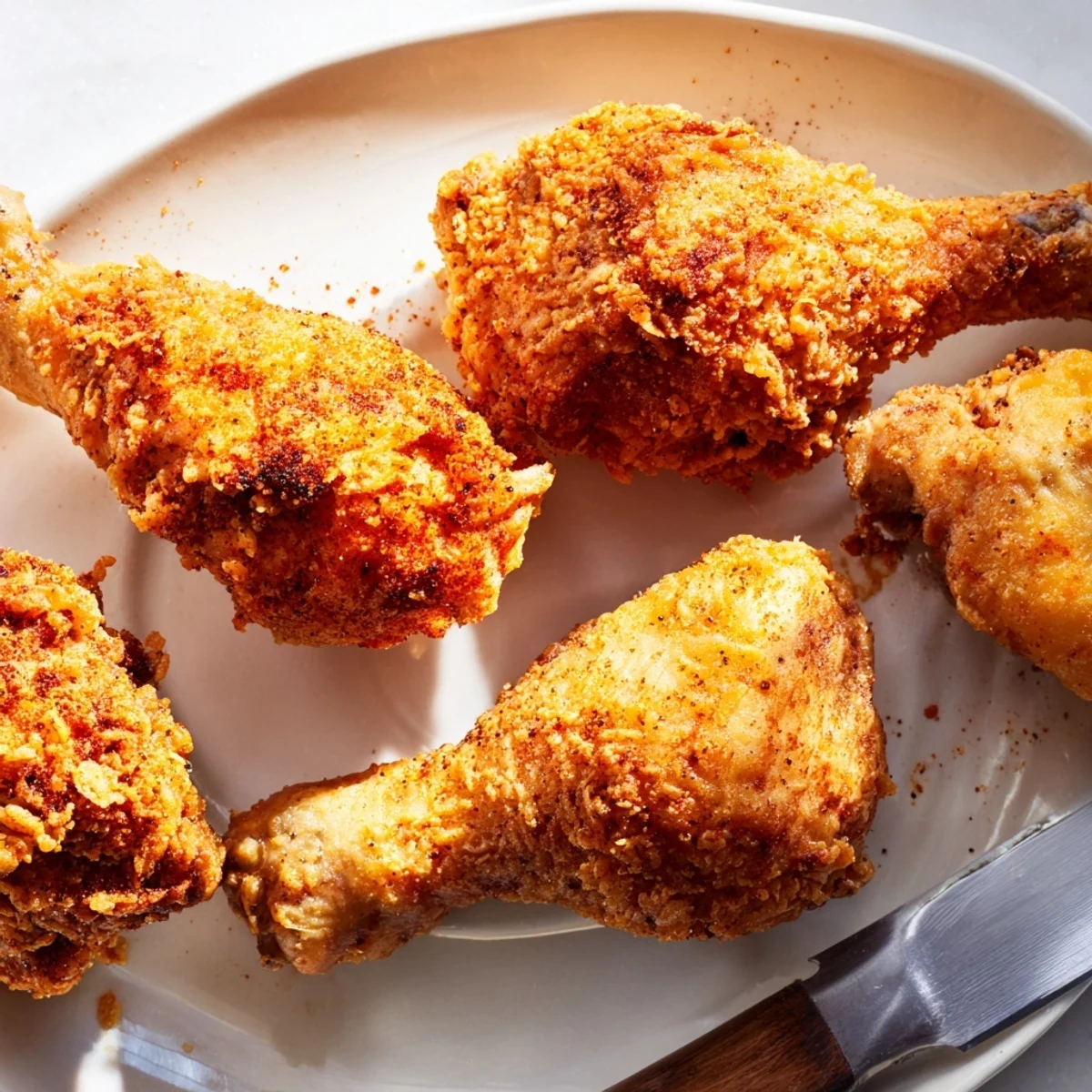
 This beloved Southern classic starts with chicken pieces soaking in buttermilk for at least four hours, ensuring every bite stays juicy and tender. The meat gets dredged in a flavorful coating of flour blended with paprika, garlic powder, onion powder, and cayenne before hitting hot oil.
Frying at 350°F creates that signature crispy exterior while keeping the inside moist. The result is golden-brown pieces with satisfying crunch in every bite. Perfect alongside mashed potatoes, coleslaw, or flaky biscuits.
For extra crunch, try the double-dip method—coat once in flour, dip again in buttermilk, then dredge a second time. Adjust the cayenne to your preferred heat level.
The kitchen smelled like anticipation the first time I attempted real Southern fried chicken. My grandmother stood by the stove, nodding approval as I measured buttermilk into that familiar glass bowl. She told me the secret was patience, letting those chicken pieces soak up all that tangy goodness until they practically melted in your mouth.
Last summer, I made this for a neighborhood block party and watched grown men literally fight over the last drumstick. Something about homemade fried chicken just pulls people together. My friend Sarah asked for the recipe before she even finished her first piece.
Ingredients
- Whole chicken: Cutting it yourself saves money and gives you those coveted thigh pieces everyone fights over
- Buttermilk: The acidity here is not optional, it is what transforms tough muscle into fork tender meat
- Hot sauce: Even if you think you do not like heat, this tiny amount wakes up all the other flavors
- All purpose flour: Do not use bread flour or the coating gets too thick and heavy
- Paprika: This gives your chicken that gorgeous golden red color people associate with Southern cooking
- Cayenne pepper: Start with half if you are heat sensitive, you can always add more next time
- Vegetable oil: Peanut oil has a higher smoke point but vegetable works perfectly fine
Instructions
- The Magic Soak:
- Whisk buttermilk, hot sauce, salt and pepper until fully combined, then submerge chicken pieces completely. Cover and forget about it in the fridge for at least four hours though overnight is even better.
- Build Your Coating Station:
- Mix flour with paprika, garlic and onion powders, cayenne, salt and pepper in a wide shallow dish. You want enough room to really get in there and coat every piece thoroughly.
- Dredge Like You Mean It:
- Pull chicken from buttermilk, let excess drip off for just a second, then press firmly into flour mixture. Lift, shake gently, and place on wire rack while oil heats up.
- Get That Oil Hot:
- Heat oil to exactly 350°F and use your thermometer, this is not the time to guess. Cold oil means greasy chicken and nobody wants that disappointment.
- The Transformation:
- Carefully lower chicken into hot oil, working in batches so you do not crowd the pan. Let it sizzle undisturbed for about 8 minutes before peeking, then flip and fry until golden brown and crispy all over.
- The Hardest Part:
- Let finished chicken drain on a wire rack for at least 5 minutes before serving. This waiting period is absolute torture but essential for the crispiest results.
 Pin it
 My cousin finally admitted after years of competitive cooking that my fried chicken beat his restaurant version. That validation from someone who takes food seriously meant everything. Now he asks me to make it for family gatherings.
Getting The Crispiest Skin
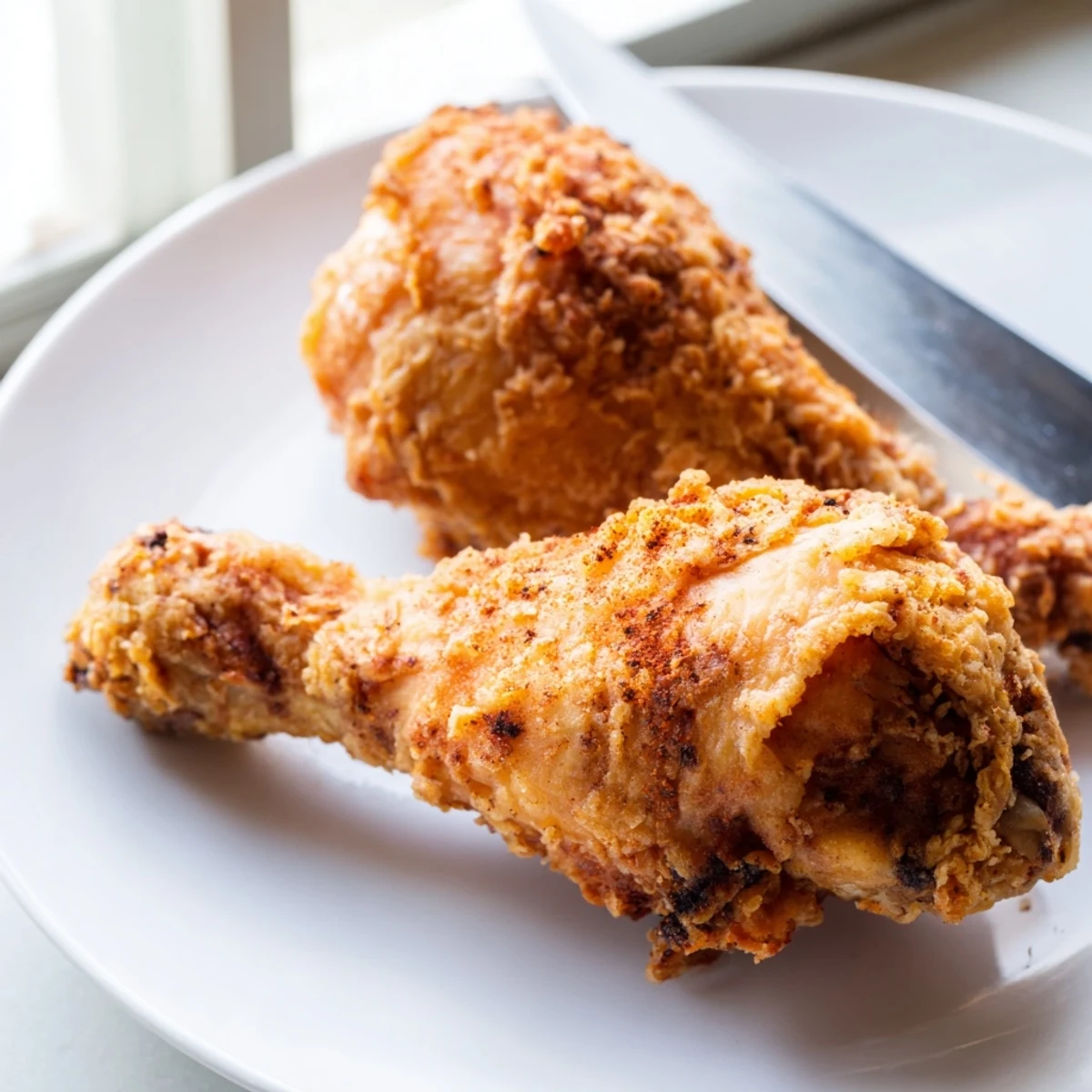
Double coating is a game changer if you have the extra time and flour. After that first dusting, dip the chicken back into buttermilk for just a second, then press it into the flour mixture again. The result is an extra thick, outrageously crunchy shell that stays crispy even after the chicken cools down completely.
Mastering Your Oil Temperature
Too cold and you get soggy greasy mess, too hot and the outside burns before the inside cooks through. Keep that thermometer clipped to the side of your pot and adjust your heat as needed. When you add cold chicken, the temperature drops naturally, so compensate by turning up the heat slightly before adding each batch.
Serving Suggestions That Shine
Classic sides make this meal complete and nobody will complain about having choices. The contrast of hot crispy chicken against cool creamy sides is what makes this dinner legendary.
- Fresh buttermilk biscuits with honey butter for soaking up extra sauce
- Creamy coleslaw with just enough tang to cut through the richness
- Mashed potatoes with gravy because more comfort is always better
 Pin it
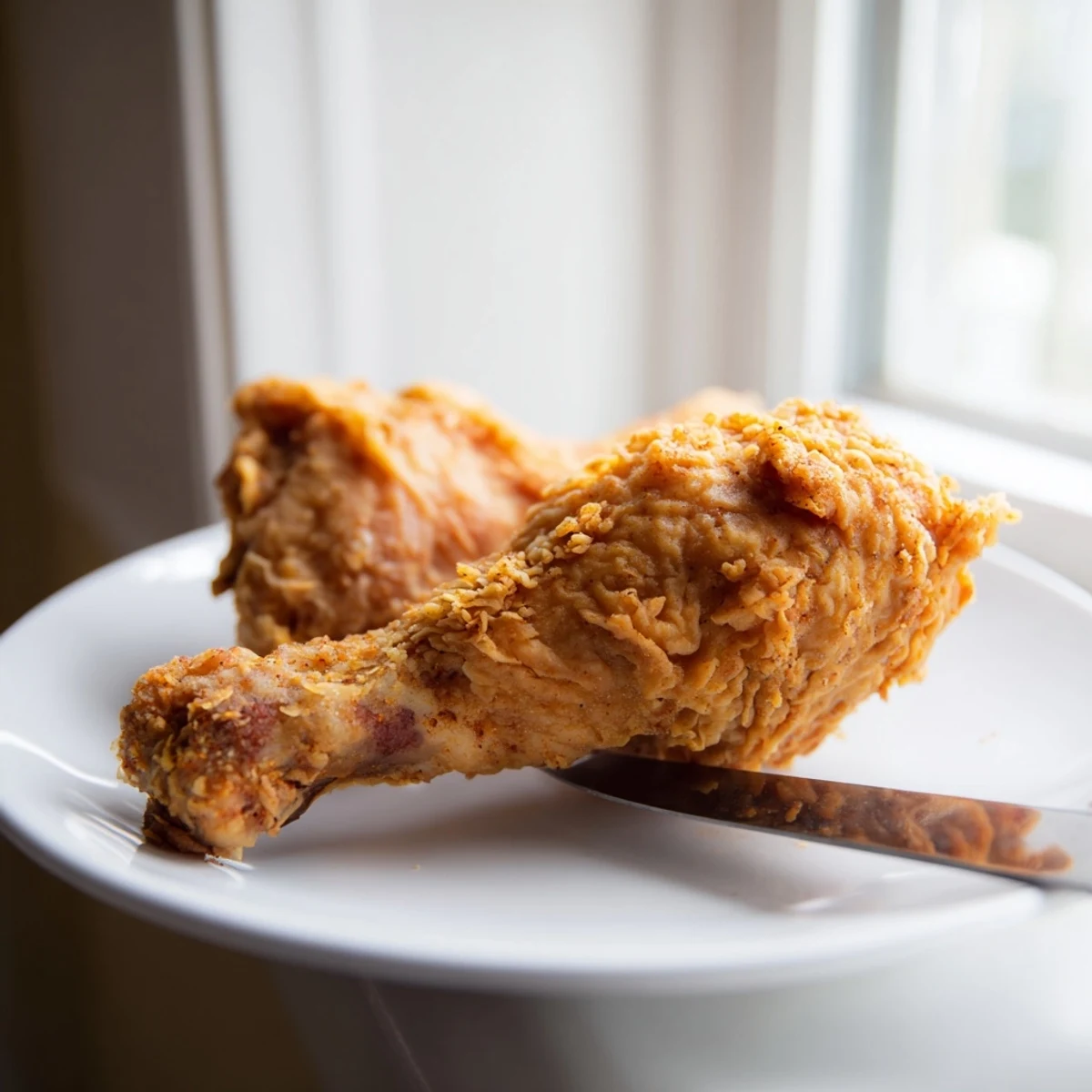
 There is something deeply satisfying about making fried chicken from scratch, even if it takes all day. That first crispy bite makes every minute worth it.
Recipe FAQs
- → How long should I marinate the chicken?
-
Marinate the chicken in buttermilk for at least 4 hours, though overnight is ideal. The longer marinating time helps tenderize the meat and infuse flavor throughout.
- → What oil works best for frying?
-
Vegetable oil or peanut oil are excellent choices. Both have high smoke points around 400-450°F, making them perfect for deep frying at 350°F without breaking down.
- → How do I know when the chicken is done?
-
Use a meat thermometer to check the internal temperature reaches 165°F (74°C). The exterior should be deep golden brown, and cooking typically takes 16-24 minutes total depending on piece size.
- → Can I make this less spicy?
-
Absolutely—reduce or omit the cayenne pepper and hot sauce in the marinade. The seasoning blend remains flavorful with garlic and onion powders, paprika, salt, and black pepper.
- → Why does my coating fall off while frying?
-
Letting excess buttermilk drip off rather than patting dry helps the flour adhere. Press the coating firmly onto each piece, and give coated chicken a brief rest on a wire rack before frying to set the crust.
- → What sides pair well with this?
-
Classic Southern sides like creamy mashed potatoes with gravy, tangy coleslaw, flaky buttermilk biscuits, mac and cheese, or collard greens make perfect accompaniments.