 Pin it
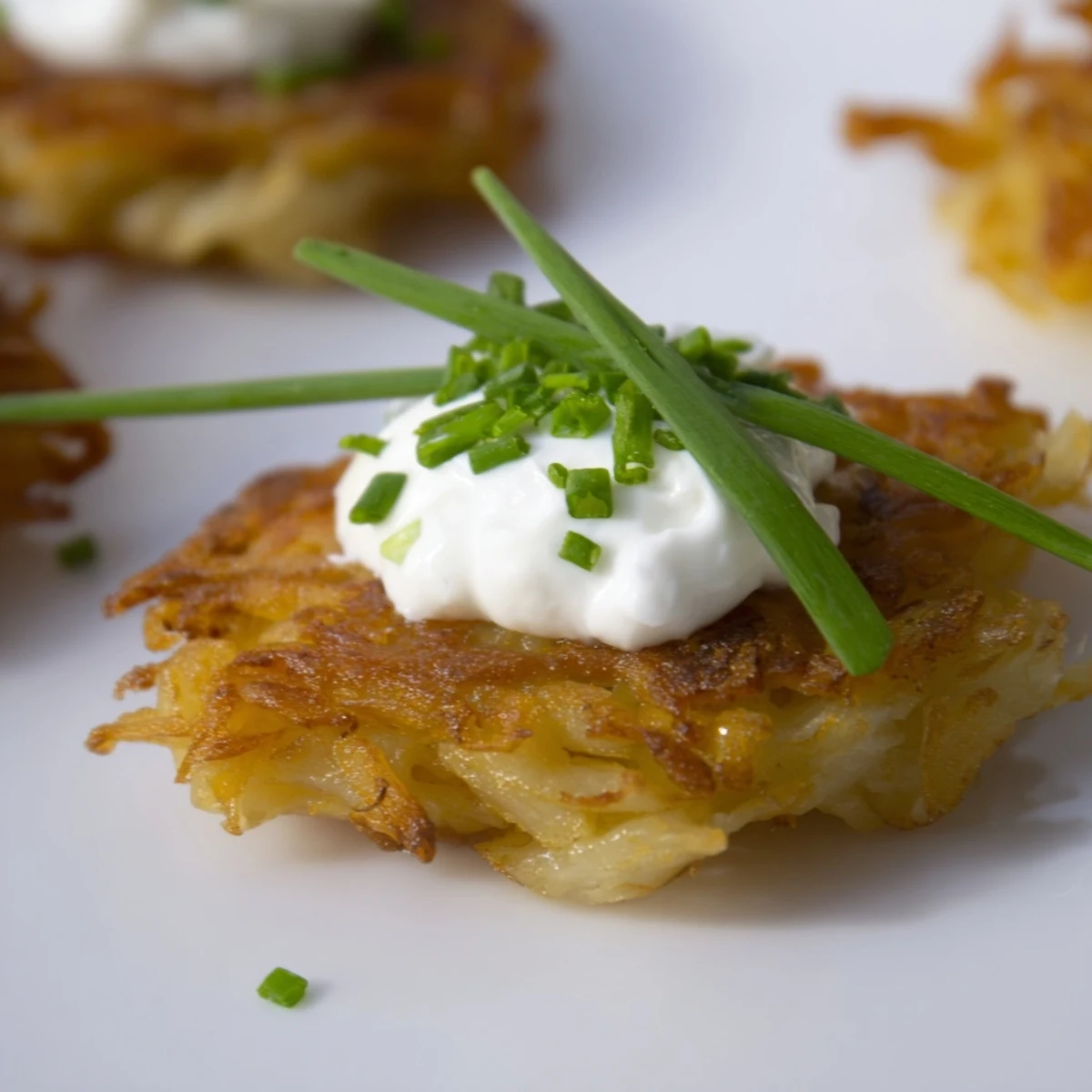
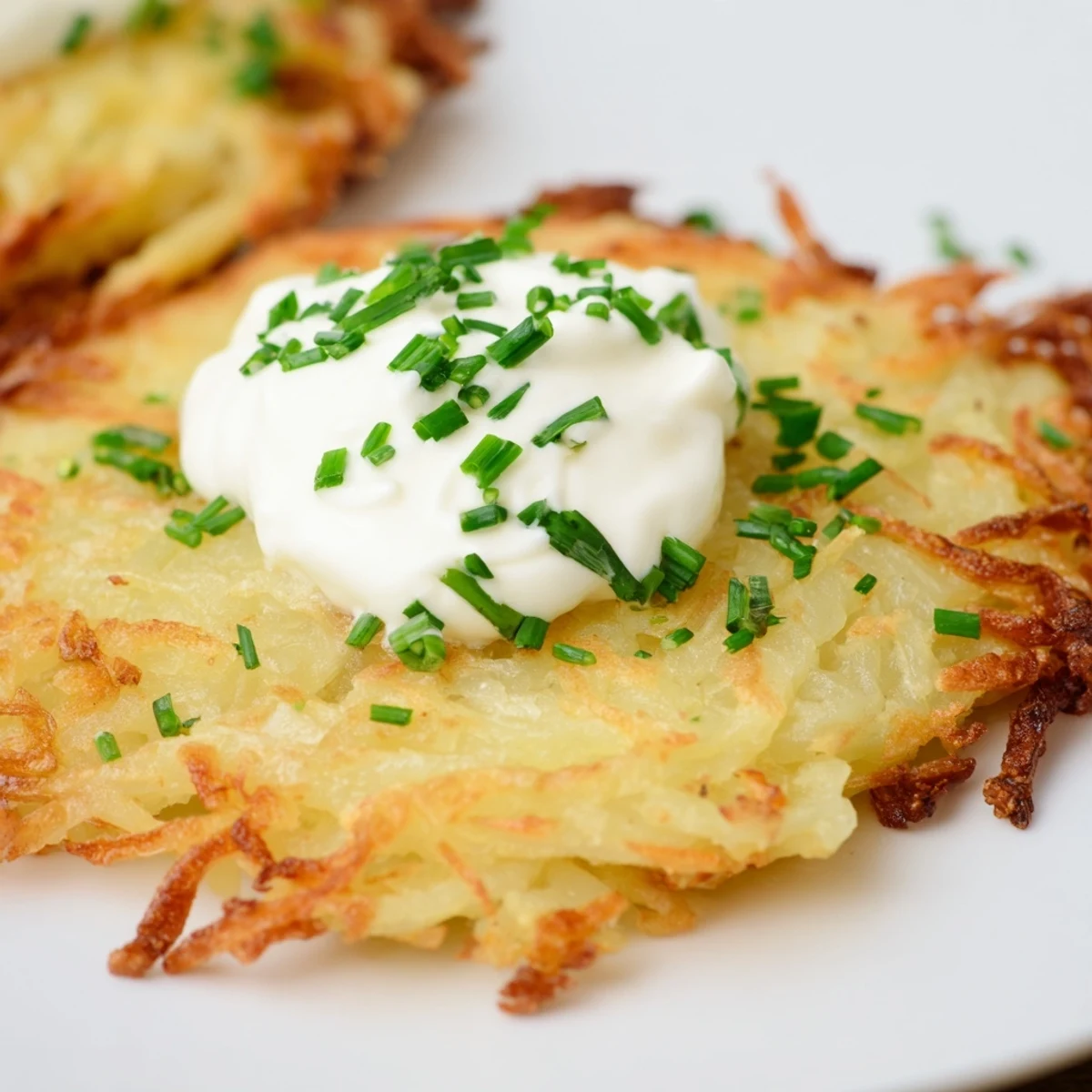
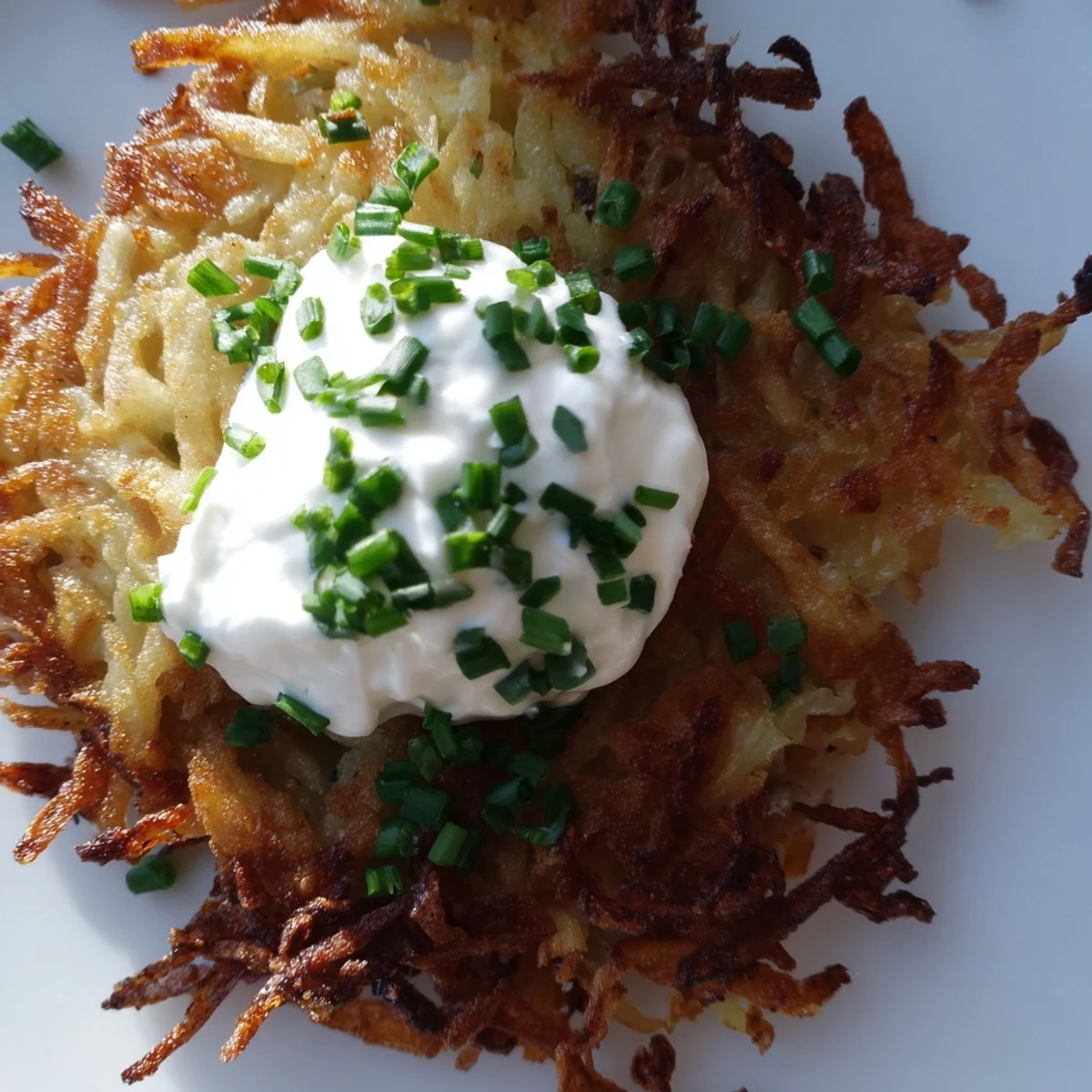
 Enjoy golden, crispy potato latkes cooked to perfection with tender centers that bring comfort to every bite. Grated russet potatoes combined with shredded onion, eggs, and flour form the base, seasoned simply with salt and pepper. Fried carefully in vegetable oil until golden brown, these latkes are best served hot topped with cool sour cream and a sprinkle of fresh chives or scallions. For extra crispiness, fry in small batches and keep warm on a wire rack. Variations include mixing in sweet potato or zucchini for a twist on the classic.
My grandmother would make these on winter mornings when the kitchen still felt cold, and within minutes the whole house smelled like fried potatoes and possibility. There's something about the sound of latkes hitting hot oil—that instant sizzle—that makes you feel like you're doing something right, even if you've never made them before. She taught me that the real magic isn't in fancy techniques but in patience: squeeze out every drop of water from those potatoes, don't rush the browning, and never, ever crowd the pan. Now I make them the same way, and they taste like both memory and comfort.
I'll never forget making a huge batch of these for a potluck one February, convinced I'd somehow mess up in front of people who actually knew how to cook. Instead, they disappeared before the main course even arrived, and someone asked for the recipe written out. That moment taught me that simple, honest food made with care is always welcome, no matter how plain it might seem on paper.
Ingredients
- Russet potatoes (900 g / 2 lbs), peeled: The starch in russets is what gives latkes their structure and that coveted crispy exterior—waxy potatoes won't deliver the same results.
- Medium yellow onion (1): It adds moisture and sweetness, but you'll squeeze out most of that liquid anyway; the flavor stays behind.
- Large eggs (2): These bind everything and help brown the latkes beautifully, so don't skip them or substitute.
- All-purpose flour (50 g / 1/3 cup): Just enough to hold the mixture together without making them dense or cakey.
- Kosher salt (1 ½ tsp): Season as you go, tasting the raw batter if you need reassurance.
- Freshly ground black pepper (½ tsp): Coarsely cracked pepper adds little hits of flavor that fine powder won't give you.
- Vegetable oil (120 ml / ½ cup), for frying: Use an oil with a high smoke point—the pan needs to get hot enough to make them crisp without the oil breaking down.
- Sour cream (240 ml / 1 cup), for serving: Cold and tangy, it's the counterpoint that makes every bite sing.
- Chopped chives or scallions (optional): A bright finish that's never wrong, even if it's just a whisper.
Instructions
- Grate everything:
- Using the large holes on a box grater or a food processor fitted with the shredding blade, grate the potatoes and onion directly into a large bowl. Work quickly so the potato doesn't oxidize—you'll see some browning, but that's fine.
- Squeeze out every last drop:
- This is the step that separates crispy latkes from soggy ones. Place the grated mixture in a clean kitchen towel and wring it out over the sink like you mean it, then give it another squeeze or two. The liquid that comes out is mostly starch and water; discard it all.
- Mix the batter:
- Add the eggs, flour, salt, and pepper to the drained potatoes and onion. Stir with a fork until the flour is fully incorporated and everything feels cohesive. The mixture should be wet but not soupy—it should hold together when you scoop it.
- Heat the oil:
- Pour the vegetable oil into a large skillet and turn the heat to medium-high. You'll know it's ready when the surface shimmers and a small piece of potato mixture sizzles immediately when it touches the pan. This usually takes 3 to 5 minutes, depending on your stove.
- Fry the latkes:
- Scoop about 2 tablespoons of batter per latke into the hot oil, then gently flatten it with a spatula into a thin pancake about the size of your palm. Leave space between them—crowding the pan cools the oil and makes them steam instead of fry. You should hear that satisfying sizzle right away.
- Brown both sides:
- Let each latke cook for 3 to 5 minutes on the first side without moving it, until it's deep golden brown and crispy at the edges. Flip once and fry the other side for another 3 to 5 minutes until it matches. If the oil starts smoking, lower the heat slightly.
- Drain and keep warm:
- Transfer each finished latke to a paper towel–lined plate to shed excess oil. If you're making a big batch, keep the finished ones warm on a wire rack set over a baking sheet in a 95°C (200°F) oven, which lets air circulate underneath and keeps them crisp instead of steaming them soggy.
- Serve right away:
- Pile the hot latkes on a platter with a bowl of cold sour cream alongside, a sprinkle of chives if you have them, and eat them while they're still warm and at their crispiest.
 Pin it
 There was one afternoon when my sister's kids asked me to teach them how to make latkes, and watching their faces light up when they pulled out their first golden-brown one from the oil—that was the moment I understood why this recipe matters. It's not fancy, but it's the kind of thing you want to pass along.
Oil Temperature Matters Most
The most common mistake is being afraid of hot oil. Your pan needs to be properly hot, or the latkes will drink up oil like a sponge instead of crisping up. You'll know you're in the right zone when the mixture hits the pan and immediately sizzles aggressively—not violently, but with real sound and action. If it just kind of sits there and bubbles gently, wait another minute and try again.
Batch Size and Timing
Frying in small batches is the secret to crispiness and evenness. If you crowd the pan, the temperature drops, steam rises, and you end up with latkes that are limp on the inside and pale on the outside. It takes a little longer, but you're not actually adding much time to the total process—the oil stays hotter when you give the latkes room to breathe, and they brown faster anyway. Each batch should take about 10 minutes total, with a minute or two to add more oil if needed.
Variations and Serving Ideas
Once you've mastered the basic version, the door opens to so many possibilities. Some people mix in shredded zucchini or sweet potato for color and a slightly different texture, though you'll need to squeeze those out even more aggressively. Others add a tablespoon of sour cream to the batter itself, which makes them slightly tender, though I prefer them purely crispy. Serve them plain with sour cream, topped with smoked salmon and dill, dolloped with applesauce, or even draped with a fried egg if you're feeling indulgent.
- For a sweet twist, serve with warm applesauce or a drizzle of honey instead of sour cream.
- Make them ahead by frying completely, then reheat on a wire rack in a 180°C (350°F) oven for 5 minutes to restore the crispiness.
- These freeze beautifully once fried—just thaw and crisp them up in the oven before serving.
 Pin it
 These latkes are the kind of recipe that rewards patience and attention, and the payoff is immediate: golden, crisp, honest food that tastes like home. Make them for someone you care about, and watch how quickly they disappear.
Recipe FAQs
- → How do I get the latkes extra crispy?
-
Fry latkes in small batches to avoid overcrowding the pan, and make sure the oil is hot enough before cooking each batch.
- → What is the best way to remove excess moisture from potatoes?
-
After grating, wrap the potato and onion mixture in a clean kitchen towel and squeeze out as much liquid as possible to ensure crispness.
- → Can I substitute the flour for a gluten-free alternative?
-
Yes, certified gluten-free flour can be used to accommodate dietary needs without compromising texture.
- → What oil works best for frying latkes?
-
Vegetable oil with a high smoke point is ideal for frying to achieve golden, crispy latkes.
- → How can I keep latkes warm and crispy before serving?
-
Place cooked latkes on a wire rack in a 95°C (200°F) oven to maintain warmth and crispiness until ready to serve.