 Pin it
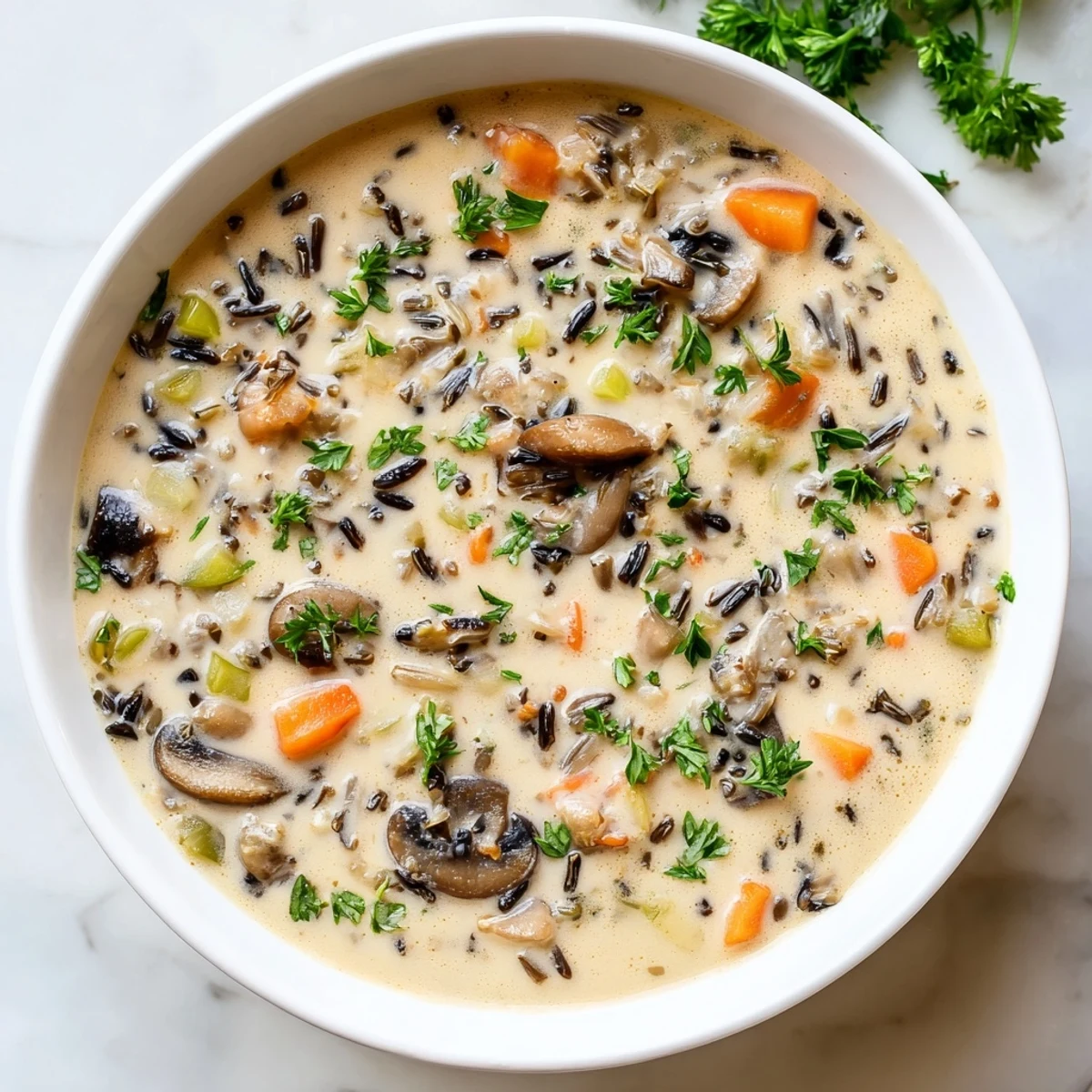
 This comforting dish combines sautéed mixed mushrooms with nutty wild rice simmered in vegetable broth. Aromatic herbs and a touch of cream create a velvety texture and rich flavor. Cooking involves softening vegetables, sautéing mushrooms until tender, then simmering the rice mixture until fully cooked. The final step adds milk and cream for smoothness, with fresh parsley garnish optional for brightness. A nourishing choice that balances earthiness and creaminess, perfect for chilly days or cozy evenings.
There's something about a bowl of creamy mushroom soup that takes me back to a rainy October afternoon at my grandmother's farmhouse. She was teaching me how to make soup from scratch, and I remember the exact moment when the kitchen filled with that deep, earthy mushroom aroma—it was like the entire house was wrapping me in a warm hug. That's when I understood that the best comfort food isn't just about filling your stomach; it's about creating a moment of peace. This soup became my version of that memory, and now whenever the weather turns cold, I find myself in the kitchen recreating it.
I served this soup to my book club on the coldest night of the year, and three of them came back asking for the recipe the very next day. One friend told me it tasted like coming home, and that compliment meant more to me than any fancy dish ever could. It's become our February tradition now.
Ingredients
- Olive oil (2 tablespoons): This is your flavor foundation—it's what captures all those delicious browned bits later. Use good quality oil; you'll taste the difference in every spoonful.
- Yellow onion (1 medium, finely chopped): The sweet base of everything. Chop it fine so it melts into the soup almost invisibly, lending depth without texture.
- Carrots (2 medium, diced): They add natural sweetness and body to the broth. Don't skip them even if you think you don't like carrots in soup—they're subtle here.
- Celery stalks (2, diced): This is the secret ingredient that makes people say "what is that amazing flavor?" It's what culinary professionals call a mirepoix base, and it matters.
- Garlic cloves (3, minced): Always mince fresh garlic rather than using jarred. The difference is worth thirty seconds of knife work.
- Mixed fresh mushrooms (500 g or 1 lb, sliced): Use cremini, button, or shiitake—or a mix of all three for complexity. Slice them relatively thick; they'll shrink down significantly as they cook.
- Wild rice (120 g or about 2/3 cup, uncooked and rinsed): Rinsing removes excess starch and helps the rice cook more evenly. Wild rice has such a wonderful nutty flavor that it's worth seeking out.
- Low-sodium vegetable broth (1.2 liters or 5 cups): This gives you control over the final salt level. Low-sodium means you're the boss of your own seasoning.
- Whole milk or plant-based milk (240 ml or 1 cup): This adds richness without overwhelming the mushroom flavor. If you're dairy-free, unsweetened almond or oat milk work beautifully.
- Heavy cream or coconut cream (120 ml or 1/2 cup): This is what transforms the soup from nice to unforgettable. Don't skip it, even to cut calories—a little goes a long way here.
- Dried thyme (1 teaspoon): Thyme and mushrooms are flavor soulmates. Dried works just as well as fresh in this application.
- Dried sage (1 teaspoon): Sage adds an earthy, almost peppery note that makes people wonder what makes this soup taste so sophisticated.
- Black pepper (1/2 teaspoon): Freshly ground tastes so much better than pre-ground. This small detail makes a noticeable difference.
- Salt (1 teaspoon, adjust to taste): Start with this amount and taste as you go. Remember, broth already has sodium, so be gentle at first.
- All-purpose flour (2 tablespoons): This acts as a thickener when cooked with the broth. It's the reason the soup becomes creamy and velvety rather than watery.
- Fresh parsley (2 tablespoons, chopped, optional): A shower of bright green at the end makes it look restaurant-quality. If you have fresh herbs on hand, they make everything better.
Instructions
- Build Your Flavor Base:
- Pour olive oil into your large pot and let it heat over medium until it shimmers gently. Now add your chopped onion, carrots, and celery—you'll hear that beautiful sizzle. Let them soften for about five minutes, stirring occasionally. This is where the soup's foundation gets built. You're not looking for browning yet, just a gentle softening where the vegetables release their sweetness.
- Wake Up the Garlic:
- Once your vegetables are tender, add the minced garlic and stir constantly for just thirty seconds. Don't walk away—you want to smell that incredible garlicky aroma, but not let it burn. It's the difference between delicious and bitter.
- Embrace the Mushrooms:
- Add your sliced mushrooms to the pot and let them cook undisturbed for a minute or two so they can start to brown. Then stir and cook for eight to ten minutes total. You'll see them release their liquid, and then that liquid will evaporate, leaving behind concentrated mushroom flavor. This is patient work, but absolutely worth it. The vegetables will darken slightly—this is exactly what you want.
- Make the Roux:
- Sprinkle the flour over your sautéed vegetables and mushrooms, stirring everything together so the flour coats everything evenly. Cook for just one minute, stirring constantly. You're creating what's called a roux, and this single minute is what prevents lumps later and gives the soup its silky texture.
- Build the Broth:
- Pour in your vegetable broth, scraping the bottom of the pot with your wooden spoon to release all those browned, flavorful bits stuck there. This is called deglazing, and those bits are flavor gold. Add your rinsed wild rice, thyme, sage, salt, and pepper. Give everything a good stir.
- Let Time Do the Work:
- Bring the soup to a boil, then reduce the heat to low, cover the pot, and let it simmer for thirty-five minutes. The wild rice will slowly absorb the broth and become tender. You can listen to it bubbling gently—this is the sound of patience turning into something delicious.
- Add the Creaminess:
- When the rice is tender, stir in your milk and cream. Simmer uncovered for five to ten minutes more, stirring occasionally, until the soup is creamy and has thickened slightly. It should coat the back of your spoon but still be pourable.
- Taste and Adjust:
- This is crucial. Taste your soup and adjust the seasonings. Does it need a bit more salt? A grind of pepper? Trust your palate. The broth you used might have been saltier or less salty than mine was.
- Serve with Love:
- Ladle the soup into bowls, letting each person know they're getting something that was made with care. Garnish with fresh parsley if you have it, and serve with crusty bread on the side.
 Pin it
 I'll never forget when my college-aged son came home from his apartment and smelled this soup simmering on the stove. He literally dropped his backpack and asked if it was for dinner. Watching him eat three bowls and ask for leftovers reminded me that the best food is the kind that pulls people home.
Choosing Your Mushrooms Wisely
The mushroom selection is where you can really make this soup your own. Cremini mushrooms are earthy and affordable, button mushrooms are mild and delicate, and shiitake mushrooms bring a deep, almost meaty flavor. I typically use a mix of all three because they complement each other—the cremini provides earthiness, the buttons offer subtlety, and the shiitakes add that extra dimension. When you're at the market, look for mushrooms that feel firm and don't have any dark, slimy spots. Slice them about a quarter-inch thick so they soften beautifully during cooking without disappearing entirely.
Making It Your Own
This is a recipe that welcomes your creativity and your kitchen's resources. If you love wine, add a splash of dry white wine right after the mushrooms are done cooking—let it simmer for a minute so the alcohol cooks off but the flavor remains. If you want deeper color and earthiness, stir in a teaspoon of balsamic vinegar at the very end. Some seasons, I add a handful of fresh spinach during the last few minutes of cooking, which adds nutrition and color without changing the fundamental character of the soup. Feel free to play with the herb balance too—if you prefer oregano over sage, use it. This is your kitchen.
Storage and Serving Suggestions
This soup keeps beautifully in the refrigerator for up to four days, which means you can make it on Sunday and enjoy it throughout the week. It also freezes exceptionally well for up to three months, though I recommend freezing it before adding the cream and milk—add those after you've reheated it for the best texture. When you're ready to serve, pair it with a crusty bread, a simple green salad, or even some grilled cheese sandwiches cut into strips for dunking. On particularly cold nights, I serve it in a mug so you can drink the warm, silky broth as you sit by the window.
- Reheat gently on the stovetop over low heat, stirring occasionally, to preserve the creamy texture.
- The soup will thicken slightly as it cools and sits in the refrigerator, which is perfectly normal and actually quite lovely.
- Always taste and adjust seasoning when you reheat—flavors can fade slightly after a day or two in the refrigerator.
 Pin it
 This soup is more than just dinner—it's a way of slowing down and taking care of yourself and the people you love. Make it often, and make it with joy.
Recipe FAQs
- → How long should wild rice be cooked?
-
Wild rice cooks best simmered for around 35 minutes until tender, allowing it to absorb flavors and soften properly.
- → What mushrooms work well in this dish?
-
Mixed fresh mushrooms like cremini, button, and shiitake add depth with varying textures and earthy notes.
- → Can plant-based milk be used for creaminess?
-
Yes, unsweetened plant-based milk combined with coconut cream offers a creamy texture for a dairy-free version.
- → What herbs enhance the flavor?
-
Dried thyme and sage bring warmth and aromatic layers that complement the mushrooms and rice.
- → Is flour necessary in this preparation?
-
Flour acts as a thickener, helping to achieve a smooth, velvety consistency by coating the sautéed vegetables.