 Pin it
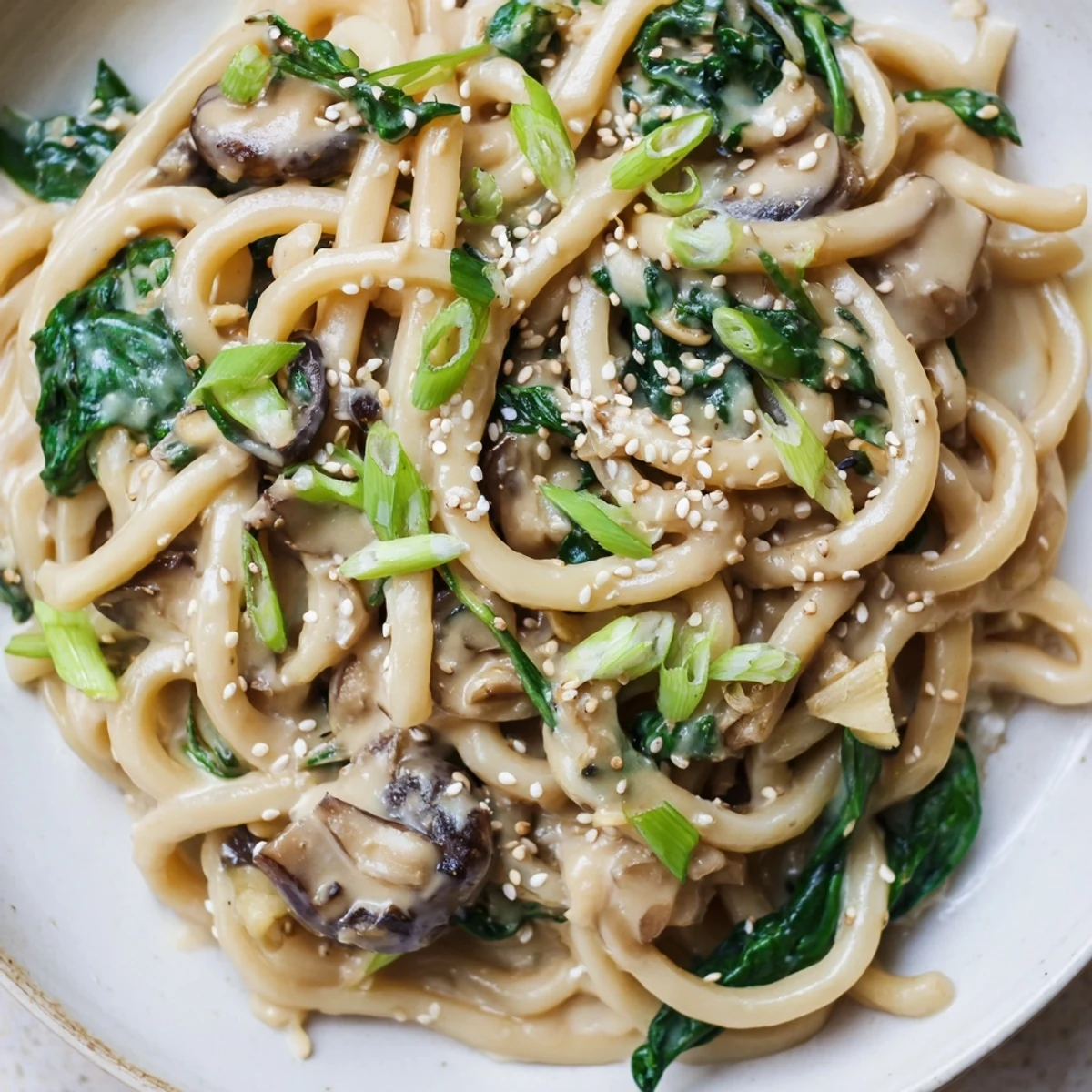
 Indulge in these satisfying Japanese-inspired udon noodles featuring a velvety miso cream sauce that perfectly balances savory and umami flavors. Thick chewy udon noodles are coated in a rich sauce made with white miso paste, heavy cream, soy sauce, and aromatic ginger and garlic. The dish comes together in just 25 minutes, making it perfect for weeknight dinners when you want something comforting yet special. Sauteed shiitake mushrooms and tender baby spinach add texture and nutrition, while green onions and toasted sesame seeds provide a fresh finish.
The aroma of white miso and cream coming together still takes me back to a tiny Tokyo apartment where my host mother first showed me this technique. She insisted the secret was patience with the sauce, explaining that rushing the miso would make it grainy instead of silky smooth.
My roommate walked in while I was tossing the noodles with spinach and literally stopped mid sentence to ask what smelled so amazing. Now whenever we have cold winter nights, this is the first recipe we both reach for without even discussing it.
Ingredients
- 200 g fresh or frozen udon noodles: Thick chewy udon noodles are essential here because they hold onto that luscious sauce better than any other pasta
- 1 tablespoon neutral oil: Canola or sunflower oil works perfectly since we want the sesame oil to shine in the sauce not the cooking
- 1 small onion thinly sliced: Thin slices melt into the sauce creating a natural sweetness that balances the miso
- 1 cup shiitake mushrooms sliced: Shiitakes bring an earthy umami that deepens the overall flavor profile
- 1/2 cup baby spinach leaves: Adds fresh color and a slight bite that cuts through the rich cream
- 2 tablespoons white miso paste: The soul of the dish, white miso is milder and sweeter than red miso perfect for cream sauces
- 2 teaspoons soy sauce: Just enough to amplify the savory notes without overpowering the miso
- 1 teaspoon sesame oil: This toasted nutty finish is what makes it unmistakably Japanese
- 1 teaspoon grated ginger: Fresh ginger brings a subtle warmth that lingers beautifully
- 1 clove garlic minced: One clove is plenty since garlic can dominate the delicate miso flavor
- 200 ml heavy cream: Full fat cream creates that luxurious restaurant style coating, though coconut cream works surprisingly well
- 60 ml water: Helps thin the sauce just enough so it clings to every noodle without being too thick
- 1 tablespoon sliced green onions: Fresh pop of color and mild onion flavor to finish
- 1 teaspoon toasted sesame seeds: That tiny crunch makes each bite more interesting
- Chili flakes optional: A pinch adds a gentle heat if you like things spicy
Instructions
- Get your noodles going:
- Cook the udon according to package directions, drain, and set aside. Fresh udon only needs a couple of minutes in boiling water.
- Build your flavor base:
- Heat the neutral oil in a large skillet over medium heat and add those sliced onions. Let them soften for about 2 minutes until they start looking translucent.
- Add the mushrooms:
- Toss in the shiitake slices and sauté for 3 to 4 minutes until they are tender and starting to brown nicely.
- Bloom your aromatics:
- Stir in the garlic and ginger, cooking for just 1 minute until the kitchen fills with that incredible fragrance. Do not let them brown or they will turn bitter.
- Whisk the sauce:
- In a bowl, combine the miso paste, soy sauce, sesame oil, heavy cream, and water. Whisk until completely smooth with no lumps of miso remaining.
- Create the cream sauce:
- Pour the sauce mixture into the skillet with your vegetables and bring it to a gentle simmer. Cook for 2 to 3 minutes, stirring frequently as it thickens slightly.
- Bring it all together:
- Add the cooked udon noodles and baby spinach to the pan. Toss everything together until the noodles are evenly coated and the spinach has just wilted.
- Final taste check:
- Take a bite and adjust if needed, though the miso and soy sauce usually provide plenty of seasoning.
- Finish with flair:
- Plate immediately and sprinkle with green onions, sesame seeds, and chili flakes if you are using them.
 Pin it
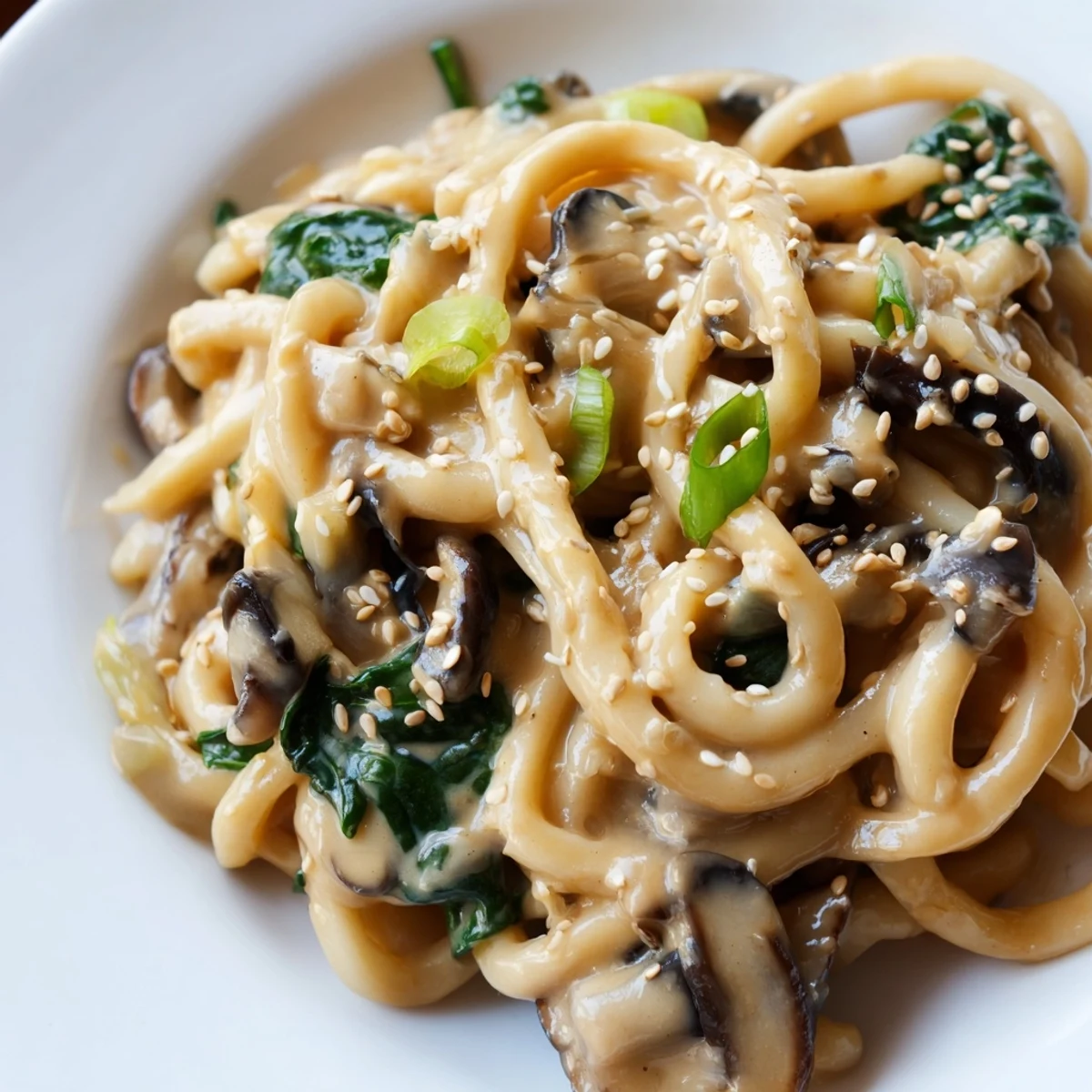
 This dish has become my go to comfort food after long days at work. Something about the combination of warm noodles and that velvety sauce makes everything feel better.
Making It Your Own
Do not be afraid to play with the vegetables based on what you have on hand. Bok choy, snow peas, or even corn work beautifully in this sauce.
Protein Additions
Crispy tofu cubes or pan seared edamame turn this from a side dish into a complete protein packed meal that keeps you satisfied for hours.
Perfecting The Texture
The sauce should coat the back of a spoon but still pour easily. If it is too thick, add water one tablespoon at a time until you reach the right consistency.
- Reserve a splash of pasta cooking water before draining to help bind the sauce if needed
- Leftovers reheat beautifully with a tiny splash of cream or water to loosen the sauce
- The flavors actually develop overnight, making it excellent for meal prep
 Pin it
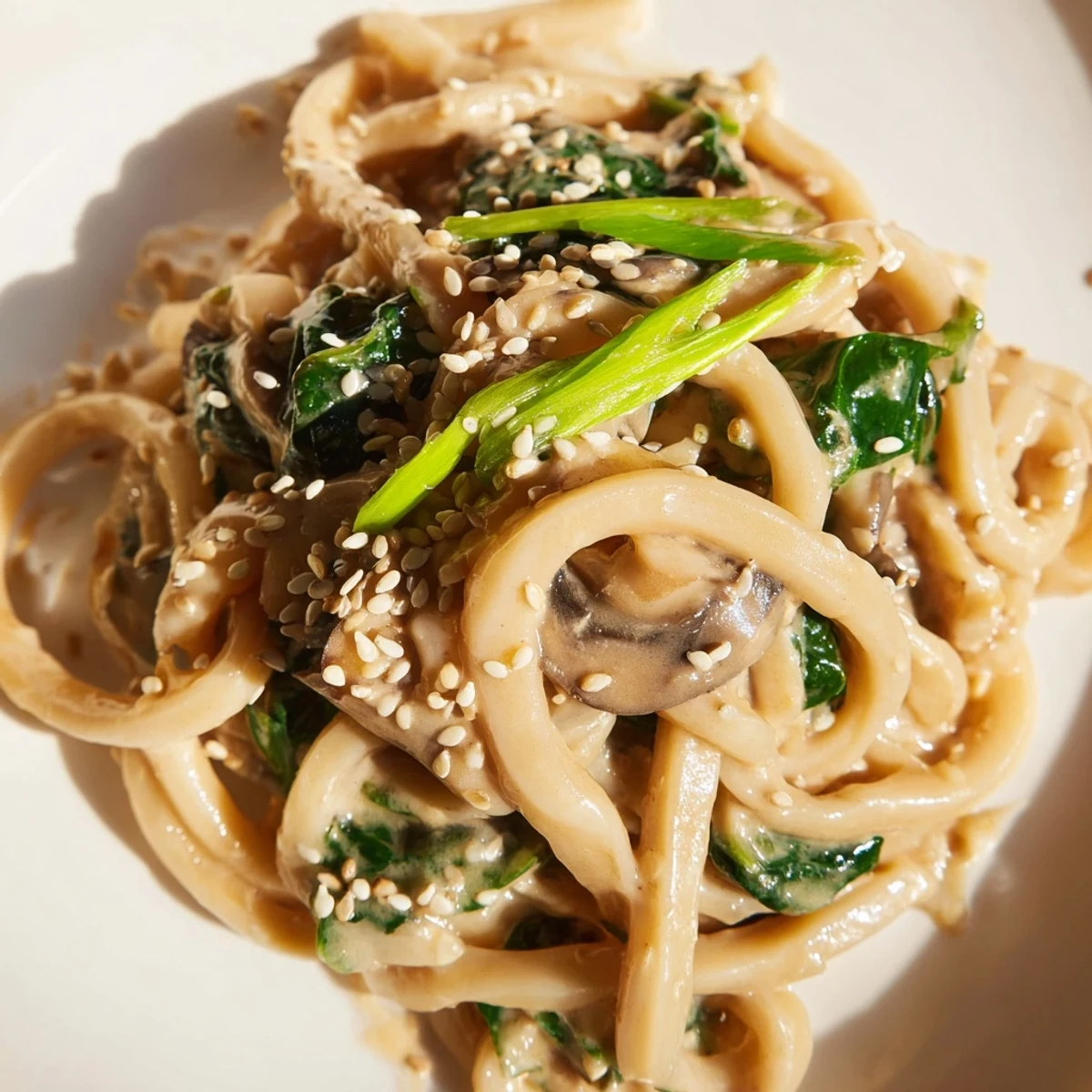
 Slurping these noodles straight from the bowl might be the most satisfying way to eat them. Enjoy every messy delicious bite.
Recipe FAQs
- → Can I make this dish vegan?
-
Yes, simply substitute the heavy cream with your favorite plant-based cream alternative. Coconut cream or cashew cream work particularly well for maintaining richness. Ensure your udon noodles are egg-free, as some traditional varieties contain egg.
- → What type of miso paste should I use?
-
White miso paste (shiro miso) is ideal for this dish as it has a milder, slightly sweet flavor that complements the cream sauce beautifully. Red miso would be too overpowering and could make the sauce too salty.
- → Can I add protein to this dish?
-
Absolutely. Cubed tofu, pan-fried tempeh, or edamame would be excellent additions. If you eat meat, sliced chicken breast or shrimp work well. Add your protein during step 3 with the mushrooms to ensure proper cooking.
- → How do I store and reheat leftovers?
-
Store in an airtight container in the refrigerator for up to 3 days. The sauce will thicken when cold, so add a splash of water or cream when reheating. Reheat gently in a skillet over medium-low heat, stirring occasionally until warmed through.
- → Can I use different vegetables?
-
Certainly. Bok choy, snap peas, bell peppers, or shredded carrots would be delicious additions. Consider seasonal vegetables or whatever you have on hand. Just adjust cooking times accordingly—harder vegetables like carrots may need a few extra minutes.
- → Is this dish gluten-free?
-
Traditional udon noodles contain wheat, and soy sauce contains gluten. To make it gluten-free, use gluten-free noodles (like rice noodles or buckwheat soba) and substitute soy sauce with tamari. Double-check that your miso paste is certified gluten-free.