 Pin it
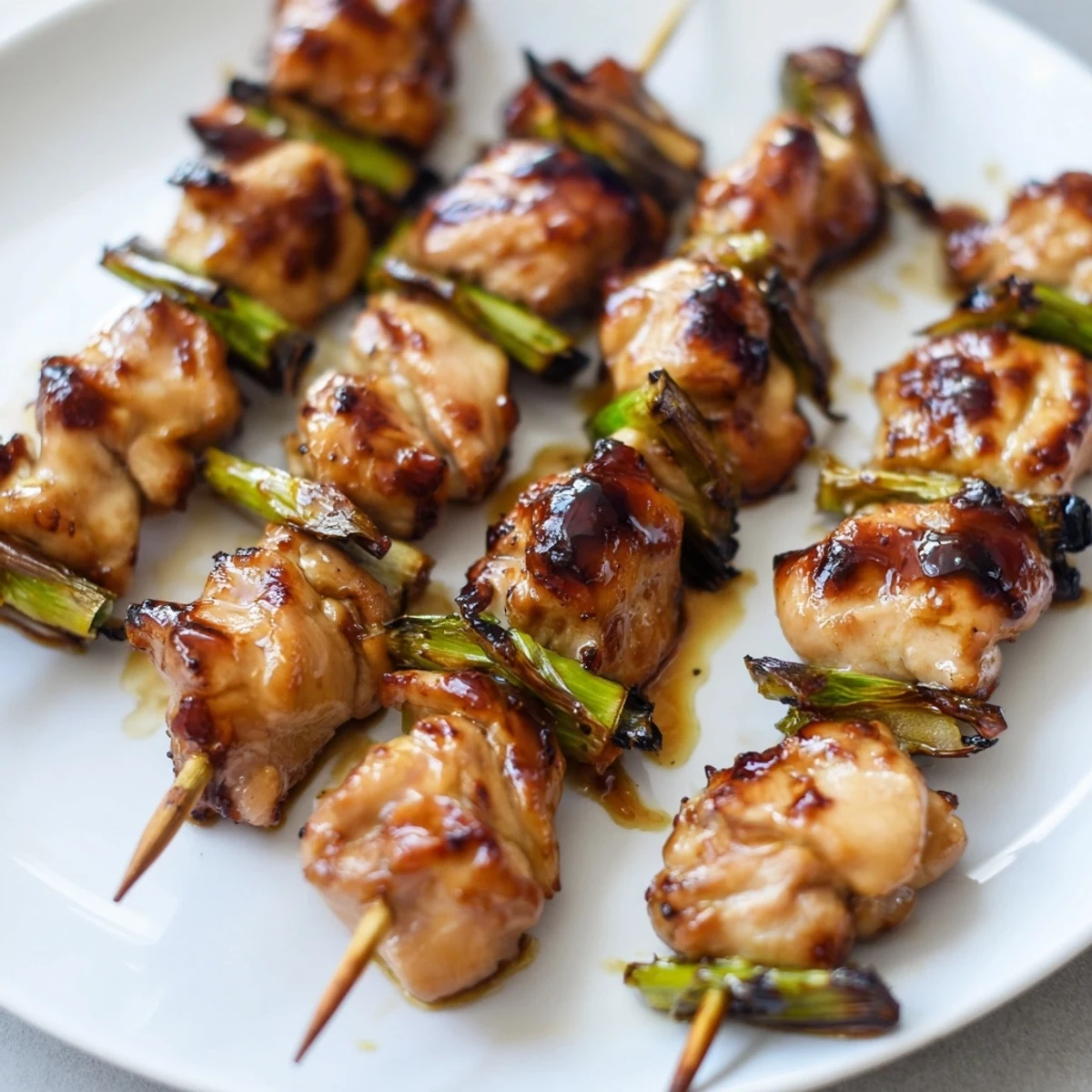
 These traditional Japanese skewers feature tender chicken thighs threaded with scallions and basted with an addictive homemade tare sauce. The marinade combines soy sauce, mirin, sake, and aromatics to create that signature glossy glaze. Grill over medium-high heat for just 15 minutes, brushing continuously with sauce until caramelized and sticky. Perfect for weeknight dinners or entertaining guests.
The smell of charcoal and soy sauce curling through warm air is enough to stop me mid stride every time I pass a yakitori stall. There is something almost meditative about watching a vendor turn skewers slowly, basting them with a glossy tare that sizzles and caramelizes over open flame. My first attempt at home was a messy, joyful disaster involving a smoking kitchen and a very patient dog waiting nearby for dropped chicken. That evening taught me that yakitori is less about perfection and more about the rhythm of the grill.
A college friend from Osaka once cooked yakitori for a small group of us on a tiny balcony grill, and I remember laughing at how seriously she took the basting. She would count the brush strokes out loud, refusing to serve any skewer that received fewer than six coats. I thought she was exaggerating until I tasted the result, a deeply lacquered, almost candied piece of chicken that made everyone at the table go quiet.
Ingredients
- Chicken thighs (500 g, boneless and skinless): Thighs carry more fat than breast, which keeps each piece succulent through high heat without drying out.
- Soy sauce (80 ml): Use a Japanese style soy sauce if you can find one, as it tends to be slightly sweeter and less aggressively salty than some Chinese varieties.
- Mirin (60 ml): This is the secret behind the beautiful sheen on the glaze, so do not skip it or substitute with plain sugar water.
- Sake (2 tbsp): It tenderizes the chicken subtly while adding a faint fruity depth most people cannot quite identify.
- Sugar (2 tbsp): White sugar works fine, though I once used brown sugar by accident and discovered a deeper, almost caramel note.
- Garlic (1 clove, minced): A single clove is enough to add warmth without hijacking the delicate balance of the tare.
- Fresh ginger (2 cm piece, grated): Grate it finely so the fibers melt into the sauce rather than catching on the skewers.
- Spring onions (4 to 5, cut into 2.5 cm pieces): The white and light green parts work best, offering a mild onion sweetness that chars beautifully.
- Vegetable oil (for brushing): A neutral oil keeps the chicken from sticking without adding competing flavors.
- Bamboo skewers (soaked 30 minutes): Soaking is non negotiable unless you enjoy the smell of burning wood mixed with your dinner.
Instructions
- Make the tare sauce:
- Combine the soy sauce, mirin, sake, sugar, garlic, and ginger in a small saucepan and bring it to a gentle bubble over medium heat, stirring until the sugar vanishes completely. Let it simmer for 5 to 7 minutes until it coats the back of a spoon, then set it aside to cool and thicken further.
- Thread the skewers:
- Poke the chicken and spring onion pieces onto the soaked skewers in an alternating pattern, leaving a small gap between each piece so the heat can wrap around every side. Try to keep pieces roughly the same size so nothing overcooks while waiting for a thicker chunk to finish.
- Heat the grill:
- Brush your grill or griddle pan with vegetable oil and set it over medium high heat until a drop of water dances and sputters on the surface. That sound is your signal that the grill is ready to sear on contact.
- Cook and baste:
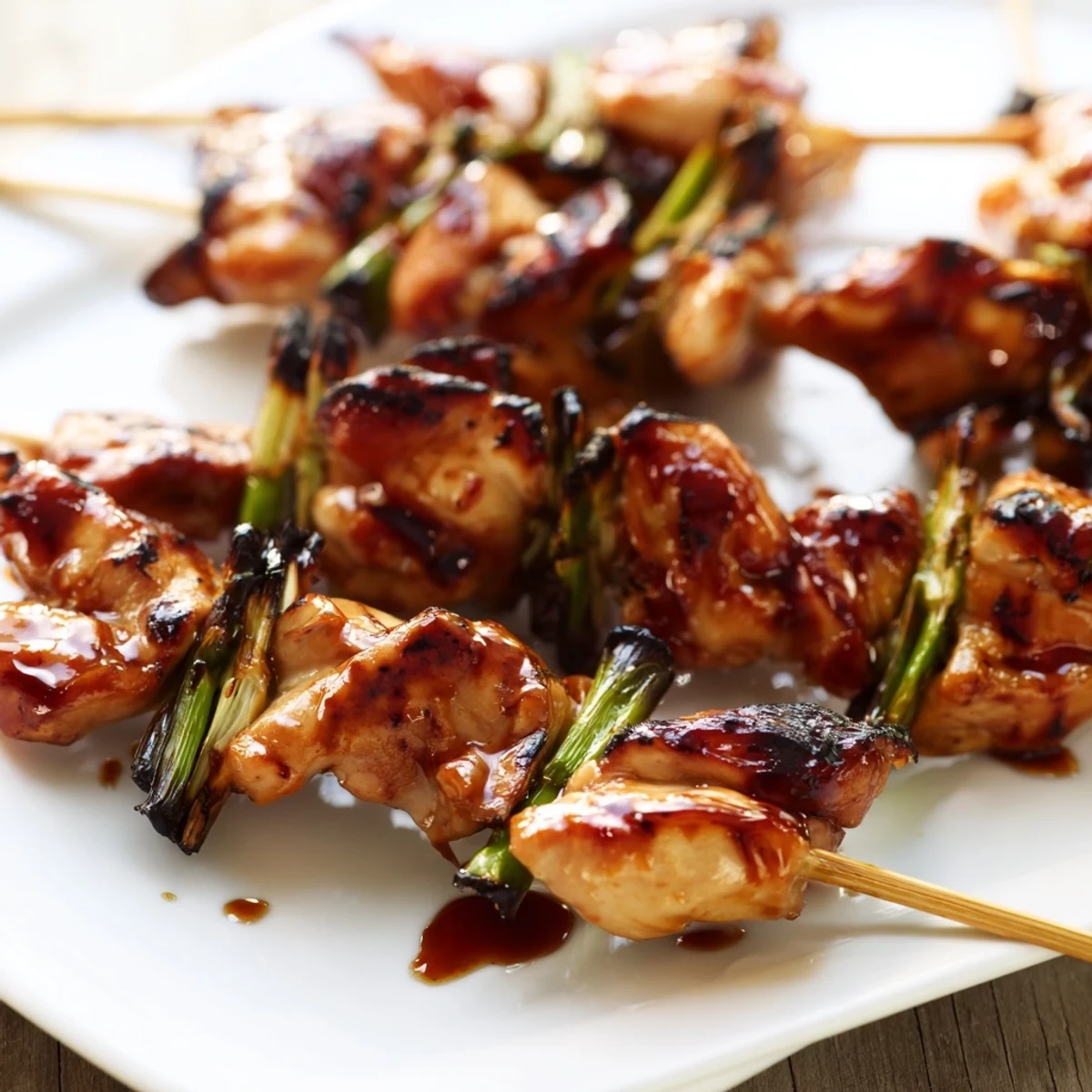
- Lay the skewers down and cook for 3 to 4 minutes per side, brushing generously with tare sauce each time you turn them, until the chicken is opaque through the center and gleaming. The sauce will darken and tack up as it caramelizes, which is exactly what you want.
- Serve immediately:
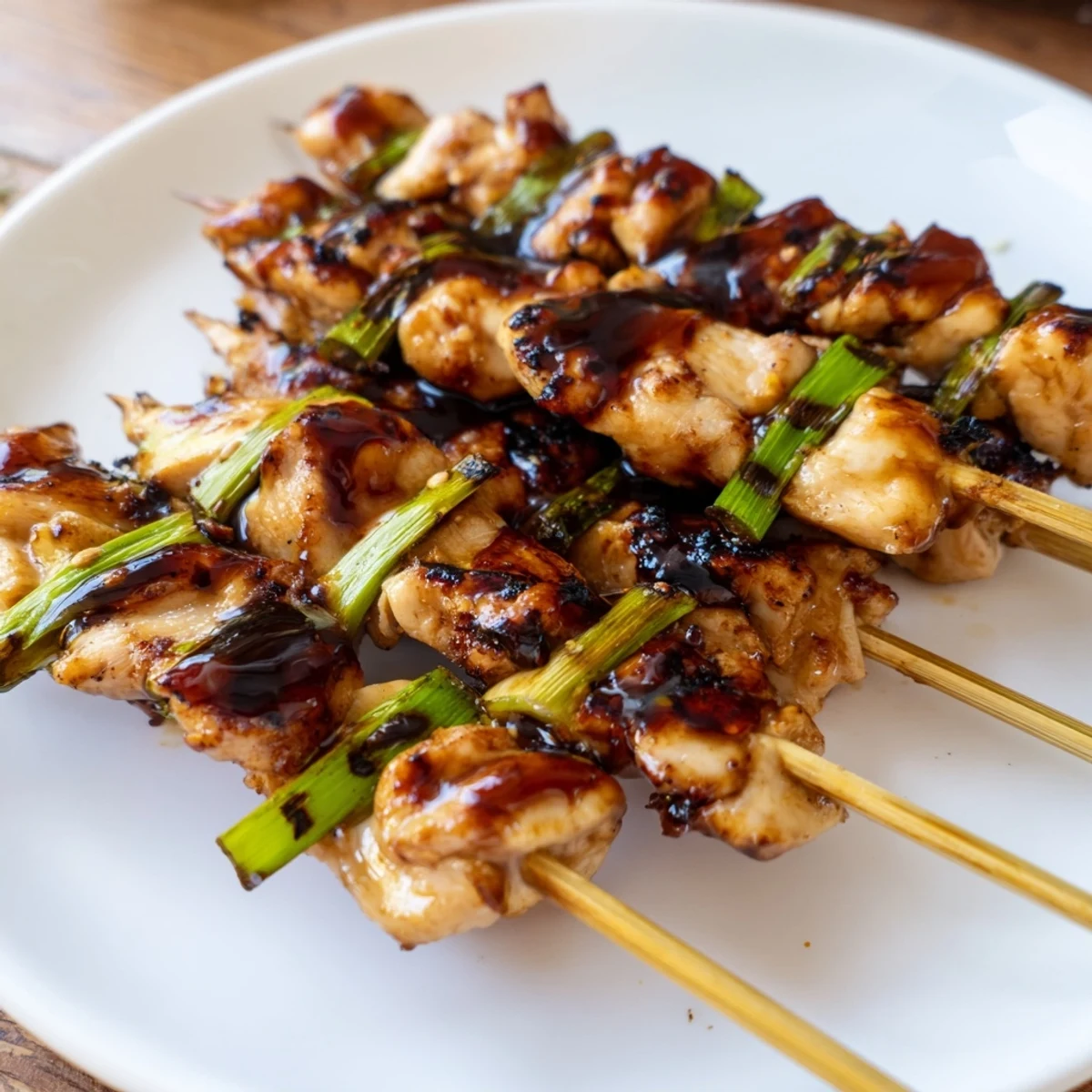
- Slide the skewers onto a warm plate and serve them hot with any remaining tare sauce in a small bowl on the side for dipping. They cool quickly, so gather everyone around the grill if possible.
 Pin it
 One summer evening I carried a plate of these skewers out to the backyard and my neighbor leaned over the fence to ask what smelled so good. I handed one over the railing and we stood there eating in comfortable silence, juices running down our fingers, while the last light faded behind the trees.
What to Serve Alongside
Steamed white rice is the obvious companion, its mild fluffiness acting as a soft landing pad for the intense savory sweet glaze. A bowl of simple miso soup on the side rounds things out nicely, and a cold beer or sparkling water with a squeeze of lime feels like the right finishing touch for a meal this casual.
Swaps and Tweaks
Bell peppers, shiitake mushrooms, or even chunks of zucchini can share space on the skewer if you want more color and variety. Chicken breast works in a pinch, but I urge you to try thighs first because the difference in juiciness is dramatic and immediately noticeable.
Storing and Reheating
Leftover skewers keep well in the refrigerator for up to two days and reheat best in a hot skillet rather than the microwave, which tends to make the glaze gummy. If you are making them ahead for a gathering, cook the chicken through and then flash the skewers on the grill just before serving to refresh the char.
- Store the tare sauce separately in a jar and it will keep in the fridge for over a week.
- Raw threaded skewers can be frozen on a tray and transferred to a bag for up to a month.
- Always reheat chicken until steaming hot all the way through before serving.
 Pin it
 Yakitori belongs to that rare category of food that turns cooking itself into a social event, so invite someone into the kitchen and hand them a brush. The skewers will taste better for the laughter shared over the grill.
Recipe FAQs
- → What cut of chicken works best for yakitori?
-
Chicken thighs are ideal because their higher fat content keeps the meat juicy during grilling. Breasts can be used but may dry out more quickly.
- → Can I cook yakitori indoors without a grill?
-
A grill pan or cast-iron skillet works beautifully. Preheat over medium-high and achieve similar charred results by searing each side thoroughly.
- → How long should bamboo skewers soak before use?
-
Soak skewers in water for at least 30 minutes to prevent burning on the grill. Metal skewers eliminate this step entirely.
- → What is tare sauce made of?
-
Traditional tare combines soy sauce, mirin, sake, sugar, garlic, and ginger. Simmer until slightly thickened for a coating consistency.
- → Can I prepare yakitori in advance?
-
Thread skewers and prepare sauce up to a day ahead. Refrigerate separately, then grill just before serving for the freshest results.
- → What vegetables pair well with chicken yakitori?
-
Spring onions are classic, but bell peppers, mushrooms, zucchini, or shallots also complement the savory glaze beautifully.