 Pin it
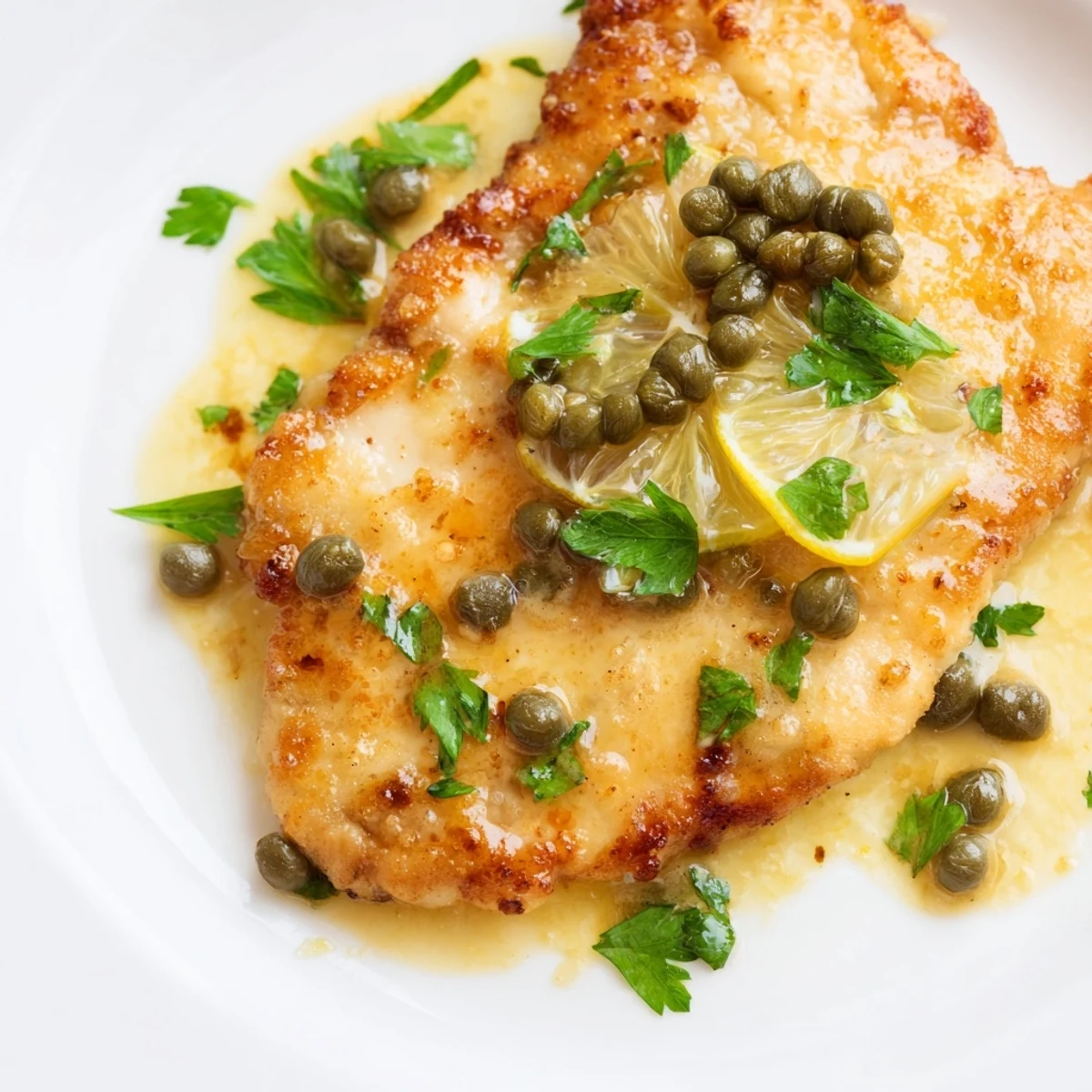
 Chicken Piccata is a classic Italian-American dish that delivers restaurant-quality results in your home kitchen. Boneless chicken breasts are pounded thin, lightly dredged in flour, then pan-seared until golden. The magic happens in the sauce—a combination of dry white wine, chicken broth, fresh lemon juice, and briny capers creates a bright, tangy coating that perfectly complements the tender chicken.
This complete meal comes together in just 30 minutes, making it ideal for busy weeknights or impressive dinner parties. The balance of flavors—acidic lemon, salty capers, and rich butter—creates depth without heaviness. Serve over pasta, potatoes, or fresh vegetables for a satisfying main course that feels special.
The first time I made Chicken Piccata, I nearly flooded my kitchen counter with lemon juice. I was so determined to extract every last drop from those stubborn lemons that I squeezed with apocalyptic force, sending citrus spray everywhere. The tangy aroma filled the air as I laughed at my own enthusiasm, but that bright, acidic punch became the signature element I now cherish about this dish.
Last spring, I served this piccata at an impromptu dinner when my sister visited after three years apart. The kitchen was warm from cooking, windows open to let in the evening breeze, and she closed her eyes with that first bite. We barely spoke through dinner, communicating instead through appreciative murmurs and knowing glances across steaming plates.
Ingredients
- Chicken breasts: Slicing them horizontally creates thinner cutlets that cook quickly and evenly, a technique I learned after years of struggling with unevenly cooked chicken.
- Fresh lemon juice: Please trust me and use fresh lemons rather than bottled juice, as the oils from the zest infuse the sauce with an aromatic quality that bottled versions lack.
- Capers: These little flavor bombs add briny depth that balances the brightness of lemon, but be sure to rinse them first to control their saltiness.
- Dry white wine: It deglazes all those gorgeous browned bits from the pan and adds complexity that transforms a simple sauce into something memorable.
Instructions
- Prepare the chicken:
- Pound those chicken breasts between sheets of plastic wrap until they reach an even thickness, listening for that satisfying thwack as air escapes. This step ensures they cook evenly and quickly, preventing the dreaded dry chicken syndrome.
- Dredge with purpose:
- Coat each piece lightly in flour, giving it a gentle shake to remove excess. That thin coating will create a beautiful golden crust and help thicken our sauce later.
- Create the golden crust:
- Listen for that promising sizzle when chicken hits the hot oil-butter mixture. Let it develop a rich golden color before flipping, about 3-4 minutes per side, and resist the urge to peek too early.
- Build the sauce:
- Pour wine into the empty pan and watch the magic as it releases those caramelized bits from the bottom. The steam might make your eyes water momentarily, but that aroma is worth every tear.
- Layer the flavors:
- Add chicken broth, lemon juice, and capers, then let the sauce reduce until it coats the back of a spoon. This concentration of flavors is what separates a good piccata from an extraordinary one.
- Reunite and finish:
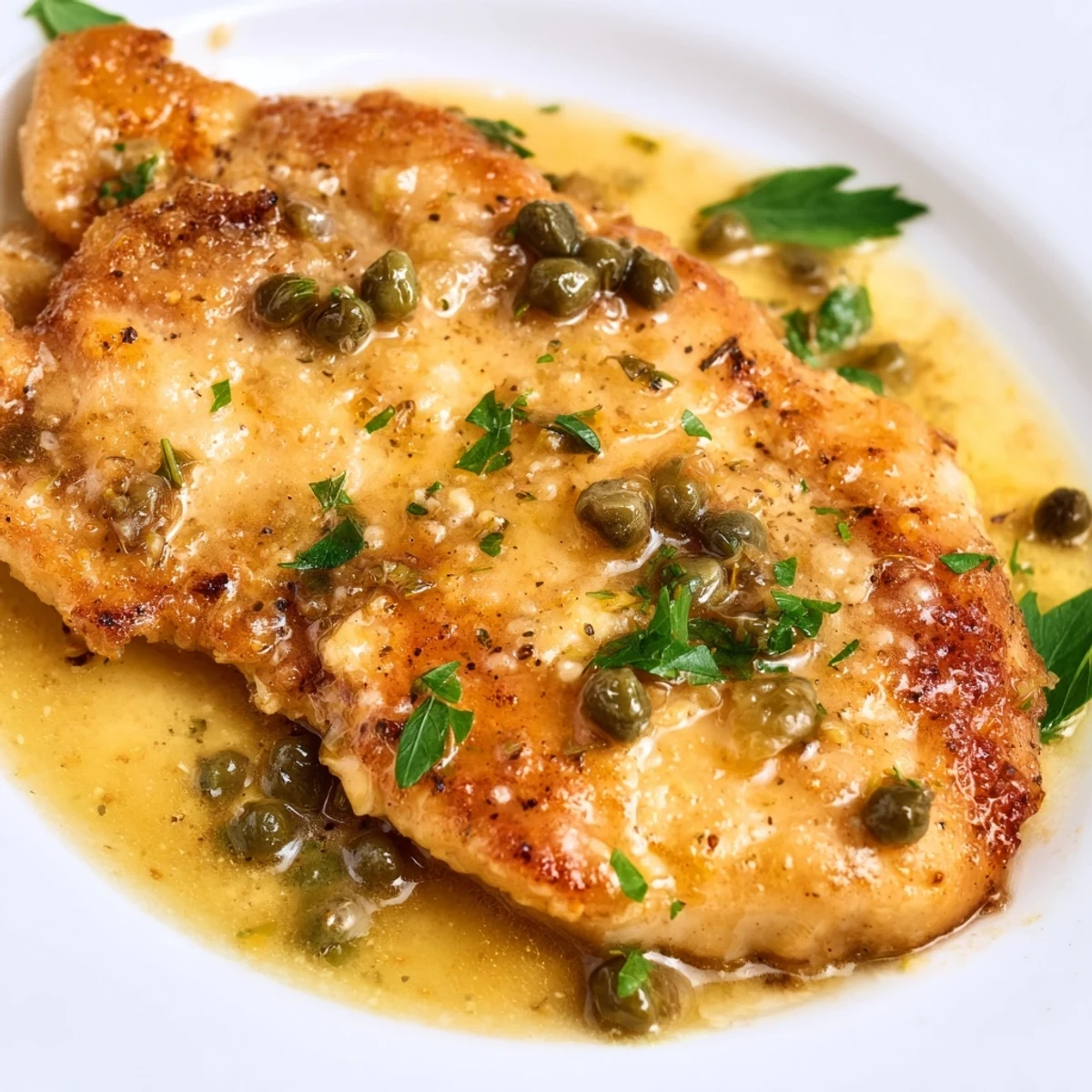
- Return the chicken to the pan, spooning that liquid gold over the top as it simmers for another minute or two. Watch how the sauce clings to the cutlets, creating a glistening finish.
- Enrich and garnish:
- Off heat, swirl in that final tablespoon of butter and scatter fresh parsley across the top. This final touch adds a silky texture and bright color that elevates the entire dish.
 Pin it
 On a particularly rough Tuesday last winter, when deadlines loomed and the weather matched my mood, I made this piccata as a form of kitchen therapy. The rhythmic pounding of chicken, the citrus-scented steam, the satisfying sizzle of butter melting into sauce all worked together to lift the cloud that had been following me. By the time I sat down to eat, both the chicken and my outlook had been transformed.
Serving Suggestions
The velvety sauce begs for something to catch every last drop, which is why I often serve this over angel hair pasta tossed with just a touch of olive oil. Sometimes, though, a bed of creamy mashed potatoes makes the perfect landing spot, especially on colder evenings when comfort is the priority.
Making It Your Own
One summer evening when fresh herbs overtook my garden, I experimented by adding chopped basil alongside the parsley at the finishing stage. The unexpected herbal note complemented the lemon in a way that felt like discovering a new color in a familiar painting.
Troubleshooting Tips
After years of making this dish, Ive learned that patience during the sauce reduction is the difference between watery disappointment and silky perfection. Give it those full three minutes to reduce properly, watching for the moment when bubbles get slightly larger and the sauce begins to cling to the spoon.
- If your sauce breaks or looks greasy, whisk in a teaspoon of cold water off heat to help it re-emulsify.
- When reheating leftovers, add a splash of chicken broth to revive the sauce that may have thickened in the refrigerator.
- For extra insurance against tough chicken, remove it from the refrigerator 15 minutes before cooking to take the chill off.
 Pin it
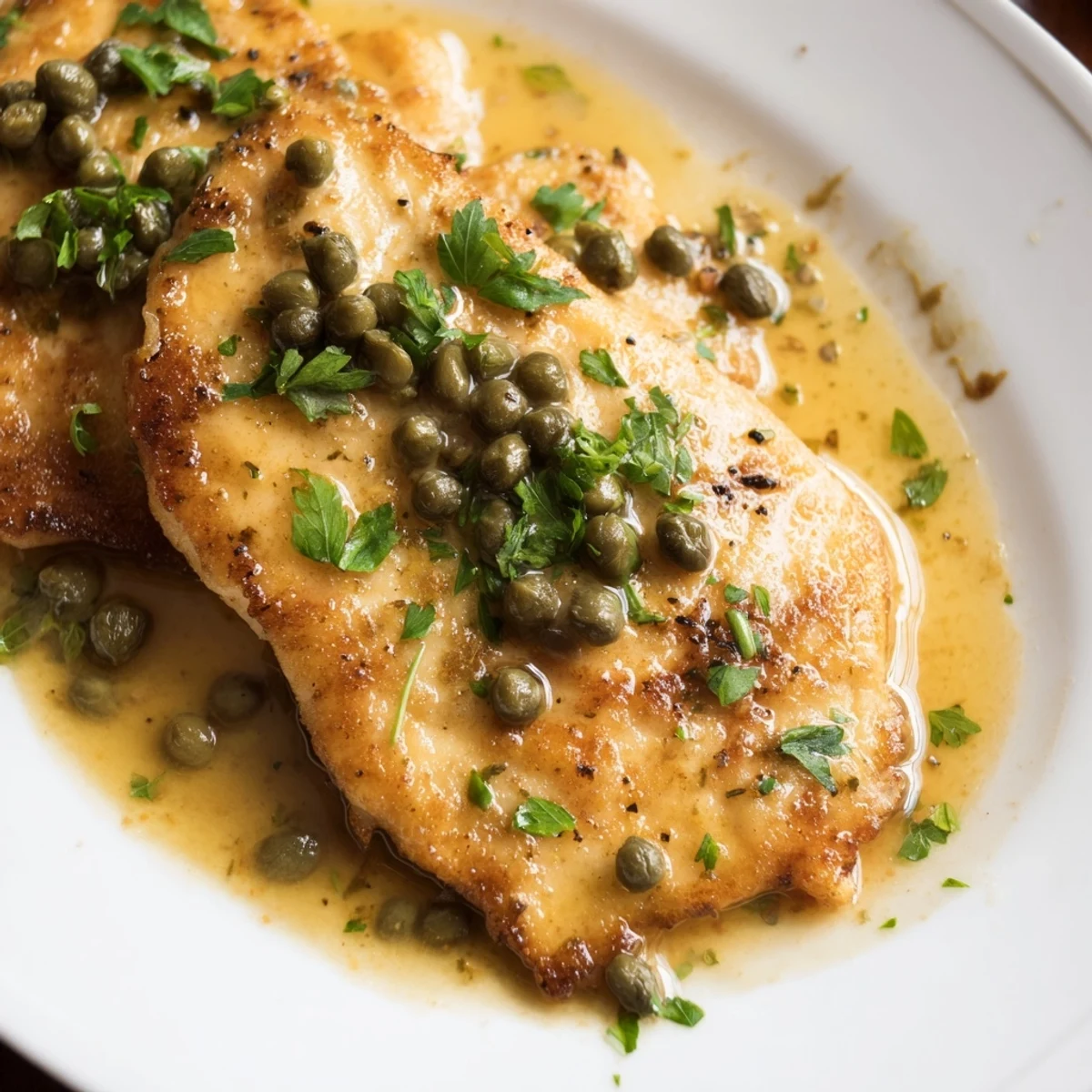
 This chicken piccata has become my edible love letter to simple cooking with extraordinary results. Its a reminder that sometimes the most memorable dishes need little more than attention to detail and a handful of quality ingredients.
Recipe FAQs
- → What is the best way to pound chicken breasts evenly?
-
Place chicken breasts between two sheets of plastic wrap or in a zip-top bag. Use a meat mallet, rolling pin, or even the bottom of a heavy pan. Pound gently and evenly from the center outward until the chicken reaches about 1/2-inch thickness. This ensures even cooking and tender results.
- → Can I make this without white wine?
-
Yes, absolutely. Simply replace the white wine with an equal amount of low-sodium chicken broth. The sauce will be slightly less complex, but still delicious. You can also add a splash of apple cider vinegar or white vinegar for subtle acidity.
- → How do I keep the chicken moist during cooking?
-
Don't overcook the chicken. Cook for 3-4 minutes per side until just cooked through—the internal temperature should reach 165°F (74°C). Once the chicken is cooked, remove it from the pan while you finish the sauce, then add it back for the final 2 minutes of gentle simmering.
- → What can I serve with chicken piccata?
-
This dish pairs beautifully with angel hair pasta, linguine, or spaghetti tossed in a bit of olive oil. You can also serve it over creamy mashed potatoes, buttered egg noodles, or with a side of roasted or steamed vegetables like green beans, asparagus, or zucchini.
- → Can I prepare this ahead of time?
-
You can prepare components ahead: pound and season the chicken up to 4 hours in advance (keep refrigerated), and combine dry ingredients for dredging. However, it's best cooked fresh just before serving. The sauce can be made slightly ahead and reheated gently.
- → Is there a gluten-free version?
-
Yes, simply substitute all-purpose flour with gluten-free flour blend in equal amounts. The cooking time and technique remain the same. Make sure to use certified gluten-free capers and low-sodium broth if you're sensitive to cross-contamination.