 Pin it
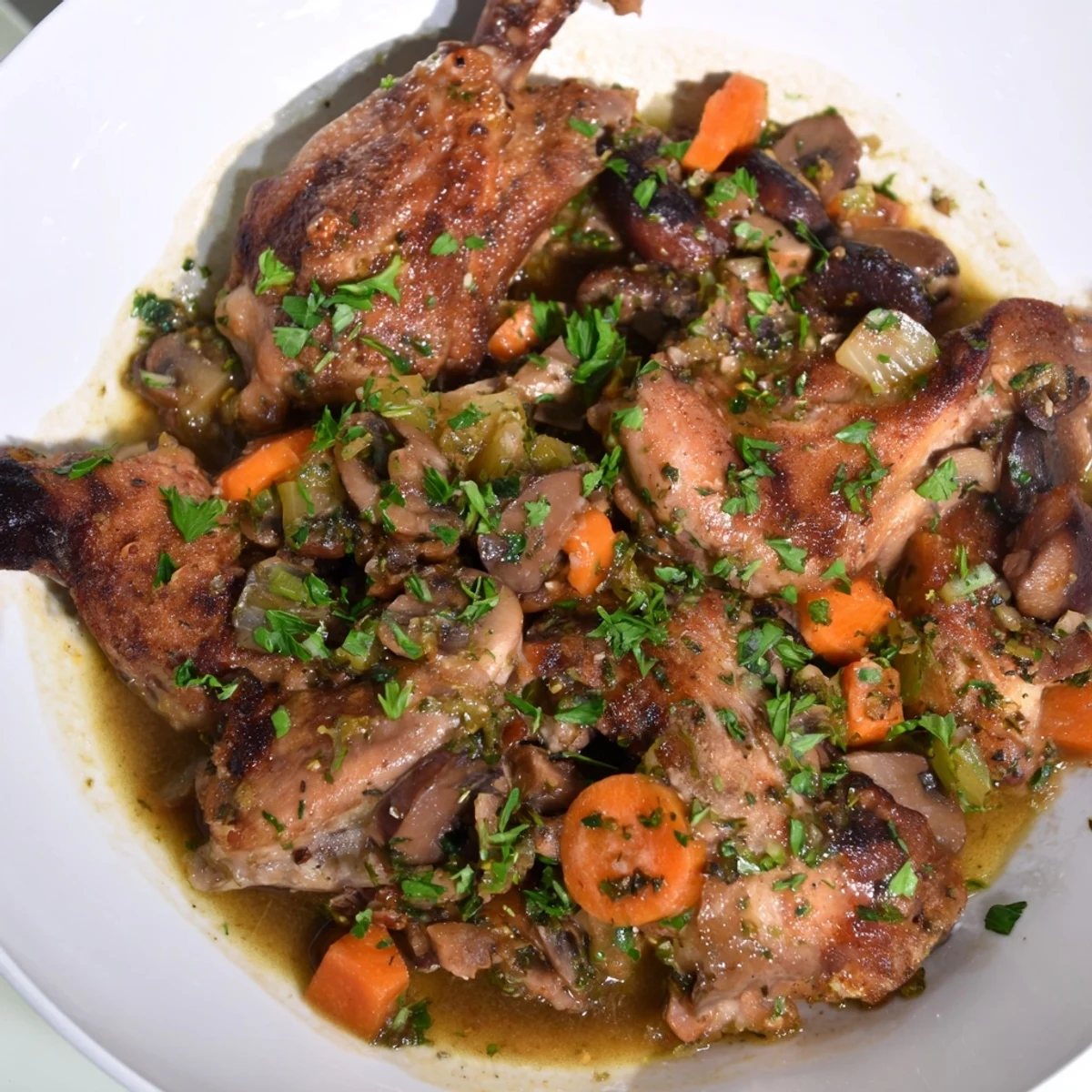
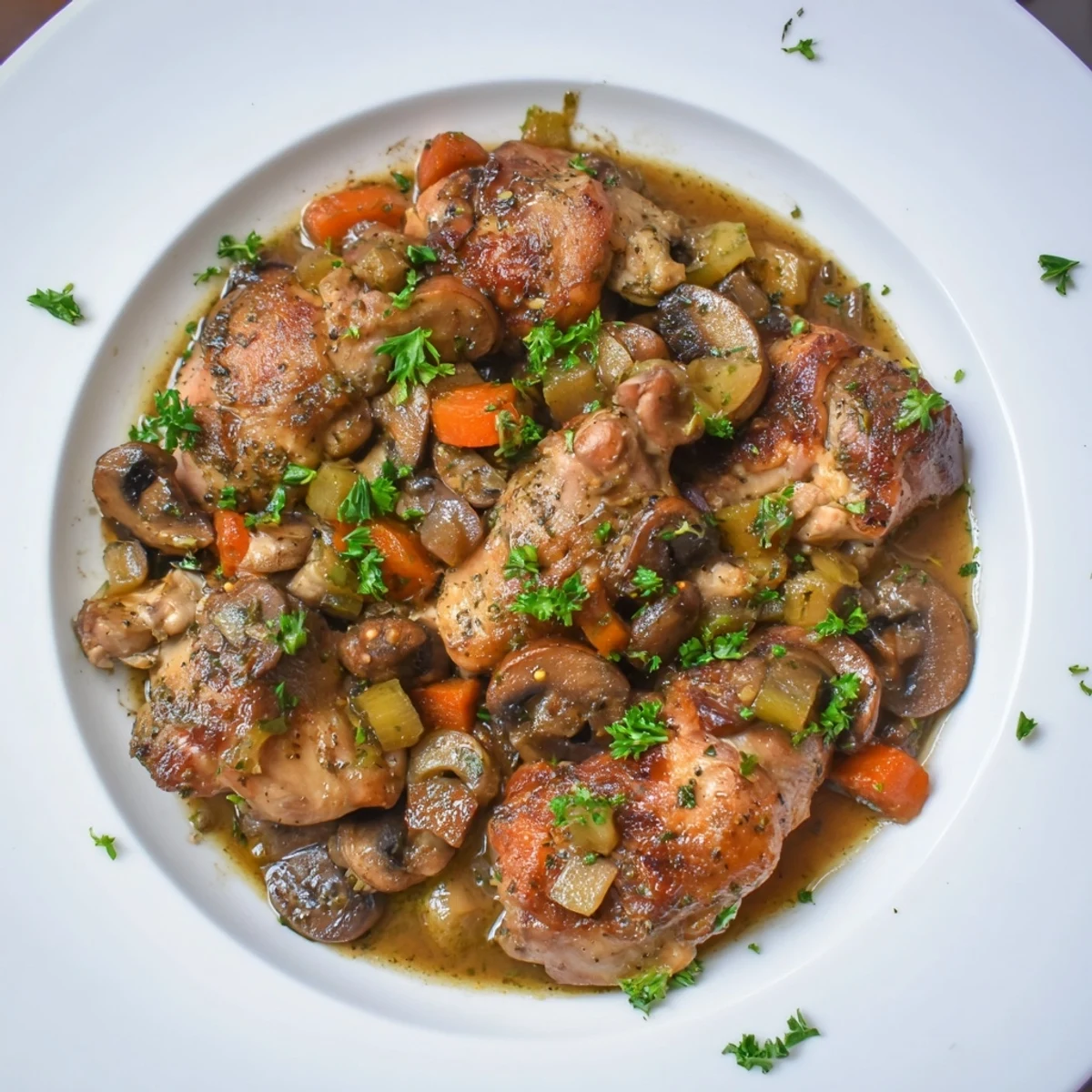
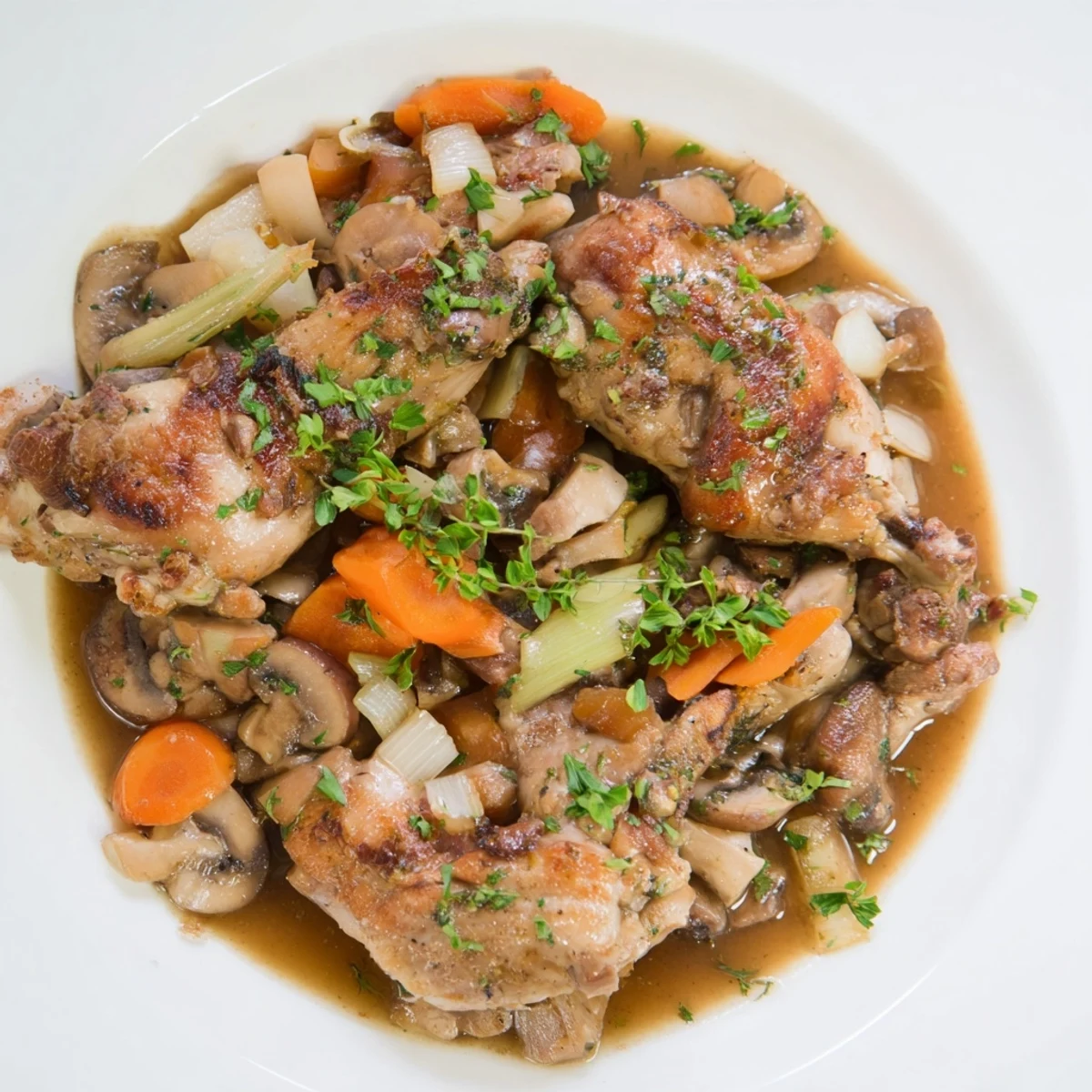
 This dish features tender rabbit pieces slowly braised with onions, carrots, celery, and a blend of herbs including thyme, rosemary, and bay leaves. The rabbit is browned then simmered in white wine and stock until perfectly tender. Mushrooms add depth while the sauce thickens to a rich and aromatic finish. Perfect served with crusty bread or buttered noodles, this meal balances robust flavors with delicate textures.
Start by seasoning and browning the rabbit, then sauté vegetables and add tomato paste to build flavor. A gentle simmer with wine, stock, and herbs creates a fragrant sauce. The final stage includes mushrooms and seasoning adjustments. This French-inspired dish offers comforting warmth ideal for cooler days.
I first made this stew on a cold November evening when the grocery store was out of chicken and the butcher casually asked if I'd ever cooked rabbit. I hadn't, but something about the way he described it—lean, tender, almost sweet—made me curious. That night, my kitchen smelled like a countryside bistro, all wine and thyme and butter, and I've been hooked ever since.
I made this for a small dinner party once, and everyone went quiet after the first bite—not awkward quiet, but the kind where people are too busy savoring to talk. One friend later told me it reminded her of her grandmother's kitchen in Lyon, which felt like the highest compliment I'd ever received.
Ingredients
- Whole rabbit, cut into pieces: Ask your butcher to do this for you if you're not comfortable with it, and look for rabbit that's fresh and pale pink.
- Salt and black pepper: Season generously, rabbit is lean and needs the help to bring out its natural flavor.
- All-purpose flour: This is optional but helps create a light crust that thickens the sauce beautifully as it braises.
- Olive oil and butter: The combination gives you a rich base that won't burn as easily as butter alone.
- Onions, carrots, and celery: The classic mirepoix that adds sweetness and depth to any braise.
- Garlic: Use fresh cloves and add them toward the end of sautéing so they don't turn bitter.
- Dry white wine: Something crisp and not too sweet, a Sauvignon Blanc or unoaked Chardonnay works perfectly.
- Chicken or vegetable stock: Homemade is lovely, but a good quality store-bought version does the job just fine.
- Tomato paste: Just a couple tablespoons to add body and a subtle tang that balances the wine.
- Bay leaves, thyme, and rosemary: Fresh herbs make a noticeable difference here, their fragrance fills the whole house.
- Cremini or button mushrooms: They absorb the braising liquid and add an earthy contrast to the tender meat.
- Fresh parsley: A bright, grassy finish that cuts through the richness right before serving.
Instructions
- Season and dust the rabbit:
- Pat the rabbit pieces dry with a paper towel, then season them generously with salt and pepper. If you're using flour, dust each piece lightly and shake off the excess so you get a thin, even coating.
- Brown the rabbit:
- Heat the olive oil and butter in your Dutch oven over medium-high heat until shimmering. Work in batches so the pieces have room to brown properly, turning them until each side is golden and caramelized, then set them aside on a plate.
- Sauté the vegetables:
- In the same pot, add the onions, carrots, and celery, stirring occasionally until they soften and start to smell sweet, about five to seven minutes. Toss in the garlic and let it cook for just a minute until fragrant.
- Add tomato paste and rabbit:
- Return the browned rabbit to the pot and stir in the tomato paste, coating everything evenly. Let it cook for a minute so the paste darkens slightly and loses its raw edge.
- Deglaze with wine:
- Pour in the white wine and use a wooden spoon to scrape up all those beautiful browned bits stuck to the bottom. Let it bubble and reduce for two to three minutes.
- Add stock and herbs:
- Pour in the stock, then tuck in the bay leaves, thyme, and rosemary. Bring everything to a gentle simmer, cover the pot, and lower the heat so it barely bubbles for about an hour.
- Add mushrooms and finish:
- Uncover the pot, stir in the sliced mushrooms, and let everything cook uncovered for another twenty to thirty minutes. The sauce will thicken and the rabbit will be fall-apart tender.
- Season and serve:
- Fish out the bay leaves and herb stems, taste the sauce, and adjust the salt and pepper as needed. Ladle into shallow bowls and scatter fresh parsley on top.
 Pin it
 The first time I served this, I was nervous it would taste too gamey, but my dad—who claims to hate anything that isn't beef or chicken—went back for seconds without a word. Later, he asked me to make it for his birthday, and that's when I knew this stew had earned its place at the table.
What to Serve Alongside
I love mopping up the sauce with a thick slice of crusty bread, but creamy mashed potatoes or buttered egg noodles are just as good. A simple green salad with a sharp vinaigrette helps cut through the richness, and if you're feeling fancy, roasted root vegetables add a sweet, caramelized contrast.
Making It Your Own
If you can't find rabbit, chicken thighs are a solid substitute, just reduce the braising time by about twenty minutes. For a richer, silkier sauce, stir in a splash of heavy cream right before serving. I've also added a handful of pitted green olives once, and the briny kick was a beautiful surprise.
Storage and Reheating
This stew keeps beautifully in the fridge for up to three days, and the flavors deepen overnight. Reheat it gently on the stovetop over low heat, adding a splash of stock or water if the sauce has thickened too much. I don't recommend freezing it because the texture of the rabbit can get a little mealy, but if you must, freeze the sauce separately and add freshly cooked meat when you're ready to eat.
- Let the stew cool completely before refrigerating to avoid condensation in the container.
- Warm it slowly so the meat stays tender and doesn't dry out.
- Garnish with fresh parsley again after reheating for a pop of color and flavor.
 Pin it
 There's something deeply satisfying about a dish that asks for patience and rewards you with layers of flavor you can't rush. This stew has become my go-to when I want to slow down, fill the house with good smells, and remind myself that some of the best meals are the ones you let simmer.
Recipe FAQs
- → What cut of rabbit is best for braising?
-
Whole rabbit cut into serving pieces works best for even cooking and tenderness during braising.
- → Can I substitute the white wine?
-
Yes, use extra chicken or vegetable stock if you prefer to avoid alcohol, maintaining the liquid balance.
- → How do I know when the rabbit is fully cooked?
-
The meat should be tender and easily pulled from the bone after 1 to 1.5 hours of gentle simmering.
- → What sides complement this dish well?
-
Crusty bread, mashed potatoes, or buttered noodles pair wonderfully to soak up the rich sauce.
- → Can I prepare this in advance?
-
Yes, flavors deepen when reheated; store in the fridge and gently reheat before serving.
- → How to make the sauce richer?
-
Add a splash of cream at the end of cooking for a velvety finish without overpowering flavors.