 Pin it
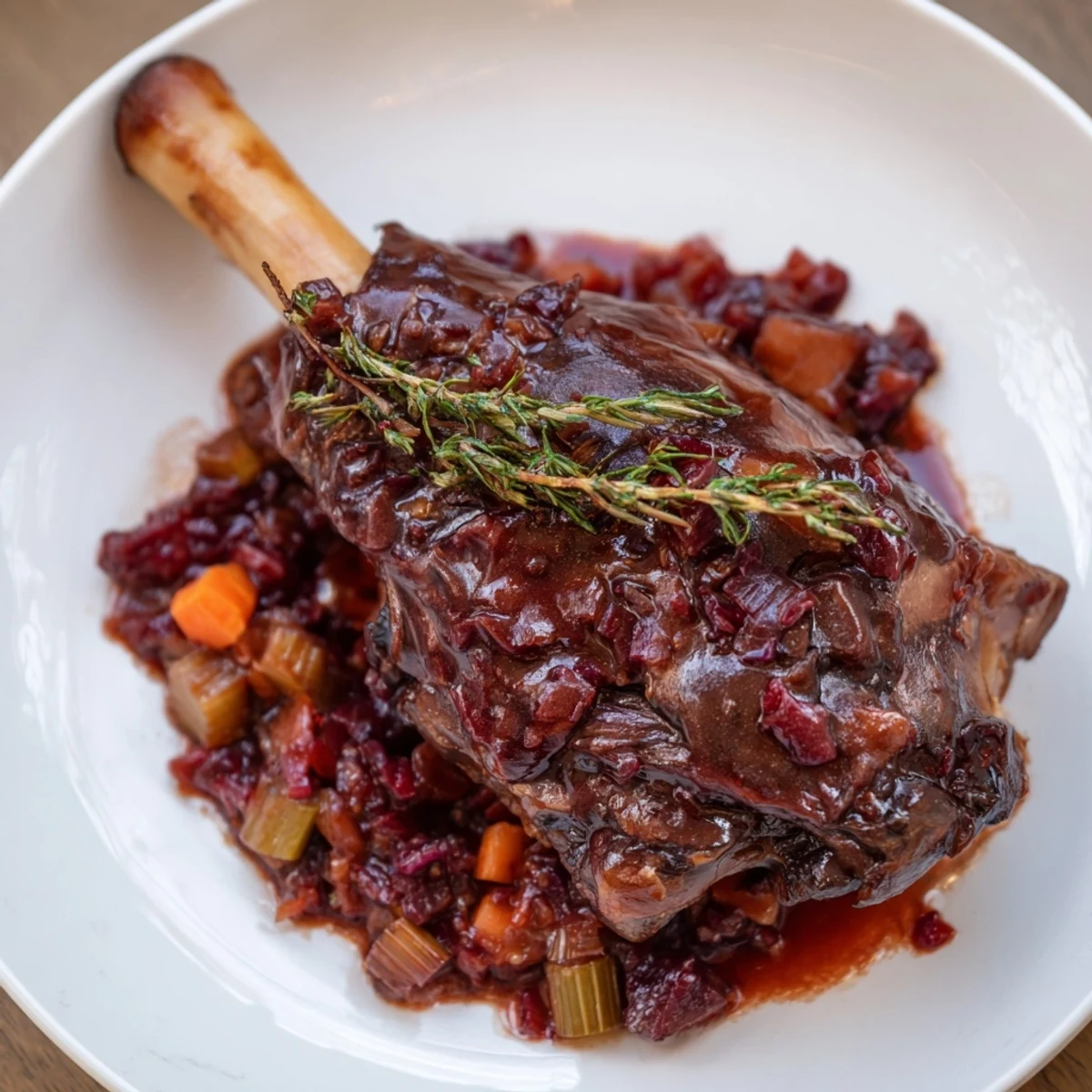
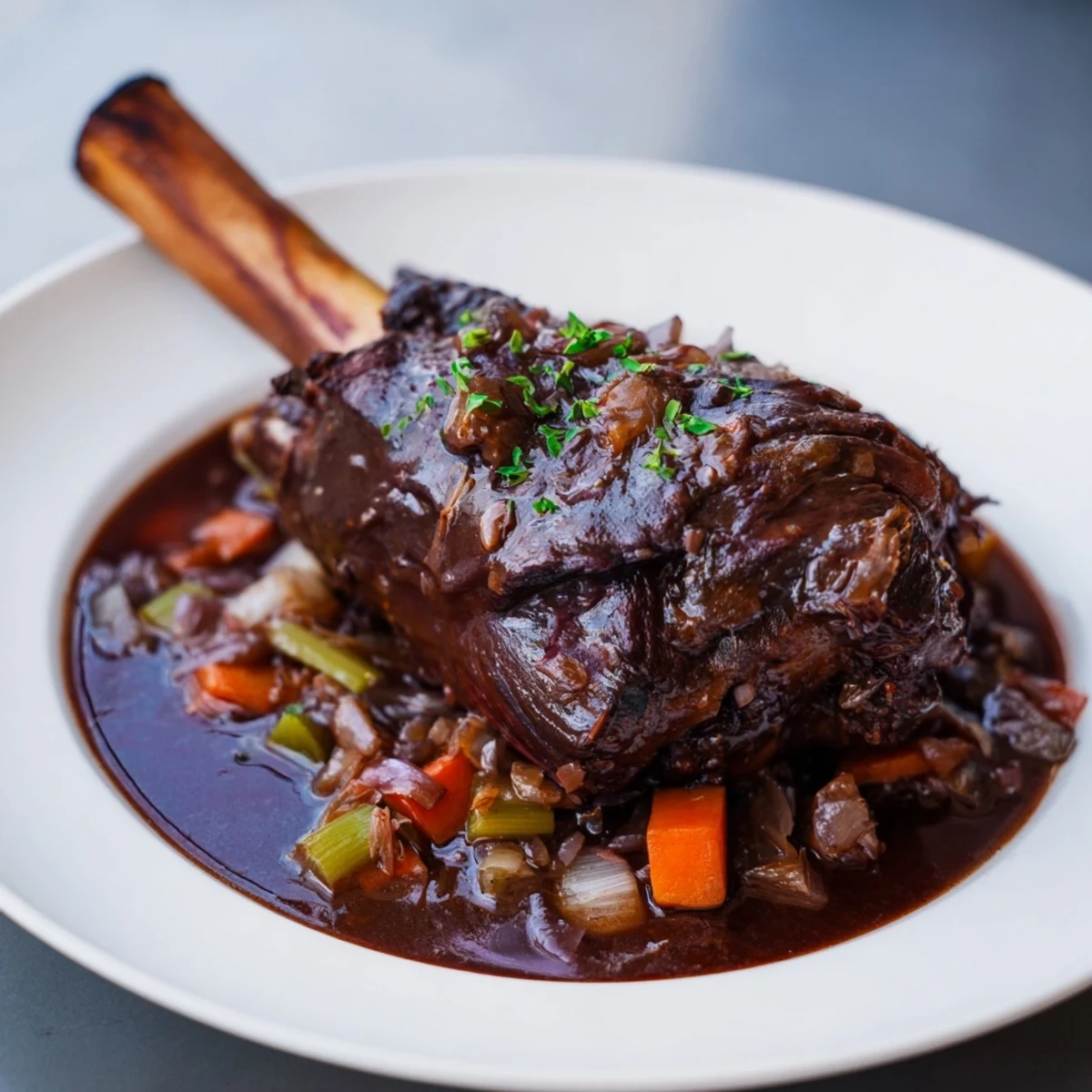
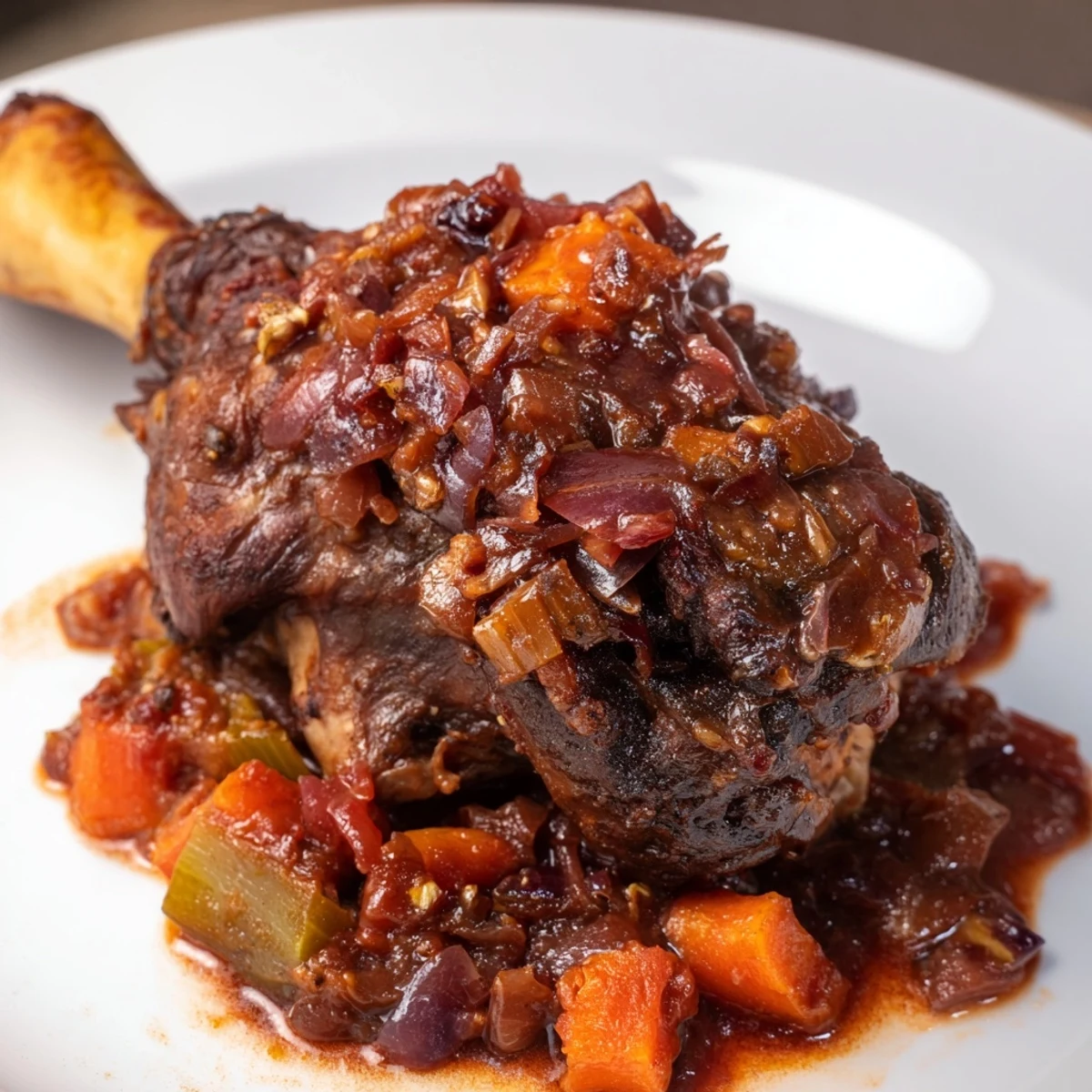
 This dish highlights tender lamb shanks slowly cooked with fresh rosemary, thyme, and bay leaves in a savory red wine sauce. Carrots, celery, and onion add depth, while garlic and tomato paste enrich the flavor. The lamb is seared and then braised for over two hours until exceptionally tender, resulting in a rich and elegant main course. Serve with mashed potatoes or crusty bread to soak up the luscious sauce.
I pulled this recipe out on a Sunday when the wind rattled the windows and I wanted something that would fill the house with warmth. The lamb shanks sat in the fridge like a dare, and I'd been craving something slow and forgiving. By the time they came out of the oven, the meat was so tender it slipped off the bone with just a nudge from my fork.
The first time I made this for friends, I panicked halfway through because the sauce looked thin. I let it reduce at the end like the recipe suggested, and it turned glossy and deep. Everyone soaked it up with bread, and one friend asked if I'd been hiding a secret chef past.
Ingredients
- Lamb shanks: Look for shanks with a good amount of meat still on them, around 400 g each, and don't skip patting them dry or they won't brown properly.
- Carrots and celery: These build the base and sweeten as they cook down, so chop them roughly, no need for perfection.
- Onion: A large one adds body to the sauce and mellows beautifully during the long braise.
- Garlic: Minced fine so it melts into the sauce and doesn't burn when you sauté.
- Dry red wine: Use something you'd actually drink, it concentrates as it simmers and cheap wine tastes cheap.
- Beef or lamb stock: This becomes the backbone of the sauce, homemade is lovely but a good store-bought works just fine.
- Tomato paste: Cooking it for a couple of minutes before adding liquid deepens the flavor and cuts any metallic edge.
- Fresh rosemary and thyme: The smell of these herbs braising with the lamb is half the reason I make this dish.
- Bay leaves: They add a subtle woodsy note, just remember to fish them out before serving.
- Black pepper and salt: Freshly ground pepper makes a difference, and taste the sauce at the end because the stock may already be salty.
- Olive oil: For browning the meat, it can take the high heat without smoking.
Instructions
- Get the oven ready:
- Preheat it to 160°C so it's waiting for you when the lamb is browned and ready to go in.
- Season and brown the lamb:
- Pat the shanks completely dry with paper towels, season them all over with salt and pepper, then sear them in hot olive oil until each side is deep golden brown. This takes about 8 to 10 minutes and builds the flavor foundation.
- Soften the vegetables:
- In the same pot with all those browned bits, toss in the onion, carrots, and celery, and let them cook until they start to soften and smell sweet, about 5 minutes. Add the garlic and stir for just a minute so it doesn't burn.
- Build the sauce base:
- Stir in the tomato paste and let it cook for 2 minutes, then pour in the red wine and scrape up every stuck-on bit from the bottom of the pot. Let it simmer for 3 minutes to cook off some of the alcohol.
- Braise low and slow:
- Nestle the lamb shanks back into the pot, pour in the stock, tuck in the rosemary, thyme, and bay leaves, and bring it to a gentle simmer. Cover it, slide it into the oven, and let it braise for 2 to 2 and a half hours until the meat is falling-off-the-bone tender.
- Finish the sauce:
- Carefully remove the lamb shanks and keep them warm under foil. Simmer the sauce on the stovetop for 10 to 15 minutes if it needs thickening, then discard the herb sprigs and bay leaves, and adjust the seasoning to taste.
- Serve:
- Spoon that glossy, fragrant sauce over the lamb shanks and watch it pool around whatever you're serving alongside.
 Pin it
 I served this once with a mound of creamy mashed potatoes, and my dad didn't say much at first, just kept going back for more sauce. Later he asked when I was making it again, which for him is the highest compliment.
What to Serve It With
Mashed potatoes are classic and soak up the sauce like a dream, but polenta works beautifully too if you want something a little different. I've also just set out a basket of crusty bread and let people tear off pieces to mop up their plates, which feels rustic and right for this kind of meal.
Making It Your Own
If you want a hint of brightness, tuck a strip of orange peel into the braising liquid and pull it out before serving. I've done this on a whim and it added a subtle warmth that made the sauce taste even more complex. You can also swap the lamb stock for beef stock without losing anything, I've done both and honestly can't pick a favorite.
A Few Last Thoughts
This is the kind of recipe that gets easier every time you make it because you learn the rhythm of it. The house will smell incredible, the lamb will be tender, and you'll have a sauce worth saving every last drop of.
- Check your stock and tomato paste labels if you're watching for allergens, some sneak in unexpected ingredients.
- Leftovers reheat beautifully and sometimes taste even better the next day.
- A heavy Dutch oven makes all the difference, it holds the heat evenly and goes from stovetop to oven without fuss.
 Pin it
 This dish has a way of turning a regular evening into something special without asking much of you. Let it braise, pour yourself a glass of what you cooked with, and enjoy the kind of meal that lingers long after the plates are cleared.
Recipe FAQs
- → How do you ensure lamb shanks remain tender?
-
Slow braising at a low temperature for a couple of hours breaks down connective tissues, making the lamb incredibly tender and flavorful.
- → What role does rosemary play in this dish?
-
Rosemary adds aromatic, piney notes that complement the rich meat and enhance the sauce’s depth.
- → Can other herbs be added to the braising liquid?
-
Yes, thyme and bay leaves are also included to deepen the flavor, providing a well-rounded herbal aroma.
- → What is the best way to thicken the sauce after cooking?
-
Simmering the sauce on the stovetop after removing the meat concentrates its flavors and reduces liquid for a thicker consistency.
- → What side dishes pair well with braised lamb shanks?
-
Creamy mashed potatoes, polenta, or crusty bread are excellent choices to accompany and absorb the rich sauce.
- → Is it possible to substitute the stock used in the braising liquid?
-
Yes, beef stock can replace lamb stock without compromising the overall flavor and richness.