 Pin it
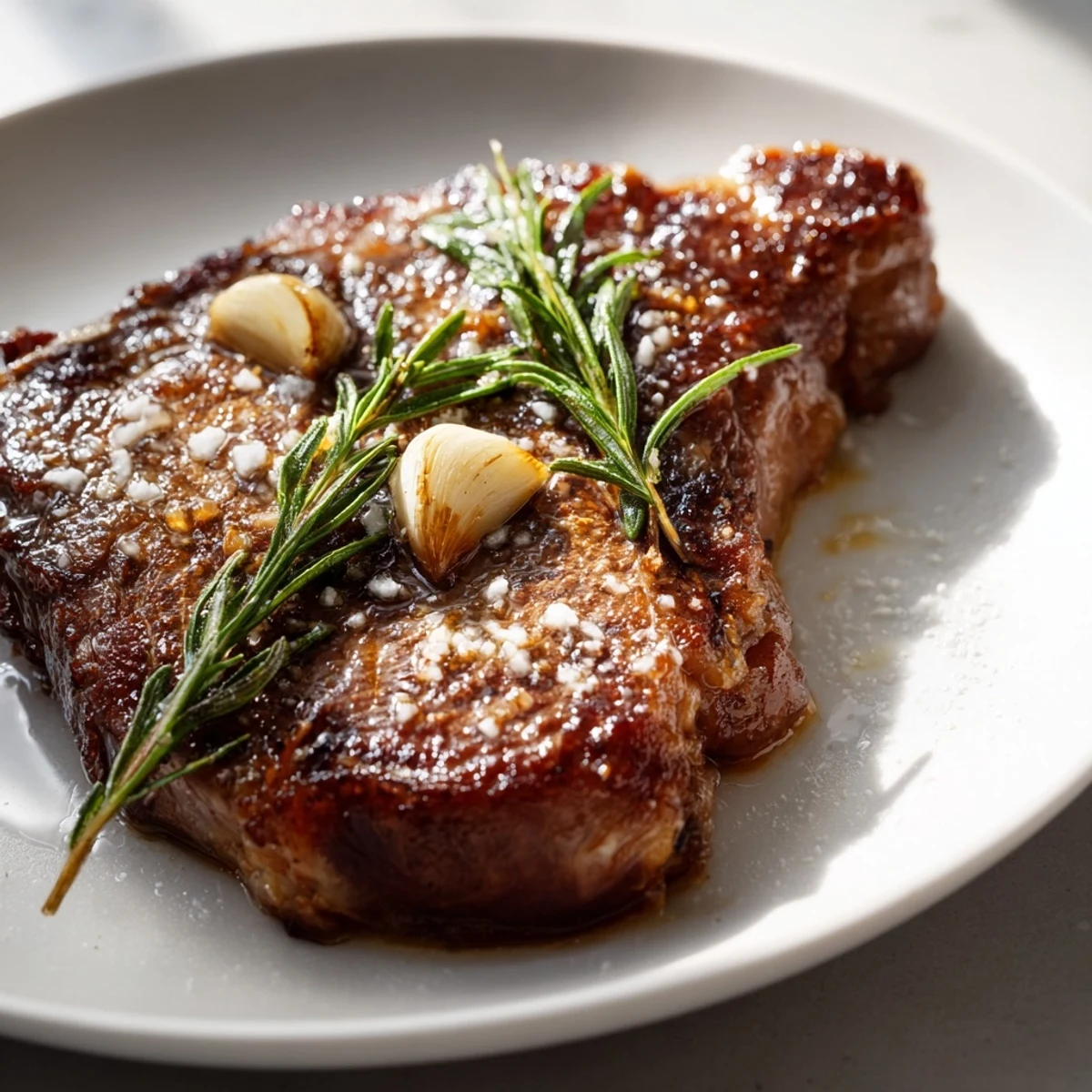
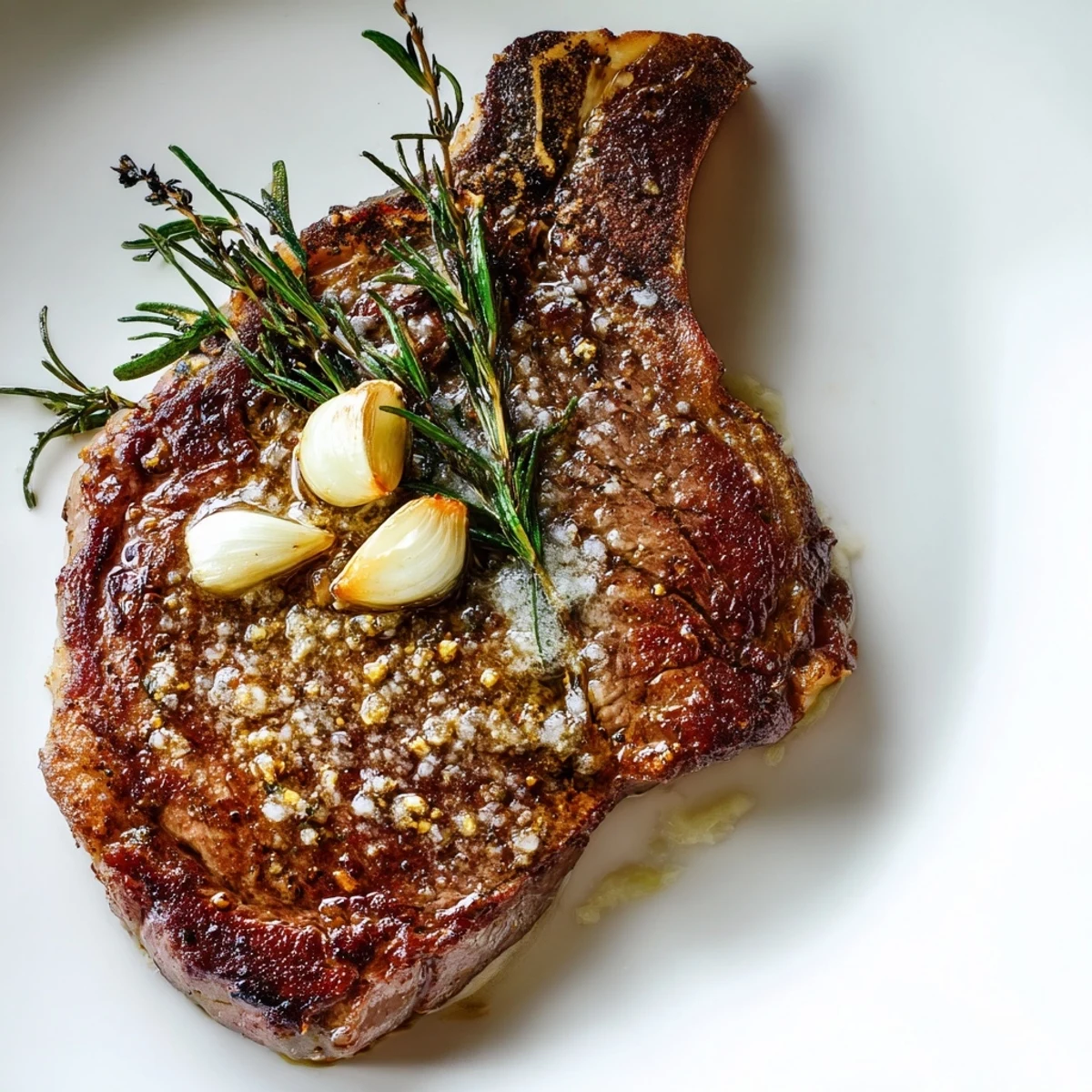
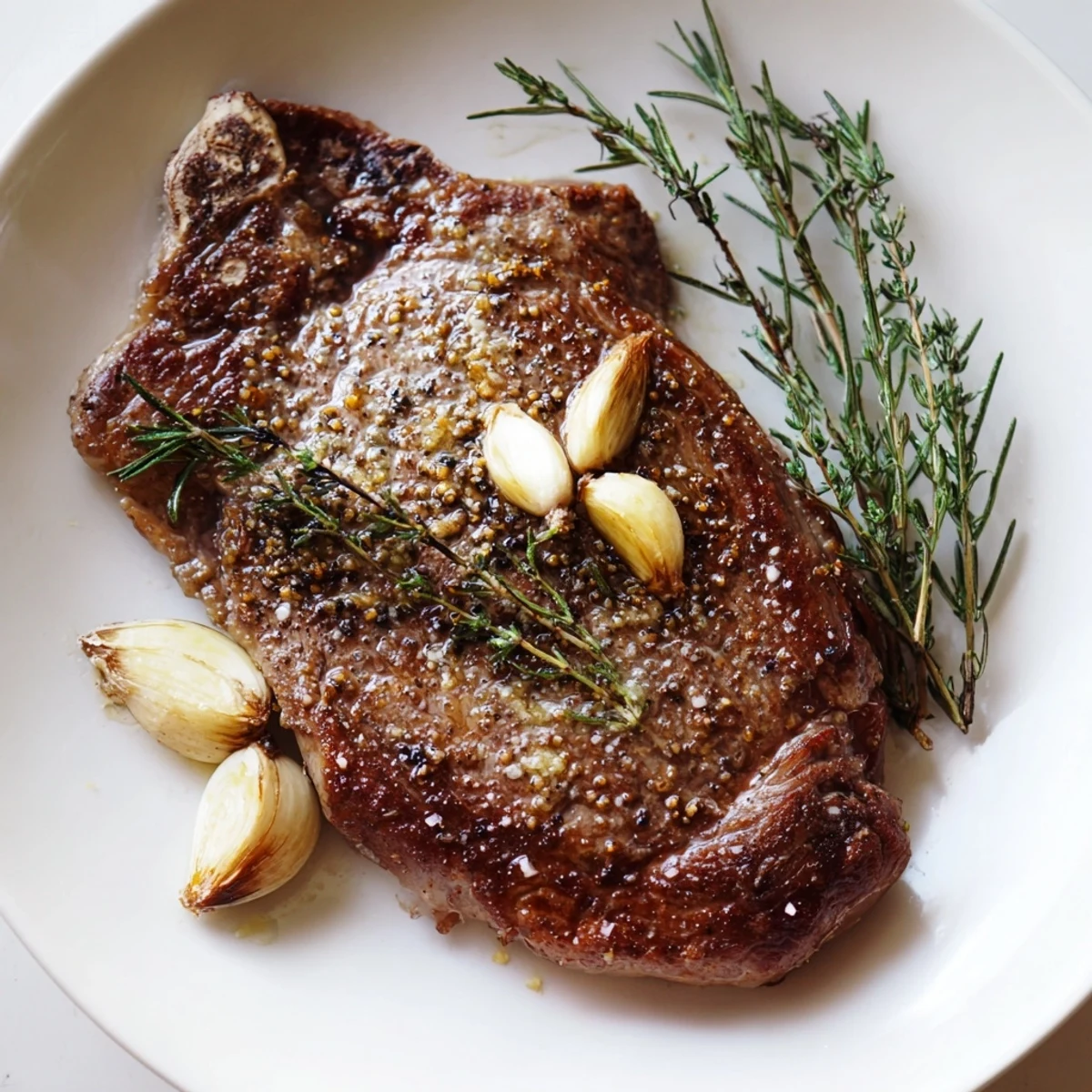
 This dish features ribeye steaks seared to perfection and infused with fresh rosemary, thyme, and garlic. Cooking involves a hot skillet, olive oil, and butter, creating a golden crust and basting with melted herb butter for enhanced flavor. Resting the steaks after cooking ensures juicy and tender bites, ideal for a special meal serving two.
I still remember the first time I cooked a proper ribeye steak at home. It was supposed to be a simple dinner, but my friend arrived early and caught me nervously eyeing the meat on my kitchen counter. "Trust the process," she said, and something about her confidence made me believe this would be different from all my previous attempts. That evening, the moment I heard that perfect sizzle as the steak hit the hot cast iron, I knew I was doing something right. Now, years later, this herb-basted ribeye has become my go-to when I want to impress someone or simply treat myself to something extraordinary.
I made this for my partner on our anniversary last spring, and I'll never forget how their eyes lit up when they took that first bite. The kitchen smelled like rosemary and butter, the kind of smell that makes you feel like you've accomplished something real. That's when I realized this dish had become more than just dinner—it was how I showed love through food.
Ingredients
- Beef ribeye steaks (2 steaks, 10 oz each, 1 inch thick): The marbling in ribeye is your secret weapon—all those little pockets of fat melt during cooking and keep the meat impossibly juicy. Buy the best quality you can find, because this dish lets the beef shine. Room temperature meat cooks more evenly, so pull it from the fridge about 30 minutes before you start.
- Fresh rosemary (2 sprigs): Woody and piney, rosemary is the herb that transforms butter into liquid gold. I always choose fresh sprigs over dried because you can watch them bloom in the hot butter, and the aroma fills your entire kitchen.
- Fresh thyme (2 sprigs): Delicate and slightly sweet, thyme softens the intensity of the rosemary and adds a sophisticated earthiness that makes people ask what your secret ingredient is.
- Garlic cloves (2, smashed): Smashing rather than mincing the garlic keeps it in larger pieces so you can pull them out if you prefer, but I always leave them in. They become sweet and mellow in the butter.
- Coarse sea salt (1½ tsp): Don't use table salt—the crystals are smaller and you'll end up over-salting. Coarse sea salt gives you control and creates a beautiful crust. Taste as you go; you can always add more.
- Freshly ground black pepper (1 tsp): Grind it yourself right before cooking. Pre-ground pepper loses its punch, and this dish deserves the real thing.
- Olive oil (2 tbsp): Use a good quality oil with a high smoke point. This is what creates that crackling hot skillet that sears the steak properly.
- Unsalted butter (2 tbsp): The finishing touch that makes everything taste like you went to culinary school. Unsalted gives you control over the salt level, and the butter becomes a basting elixir with the herbs.
Instructions
- Bring your steak to room temperature:
- Take those steaks out of the refrigerator about 30 minutes before you plan to cook. I know it's tempting to skip this step, but room temperature meat cooks more evenly and stays juicier. Pat them completely dry with paper towels—this is crucial for achieving that golden crust. Moisture is the enemy of a good sear, so don't be shy.
- Season boldly:
- Sprinkle sea salt and freshly ground pepper on both sides of each steak. Be generous here. The salt will draw out some moisture initially, but by the time your skillet is hot, the salt will have created a seasoning layer that's absolutely crucial. This is not the time to be timid.
- Get your pan screaming hot:
- Place a cast iron skillet over high heat for about 2 minutes. You want it hot enough that a drop of water sizzles and evaporates instantly. Add the olive oil and let it heat until it shimmers and moves like liquid mercury across the pan. This is the moment everything changes.
- Sear with confidence:
- Place the steaks in the skillet and resist the urge to move them around. Let them sit for 2 to 3 minutes without touching them. You'll hear that magnificent sizzle, and you'll smell something incredible developing. That's the Maillard reaction happening—the chemical magic that creates flavor. Flip once and sear the other side for another 2 to 3 minutes until both sides have a deep golden-brown crust.
- Enter the basting phase:
- Lower the heat to medium-low and add the butter, garlic, rosemary, and thyme right to the pan. The butter will foam and froth, and the herbs will release their oils into that liquid gold. This is where the magic truly happens. Tilt the pan slightly and use a spoon to continuously baste the steaks with this herb butter for another 2 to 3 minutes per side, watching the internal temperature climb toward your desired doneness. The basting keeps the meat moist while infusing it with flavor.
- Check for doneness:
- Use a meat thermometer if you have one—130°F for medium-rare is our target, which leaves the center perfectly pink and tender. If you don't have a thermometer, touch the meat: it should feel gently resistant but not hard. Your fingertip pressed to the steak should bounce back slowly.
- Rest and reward yourself:
- Transfer the steaks to a clean plate and cover loosely with foil. Let them rest for 5 minutes. I know this is hard—the aromas are calling to you—but this resting period allows the juices to redistribute throughout the meat. If you cut into it immediately, all those delicious juices run onto the plate instead of staying inside your steak. Patience here is what separates good steak from unforgettable steak.
 Pin it
 There was a moment during a dinner party last summer when my usually quiet neighbor tried this steak and got tears in their eyes. They said it reminded them of their grandmother's cooking, and we ended up talking for hours about food and family and memory. That's when I understood that a perfectly cooked steak is never just about the meat and herbs—it's about the connections we make around the table.
Choosing Quality Beef
Ribeye is one of those cuts where quality genuinely matters. The marbling—those white lines of fat running through the meat—is what keeps the steak juicy and flavorful. When you're shopping, look for steaks that have consistent marbling throughout, not just on one side. The color should be a deep red, not bright red (which indicates it's too fresh) or brown (which might mean it's too old). Ask your butcher questions. A good butcher loves talking about their meat and can recommend the best steaks they have that day. I've found that building a relationship with your butcher actually changes what you get, because they start setting aside their best cuts for you.
The Science of the Sear
That golden crust isn't just for looks—it's the Maillard reaction, a chemical transformation that happens when proteins and sugars in the meat hit high heat. This creates hundreds of new flavor compounds that don't exist in raw meat. It's why seared steak tastes so much better than boiled steak. The key is starting with a hot pan, dry meat, and having the patience to let it sit undisturbed. Every time you move the steak or check on it, you're cooling the pan and disrupting the crust formation. The best cooks I know treat the first few minutes like meditation—they set a timer, step back, and trust the process.
Pairing and Serving Suggestions
Serve this steak with something that complements its richness. I'm partial to crispy roasted potatoes with garlic and rosemary, or a bright green salad with a sharp vinaigrette to cut through the butter. Some nights I'll make garlic bread to soak up every last bit of that herb butter from the plate. You could also serve it simply, with just a squeeze of fresh lemon juice and a sprinkle of fleur de sel. The beauty of a properly cooked steak is that it doesn't need much accompaniment.
- Roasted potatoes or creamed spinach work beautifully to balance the richness of the meat
- A crisp salad with lemon vinaigrette cuts through the butter and cleanses the palate between bites
- Don't forget good bread to wipe the plate—it's not wasteful, it's appreciative
 Pin it
 This steak has become my comfort meal and my celebration meal, my apology and my victory. It's proof that the best food doesn't have to be complicated—it just has to be made with good ingredients, proper technique, and the kind of care that comes from actually wanting to feed someone well.
Recipe FAQs
- → How should I prepare the ribeye before cooking?
-
Bring steaks to room temperature about 30 minutes ahead, then pat dry to ensure a good sear.
- → What herbs complement this steak preparation?
-
Fresh rosemary and thyme work well, adding aromatic depth during basting.
- → How is the steak cooked for best results?
-
Sear over high heat until browned, then reduce heat and baste with herb butter for even flavor and moistness.
- → Why is resting the steak important after cooking?
-
Resting allows juices to redistribute, resulting in a more tender and juicy steak.
- → Can I vary the herbs used in this method?
-
Yes, sage or oregano can substitute or supplement rosemary and thyme to change flavor profiles.