 Pin it
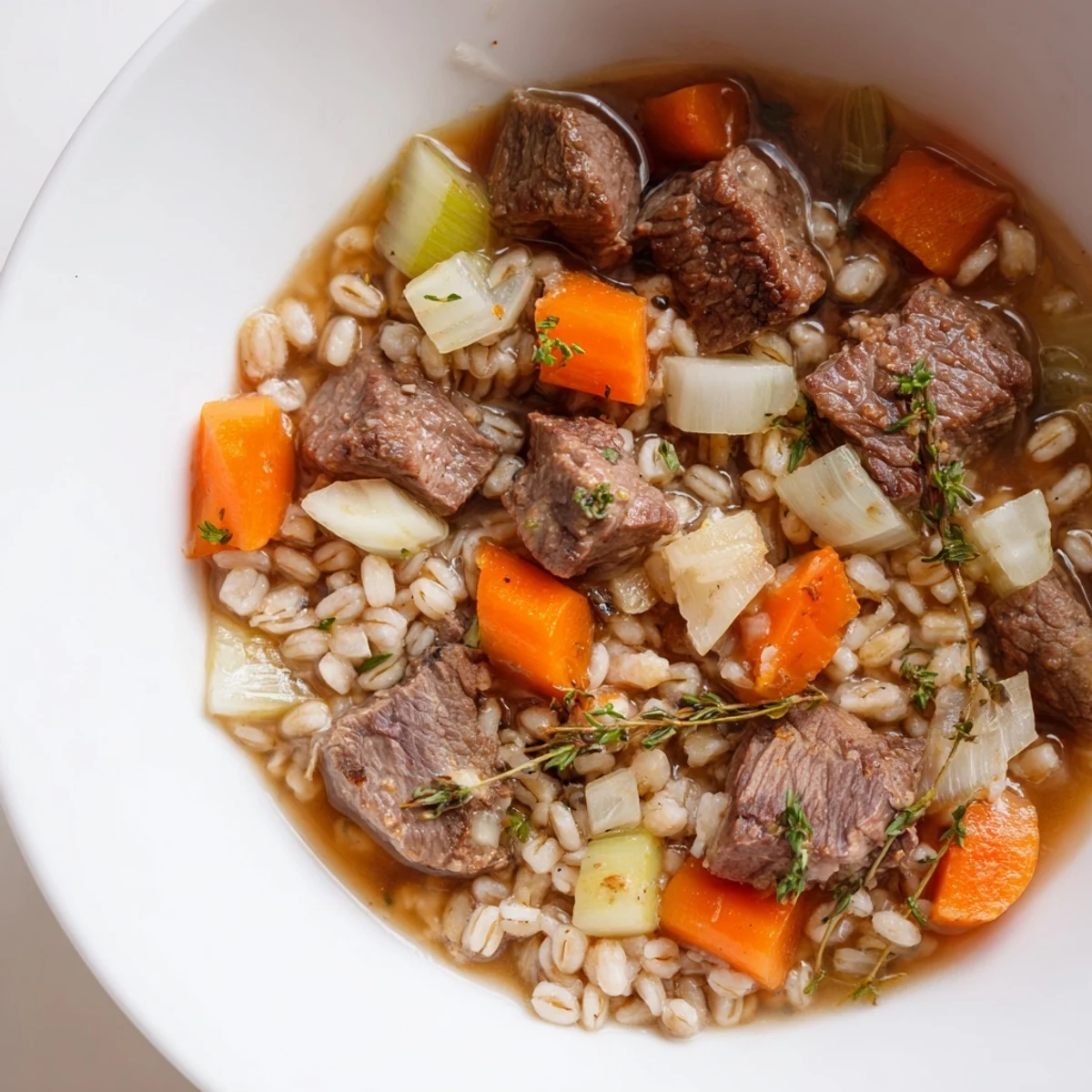
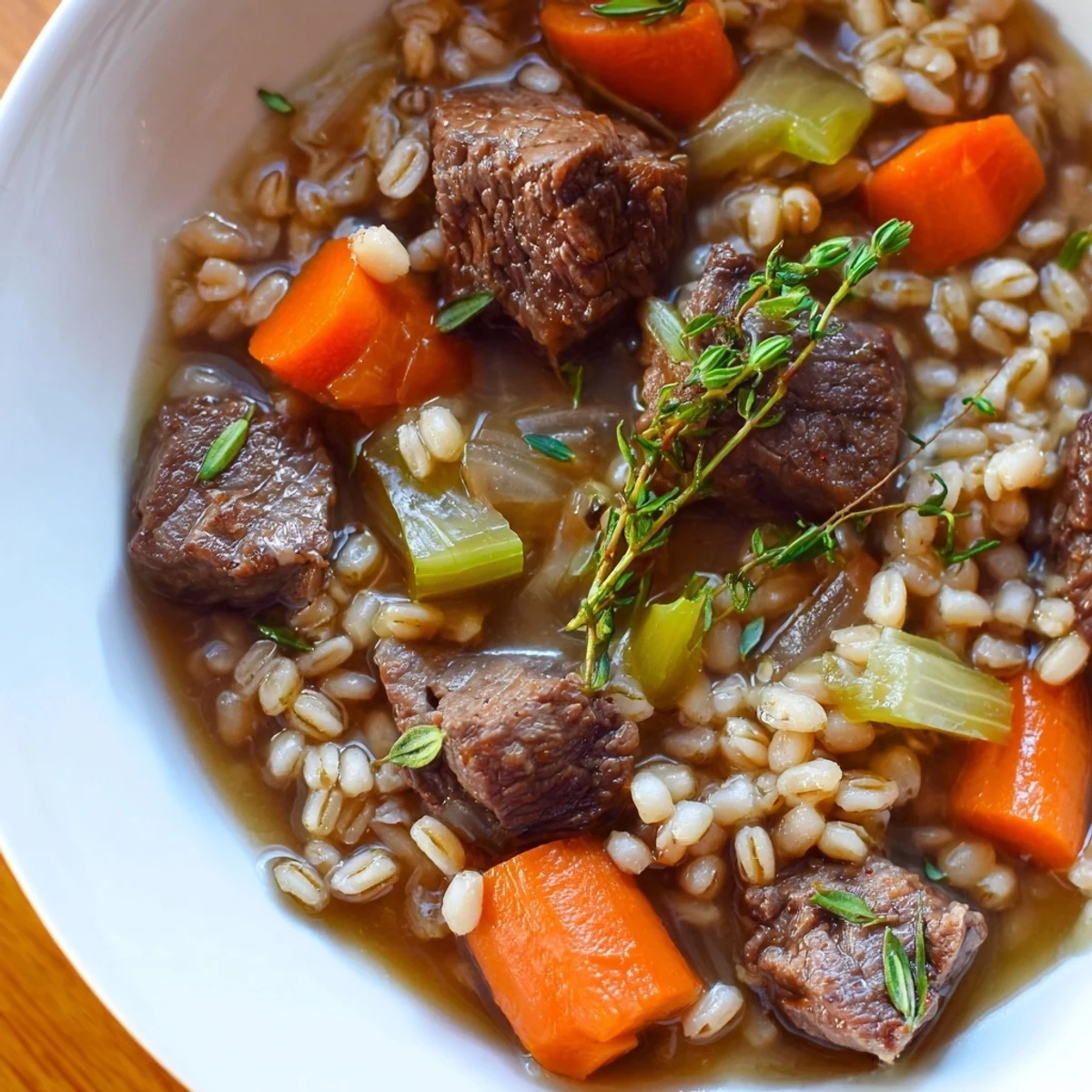
 This robust and satisfying stew brings together tender chunks of beef chuck, earthy pearl barley, and a vibrant medley of carrots, celery, and onion. Infused with the aromatic essence of fresh thyme and bay leaves, it's a deeply comforting preparation perfect for cooler days.
The process involves browning the beef to build flavor, then softening the vegetables before combining everything with rich beef broth. A slow, gentle simmer allows the beef to become incredibly tender and the barley to absorb all the savory liquids, creating a hearty texture.
Serve this wholesome creation hot, perhaps garnished with fresh parsley, for a complete and nourishing meal. It's a dish that only improves with time, making it an excellent candidate for advance preparation.
The first time I really embraced slow cooking, it was a particularly blustery Tuesday, one of those days where the wind seemed to sneak right through the windowpanes. I had a gnawing craving for something deeply comforting, a dish that would warm me from the inside out and make the kitchen feel like a sanctuary. That afternoon, the rich, earthy scent of beef and thyme began to perfume my apartment, turning the entire space into a haven of promise. It felt like a small act of defiance against the gloom outside, a quiet declaration of warmth and sustenance.
I remember making a giant batch of this stew for a gathering of friends after a particularly long hike in the crisp autumn air. Their rosy cheeks and hungry chatter filled the kitchen, and as I ladled out steaming bowls, I saw smiles bloom with every taste. It wasn't just food that evening; it was a warm embrace, a shared moment of simple joy that everyone needed after a day on the trails.
Ingredients
- Beef chuck: This is your flavor powerhouse; its marbling breaks down beautifully over a long simmer, giving you fall-apart tenderness.
- Large carrots: They add natural sweetness and a lovely color, mellowing out beautifully in the long cook.
- Celery stalks: Often underestimated, celery provides an essential aromatic base and a subtle, fresh bite.
- Large onion: The unsung hero of many stews, it caramelizes slightly to build incredible depth of flavor.
- Garlic: Just a few cloves awaken the entire dish, adding a pungent warmth that complements the beef perfectly.
- Pearl barley: Its nutty flavor and chewy texture absorb all the rich broth, making the stew hearty and satisfying.
- Beef broth: The liquid foundation; choose a good quality, low-sodium one so you can control the seasoning yourself.
- Tomato paste: A little bit goes a long way, adding a concentrated umami and a hint of acidity to balance the richness.
- Olive oil: Essential for browning the beef and sautéing the vegetables, laying down the first layer of flavor.
- Fresh thyme leaves: Thyme's earthy, peppery notes are the perfect partner for beef, infusing the stew with classic comfort.
- Bay leaves: These quiet contributors add a subtle, almost medicinal aroma that enriches the stew's complexity.
- Salt: Crucial for enhancing all the other flavors; taste as you go.
- Black pepper: A warming counterpoint to the richness, adding a gentle kick.
- Chopped fresh parsley: Not just a garnish, it brightens up the entire dish with a pop of fresh, herbaceous flavor right before serving.
Instructions
- Sear the Beef to Golden Perfection:
- Heat the olive oil in your Dutch oven until it shimmers. Working in batches to avoid crowding the pan, sear the beef cubes on all sides until a beautiful golden-brown crust forms, then set them aside.
- Build the Aromatic Base:
- In the same pot, toss in the diced onion, celery, and carrots. Let them soften gently for about five minutes, then stir in the minced garlic for just one minute more until fragrant.
- Unlock Deep Flavors:
- Stir the tomato paste into the vegetables, letting it cook for a minute to deepen its color and flavor. Now, return all that gorgeous browned beef to the pot, nestling it among the vegetables.
- Combine and Simmer:
- Pour in the rich beef broth, then add the rinsed barley, fresh thyme, bay leaves, salt, and pepper. Bring the entire mixture to a rolling boil, then reduce the heat to a gentle simmer and cover tightly.
- Let Time Work Its Magic:
- Allow the stew to bubble softly for 1.5 to 2 hours, stirring occasionally to prevent sticking. The beef should become incredibly tender and the barley plump and cooked through.
- Final Touches:
- Carefully remove and discard the bay leaves. Taste the stew and adjust the seasoning with more salt or pepper if it needs a little extra something.
- Serve Up the Comfort:
- Ladle generous portions of the warm stew into bowls. For an extra flourish, sprinkle with fresh parsley before diving in.
 Pin it
 There was a time when I was feeling particularly overwhelmed, and the simple act of chopping vegetables for this stew, watching the steam rise, and hearing the gentle bubbling on the stove brought a profound sense of calm. That evening, curled up on the sofa with a warm bowl, it wasn't just sustenance; it was a tangible reminder that even on the busiest days, there's always space for warmth and comfort.
The Magic of a Dutch Oven
Using a heavy-bottomed pot like a Dutch oven really makes all the difference in a stew like this. Its even heat distribution ensures everything cooks uniformly and gently, building complex flavors without hot spots or burning. Plus, it just looks so reassuringly rustic on the stovetop!
Flavor Building Blocks
Think of each step, from searing the beef to sautéing the aromatics and blooming the tomato paste, as carefully building layers of flavor. Each stage contributes to the richness and depth, making the final stew so much more than the sum of its parts. It's a culinary journey, one delicious step at a time.
Making it Your Own
This recipe is wonderfully adaptable to what you have on hand or what you're craving. It's a fantastic canvas for adding your own personal touch.
- Consider a splash of dry red wine when you add the broth for an extra layer of sophisticated flavor.
- Feel free to toss in other root vegetables like parsnips or turnips alongside the carrots for more earthy notes.
- Don't forget a crusty loaf of bread to soak up every last drop of that incredible broth; it's practically a requirement.
 Pin it
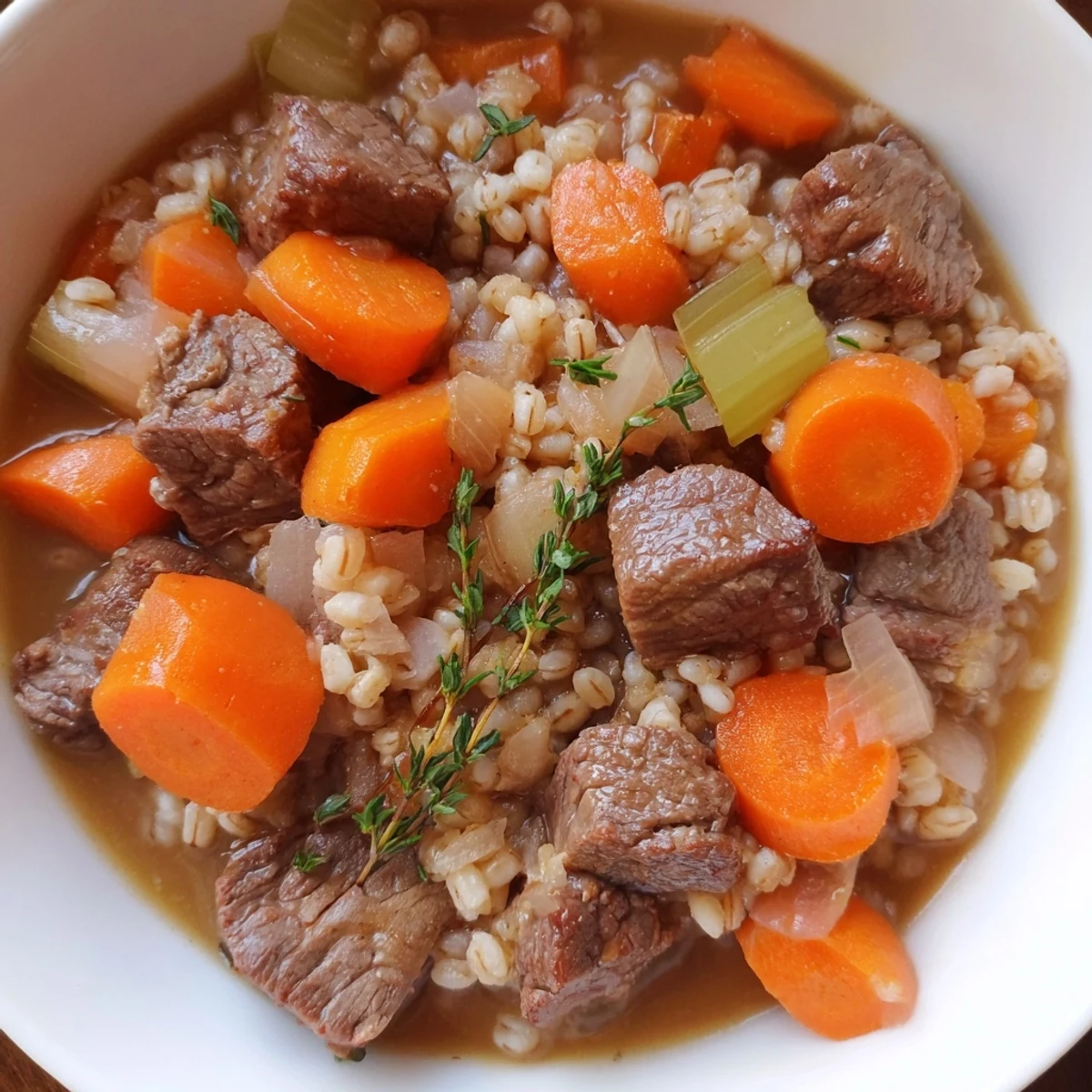
 This beef and barley stew is more than just a meal; it's a hug in a bowl, a comforting embrace that nourishes both body and soul. I hope it brings as much warmth and joy to your table as it has to mine.
Recipe FAQs
- → What cut of beef is best for this stew?
-
Beef chuck is ideal for this slow-simmered preparation. Its marbling and connective tissues break down beautifully during the long cooking process, resulting in incredibly tender and flavorful meat that holds its shape.
- → Can I use different types of barley?
-
Pearl barley is recommended as it cooks relatively quickly and contributes a delightful, slightly chewy texture. If using hulled barley, you'll need to increase the simmering time as it takes longer to soften.
- → Is it possible to prepare this dish in advance?
-
Absolutely! This stew often tastes even better the day after it's made, as the flavors have more time to meld. Prepare it fully, then cool and refrigerate. Reheat gently on the stovetop or in the oven.
- → What are some good additions or substitutions for the vegetables?
-
Feel free to customize! You can add diced potatoes or parsnips for extra heartiness, or a cup of sliced mushrooms for an earthy note. Sweet potatoes also make a great addition, offering a touch of sweetness.
- → How can I make this stew thicker if I prefer?
-
The barley naturally thickens the stew as it releases starches. If you desire an even thicker consistency, you can remove about 1/2 cup of the cooked stew, mash it, then stir it back in. Alternatively, mix a tablespoon of flour or cornstarch with a little cold water to form a slurry, then stir it into the simmering stew during the last 15 minutes of cooking.
- → Can this stew be frozen for later?
-
Yes, this stew freezes very well. Allow it to cool completely, then transfer to airtight, freezer-safe containers or bags. It can be stored in the freezer for up to 3 months. Thaw overnight in the refrigerator before reheating.