 Pin it
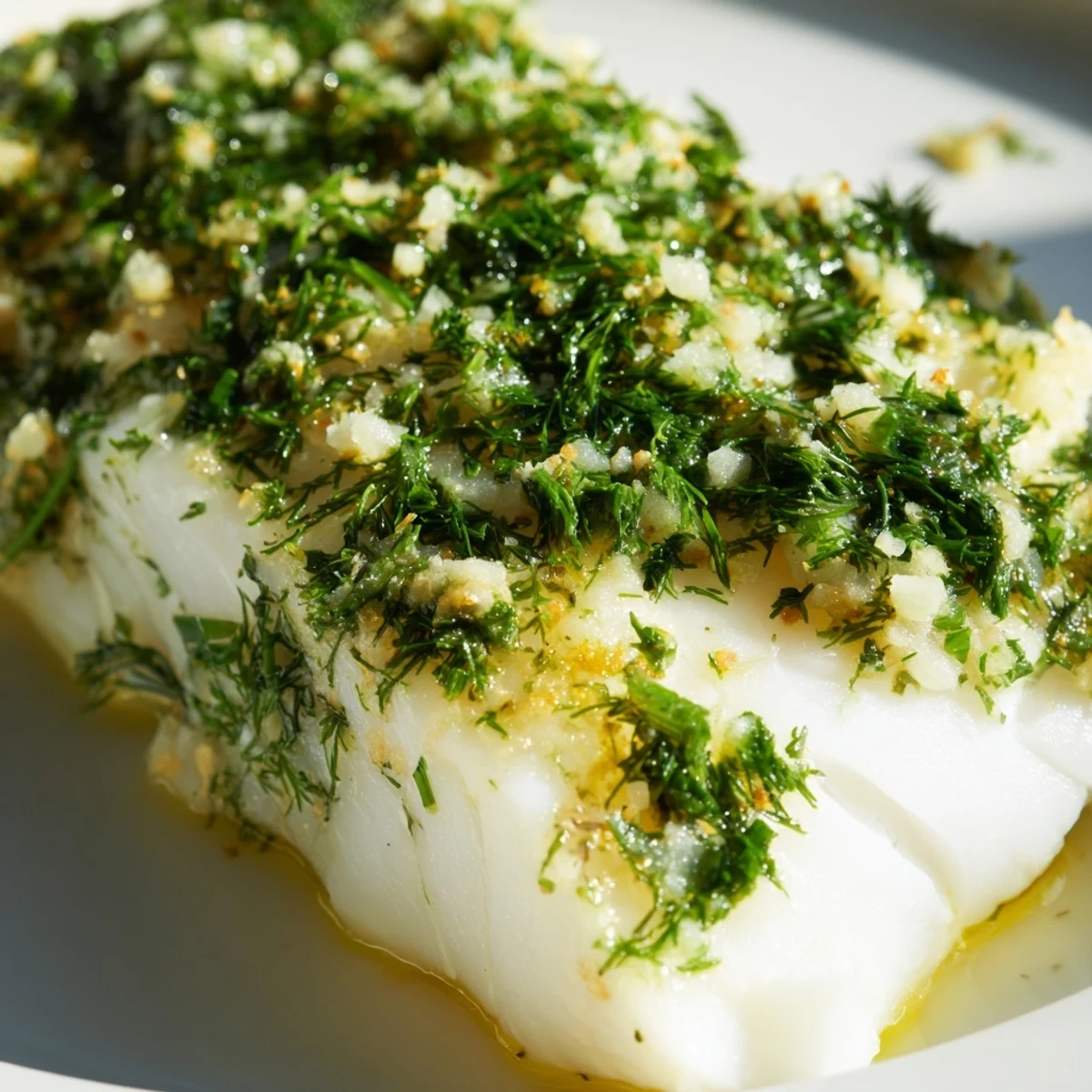
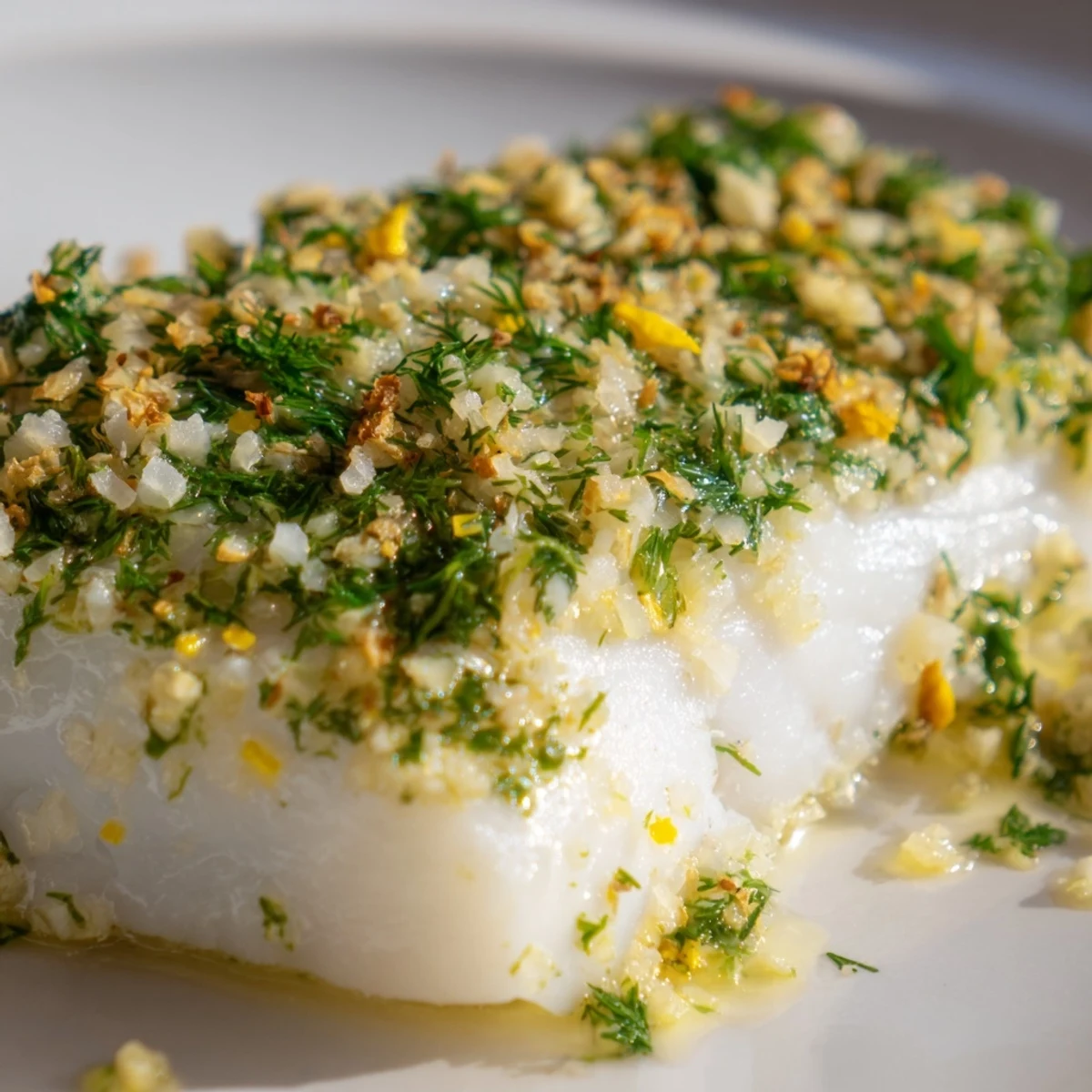
 This dish features skinless halibut fillets gently baked with an aromatic blend of fresh parsley, dill, chives, garlic, lemon zest, and juice, all enhanced by extra-virgin olive oil. Baked until flaky and tender, it offers a light yet flavorful option that pairs well with crisp white wines and steamed vegetables. Easy to prepare with minimal prep and cook time, it's ideal for a nutritious Mediterranean-inspired main course.
There's something about the smell of fresh herbs hitting hot fish that makes you feel like you're cooking something restaurant-quality in your own kitchen. I discovered this baked halibut method on a Tuesday evening when I had exactly four fillets, a handful of herbs from the market, and maybe thirty minutes to pull together dinner for friends. The simplicity of it stuck with me—no complicated techniques, just good fish treated with respect.
I made this for my sister who'd gone pescatarian and was tired of pasta. Watching her face when she tasted it—that moment when she realized fish didn't have to be intimidating to cook—that's when I knew this recipe belonged in regular rotation. She's made it four times since, each time tweaking the herbs slightly based on what looked fresh.
Ingredients
- Halibut fillets: Four skinless pieces, about 170 grams each—the skin would curl and cook unevenly, so that matters.
- Fresh parsley: Two tablespoons chopped fine, the workhorse herb that lets the others shine without competing.
- Fresh dill: Just one tablespoon because dill has personality and a little goes far.
- Fresh chives: Another tablespoon, bringing that subtle onion whisper that rounds out the flavor.
- Garlic cloves: Two minced small, enough to perfume the fish without overpowering it.
- Sea salt: One teaspoon, distributed before the herbs so it seasons the fish itself, not just the topping.
- Black pepper: Half a teaspoon freshly ground—pre-ground loses its bite sitting in the cupboard.
- Extra-virgin olive oil: Two tablespoons, the good kind you actually enjoy eating, since it's doing real work here.
- Lemon: One whole lemon for both zest and juice, that citrus brightness pulling everything together.
Instructions
- Get your oven ready:
- Heat to 200°C and line your baking dish with parchment paper—it's the laziest cleanup move and prevents sticking.
- Dry your fish:
- Pat each fillet dry with paper towels because moisture is the enemy of browning and even cooking. This one detail changes everything.
- Make your herb mixture:
- In a bowl, combine the parsley, dill, chives, minced garlic, salt, pepper, olive oil, lemon zest, and juice. Smell it—that's your sign you're doing this right.
- Coat the fillets:
- Spoon the mixture over each piece and gently press so it adheres and doesn't slide off during baking.
- Bake:
- Twelve to fifteen minutes in the hot oven until the fish flakes easily with a fork and turns opaque. You'll know it's done when it looks cooked through but hasn't started to dry out.
- Serve while it's warm:
- A squeeze of fresh lemon and maybe those lemon wedges for people to add as they like, extra herbs scattered on top if you have them.
 Pin it
 My neighbor came over unannounced one Thursday and caught me making this, and somehow it became our thing. Now she texts me photos of her versions with different herbs, and we've accidentally created a whole language around what makes fish taste like home. That's what happens when a recipe is approachable enough that other people want to own it too.
Herb Variations to Try
The beauty of this recipe is that it welcomes substitution. Tarragon instead of dill leans more toward French bistro, while cilantro mixed with a tiny pinch of cumin sends it in a totally different direction. Once I used almost entirely basil because it was what I had, and it became something almost pasta-adjacent but still entirely itself. Don't treat the herb list as law—treat it as a suggestion and your palate as the actual authority.
Temperature and Timing Matter
Fish size affects cooking time more than you'd think, so thicker fillets might need the full fifteen minutes while thinner ones could be done at twelve. A meat thermometer takes the guessing out of it—halibut is perfect at 63°C internal temperature, and then you actually know instead of crossing your fingers. The oven temperature matters too; if yours runs hot or cold, you'll notice, and adjusting by a minute either direction is fine.
What to Serve Alongside
I've served this over everything from simple rice to roasted asparagus to a bright green salad, and it adapts beautifully because the fish itself isn't heavy. A crisp white wine—Sauvignon Blanc or something similarly clean—makes the whole meal feel intentional without requiring planning. The herbs on the fish already did the work of making it feel special, so whatever sides you choose just need to get out of the way and let that happen.
- Steamed or roasted vegetables echo the freshness of the herbs.
- A grain like rice or couscous grounds the plate without overwhelming the delicate fish.
- A simple salad with vinaigrette provides contrast and brightness that keeps the meal from feeling one-note.
 Pin it
 This is one of those recipes that lives in the space between effort and ease, where you feel capable and the food feels special. Make it often enough and it stops being a recipe and becomes just the way you cook fish.
Recipe FAQs
- → What is the best way to bake halibut for tenderness?
-
Baking halibut at 200°C (400°F) ensures it cooks evenly. Using a parchment-lined dish and checking for flakiness with a fork helps achieve tender, opaque fillets.
- → Which herbs complement halibut in this preparation?
-
Fresh parsley, dill, and chives provide a bright and delicate herbal aroma that enhances the mild flavor of halibut without overpowering it.
- → Can I substitute the lemon with other citrus?
-
Yes, lime or orange zest and juice can work well, adding a different but equally fresh citrus note to the dish.
- → What side dishes pair well with baked halibut with herbs?
-
Steamed vegetables, light rice dishes, or fresh green salads complement the flavors and keep the meal balanced and healthy.
- → How can I add some heat to this fish dish?
-
A sprinkle of chili flakes added to the herb mixture before baking introduces a gentle kick without overpowering the delicate fish.